


Steam Trap Selection Guide
A Steam Trap is an automatic device that distinguishes between condensate and steam. It discharges condensate and other gases while retaining steam.
Steam Traps are roughly classified into three categories: Mechanical, Thermostatic, and Thermodynamic.

What is Steam?
Steam is a transparent gas generated by heating water in a boiler. It is an efficient and easy-to-control heating medium, often used to transfer energy from a centralized point to various parts of a factory. It is applied in various equipment for heating air, water, or process media.
What is Condensate?
When steam in steam-using equipment releases heat for heating (steam heat utilization), its temperature drops to the boiling point and liquefies into condensate, also known as condensed water.
I. Working Principle of Mechanical Steam Traps
Mechanical Steam Traps are designed based on the density difference between steam and condensate.
Their working principle involves controlling the opening and closing of the valve core through changes in the height of a float, but their internal structures vary significantly.
Mechanical Steam Traps are divided into: Inverted Bucket Type, Free Float Type, and Lever Float Type.
1. Working Principle Diagram of Inverted Bucket Steam Trap
The interior of an Inverted Bucket Steam Trap features an inverted bucket connected to a lever system. The bucket, with its opening facing downward, acts as a liquid level sensor. When the device starts, air and low-temperature condensate are quickly discharged. When steam enters the inverted bucket, the bucket fills with steam and generates upward buoyancy. The inverted bucket connects to the lever to drive the valve core and partially close the valve. A small hole at the top of the bucket automatically vents air. As steam decreases and condensate continuously enters the valve, the inverted bucket loses buoyancy and sinks. It then connects to the lever to drive the valve core, opening the valve again to drain water. This cycle results in intermittent drainage.
Inverted Bucket Steam Trap Working Principle Diagram.jpg
1.1 Product Features
The Inverted Bucket Type is the most robust among Mechanical Steam Traps.
It has excellent water hammer resistance, corrosion resistance, and fouling resistance.
It offers good sealing performance and a long service life.
2. Working Principle Diagram of Free Float Steam Trap
The Free Float Steam Trap has a simple structure with only one moving part. A precision-ground hollow float serves as both the float and the opening/closing component. When the equipment starts, air in the pipeline is quickly discharged through the automatic air vent at the top. Low-temperature condensate flows into the valve body, and the rising liquid level of the condensate lifts the float to open the water discharge hole. As the temperature rises, the automatic air vent closes, and the device enters normal operation. Steam accumulates at the top of the valve body, and the float controls the flow rate by rising and falling with the condensate level, enabling continuous drainage. The water discharge hole is always kept below the liquid level to form a water seal, preventing steam leakage.
2.1 Product Features
The Free Float Steam Trap delivers stable performance and large displacement.
The sealing surface experiences non-concentrated wear, resulting in good wear resistance.
It offers excellent sealing and a long service life, making it an ideal Steam Trap for medium and low-pressure applications.
3. Working Principle Diagram of Lever Float Steam Trap
The Lever Float Steam Trap consists of a float connected to a lever system. The float rises and falls with changes in the condensate level, driving the lever to adjust the opening of the outlet valve core and discharge condensate. When condensate stops entering, the float descends with the liquid level, prompting the lever to drive the valve core to close the drainage. Its automatic thermostatic air vent ensures effective air release.
Lever Float Steam Trap Working Principle Diagram.jpg
3.1 Product Features
The Lever Float Type can adapt to rapid and significant pressure fluctuations.
It provides large displacement, good sealing performance, and a long service life.

II. Working Principle Diagram of Thermostatic Steam Trap
Thermostatic Steam Traps are designed based on temperature differences. Temperature changes between steam and condensate cause deformation or expansion of the temperature-sensitive element, driving the valve core to open and close the valve. High-temperature condensate is always retained in front of the valve, preventing steam leakage. They are suitable for tracing pipelines, small heating equipment, etc.
There are two common types of Thermostatic Steam Traps: Bellows Type and Bimetallic Type. Their main difference lies in the temperature-sensitive element.
1. Working Principle Diagram of Bellows Steam Trap
Bellows Steam Traps use the expansion of temperature-sensitive liquid inside the bellows to drive the valve core to open and close. They are compact, cost-effective, and responsive. They automatically discharge condensate below the saturation temperature without the need for temperature adjustment. However, the bellows has a limit on the maximum operating temperature, which should be noted during use.
Bellows Steam Trap Working Principle Diagram.jpg
2. Working Principle Diagram of Bimetallic Steam Trap
The temperature-sensitive element of Bimetallic Steam Traps is a bimetallic strip. A central screw controls the height of the valve core for opening and closing, allowing the discharge temperature of condensate to be freely set. They offer good energy-saving effects and can operate normally in high-temperature steam, but their responsiveness is slightly lower than that of Bellows Type.
III. Working Principle of Thermodynamic Steam Trap
The Disc Type is a commonly used Thermodynamic Steam Trap. It contains a movable valve disc inside. Differences in flow rate and volume when steam and condensate pass through create different pressure differences above and below the valve disc, driving the valve disc to open the valve. When the equipment starts, air and cooling water in the pipeline push the valve disc open under working pressure for rapid discharge. When steam reaches the valve body, its larger volume and higher flow rate than condensate reduce the pressure at the lower end of the valve disc. The valve disc then closes quickly under the pressure difference between the air pressure at the upper end and the outlet at the lower end.
When the steam in the air chamber of the Steam Trap cools and turns into condensate, the pressure at the upper end of the valve disc disappears. Condensate at the outlet end pushes the valve disc open again under working pressure to discharge condensate. A pressure difference is re-established between the two ends, closing the valve and completing the cycle, resulting in intermittent drainage.
Even under normal operation, the Disc Type Steam Trap requires a small amount of steam leakage to generate the pressure difference needed to close the valve. Additionally, the high opening and closing frequency of the valve disc affects the valve's durability. However, due to its ease of use, wide applicability, and low price, it is widely used.

How to Select a Steam Trap for Back Pressure?
In condensate recovery systems, back pressure tolerance and subcooling degree must be considered if a condensate recovery device is present.
Back pressure refers to the resistance exerted on condensate at the outlet of the Steam Trap. If the actual back pressure exceeds the maximum back pressure the Steam Trap can withstand, it will not operate normally.
Subcooling degree is similar to the difference between the actual temperature of condensed steam and the theoretical saturation temperature. A smaller subcooling degree is more conducive to energy recovery. Generally speaking, Mechanical Type outperforms Thermodynamic Type in back pressure tolerance and heat loss from subcooling, while Thermodynamic Type outperforms Thermostatic Type.
Summary of Product Selection Performance
Mechanical Steam Traps offer comprehensive performance, are not affected by pressure and temperature, and have high reliability. However, they are large in size and high in cost, making them suitable for heating equipment with large water displacement.
Although the Inverted Bucket Type can automatically vent air, its venting speed is slow, making it unsuitable for situations where steam contains a large amount of other gases.
The Free Float Type enables continuous drainage during use with large displacement, but has slightly poor impact resistance and fouling resistance. It requires high grinding precision for the spherical surface and valve port, making it suitable for medium and low-pressure environments with stable water volume. It features non-concentrated sealing wear and a long service life.
The Lever Float Type is suitable for rapid pressure fluctuations and large water displacement. The quality of the lever self-centering opening/closing system and automatic air vent is crucial. It offers comprehensive performance and a service life slightly equivalent to that of the Free Float Type.
Thermostatic Steam Traps are compact with good airtightness. However, as temperature-sensitive controlled devices, they require a 1 to 2-meter cooling pipe at the front end and cannot be used for equipment that generates a sharp increase in water volume. The Bellows Type is responsive and automatically controlled. The Bimetallic Type has a higher temperature resistance and manual adjustability, offering better energy-saving effects.
Thermodynamic Disc Type Steam Traps are compact and affordable. They can operate normally in almost all environments except for extremely low steam pressure. However, their airtightness is average and their durability is slightly poor.
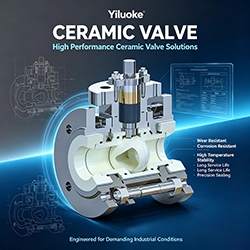 What Are Creamic Lined Valves?
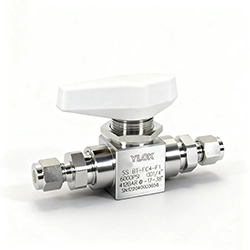 How to Select High‑Pressure Ball Valves
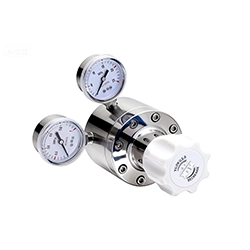 Gas Pressure Regulator Installation and Operation Instructions
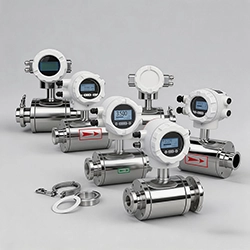 What is a Flowmeter?