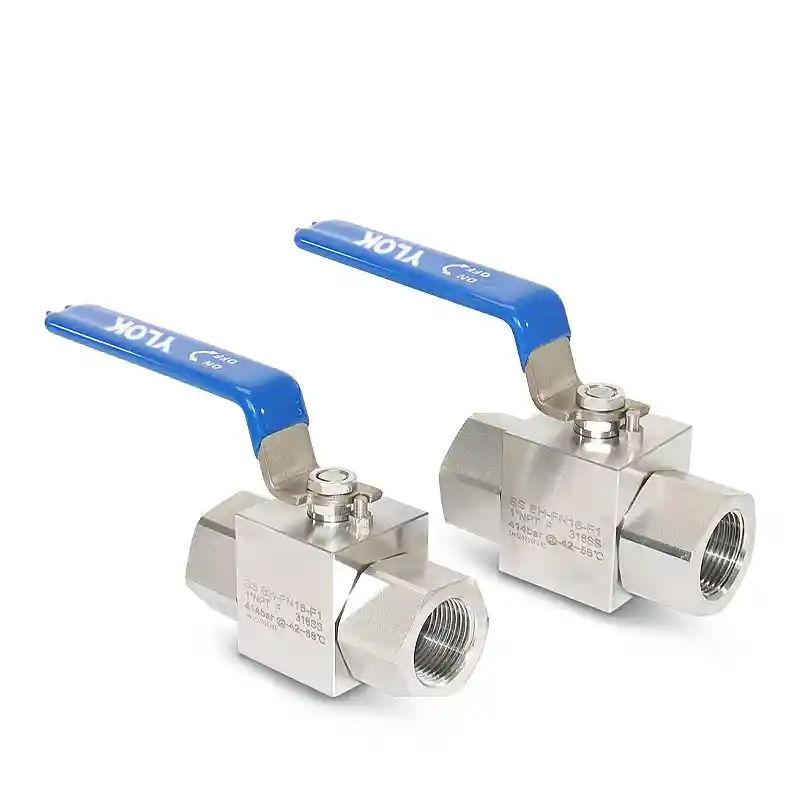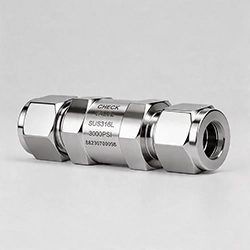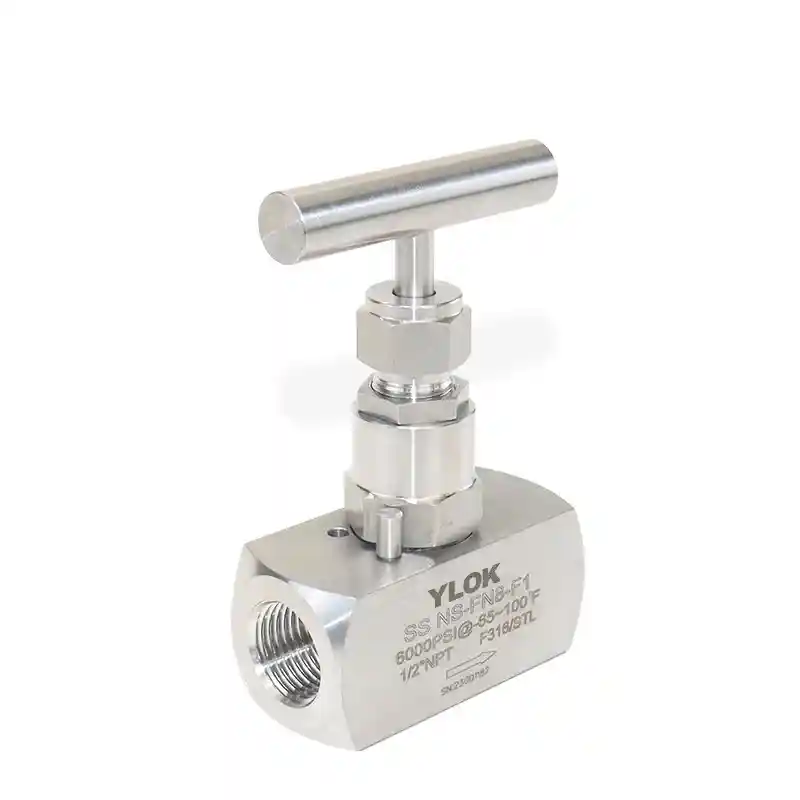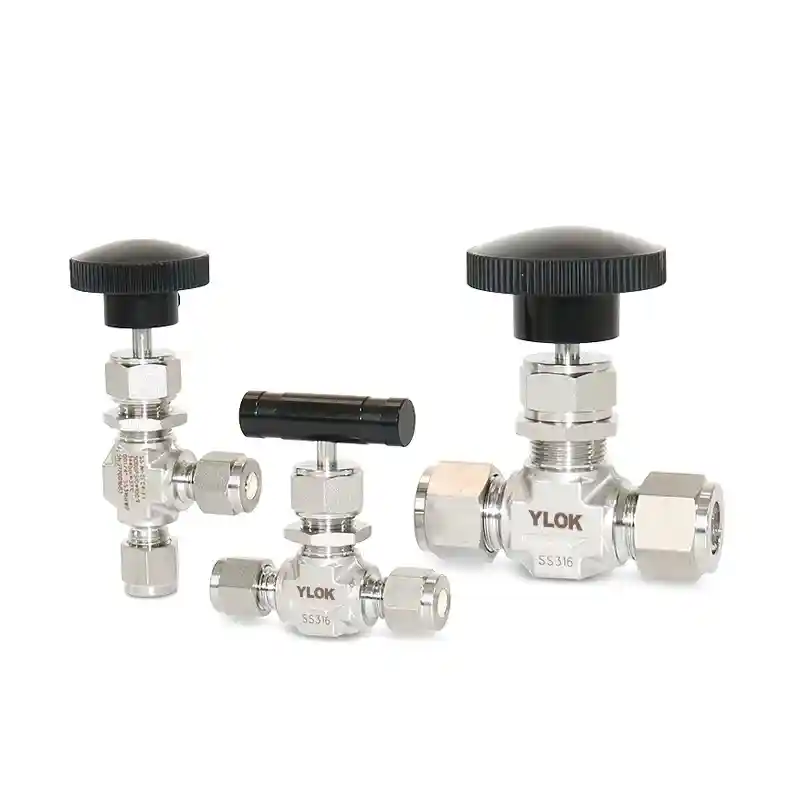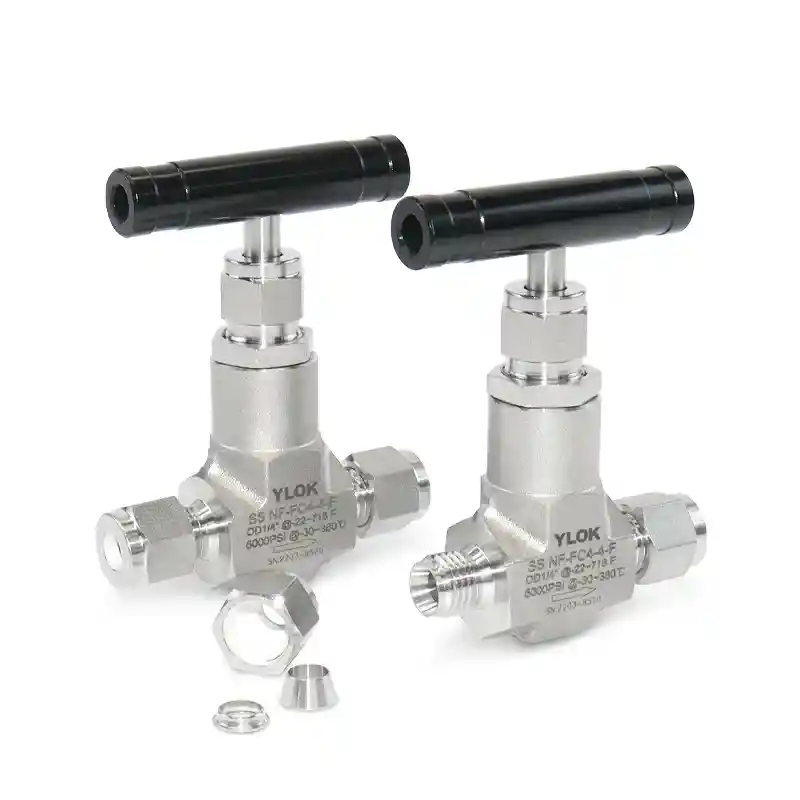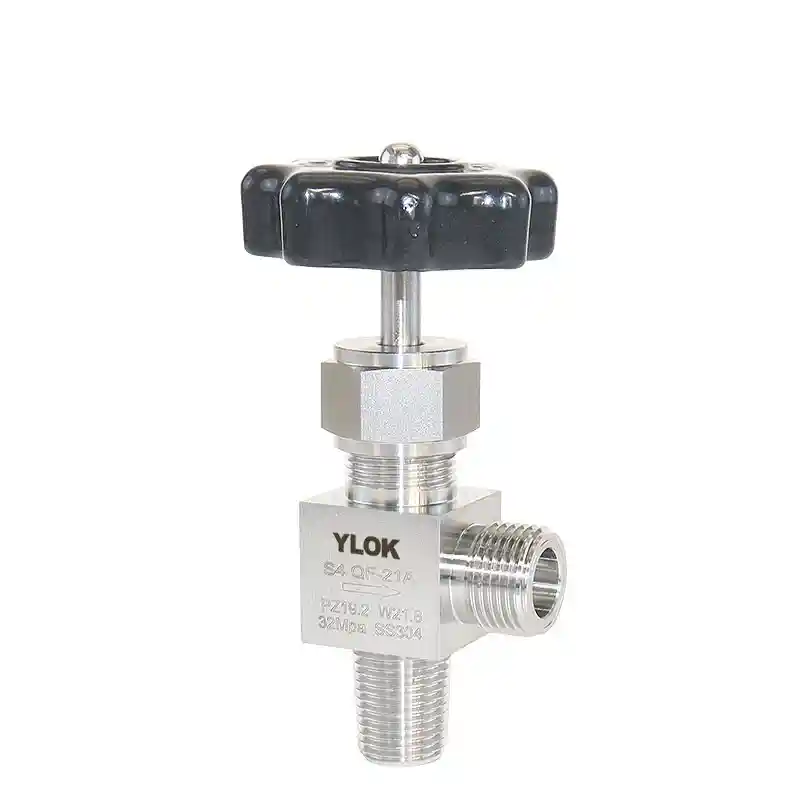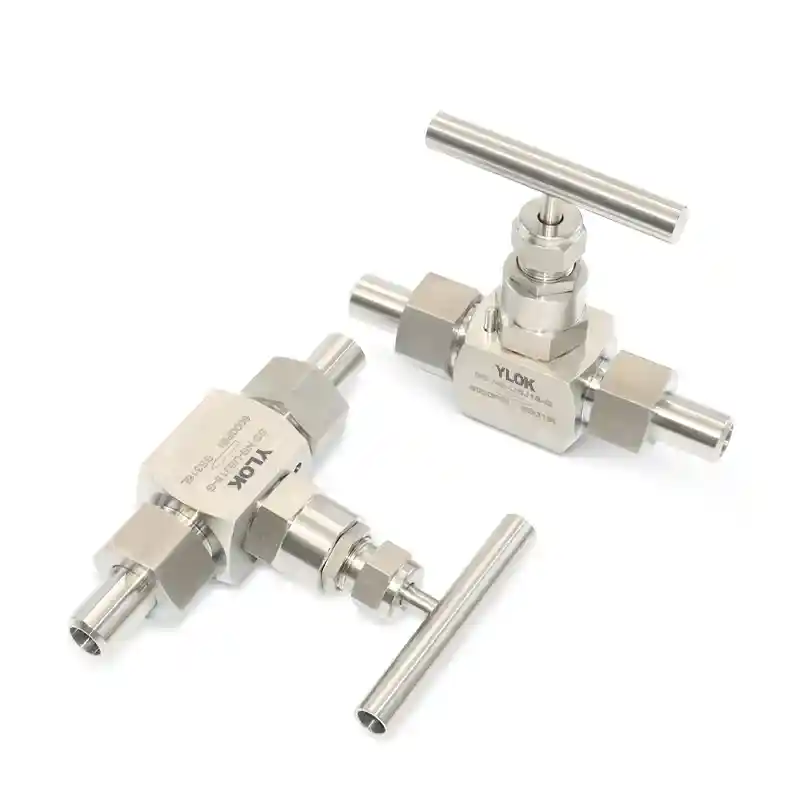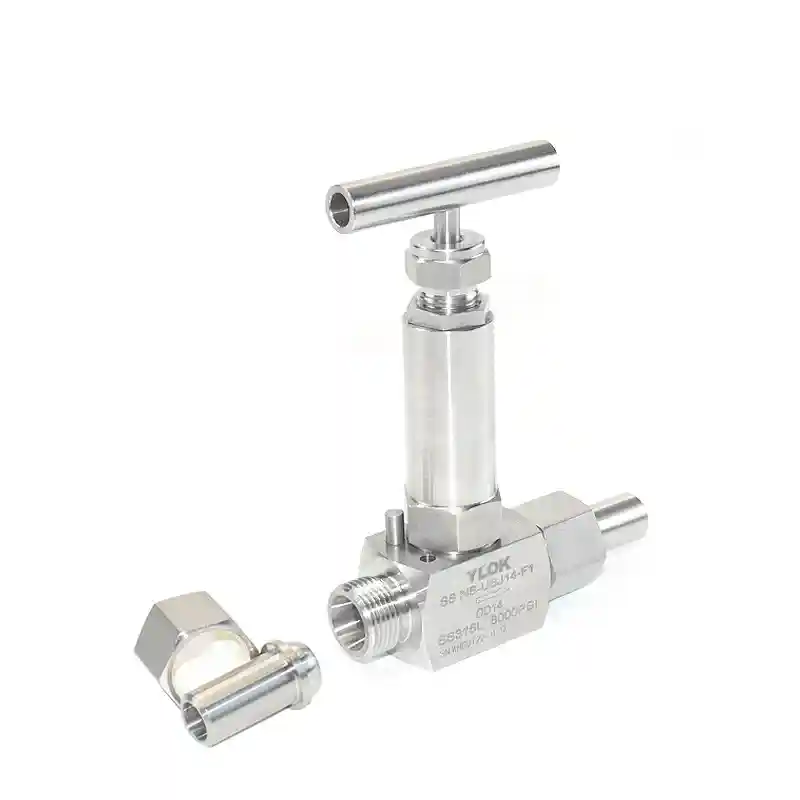


Ferrule High-Pressure 3-Way Ball Valve
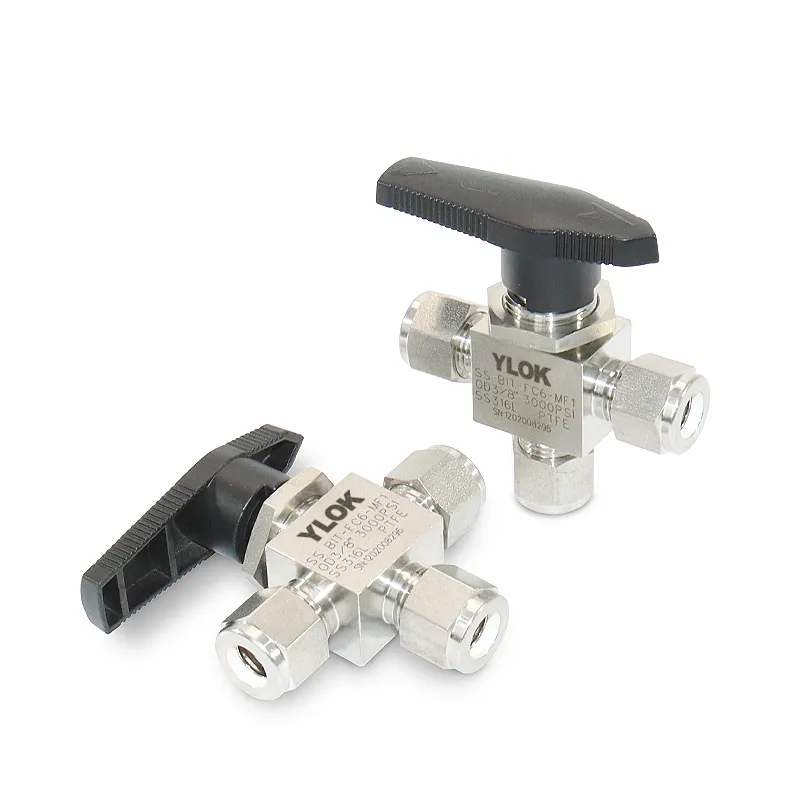
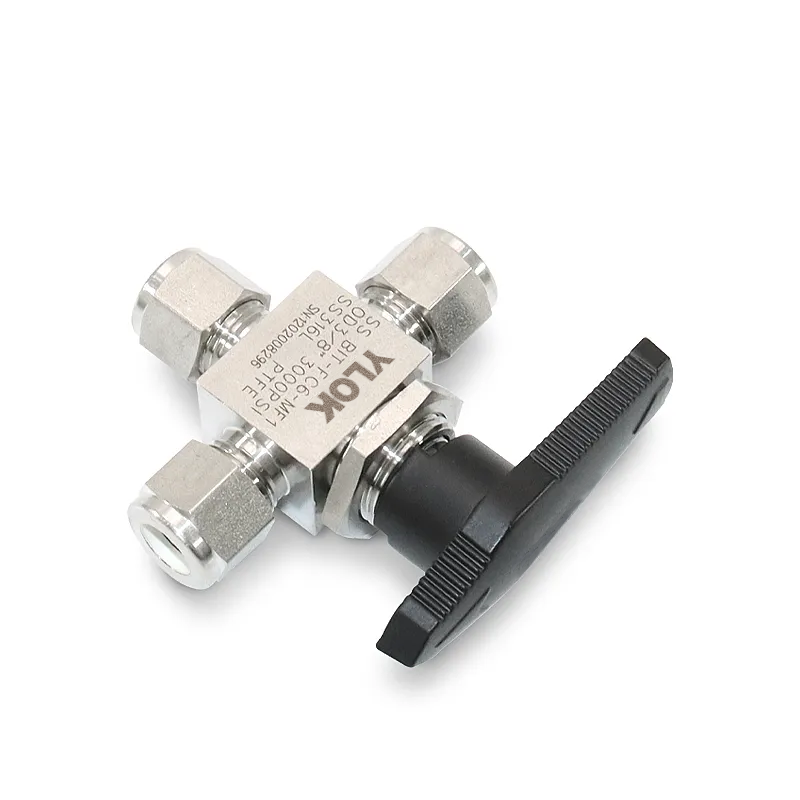
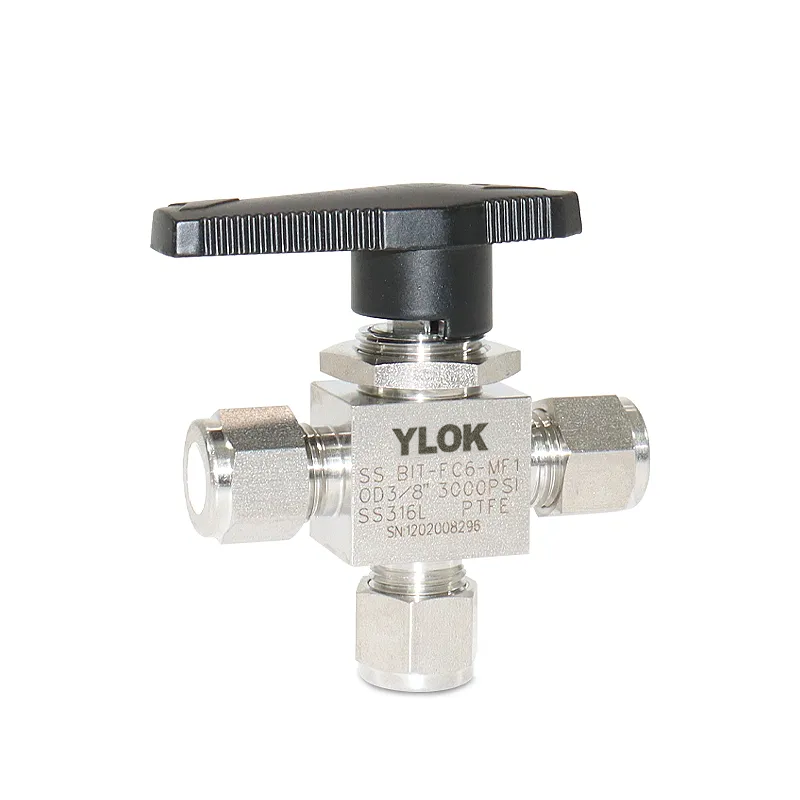
Ferrule High-Pressure 3-Way Ball Valve: Definition, Features, Parameters & Reinstallation
1. Definition
The ferrule high-pressure 3-way ball valve adopts a self-locking double ferrule device, featuring easy pipe connection operation and excellent sealing performance. The pneumatic 3-way ferrule ball valve is equipped with a conical surface seal on the inner side of the pipe connection position. After the tail of the ferrule comes into contact with the conical surface at the bottom of the nut, under the impetus of the nut, the double ferrules of the ferrule undergo compressive deformation and cut into the outer diameter of the pipe under the action of the inner conical surface of the fitting body, thereby forming a seal for the pipe fitting.
When the ferrule high-pressure 3-way ball valve is connected to a steel pipe, welding is not required, making pipeline installation extremely convenient. This is conducive to fire prevention, explosion prevention and high-altitude operations. The valve also has high pressure resistance, good sealing performance and excellent repeatability.
2. Technical Parameters
Parameter Name | Specifications |
|---|---|
Nominal Pressure or Pressure Class | PN1.0-42MPa |
Nominal Diameter or Bore | φ3.175~φ50, DN2~50, NPS 1/4 ~2 |
Connection Method | Ferrule |
Suitable Medium | Water, oil, gas, acid-base solutions, strong corrosive media, etc. |
Manufacturing Material | 304, 316, 316L, 2520, etc. |
Suitable Temperature | -196℃~540℃ |
Leakage Class | Class VI |
Actuation Method | Manual, Electric, Pneumatic |
3. Features
The 3-way ball valve is used for flow path switching, which can selectively switch one inlet to two outlets.
It is equipped with an excellent top packing seal to ensure reliable sealing. The top gland design allows in-line adjustment of the valve.
The regular pressure resistance of the 3-way ball valve can reach up to 6000psi.
It supports panel mounting.
4. Reinstallation Instructions
All ferrule-type ball valves can be reinstalled multiple times, provided that the parts of the pneumatic ball valve are undamaged and clean.
Insert the steel pipe into the fitting body until the ferrule is tightly attached to the inner conical surface of the fitting body, then tighten the nut by hand.
Tighten the nut with a wrench until the tightening torque increases sharply, then tighten it by an additional 1/4 to 1/2 turn.