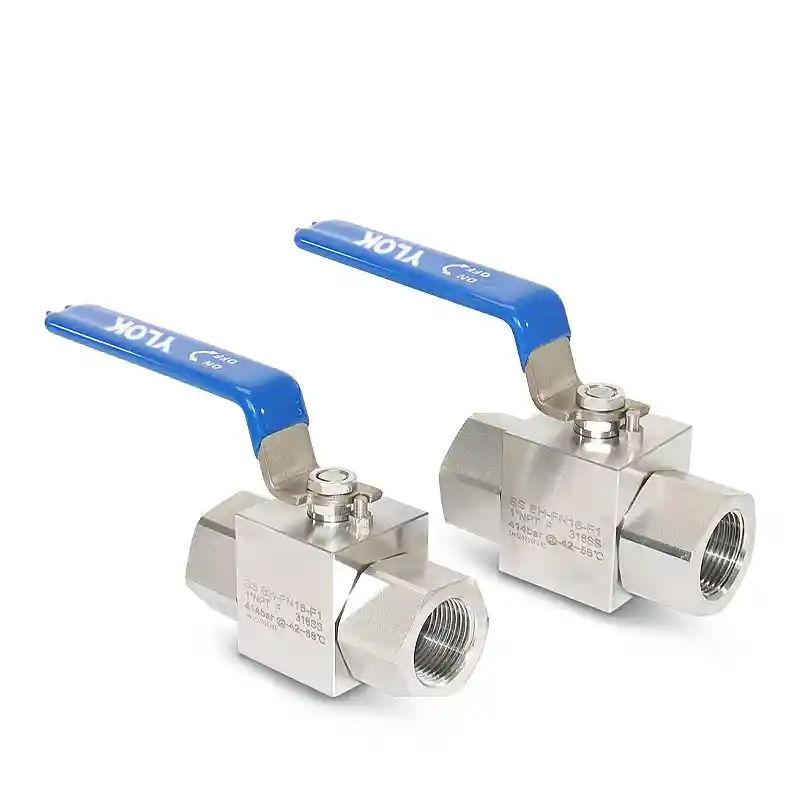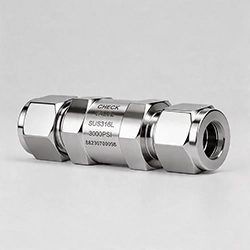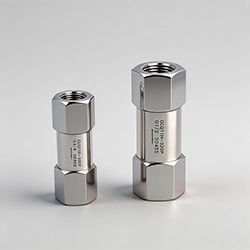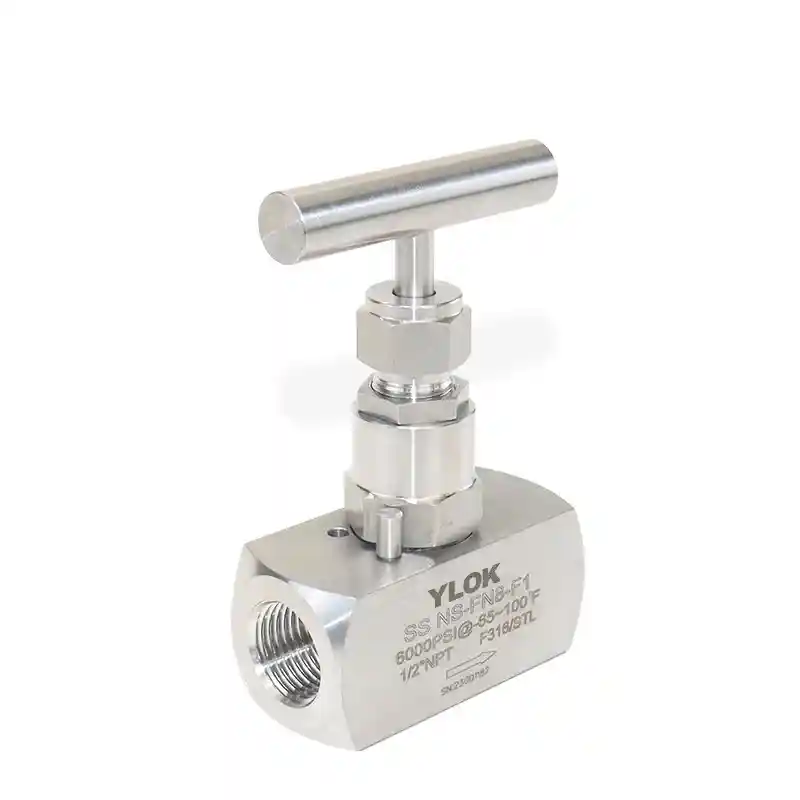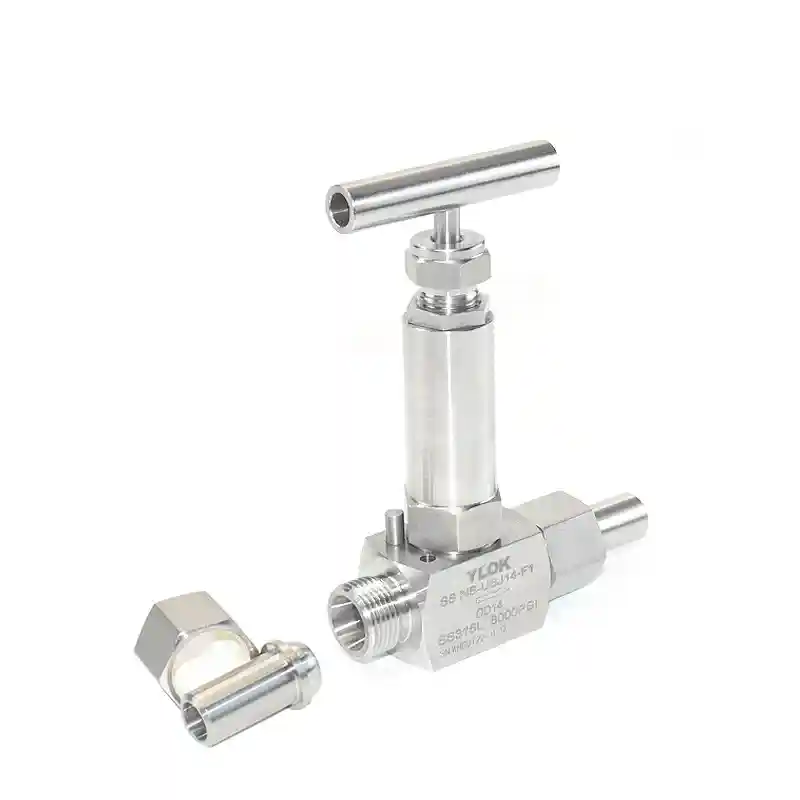


High-Pressure Ball Valves
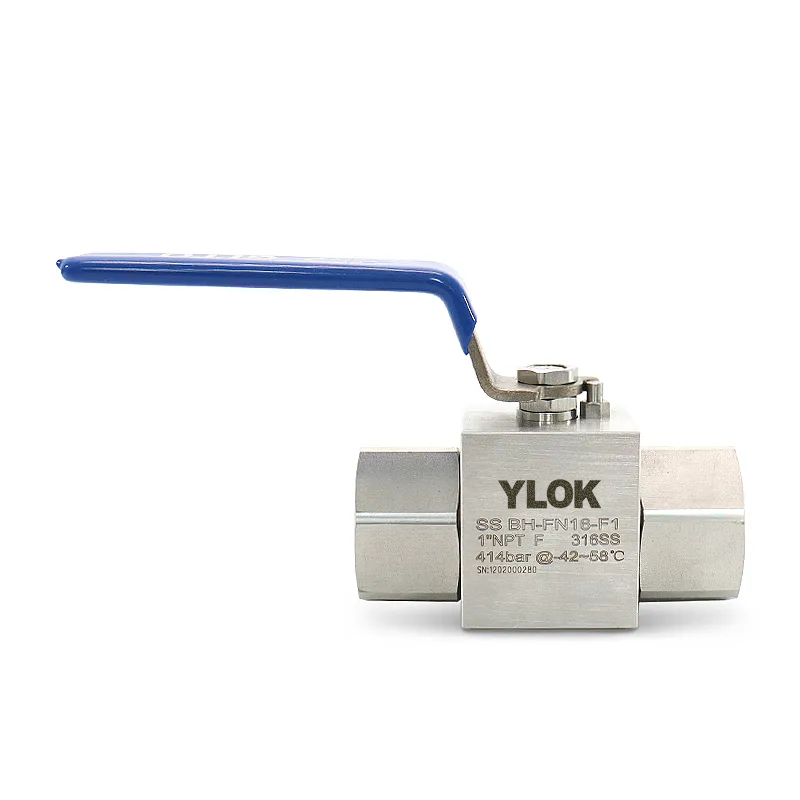
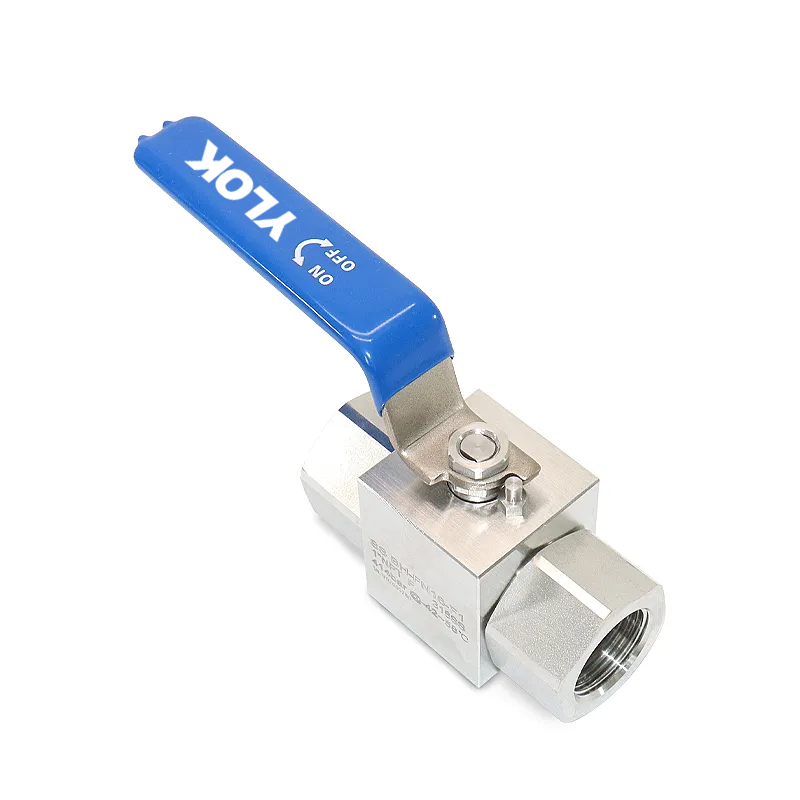
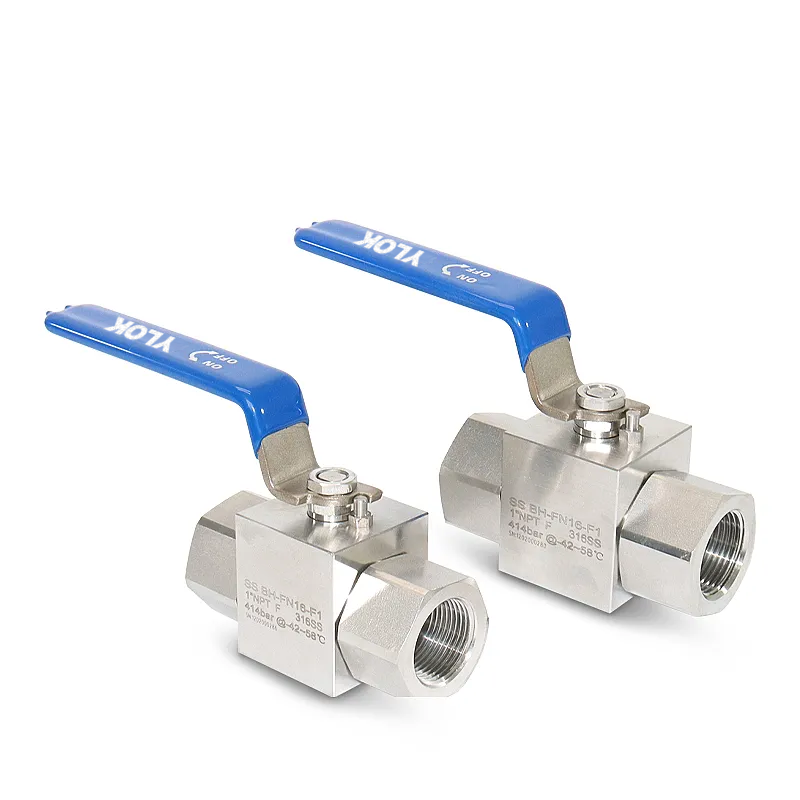
High‑pressure ball valves are mainly used in long‑distance oil and natural gas pipeline transportation and urban gas pipeline systems. Due to the unique characteristics of valves for long‑distance pipelines, their design fully considers the ability to withstand pipeline stress, as well as safety, weather resistance, long‑term reliability, and sealing structure design.
They are suitable for long‑distance transmission pipelines and general industrial pipelines with Class 150~4500Lb and operating temperature of 80~550℃. Special considerations have been given to their safety and harsh environment resistance design, making them applicable to media such as water, oil products, steam, gas, and natural gas.
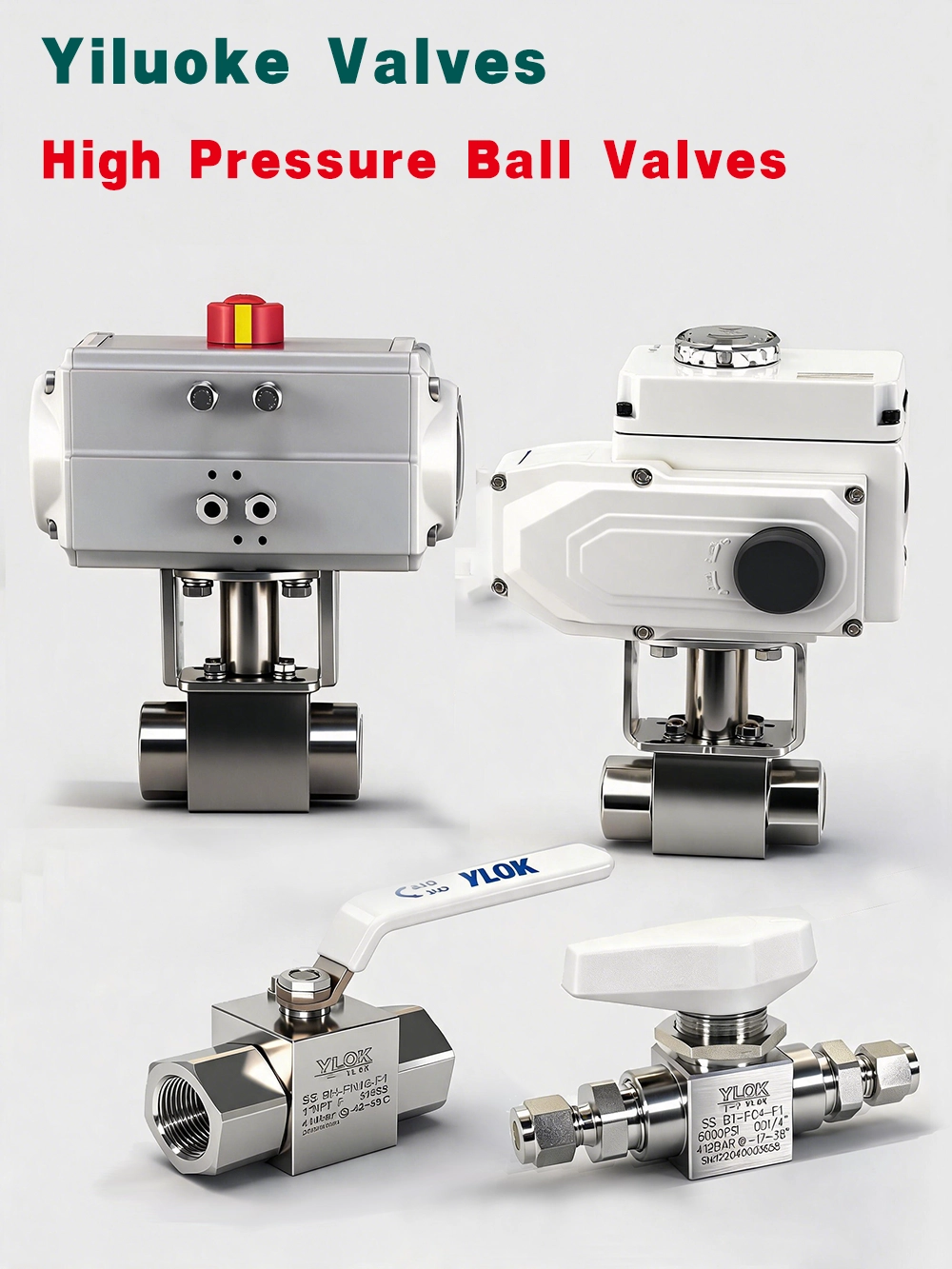
Structure of High‑Pressure Ball Valve
The high‑pressure ball valve is mainly composed of ball, valve seat, valve stem, packing and actuator. Among them, the ball is the core component, which is separated and rotated by the valve body to realize valve opening and closing. The valve seat is made of sealing material and installed inside the valve body. The valve stem connects the ball and the actuator. As auxiliary sealing parts of the ball valve, the packing wraps the valve stem to reduce leakage.
Product Features
1. All components of this product are forgings.
2. Adopts a bottom‑loaded stem with a backseat seal structure.
3. Uses an inlaid valve seat with an O‑ring installed behind the seat to ensure no medium leakage.
4. The sealing surface is made of nylon 1010, whose friction coefficient is usually 1/3 that of Babbitt metal, making it a naturally lubricious material. It has bending strength, impact strength, and high ductility comparable to those of metals.
5. The sealing surface can also be made of STL alloy for wear resistance and high‑temperature resistance.
6. Equipped with anti‑static and fire‑safe design.
Selection Parameters
| Parameter Name | Specifications |
| Product Name | High‑Pressure Ball Valve |
| Nominal Diameter (DN) | DN6~DN300 |
| Structure Type | Spherical |
| Nominal Pressure | 1.6Mpa~80Mpa |
| Connection Type | Flange, Welding, Internal Thread, External Thread |
| Applicable Temperature | ≤550ºC |
| Actuation Mode | Electric, Pneumatic |
| Valve Body Material | Forged Steel, Stainless Steel |
| Manufacturing Standards | GB (China National Standard), DIN (German Standard), API (American Petroleum Institute), ANSI (American National Standards Institute) |
| Applicable Media | Water, Oil Products, Steam, Gas, Natural Gas |
Working Principle of High‑Pressure Ball Valve
The core part of the high‑pressure ball valve is a spherical body with a through hole. Fluid flow is regulated by the rotation of the ball. In the closed state, the hole of the ball is sealed against the valve seat to block fluid passage. When opened, the through hole of the ball aligns with pipeline direction and allows fluid to pass through.
Closed status: When the valve is in closed position, the through hole of the ball fits tightly with the sealing face of the valve seat to completely block fluid flow. Even under high‑pressure conditions, the sealing design can effectively prevent medium leakage. Sealing between ball and seat is realized by high‑pressure corrosion‑resistant materials and precise machining.
Open status: To open the valve, the stem drives the ball to rotate 90 degrees, aligning the ball hole with pipeline direction so that fluid can flow freely. Flow capacity depends on ball bore size and fluid pressure.
Flow regulation: Besides simple on‑off function, some high‑pressure ball valves support flow regulation. By adjusting the rotation angle of the ball, medium flow rate can be precisely controlled. The angle and size of ball bore determine fluid velocity and flow volume.
Classification of High‑Pressure Ball Valves
1. Metal‑Seated High‑Pressure Ball Valve
Metal‑seated high‑pressure ball valve adopts metal‑to‑metal sealing structure to withstand high pressure and high temperature. It is mainly applied for fluid control under high‑temperature and high‑pressure working conditions in petroleum, chemical, natural gas and other industries. It delivers good performance in harsh environments with excellent corrosion resistance and wear resistance.
2. Soft‑Seated High‑Pressure Ball Valve
Soft‑seated high‑pressure ball valve uses elastic materials such as PTFE or polyethylene as sealing components. It features reliable sealing performance and flexible operation, suitable for scenarios requiring high sealing performance in chemical, pharmaceutical, food and other industries.
3. High‑Pressure Forged Steel Ball Valve
High‑pressure forged steel ball valve is manufactured by forging process with high strength and pressure resistance. It is widely used in high‑pressure pipeline systems such as chemical equipment, refinery units and natural gas transmission pipelines. Compact, reliable and durable, it is an ideal choice for high‑pressure fluid control.
4. Special High‑Pressure Ball Valve for Oxygen‑Containing Media
This type of ball valve is specially designed for oxygen‑containing media such as oxygen and liquid oxygen. Its material, sealing structure and fire‑safe design comply with relevant standards to guarantee safe operation under oxygen service. It has important application value in aerospace, medical treatment and bio‑engineering fields.
5. High‑Pressure Electric Ball Valve
High‑pressure electric ball valve is driven by electric actuator to realize remote control and automatic operation. Widely used in large‑scale fluid control systems, it features fast response and precise regulation for frequent switching and adjusting working conditions in chemical, energy, water treatment and other industries.
6. High‑Pressure Pneumatic Ball Valve
High‑pressure pneumatic ball valve combines high‑pressure ball valve with single‑acting or double‑acting pneumatic piston actuator for automatic and remote control. It is widely used in high‑pressure pipelines of gas stations, tank trucks, aviation and medical industries, as well as industrial automatic control systems for petroleum, chemical, pharmaceutical and paper‑making sectors.
Application Fields of High‑Pressure Ball Valve
Oil & Gas Industry: High‑pressure ball valves are commonly used in oil‑gas pipelines, refineries, natural gas processing plants and oilfield production. With good corrosion resistance, high‑temperature resistance and strong pressure bearing capacity, they effectively control flow and pressure of process media.
Chemical Industry: High‑pressure ball valves are widely adopted in chemical plants to resist erosion of various chemical media including acid and alkali. Tightness and reliability are required to ensure safe process operation.
Power Industry: High‑pressure ball valves are applied in thermal power plants and nuclear power plants to control flow and pressure of cooling water, boiler feed water and steam.
Iron & Metallurgical Industry: High‑pressure ball valves are used to control high‑temperature and high‑pressure media. Featuring high‑temperature resistance and thermal expansion tolerance, they guarantee stable production process.
Non‑Ferrous Metallurgy: They are applied in non‑ferrous metal smelting and casting such as gas control for aluminum electrolysis and copper smelting, resisting high‑pressure, high‑temperature and corrosive gas to maintain stable smelting process.
Pulp & Paper Industry: High‑pressure ball valves control pulp, chemical agent and water flow with corrosion resistance to adapt to complex working conditions.
Wastewater Treatment Industry: They control liquid and gas flow in wastewater treatment systems for sewage containing suspended solids and corrosive substances.
Pharmaceutical & Food Industry: Applied in control systems of tablet presses and fluid processing for food production.
Installation and Maintenance of High‑Pressure Ball Valve
1. Confirm installation position and direction to ensure convenient operation, easy maintenance and correct medium flow direction.
2. Pipeline pretreatment: Check pipeline straightness and dimension matching. Make sure no debris remains inside pipeline before installation since valve seat forms the main sealing of high‑pressure ball valve.
3. Assembly and installation: Verify complete spare parts and assemble ball valve main body according to installation drawings. Mount the valve onto pipeline and fasten with bolts.
4. Actuator installation: Select suitable actuator including manual, pneumatic or electric type according to actual working conditions. Install the actuator on ball valve and confirm smooth opening and closing movement.
5. Test and adjustment: Carry out commissioning after installation. Open the valve and check smooth flow path. Close the valve and test sealing performance by pressure gauge, adjust the valve to achieve optimal sealing effect.