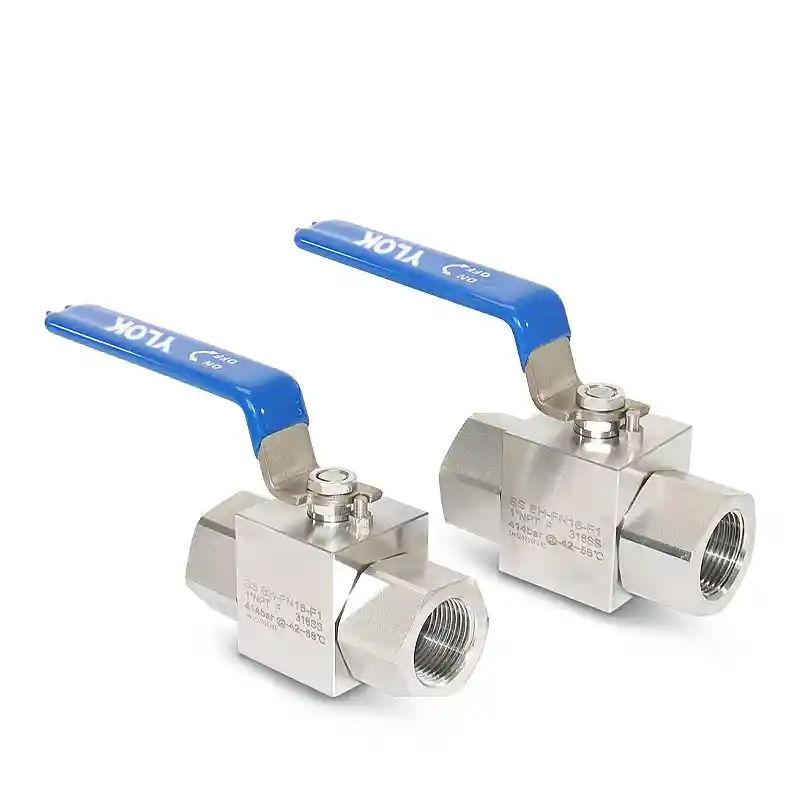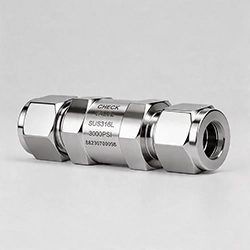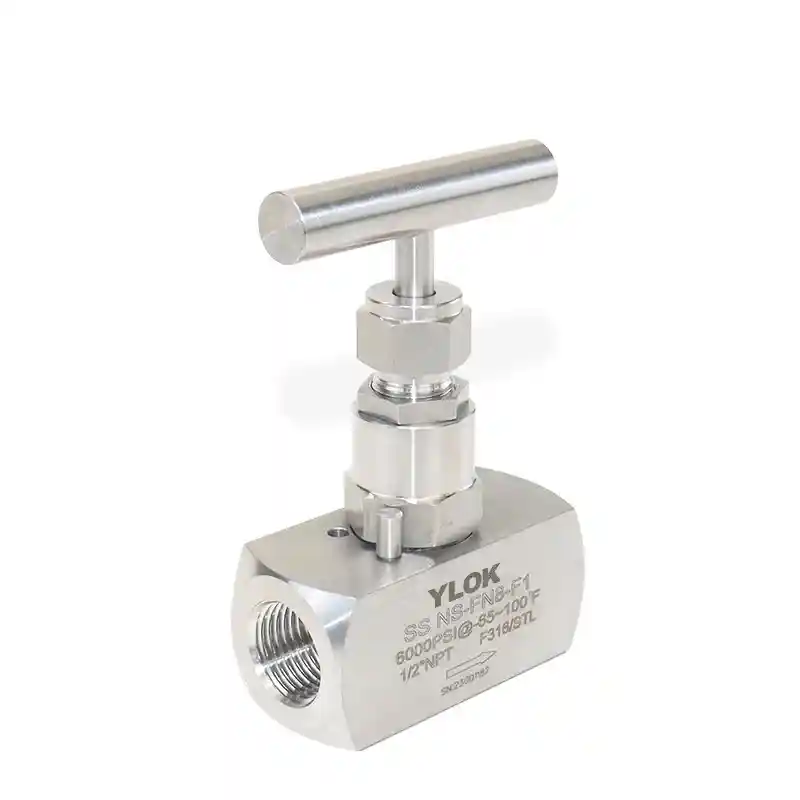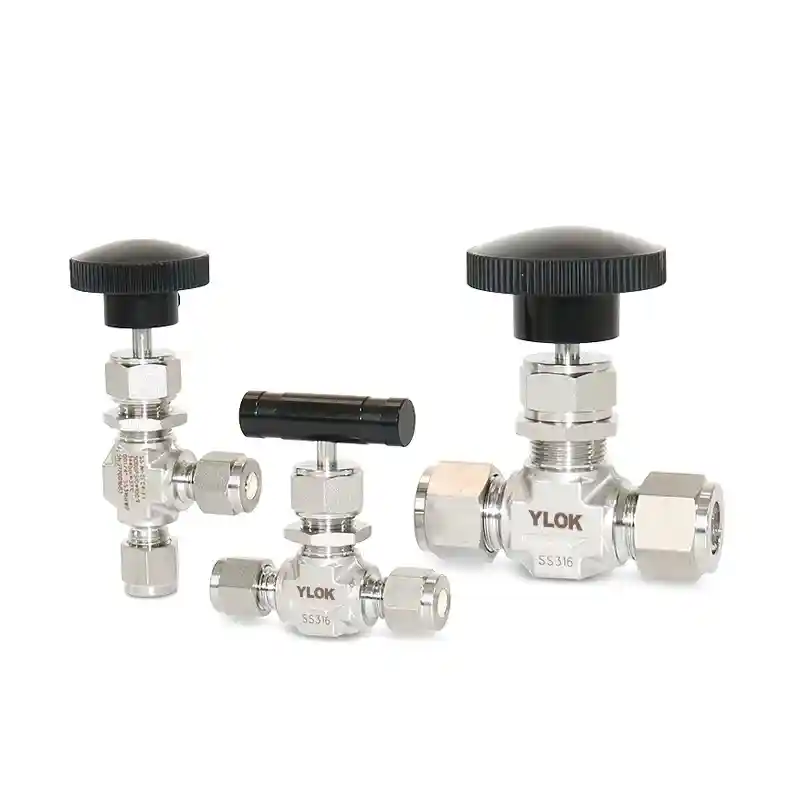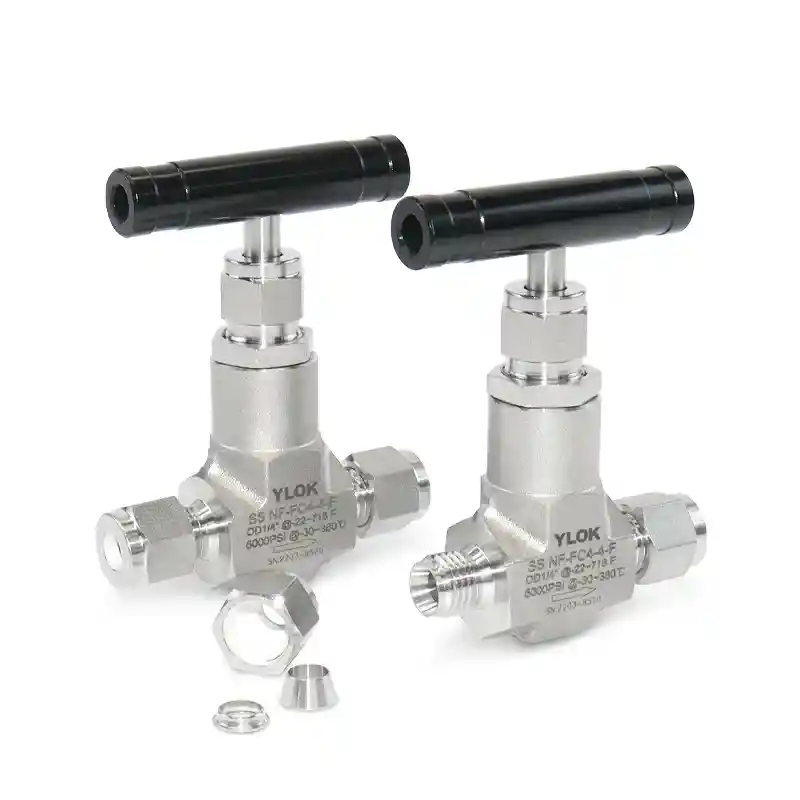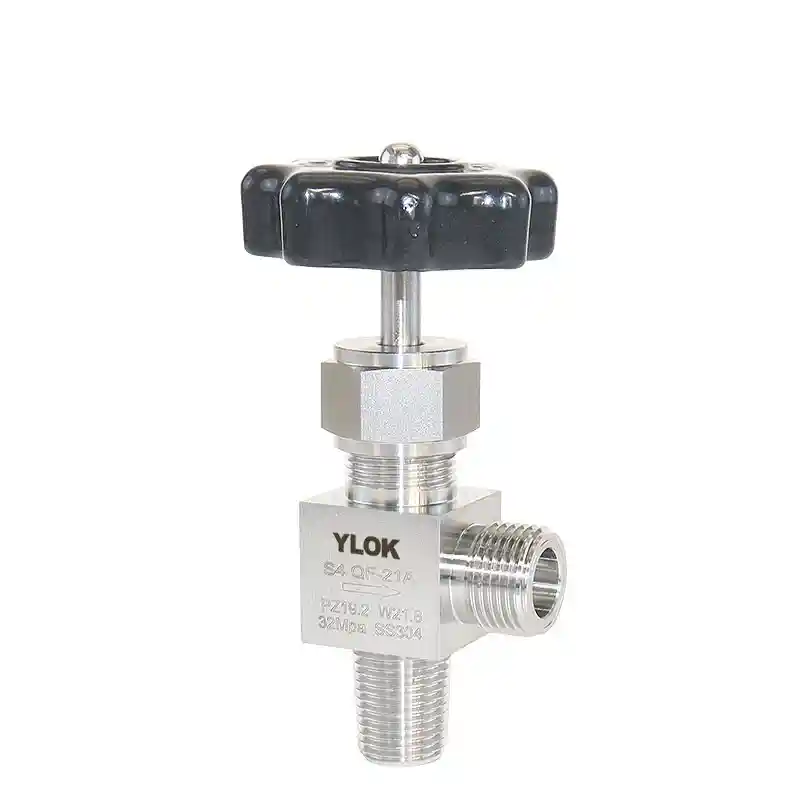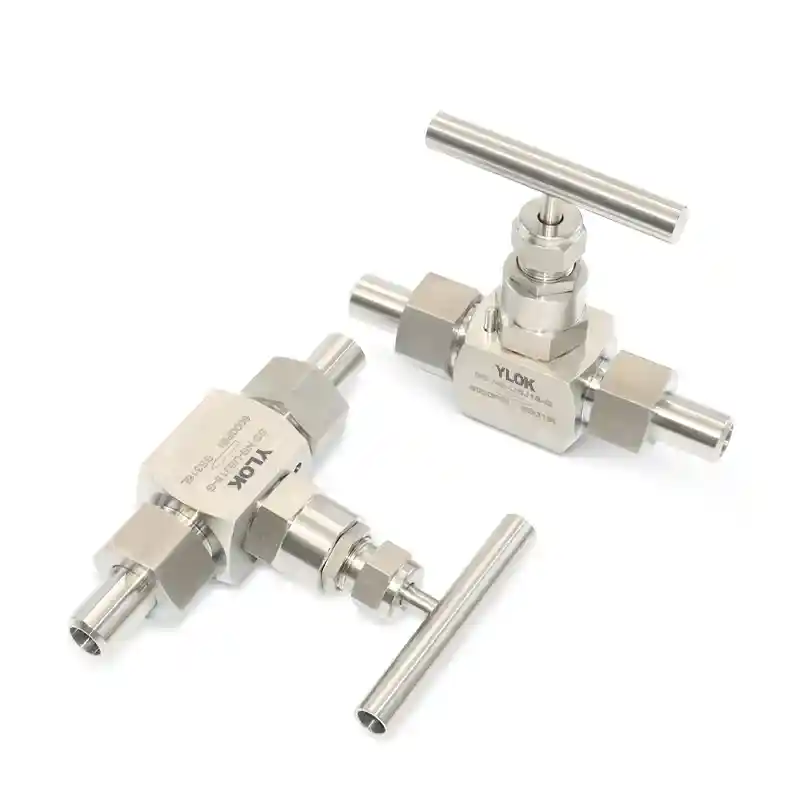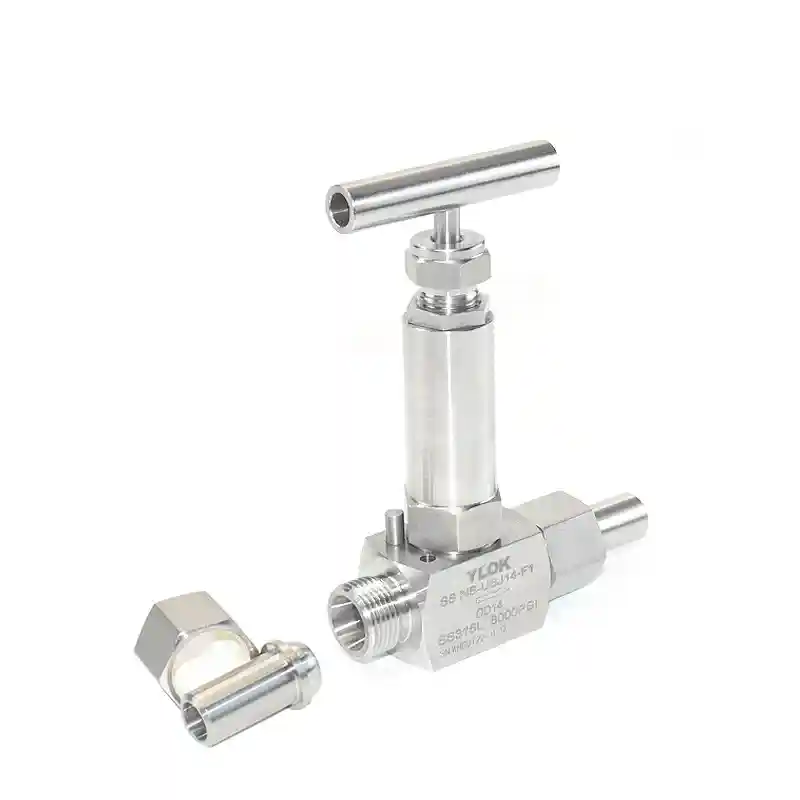


Cryogenic High-Pressure Globe Valves
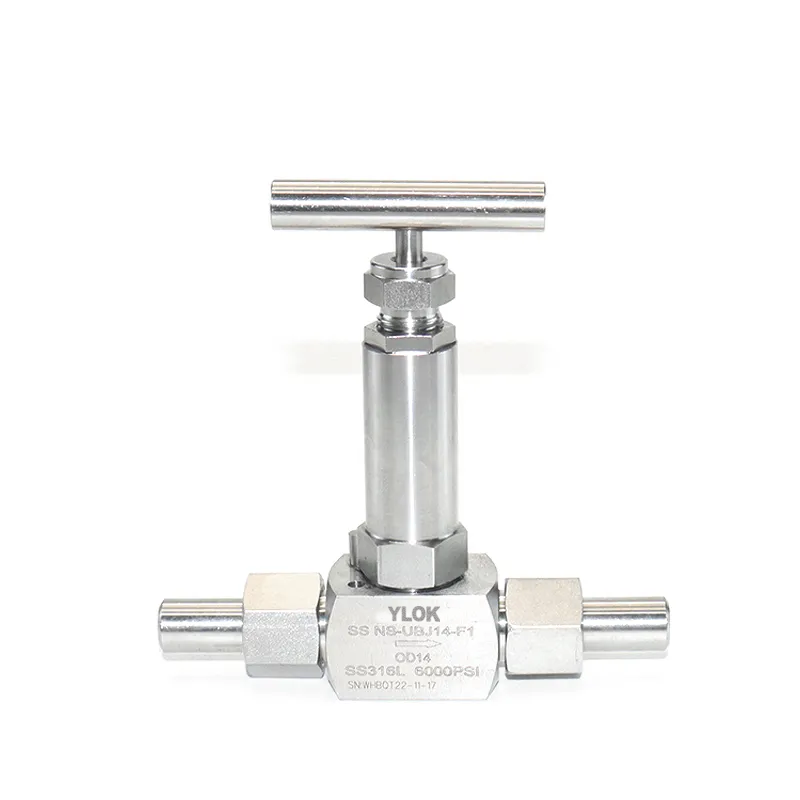
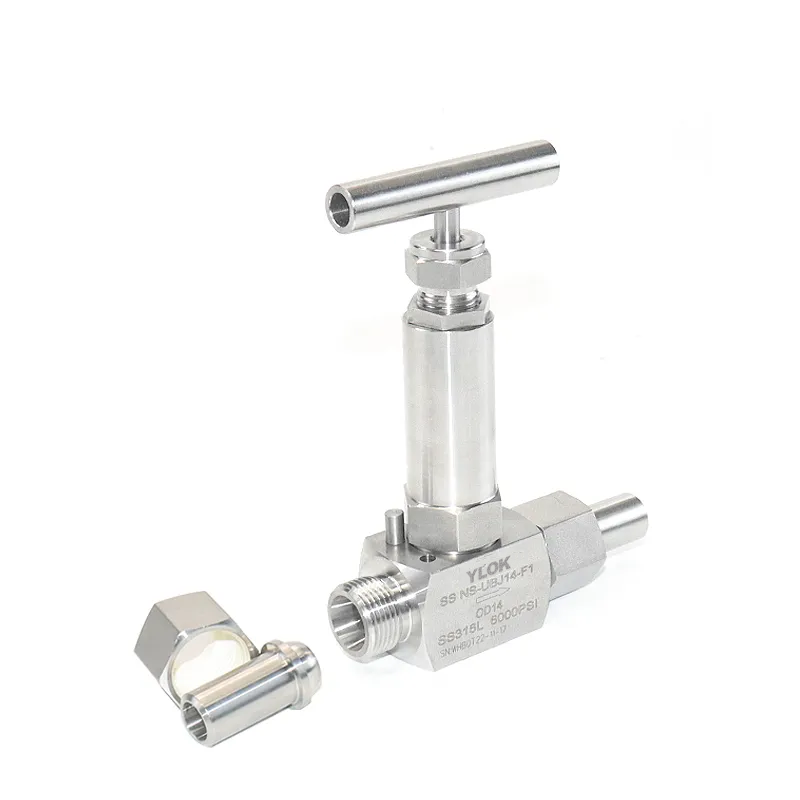
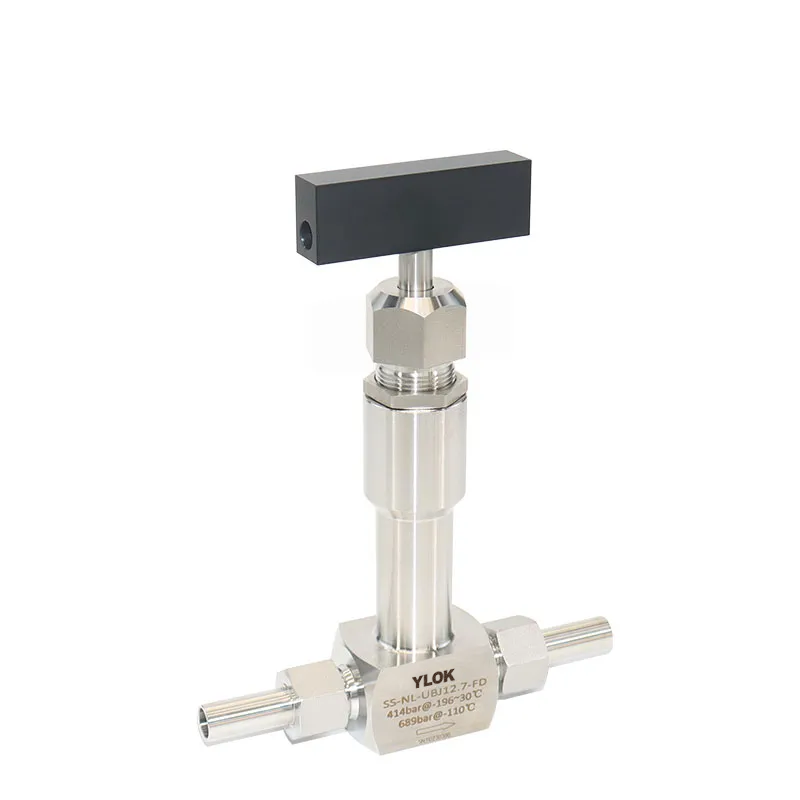
Definition of Cryogenic High-Pressure Globe Valve
Cryogenic High-Pressure Globe Valves are applied in gas liquefaction equipment, air separation equipment, natural gas liquefaction, storage and transportation equipment; cryogenic storage tanks and tank trucks for liquid oxygen, liquid nitrogen, and liquid carbon dioxide; as well as pressure swing adsorption oxygen and nitrogen generation equipment. They are widely used in industries such as energy, petrochemicals, metallurgy, aerospace, nuclear industry, and railways, featuring flexible opening and closing and reliable sealing. They are not suitable for media containing particles, high viscosity, or easy coking.
Main Technical Parameters of Cryogenic High-Pressure Globe Valve
Item | Specification |
Product Name | Long Shaft High-Pressure Ultra-Cryogenic Globe Valve |
Nominal Diameter | DN10~DN100 |
Valve Body Material | Stainless Steel |
Disc Material | Stellite Alloy Overlay Welding |
Applicable Temperature | -196℃~80℃ |
Nominal Pressure | 50MPa |
Applicable Media | Oxygen, Nitrogen, Argon, Liquefied Natural Gas (LNG), Liquid Carbon Dioxide, Liquid Propane, etc. |
Manufacturing Standards | National Standard GB / Machinery Industry Standard JB / Chemical Industry Standard HG / American Standard ANSI / API / Japanese Standard JIS / German Standard DIN / Customization according to other standards |
Packing Material | PTFE/PCTFE |
Connection Method | Socket Weld for DN≤40 / Butt Weld for DN≥50 |
Structural Design of Cryogenic High-Pressure Globe Valve
Cryogenic High-Pressure Globe Valves have two bonnet design forms:
Bolted Bonnet: The valve body and bonnet are connected by bolts and nuts, with a spiral wound gasket (made of 316 stainless steel with flexible graphite) for sealing. If customers have special requirements, a metal ring connection can also be adopted.
Welded Bonnet: The valve body and bonnet are connected by threads, with full-weld sealing. If customers have special requirements, a full-weld penetration connection can also be used.
Gate valves, globe valves, and ball valves can all be designed as cryogenic valves. To be used in a cryogenic temperature environment of -196℃ (320°F), the valves are generally designed with an extended bonnet to prevent the external environment from affecting the internal components of the valve.
Product Features of Cryogenic High-Pressure Globe Valve
Designed and manufactured in accordance with ANSI B16.34 and E101 standards, and can be used with supporting equipment.
The valve cavity adopts a pressure self-sealing structure; the higher the internal cavity pressure, the better the sealing performance.
The sealing surfaces of the disc and valve seat are formed by overlay welding of Stellite cobalt-based cemented carbide, which is wear-resistant and corrosion-resistant.
The valve bonnet packing chamber has a reasonable depth; the packing is added with a corrosion inhibitor, ensuring reliable sealing and smooth opening and closing.
Equipped with an upper sealing structure to prevent leakage through the valve stem when the valve is in the open operating state.