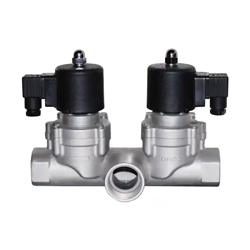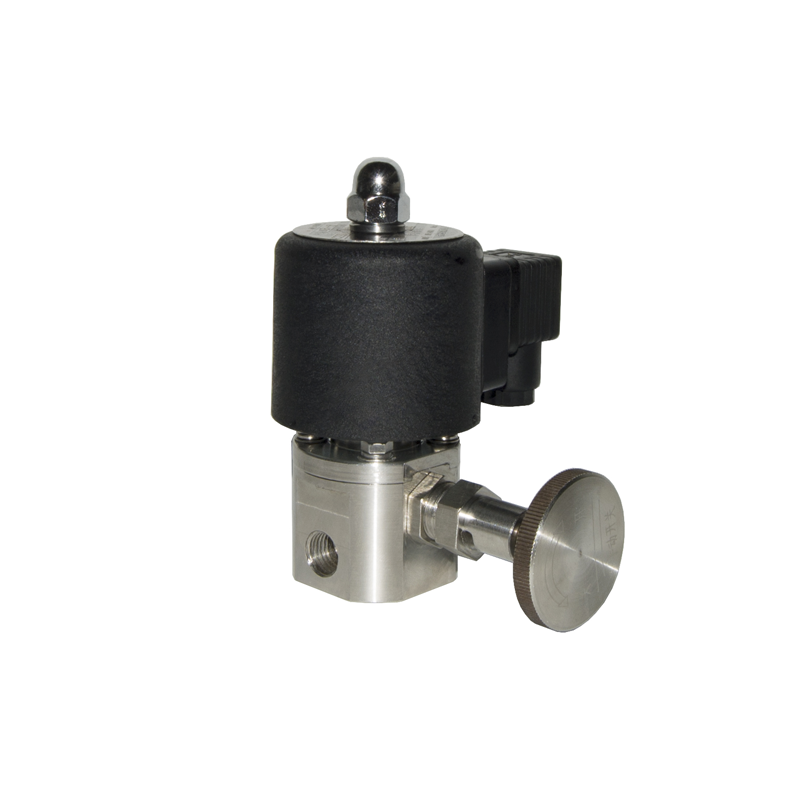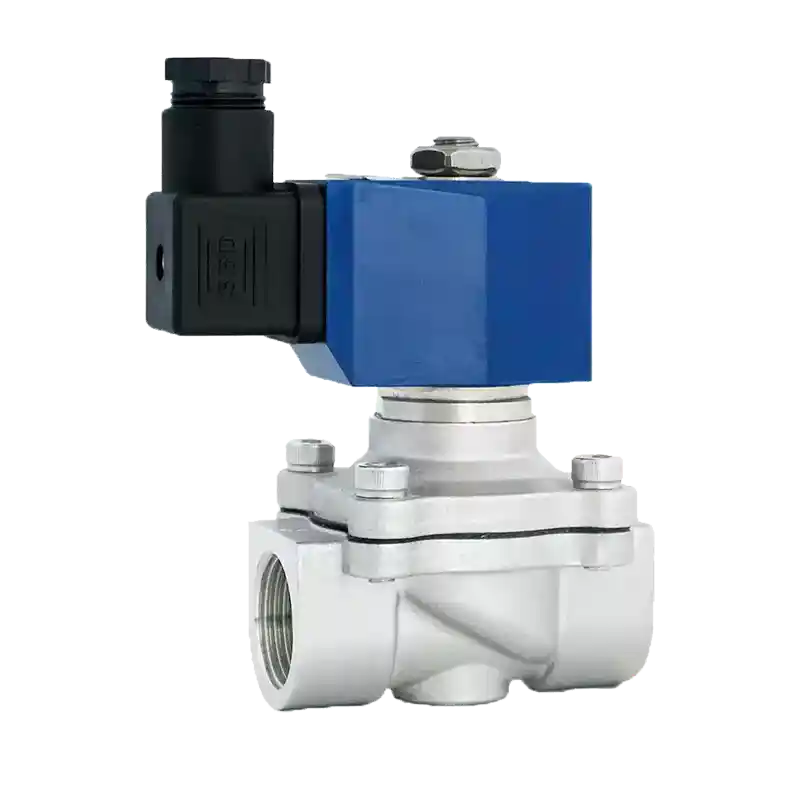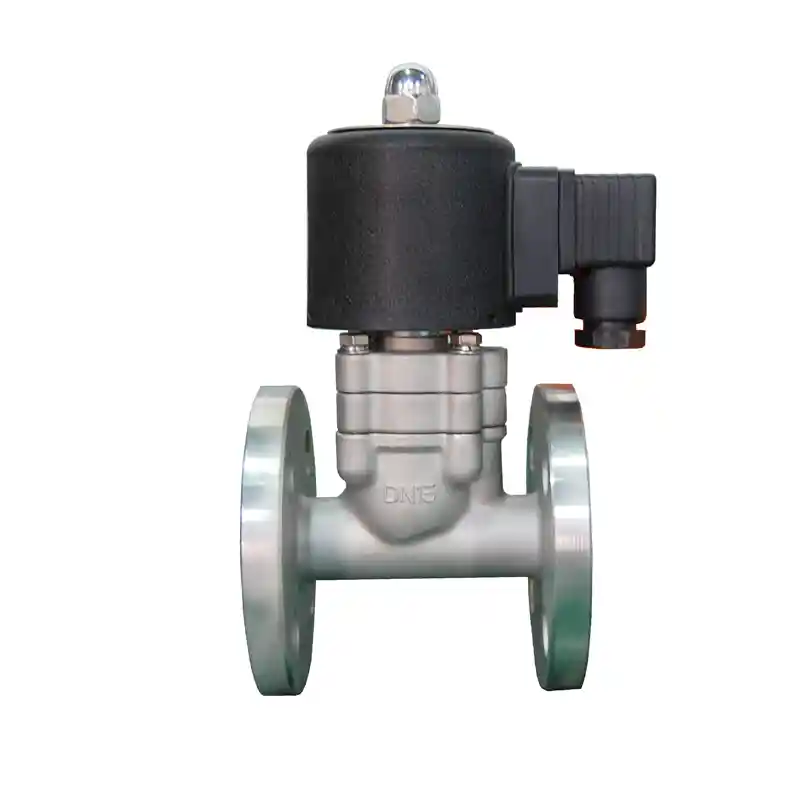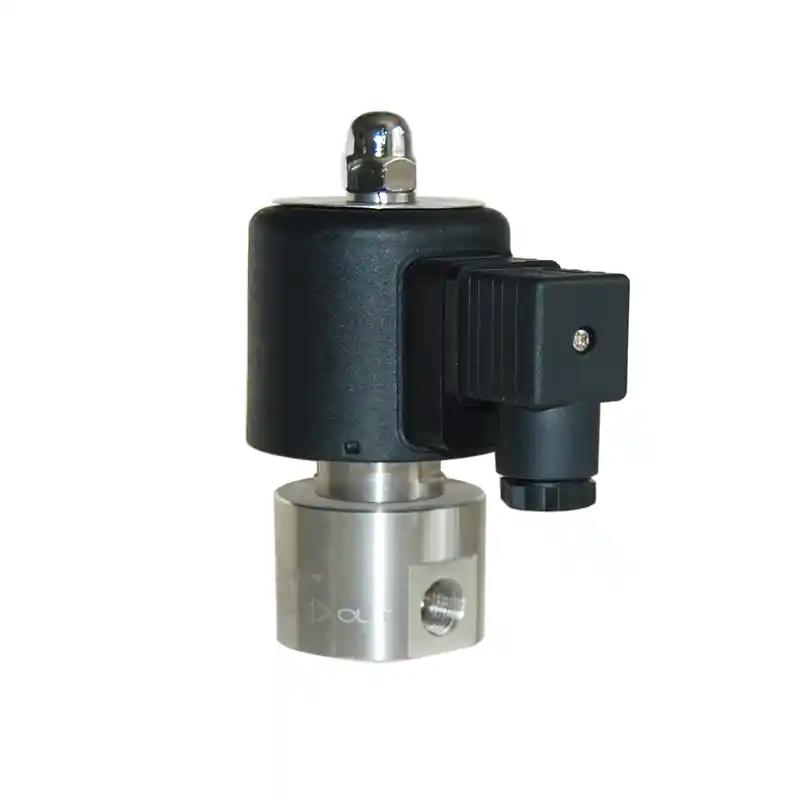


High-Pressure Solenoid Valves
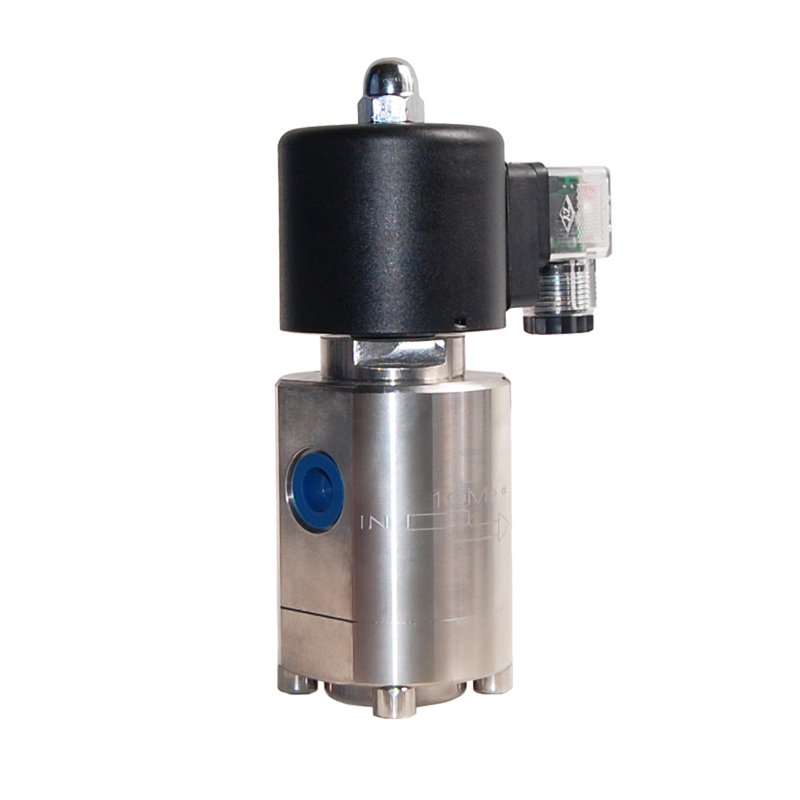
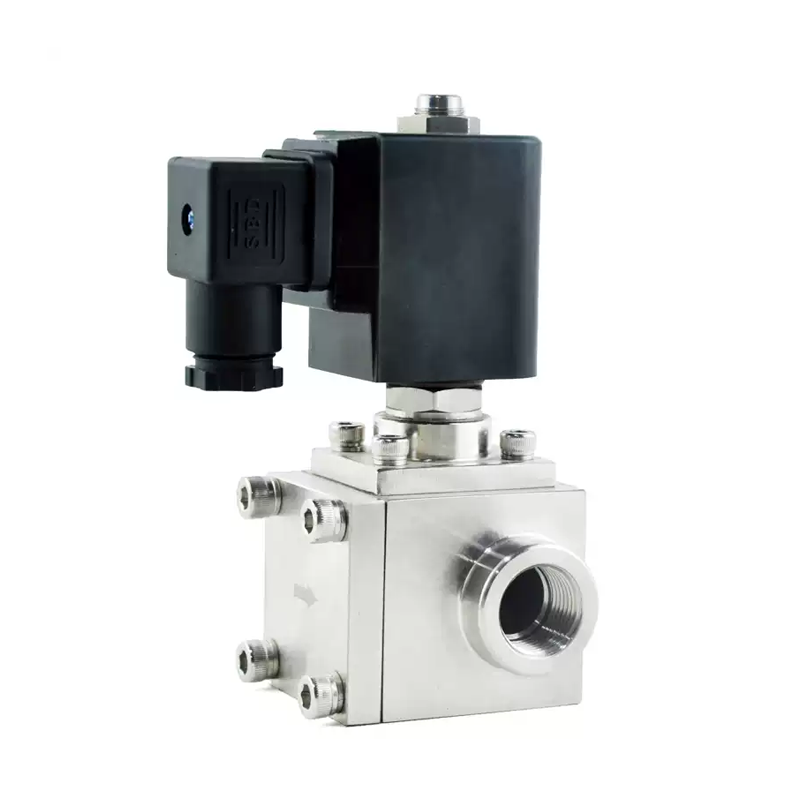
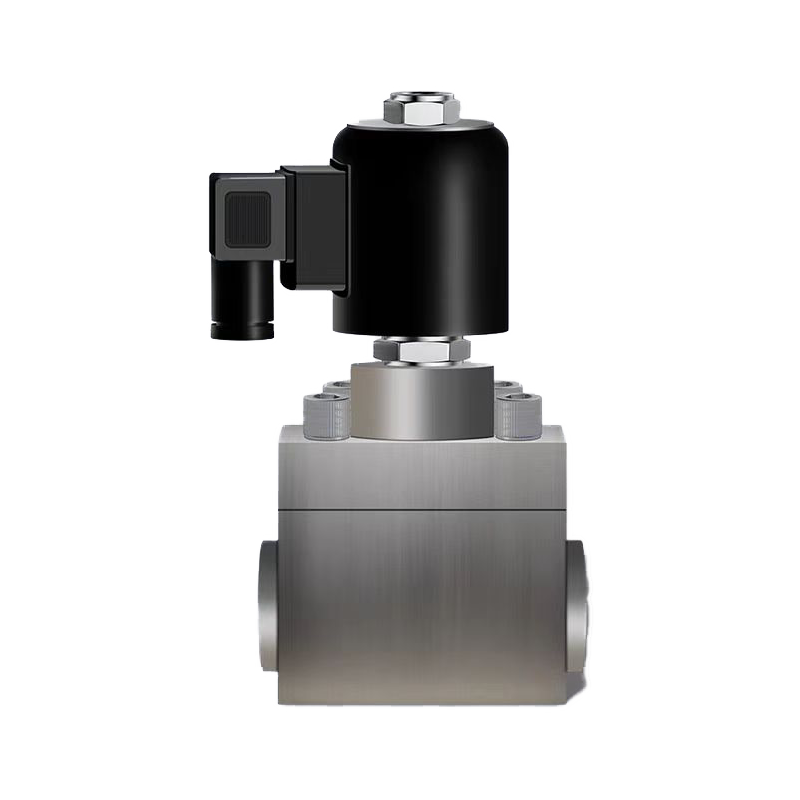
1. Definition and Application Fields
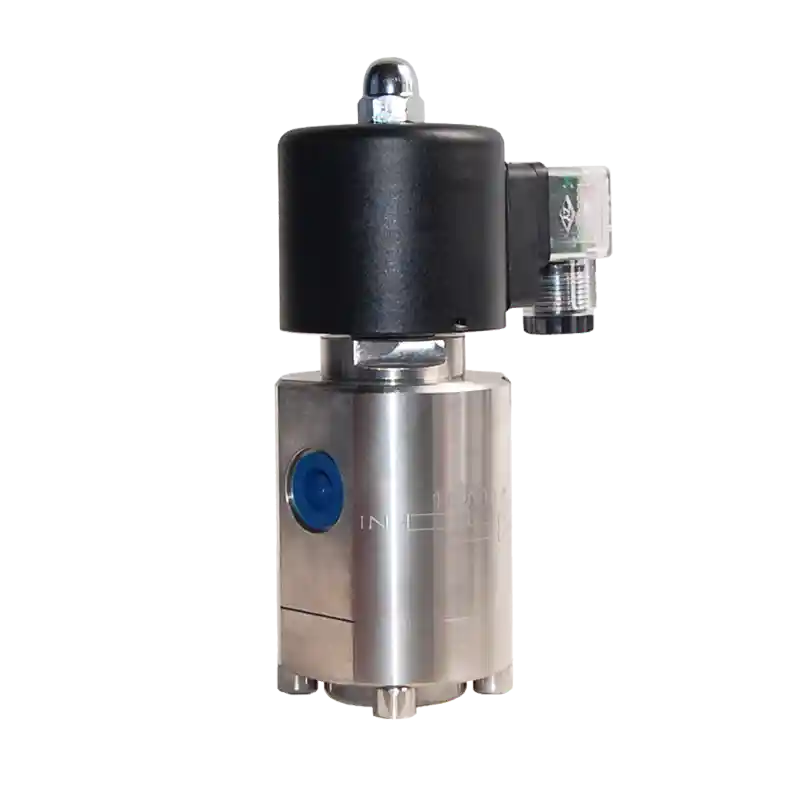
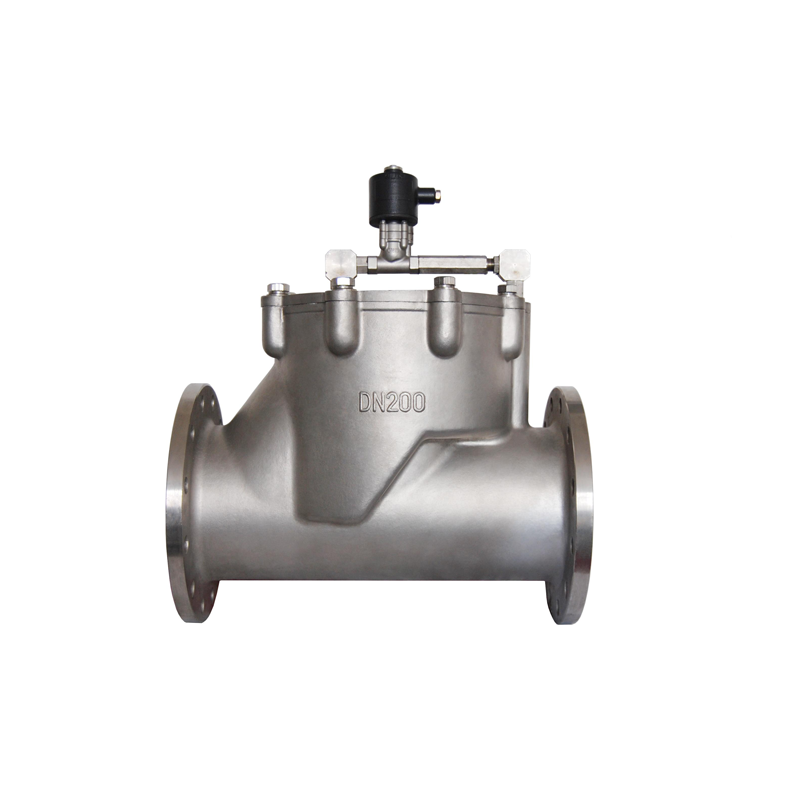
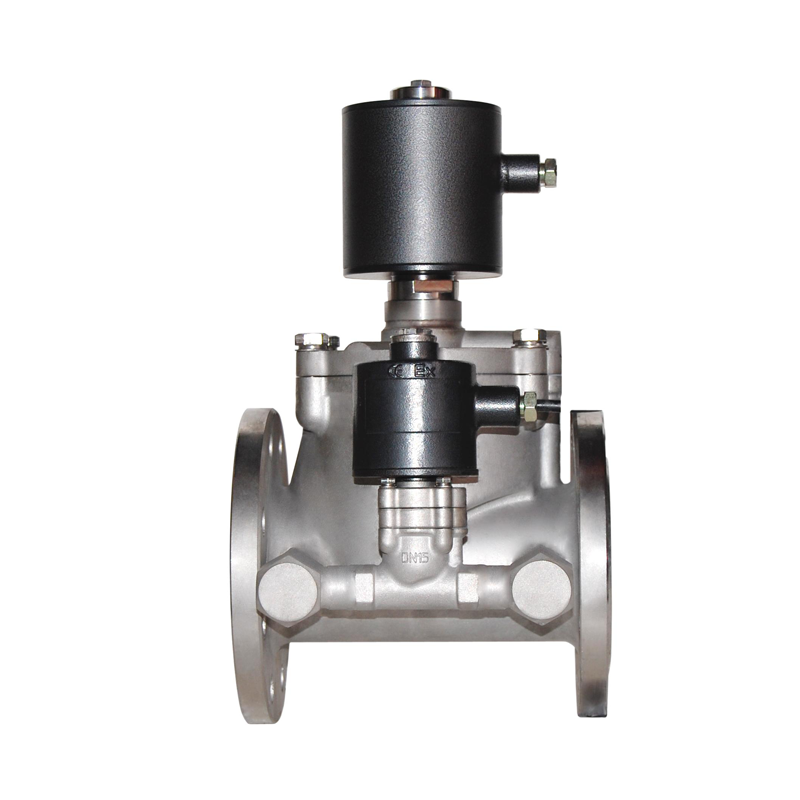
A high-pressure solenoid valve adopts a full piston structure, equipped with temperature-resistant, pressure-resistant, wear-resistant and corrosion-resistant sealing materials. Adopting arc-shaped precision threads and plane sealing design, it boasts universal compatibility. Benefiting from the professional piston structure, the valve delivers high sensitivity, superior tightness, ultra-long service life and zero leakage performance.
Our high-pressure solenoid valves are widely applicable to diverse industries and scenarios, including water supply and drainage, medical & healthcare, food processing, metallurgy, petrochemical, tobacco manufacturing, fire-fighting equipment, building automation, power equipment, textile humidification, packaging machinery, marine engineering, cleaning equipment, drying systems, as well as filling and metering systems.
2. Key Features
Ultra-high Pressure Resistance & Zero External LeakageFeatured with a premium piston structure, the valve achieves excellent sealing performance under ultra-high pressure conditions. The integrated cylindrical 304/316 stainless steel valve body eliminates external leakage risks completely, ensuring stable operation in harsh high-pressure environments.
Wear-resistant & Stable Valve CoreThe full stainless steel piston-type valve core is highly resistant to wear and medium erosion, maintaining consistent working performance for a long time. The professional piston ring design effectively avoids jamming caused by medium impurities, reducing failure rate and maintenance cost.
Pressure-boosted Tight Sealing (Zero Internal Leakage)Based on engineering physical principles, the sealing piston realizes adaptive pressure reinforcement — the higher the working pressure, the tighter the sealing effect. This unique design thoroughly prevents internal leakage and guarantees reliable sealing performance in full pressure range.
3. Technical Parameters
| Parameter Item | Specification |
|---|---|
| Nominal Diameter | DN0.5~DN100 (G1/8"~4") |
| Principle & Structure | Direct-acting piston type, pilot piston type |
| Applicable Medium | Gas, water, oil and other conventional media |
| Operating Pressure | 0~260Mpa |
| Medium Temperature | -196~+450℃ |
| Material | 304, 316, 316L stainless steel |
| Connection Method | Threaded, flanged, welded, union connection |
| Control Mode | Normally Open (NO), Normally Closed (NC), self-holding |
| Power Supply Voltage | AC220V, DC24V, DC12V (custom special voltages available) |
| Protection Performance | Waterproof, explosion-proof, corrosion-proof |
| Installation Method | Horizontal, vertical (customizable) |
| Special Functions | Ex explosion-proof (ExdⅡCT5, ExdⅡCT6), manual control, signal feedback |
4. Working Principle
4.1 Normally Closed (NC)
When the coil is energized, the pilot valve core is magnetically attracted to open the pilot hole, releasing pressure from the upper chamber of the valve body. Driven by the medium pressure in the lower chamber, the piston moves upward to open the solenoid valve, allowing medium circulation.
When the coil is de-energized, the return spring resets the pilot valve core to close the pilot hole. The medium enters the upper chamber through the piston orifice to build up pressure. Combined with the thrust of the return spring, the piston is pressed down to close the valve tightly.
4.2 Normally Open (NO)
When the coil is energized, the pilot hole is closed by the pilot valve core. The upper chamber accumulates pressure via the piston orifice, and the return spring provides auxiliary thrust to push the piston down, so the solenoid valve closes and cuts off medium flow.
When the coil is de-energized, the pilot valve core resets under spring force to open the pilot hole. The pressure in the upper chamber is released instantly, and the medium pressure in the lower chamber pushes the piston upward to open the solenoid valve and resume medium circulation.
5. Installation and Maintenance Guidelines
1. Before installation, fully inspect the valve nameplate parameters (including voltage, temperature resistance, applicable medium and working pressure) to ensure full compliance with on-site working conditions.
2. On-site installation must strictly follow the national electrical safety regulations for explosive and hazardous areas to ensure operational safety.
3. Fix the solenoid coil firmly and reliably. The standard three-pin plug adopts professional wiring: top pin for grounding wire, left and right pins for working wires.
4. Thoroughly clean the internal pipeline before installation to remove dirt, welding slag and impurities, avoiding valve blockage.
5. For medium containing fine impurities, install a 0.5μm density filter screen at the valve inlet to protect the valve core and extend service life.
6. Align the arrow mark on the valve body with the actual medium flow direction during installation to ensure normal valve operation.
7. Horizontal installation with the coil facing upward is the optimal mounting way for stable performance and easy maintenance; vertical installation is acceptable on demand.
8. Electrical components of the solenoid valve shall not be disassembled by non-professional personnel to avoid equipment damage and safety hazards.