


Miro Pressure Regulator
Miro Pressure Regulator: Definition, Features, Parameters & Applications
1. Definition of Miro Pressure Regulator
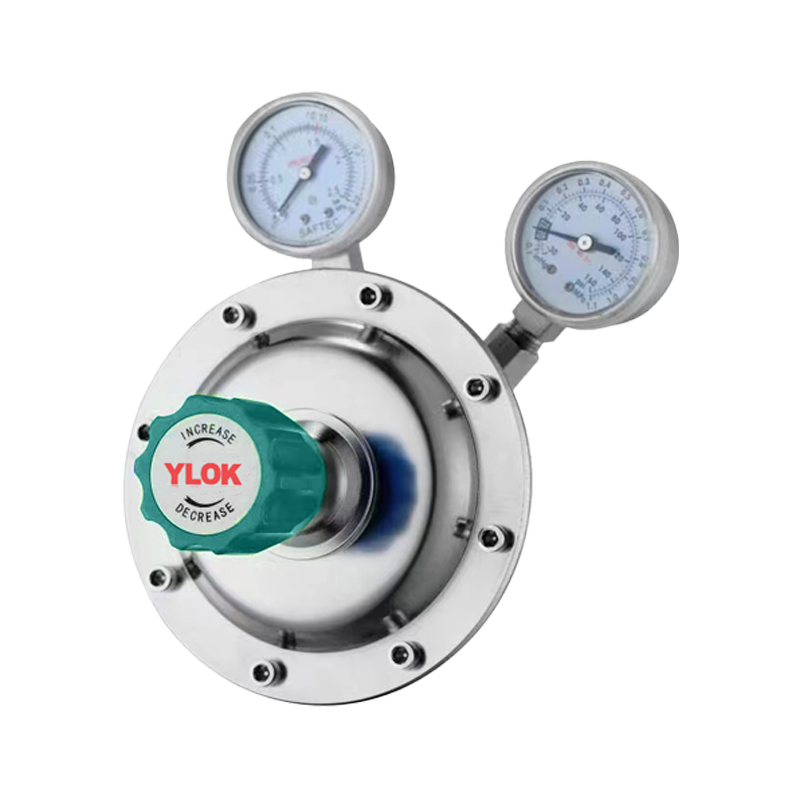
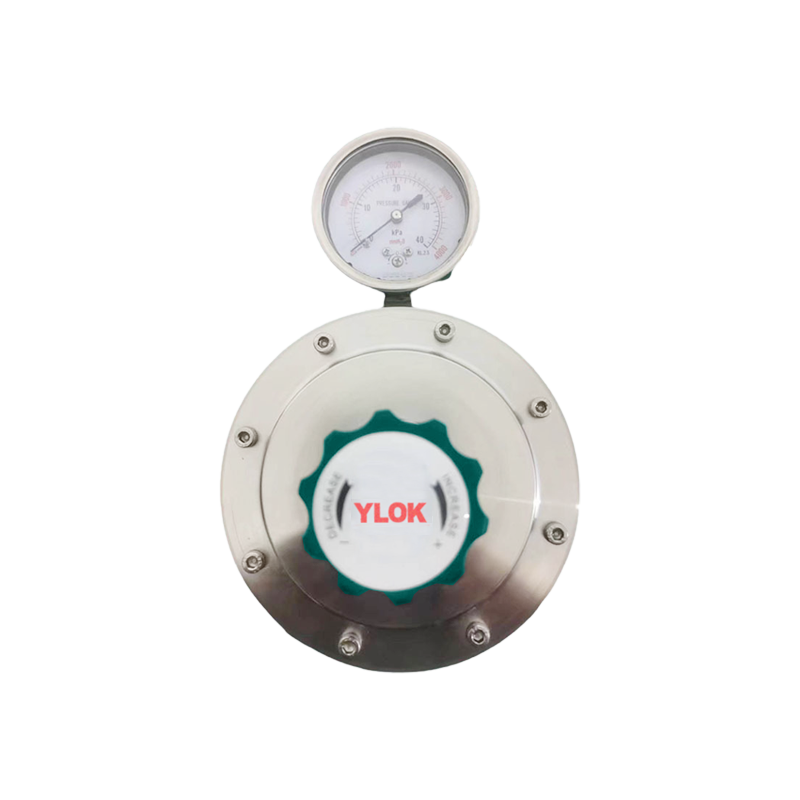
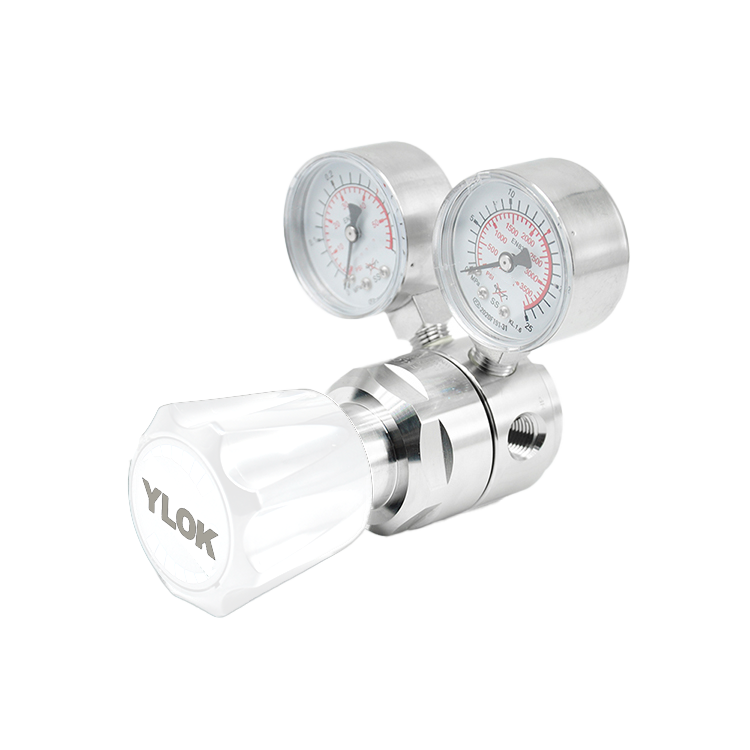
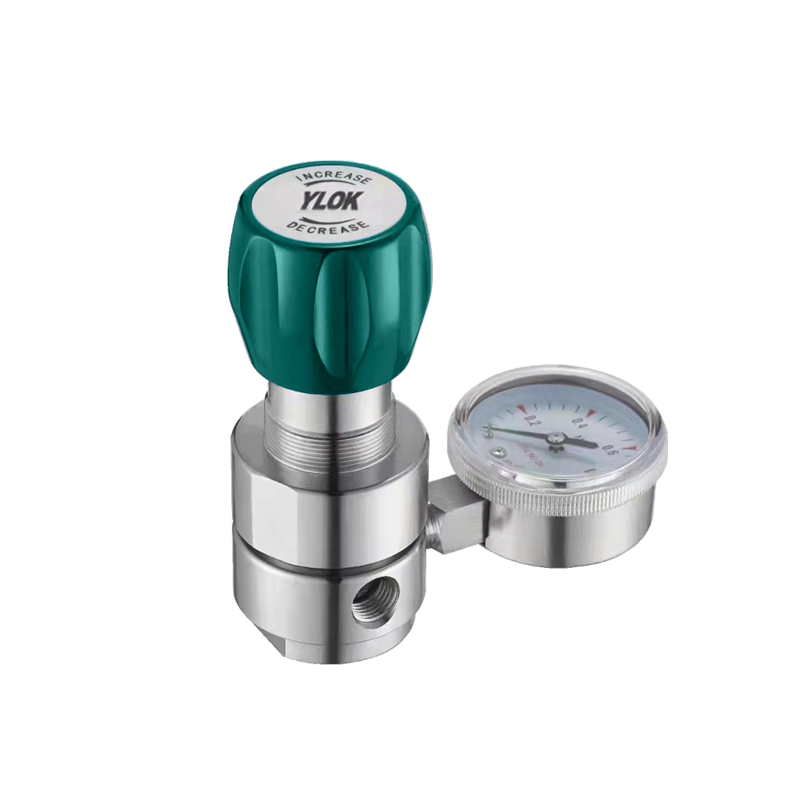
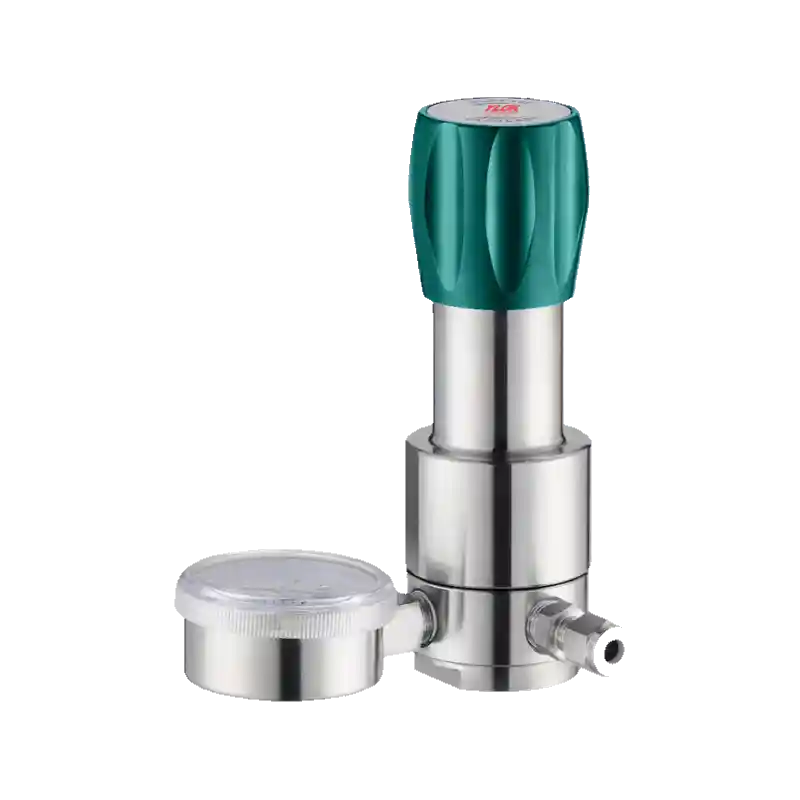
Miro Pressure Regulator, also known as Miro Pressure Regulating Valve or Miro Pressure Reducer, is a type of pressure regulator specifically designed for ultra-low pressure applications. It delivers extremely stable outlet pressure. Adopting a single-stage diaphragm pressure reducing structure, it uses rubber and PTFE diaphragms for pressure transmission. It is mainly applied in low to medium flow gas systems, and there are also ultra-low pressure liquid pressure regulators suitable for liquid systems.
2. Product Features
Suitable for ultra-low pressure control scenarios.
Single-stage pressure reducing structure.
Adopts large-area diaphragm design.
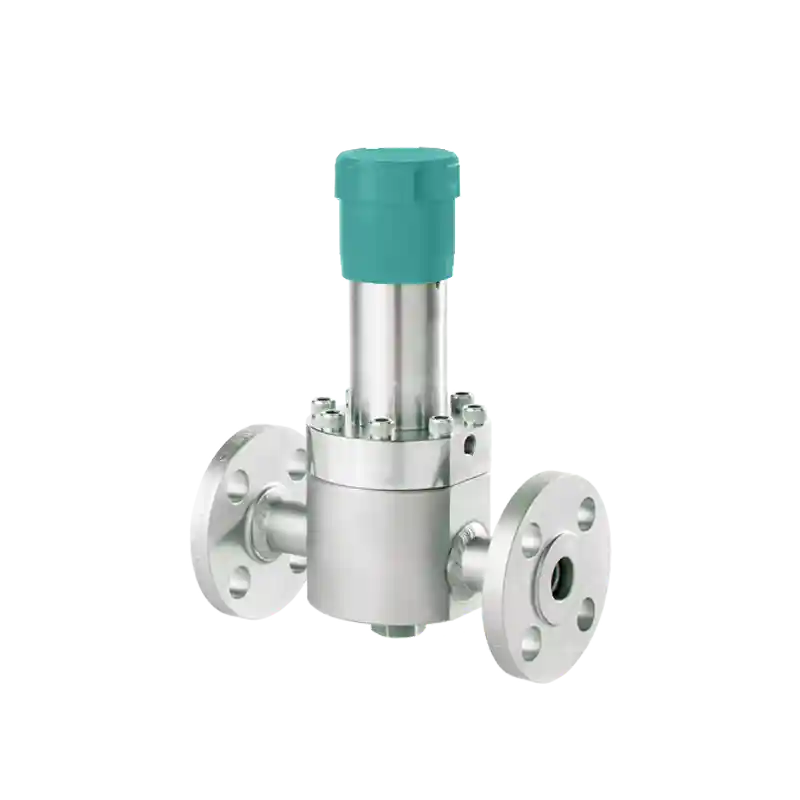
Body threads: Inlet and outlet ports with sizes of 1/4", 1/2", 3/4", and 1-2"NPT (F), as well as flange connections.
Built-in filter screen.
Available for panel-mounted or wall-mounted installation.
3. Technical Parameters
Parameter Name | Specifications |
|---|---|
Product Name | Miro Pressure Regulator |
Inlet Port Size | 1/4" to 1-1/2"T |
Outlet Port Size | 1/4"NPT to 1-1/2"NPT |
Connection Type | NPT (F), NPT (M), ferrule fittings, welded fittings, and other types of fittings available as options. |
Inlet Pressure | 10Psi ~ 10000Psi |
Outlet Pressure | 0-2kPa, 0-5kPa, 0-10kPa, 0-20kPa |
Operating Temperature | -40℃ ~ +165℃ |
Flow Coefficient (CV) | 0.06 ~ 6.5 |
Leakage Test | Bubble test |
Weight | 1KG ~ 8.5KG |
Valve Body Material | SS316, SS316L |
Structure Type | Diaphragm type, piston type |
Suitable Medium | Gases, etc. |
Test Pressure | 1.5 times the maximum outlet pressure |
4. Application Fields
Gas manifolds, petrochemical industry testing equipment, gas purging systems, corrosive gases, specialty gases, high-purity gases, gas chromatographs, gas lasers, etc.
Leave Your Message
Products categories
-
High Pressure Regulator
-
Ammonia Gas Pressure Regulator
-
Micro-Pressure Back-Pressure Regulators
-
Stainless Steel Back-Pressure Regulators
-
Low-Pressure Back-Pressure Regulators
-
Hydrogen Back-Pressure Regulators
-
Gas Back-Pressure Regulators
-
Liquid backpressure regulators
-
High-Flow Backpressure Valves