


What is a Flowmeter?
1. Definition of Flowmeter
A flowmeter is an instrument used to measure the flow of fluid (liquid or gas) in a pipeline. It measures the volume or mass of fluid passing through a cross-section of the pipe per unit time. Flowmeters are widely used in industrial production, energy metering, environmental monitoring, commercial trade and other fields. They operate on various principles, determining flow based on the physical properties of the measured medium such as velocity, pressure, and temperature.
2. Types of Flowmeters
There are many types of flowmeters. Based on different measurement principles and application scenarios, they are mainly classified as follows:
Turbine FlowmeterUses a multi-blade rotor (turbine) to sense the uniform flow velocity of the fluid, deriving the flow rate or total volume. Features high accuracy, good repeatability, excellent zero-point stability, wide turndown ratio and compact structure.
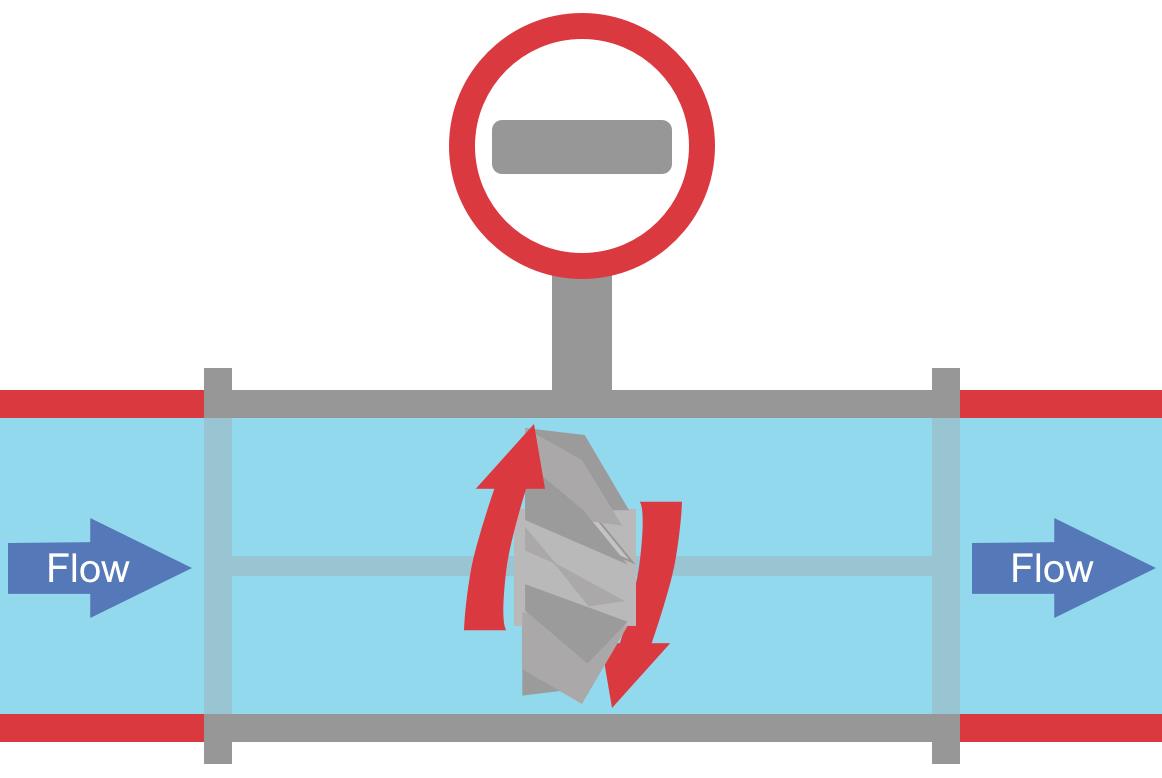
Impeller FlowmeterAn impeller placed in the measured fluid rotates under the impact of fluid flow, with the rotation speed reflecting the flow rate.
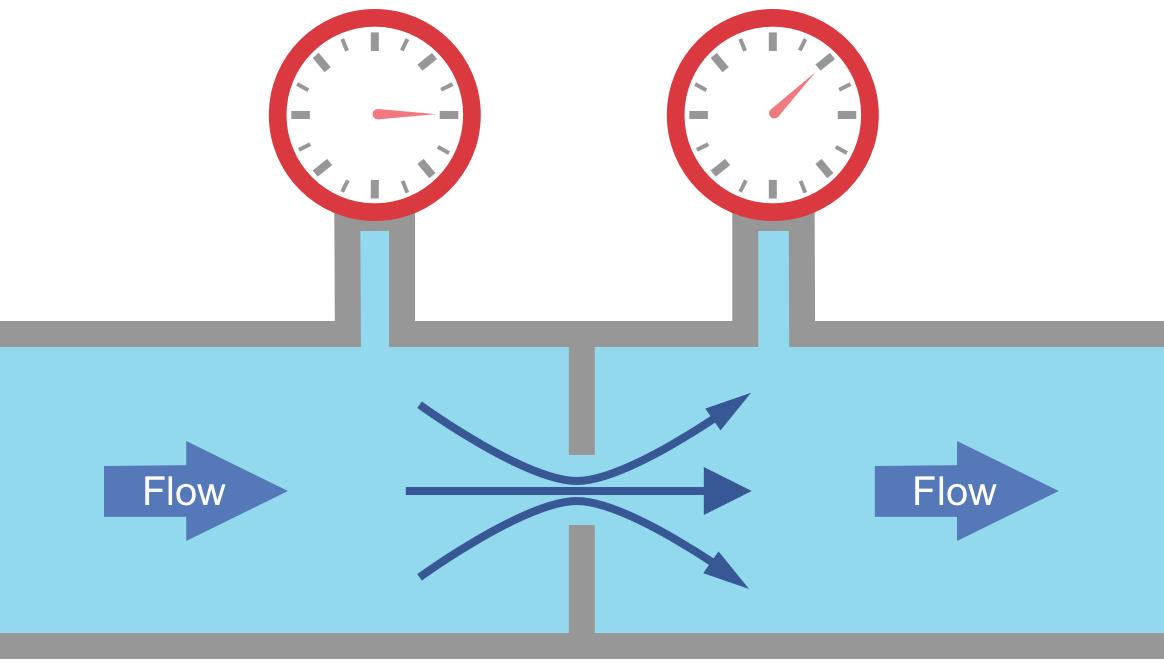
Differential Pressure FlowmeterCalculates flow based on the pressure difference generated by a flow detection element installed in the pipeline, known fluid conditions, and geometric dimensions of the detection element and pipeline. Includes orifice plates, Venturi tubes, and sonic nozzles.
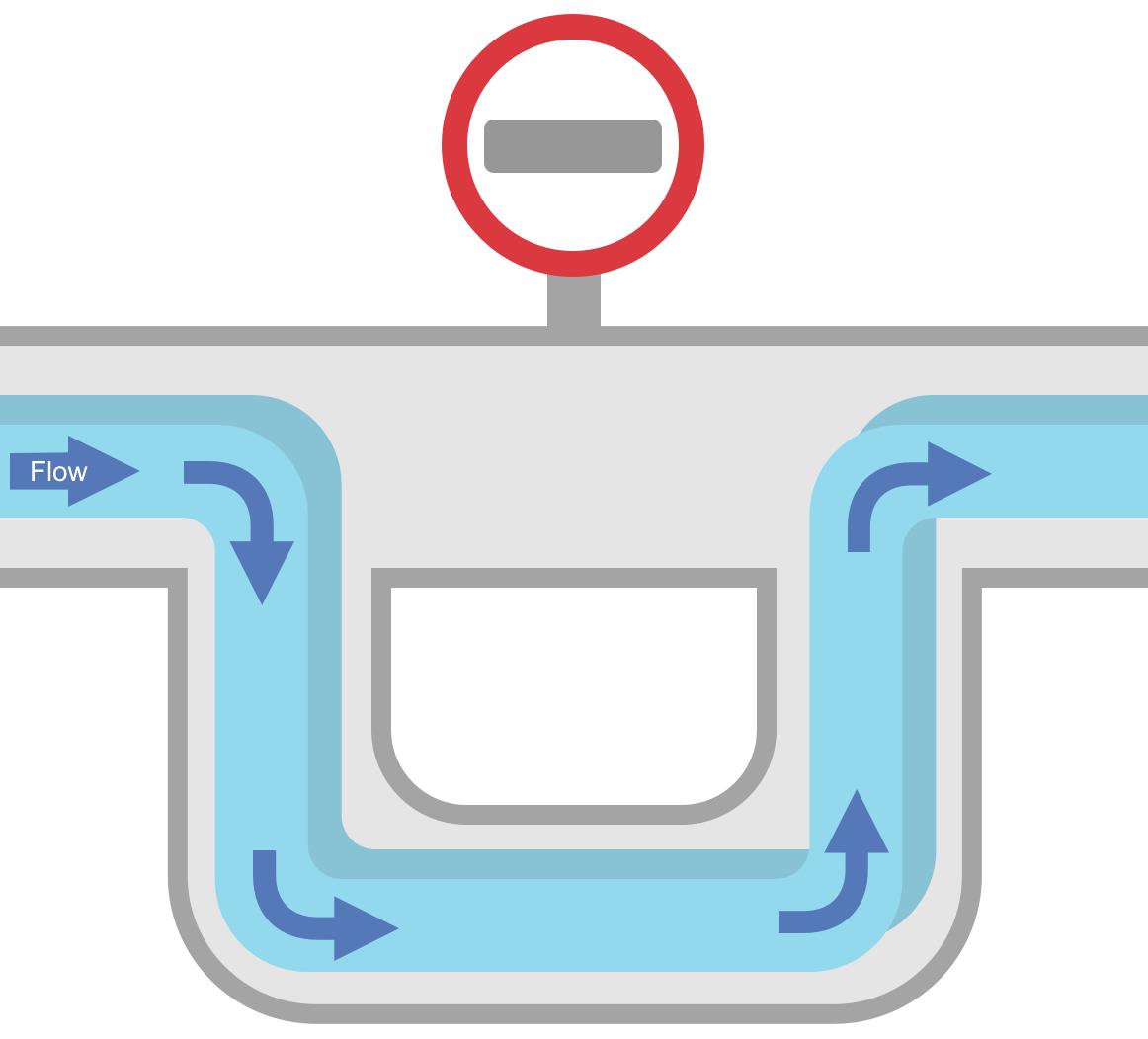
Positive Displacement FlowmeterUses mechanical measuring elements to continuously divide the fluid into single known volume portions. Total fluid volume is measured by counting how many times the measuring chamber repeatedly fills and discharges this volume portion.
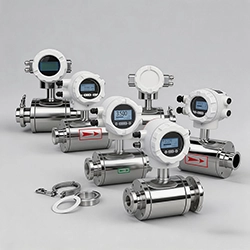
Electromagnetic FlowmeterSuitable for measuring industrial conductive liquids or slurries. No pressure loss, and measured values are unaffected by pressure and temperature.
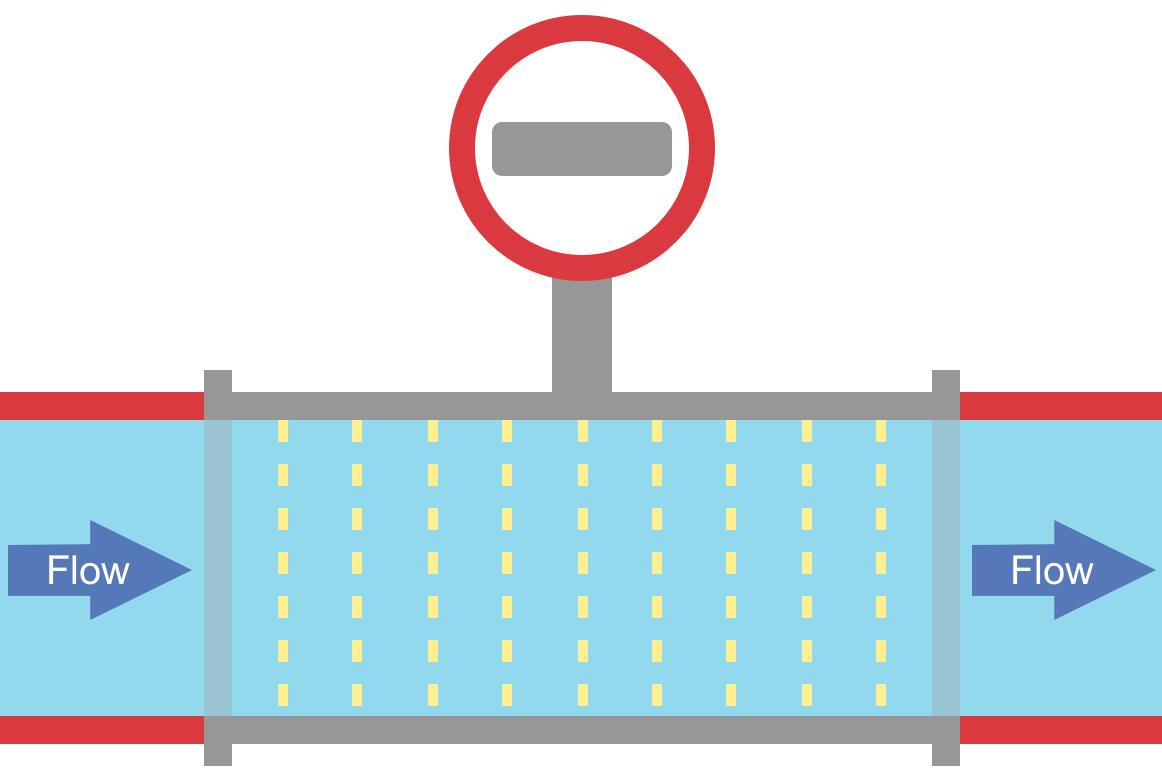
Fluid Oscillation FlowmeterIncludes vortex flowmeters, which measure flow based on fluid oscillation principles — for example, two rows of vortices proportional to flow velocity are alternately generated above and below a triangular bluff body.
Ultrasonic FlowmeterMeasures flow by detecting the effect of fluid flow on ultrasonic beams (or ultrasonic pulses). Suitable for measuring clean liquids and gases.
Float FlowmeterMeasures flow based on the position change of a float in the fluid. Suitable for small pipe diameters and low flow velocities.
Insertion & Probe FlowmetersThese flowmeters can be used for various pipe diameters, featuring simple installation and easy maintenance.
3. Working Principles of Flowmeters
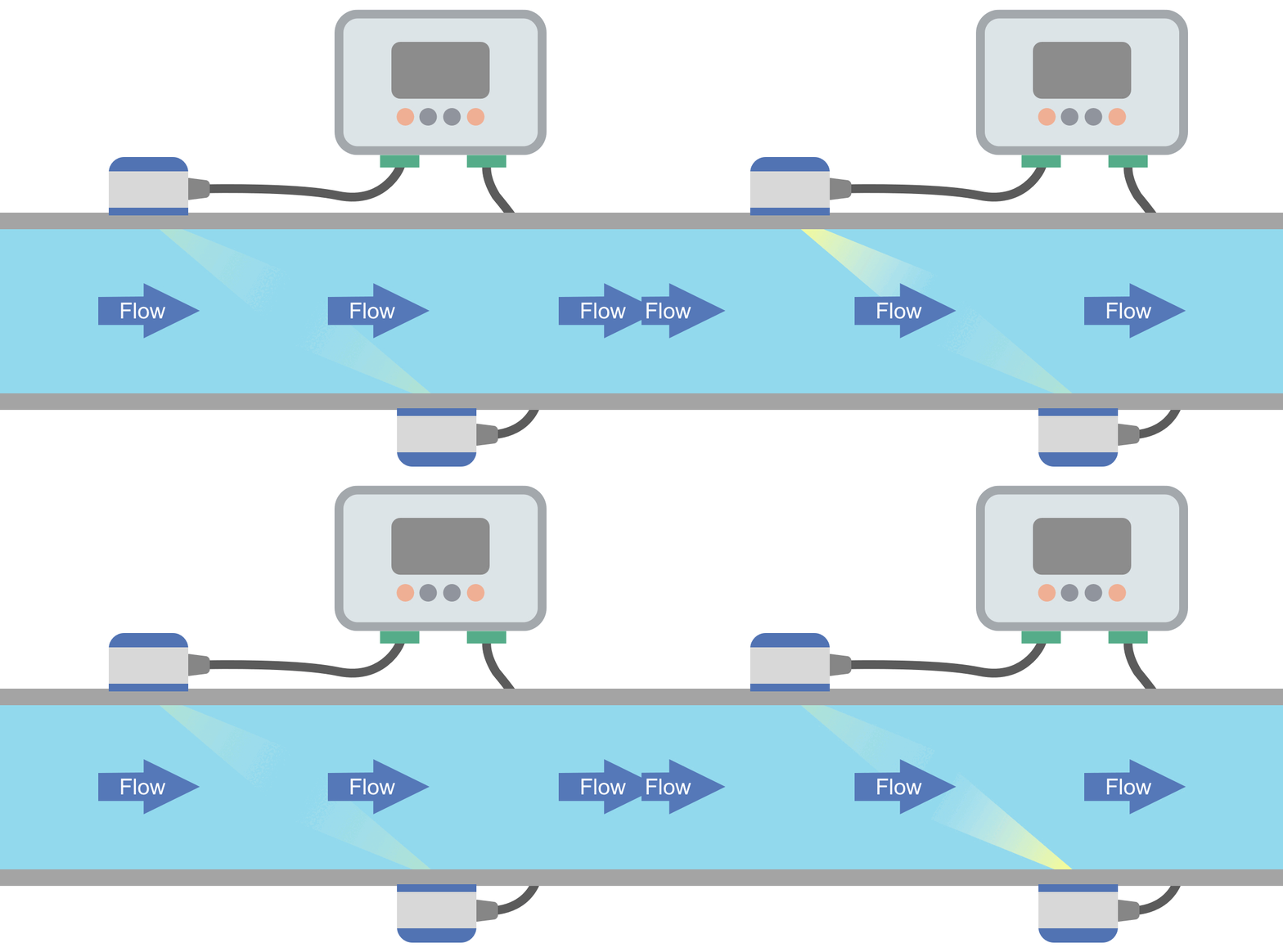
Ultrasonic Flowmeter
Probes (sensors) are installed on both outer sides of the pipe wall. Ultrasonic waves travel between the two probes in both downstream and upstream directions, creating a time difference proportional to the flow velocity, which is used to calculate the flow rate. Proper probe installation is critical for measurement accuracy. LORRIC patented probe clamp greatly improves installation convenience and measurement reliability.
Positive Displacement Flowmeter
Positive displacement flowmeters have a fixed small-volume space (called the measuring chamber) inside, and repeatedly calculate the fluid volume passing through this chamber to determine the flow rate. Gears (rotating parts) are installed inside the measuring chamber. When fluid passes through the flowmeter, a pressure difference is created between the inlet and outlet, driving the gears to rotate and continuously discharging fluid toward the outlet. Since the volume of the measuring chamber is fixed, the volume of fluid passing through can be obtained by counting the number of gear rotations. Generally, the gears require high chemical resistance. Positive displacement flowmeters feature large pressure differential, suitability for high-viscosity liquids, and high accuracy.
Turbine Flowmeter
A turbine is placed at the center of the flowmeter pipe. When fluid passes through, it exerts force on the turbine blade surfaces, causing rotation. At stable speed, the rotation is proportional to the flow velocity. A magnetic sensor detects pulse signals, and the sensor calculates the flow rate by converting the signals. RPM (revolutions per minute) is proportional to the flow rate, and total revolutions are proportional to the total flow volume.
Differential Pressure Flowmeter
Differential pressure (also called throttling) flowmeters measure flow using the pressure difference generated when fluid flows through a throttling device. Through precisely machined throttle openings, the pressure at the inlet and outlet is measured, and the flow rate is determined from the pressure difference. Flow velocity is also related to the throttle opening size.
Electromagnetic Flowmeter
Electromagnetic flowmeters apply the principle of electromagnetic induction, measuring the flow of conductive fluid based on the electromotive force generated when conductive fluid passes through an applied magnetic field. Coils installed on the pipeline generate a magnetic field. The fluid must contain charged ions. When the fluid passes through the magnetic field, deflection occurs, generating an electromotive force between both sides of the pipe. The electromotive force is proportional to the average flow velocity and is calculated to determine the flow rate.
Thermal Mass Flowmeter
Thermal mass flowmeters place two tubes (or other heatable elements) in the fluid. One is heated, and when fluid contacts the heated tube, it carries away heat from the tube, raising the fluid temperature. Flow rate is determined by measuring the temperature change of fluid passing through both tubes. This principle requires more time to reach a stable state.
4. How to Select a Flowmeter
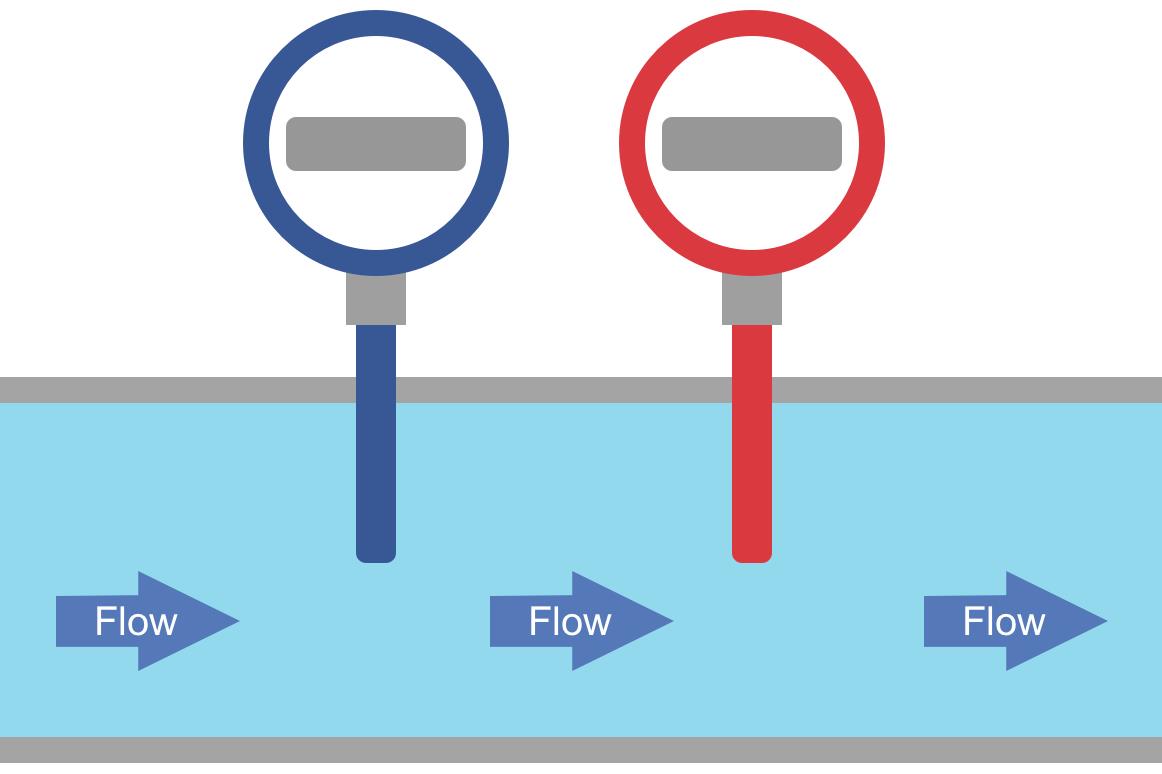
Key Selection Factors
Fluid Type: Confirm whether you need to measure liquid, gas, or steam. Different fluid types suit different types of flowmeters.
Fluid Properties: Consider viscosity, conductivity, chemical activity, temperature range, and whether the fluid contains solid particles or is corrosive. These properties help select appropriate materials for the flowmeter body, float, O-rings and other accessories.
Measuring Range: Determine the required flow range, including minimum and maximum flow values, such as 1.0~10LPM, 100~600LPM, 70-700NLPM, etc.
Pipe Diameter or Connection Specification: The size and model of the flowmeter must match the pipe diameter or connection specification to ensure accurate measurement and avoid installation compatibility issues. For example, when purchasing an area flowmeter, you need to know the connector size and specification, such as 1/2" male thread, 3/4" JIS tube fitting, etc., to meet installation requirements.
 What Are Creamic Lined Valves?
 How to Select High‑Pressure Ball Valves
 Gas Pressure Regulator Installation and Operation Instructions
 What is a Flowmeter?