


Gas Pressure Regulator Installation and Operation Instructions
Gas pressure regulators are widely used in laboratory and industrial production scenarios, specially matched with high‑pressure gas cylinders. They are suitable for working conditions with high cleanliness requirements such as high‑purity gas and corrosive gas. Standardized installation and operation can avoid gas leakage and consumable waste, and also prevent safety accidents. The complete operation procedures are explained below in an easy‑to‑understand way.
1. What is a Gas Pressure Regulator?
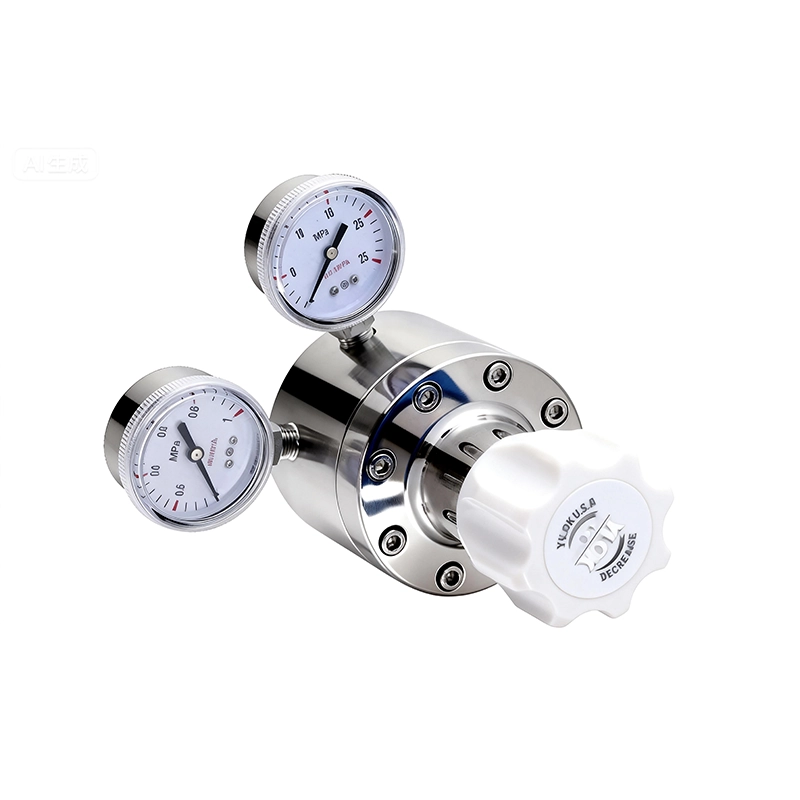
Stainless steel material: Most ordinary regulators on the market are made of brass with low cost. However, when exposed to corrosive gas or ultra‑high‑purity gas, they are prone to generate impurities and get corroded, affecting gas supply performance. This unit is commonly manufactured from 316L stainless steel with internal polishing treatment. It features corrosion resistance and no impurity generation to guarantee gas purity.
Two pressure gauges
High‑pressure gauge near gas cylinder: Check the remaining gas volume inside the cylinder.
Low‑pressure gauge near gas outlet: Display the actual working pressure delivered to downstream equipment.
Single‑stage pressure reduction: High‑pressure gas completes pressure drop inside the device in one pass. It has simple structure and large outlet flow. The disadvantage is that the output pressure will rise slightly as gas inside the cylinder is consumed, which basically has no impact on daily use.
2. Pre‑installation Preparation
1. Prepare Tools
Use fixed open‑end wrenches of matching size instead of adjustable wrenches. Adjustable wrenches are easy to slip, wear nuts and damage internal sealing parts. Prepare leak‑detecting liquid, or make foam water by mixing detergent with water for standby.
2. Inspect Gas Cylinder and Regulator
Do not mix regulators for different gases: Regulators for oxygen must never be connected with combustible gases such as hydrogen and methane, which is a mandatory safety requirement.
Clean the inlet and outlet ports of the regulator to wipe off dust and metal debris. Clean dry oil‑free compressed air can be used for blowing.
Critical operation: Turn the pressure‑adjusting handwheel counter‑clockwise until fully loosened without resistance. If installed under pressure, instant high‑pressure gas when opening the cylinder will damage internal components and burst the pressure gauges.
3. Installation Procedure
Step 1: Clean gas cylinder port
Stand at the side of cylinder valve instead of facing the gas outlet directly. Gently open the main cylinder valve and close it immediately after hearing short gas outflow. Use high‑pressure gas to blow away dust and impurities on the port. Important reminder: For highly toxic gas, strongly corrosive gas and hydrogen, direct venting purging is prohibited. Professional vacuum pumping or gas replacement shall be adopted for cleaning.
Step 2: Connect threaded port
Align regulator inlet with cylinder port. Tighten by hand only. Do not wrap PTFE tape or apply sealant. High‑pressure equipment relies on metal contact surfaces or special gaskets for sealing. Debris of PTFE tape falling inside will cause valve jamming. Stop immediately and realign if obvious jamming occurs during screwing. Forcible tightening will damage threads.
Step 3: Tighten with wrench
After hand‑tightening to stop, further fasten with open‑end wrench. For ports with sealing gaskets: apply moderate compression after resistance appears, avoid over‑tightening which may crush gaskets. For metal spherical surface ports: appropriately increase tightening force. Hold the regulator main body with one hand during fastening to prevent gauge rotation and collision damage to pressure gauges.
Step 4: Connect downstream pipeline
Connect outlet pipe, hose or fittings according to pipeline type. Place pipelines naturally, do not pull pipelines forcibly for docking to avoid future gas leakage.
4. Gas Supply Leak Detection & Pressure Adjustment
1. Open cylinder valve slowly
Confirm again that pressure‑adjusting handwheel is loosened. Stand sideways and open main cylinder valve slowly. Rapid inflow of high‑pressure gas will cause sharp temperature rise. Contact with grease or impurities may trigger explosion, especially for oxygen service. After high‑pressure gauge reading stabilizes, fully open the valve and turn it back half a circle to prevent valve jamming.
2. Leakage check
Apply foam water or leak‑detecting liquid evenly on connection between cylinder and regulator, two gauge ports and all downstream pipeline joints, observe for one minute. Continuous bubble formation indicates leakage. Never tighten joints under pressure! Close cylinder valve first, exhaust gas inside pipelines, wait until both pressure gauges return to zero, then re‑tighten and re‑check for leakage.
3. Adjust working pressure
After confirming no leakage, turn pressure‑adjusting handwheel clockwise slowly. The reading of low‑pressure gauge will rise gradually until reaching required pressure. When opening downstream equipment for gas consumption, slight drop of gauge reading is normal. Fine‑tune handwheel under normal gas output status to set pressure accurately to operating standard.
5. High‑risk Operation Prohibitions
Do not face pressure gauges directly when switching valves or adjusting pressure. Though gauges are explosion‑proof designed, broken internal parts may eject glass fragments at high speed and cause injury.
When using oxygen regulator, hands, wrenches and ports must be free of grease, lubricating oil and hand cream. High‑pressure pure oxygen will burn violently or explode when contacting grease. Oil‑free requirement must be followed for all oxygen‑related equipment.
Do not use pliers to force the pressure‑adjusting handwheel if it cannot be turned. Internal components are high‑precision. Forcible operation will cause uncontrolled gas leakage.
6. Daily Shutdown and Maintenance
Standard shutdown procedure (required after every use): Close main cylinder valve; open downstream valve to exhaust residual gas inside pipeline and regulator; wait until both pressure gauge pointers return to zero; fully loosen pressure‑adjusting handwheel counter‑clockwise. Long‑term service under pressure will age and deform internal springs and diaphragms, resulting in inaccurate pressure regulation and gas leakage.
Regular inspection and maintenance: Perform complete leak detection every half‑year for all joints. Stop using for repair or replacement under following conditions: pressure gauge pointer fluctuates abnormally; low‑pressure gauge pressure rises automatically after cylinder valve closed (internal leakage); pressure adjustment failure; abnormal noise occurs on equipment.
 What Are Creamic Lined Valves?
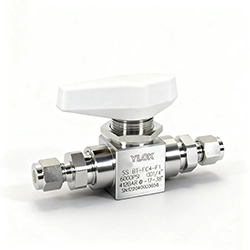 How to Select High‑Pressure Ball Valves
 Gas Pressure Regulator Installation and Operation Instructions
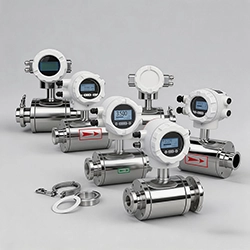 What is a Flowmeter?