


How to Select High‑Pressure Ball Valves
High‑pressure ball valves are widely applied in pipeline systems of petroleum, natural gas, chemical, power and other industries, normally used to control fluid flow rate, pressure and direction. As industrial equipment requires higher operating pressure, proper selection of high‑pressure ball valves becomes extremely critical. A well‑selected ball valve guarantees stable system operation and prevents safety accidents or production shutdown caused by valve failure. This article discusses how to select suitable high‑pressure ball valves according to system pressure requirements.
1. Understand System Working Pressure
The first step to select a proper high‑pressure ball valve is clarifying system working pressure, including system design pressure, maximum working pressure, operating temperature and other factors. Generally, the pressure bearing capacity of ball valves is closely related to material, structure and sealing design.
Design Pressure: It refers to the maximum pressure under normal system operation. When selecting ball valves, ensure the valve rated pressure meets or exceeds system design pressure. If the rated pressure of the ball valve is lower than system working pressure, valve rupture or leakage may occur and threaten overall system safety.
Maximum Working Pressure: This factor is particularly important especially when pressure fluctuation occurs in pipeline systems. The rated pressure of high‑pressure ball valve shall be higher than system maximum working pressure to avoid valve damage under sudden pressure variation.
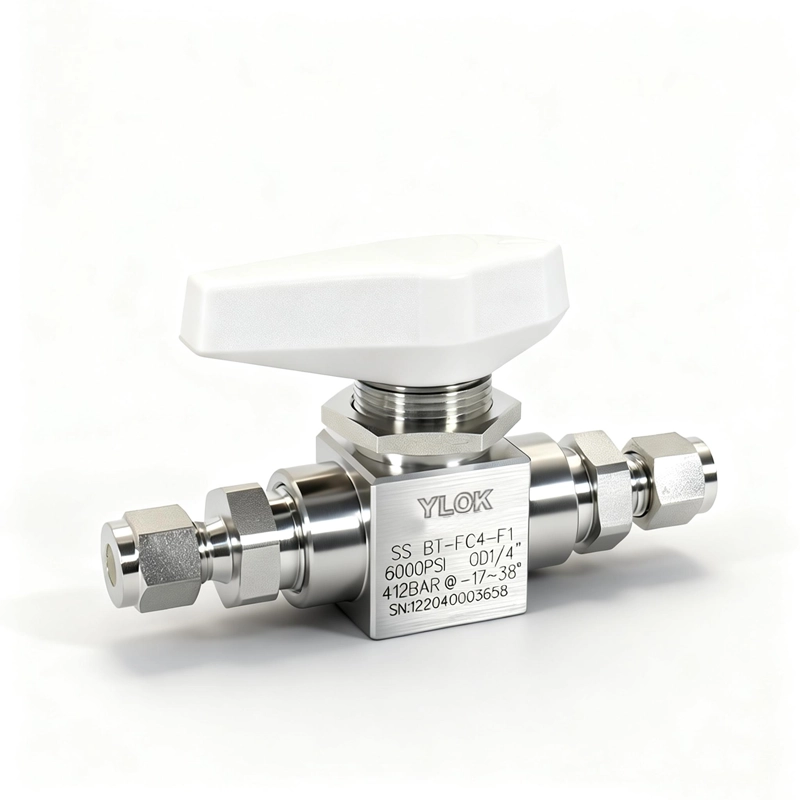
2. Select Proper Ball Valve Materials
Materials of high‑pressure ball valves directly determine performance under high‑pressure conditions. Materials shall feature high pressure resistance, corrosion resistance, high‑temperature resistance and wear resistance. Common ball valve materials include stainless steel, carbon steel, alloy steel and superalloy.
Stainless Steel: Suitable for most industrial environments, especially for corrosive fluids. Stainless steel ball valves deliver good pressure resistance and corrosion resistance under high‑pressure conditions and cope with various chemical media.
Carbon Steel: Suitable for mild fluid systems with high strength and wear resistance, yet less durable than stainless steel when handling strongly corrosive fluids.
Alloy Steel & Superalloy: For special requirements under high‑temperature and high‑pressure conditions, alloy steel and superalloy provide superior strength and temperature resistance for pipeline systems under extreme working conditions.
3. Select Proper Valve Body Structure
Valve body structure of high‑pressure ball valves shall be selected according to system pressure requirements. Valve body design and manufacturing process determine valve strength and sealing performance, and directly affect pressure bearing capacity.
One‑piece Valve Body: Mostly used for relatively low‑pressure systems. It features simple structure and low cost, yet bears higher risks under high‑pressure service.
Split Valve Body: This structural design withstands higher pressure and is widely used in high‑pressure pipeline systems. Its unique design enables the valve body to bear heavier working load and supports maintenance and component replacement when necessary.
Dual‑seat Design: High‑pressure ball valves usually adopt dual‑seat structure to improve sealing performance and pressure bearing capacity. Under high‑pressure working conditions, dual‑seat effectively reduces sealing leakage and enhances system reliability.
4. Select Proper Sealing Type
Sealing performance is critical for high‑pressure ball valves. Seal failure may result in system leakage and even hazards. Sealing design is closely associated with valve material, pressure, temperature and other parameters. Appropriate sealing type ensures reliable sealing performance under high‑pressure conditions.
Metal Seal: Suitable for high‑temperature, high‑pressure and heavily corrosive environments. Metal seal provides excellent pressure resistance and sealing performance and outperforms conventional soft seal under extreme working conditions.
Soft Seal: Applied for medium‑low pressure systems with favorable sealing effect. While its sealing capacity and durability may be limited under high‑pressure conditions, it is widely used in low‑pressure applications.
Composite Seal: Combined sealing structure of metal and soft materials, suitable for medium‑to‑high pressure pipeline systems with complex media, balancing sealing performance and service durability.
5. Confirm Valve Size and Flow Characteristics
Valve size and flow characteristics determine adaptability in pipeline systems. Make sure valve bore size and flow characteristics satisfy system fluid flow requirements during selection.
Valve Size: Valve size is normally selected according to pipeline diameter. Oversized valves may cause poor fluid flow, while undersized valves cannot handle system flow demand. Matching shall be completed based on pipeline dimension, fluid flow rate and flow velocity.
Flow Coefficient (Cv Value): Cv is a standard index for measuring valve flow capacity, representing maximum flow passing through the valve under specific pressure differential. Calculate required Cv value according to system flow demand so as to select correct valve model.
6. Select Appropriate Control Mode
High‑pressure ball valves can be controlled by manual, pneumatic or electric actuators. Reasonable control mode improves valve response speed and operation convenience, ensuring timely and accurate fluid flow adjustment.
Manual Control: Suitable for small‑flow and simple‑operation systems. Higher operating force is usually required for high‑pressure systems, not fit for frequent operation scenarios.
Pneumatic Control: Pneumatically actuated ball valves feature fast response, ideal for remote control and automatic systems, and widely adopted for applications requiring short response time.
Electric Control: Electrically actuated high‑pressure ball valves provide high precision for accurate flow regulation, applicable for high‑pressure systems requiring fine flow adjustment.
7. Consider Temperature, Media and Corrosive Environment
Besides system pressure requirements, evaluate medium temperature, chemical property and potential corrosion when selecting high‑pressure ball valves. Different media and temperature conditions raise diverse requirements for valve material, sealing design and sealing performance.
Temperature: Under high‑temperature service, valve materials and seals shall withstand high temperature. High‑temperature resistant materials such as superalloy and stainless steel guarantee long‑term stable valve operation.
Media Type: For corrosive media such as acid, alkali and chlorine, select corrosion‑resistant materials and sealing components including alloy steel, stainless steel and PTFE.
Fluid State: For gas, liquid or mixed media such as gas‑liquid two‑phase flow in pipelines, choose ball valves adaptable to such fluid status to ensure system stability.
8. Consider Valve Maintenance and Service Life
Maintenance cycle and service life are vital factors for high‑pressure ball valve selection. High‑pressure ball valves with long service life reduce system maintenance cost and downtime and support long‑term stable equipment operation.
The service life of high‑pressure ball valves is affected by material, sealing type, working environment and other factors. Regular inspection and maintenance effectively extend valve service life and lower unexpected failures.
Conclusion
To select suitable high‑pressure ball valves, you shall firstly figure out system working pressure, flow demand, medium property and working environment. Proper selection of valve body material, sealing type, valve size and flow characteristics ensures safe, stable and effective operation of high‑pressure systems. Scientific and reasonable selection improves system efficiency, cuts maintenance costs and extends equipment service life.
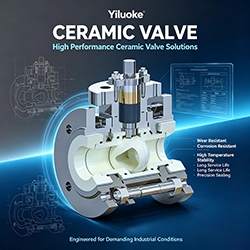 What Are Creamic Lined Valves?
 How to Select High‑Pressure Ball Valves
 Gas Pressure Regulator Installation and Operation Instructions
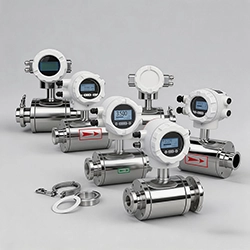 What is a Flowmeter?