


How to maintain a fully welded ball valve?
Daily Maintenance of Fully Welded Ball Valves
The professional maintenance work of fully welded ball valves before welding, before commissioning and after commissioning plays a crucial role in the normal production and operation of the valves. Correct, orderly and effective maintenance will protect the valves, enable them to function normally and extend their service life. Daily grease injection maintenance is a relatively important part of daily maintenance, and there are often overlooked aspects in the work.
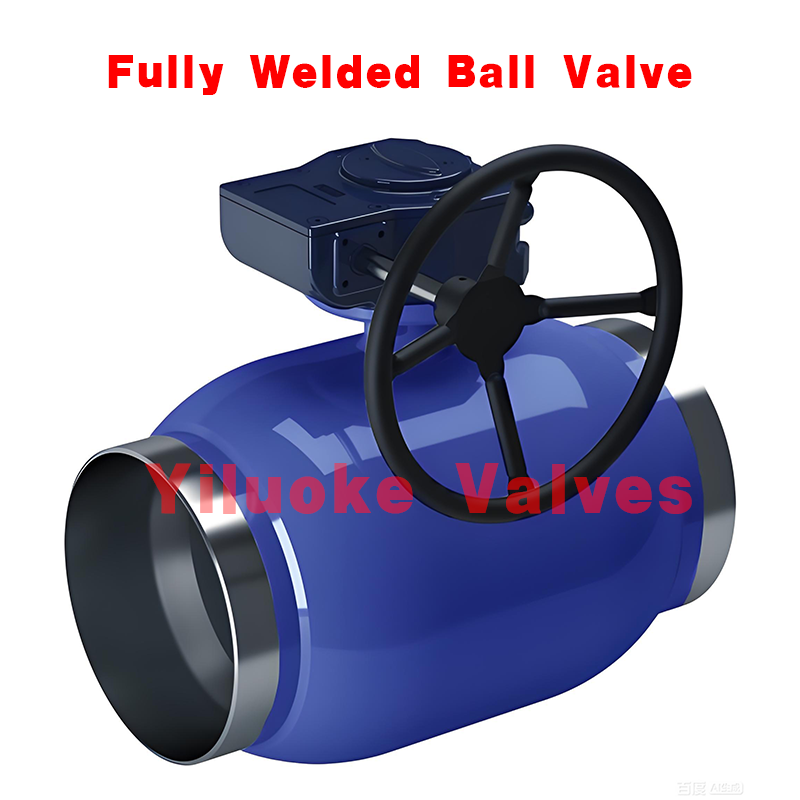
When injecting grease into the grease injection valve of a fully welded ball valve, the issue of grease injection volume is often ignored. After refueling the grease gun, the operator selects the grease injection valve and the grease injection connection method before performing the grease injection operation. During the grease injection process, on the one hand, insufficient grease injection will accelerate the wear of the sealing surface due to lack of lubricant. On the other hand, excessive grease injection will cause waste. The problem lies in the failure to accurately calculate the sealing capacity of different valves according to the nominal diameter of the valve, and then reasonably inject an appropriate amount of grease based on the calculated sealing capacity.
When injecting grease into the valve, pressure issues must also be considered. During the grease injection operation, the grease injection pressure changes regularly in peaks and valleys. If the pressure is too low, the seal will leak or fail; if the pressure is too high, the grease injection port will be blocked, the grease inside the seal will harden, or the seal ring will seize with the valve ball and valve plate. Usually, when the grease injection pressure is too low, most of the injected grease flows into the bottom of the valve cavity. Although this situation is most likely to occur in small gate valves, it may also happen in fully welded ball valves. When the grease injection pressure is too high, on the one hand, check the grease injection nozzle; if the grease hole is blocked, determine the situation and replace it. On the other hand, if the grease has hardened, use a cleaning solution to repeatedly soften the failed sealant and inject new grease for replacement. In addition, the seal model and seal material also affect the grease injection pressure. Different seal forms have different grease injection pressures; generally, the grease injection pressure for hard seals is higher than that for soft seals.
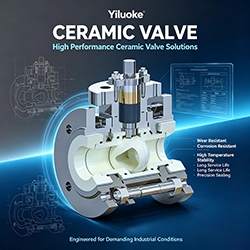 What Are Creamic Lined Valves?
 How to Select High‑Pressure Ball Valves
 Gas Pressure Regulator Installation and Operation Instructions
 What is a Flowmeter?