


Solenoid Valve Selection Guide
Solenoid Valve Selection Guide: Key Steps and Considerations
1. Selection of Solenoid Valves
Choosing the right solenoid valve is crucial for the stable and optimal operation of a system. Based on your specific needs, selecting the correct valve type is the key.
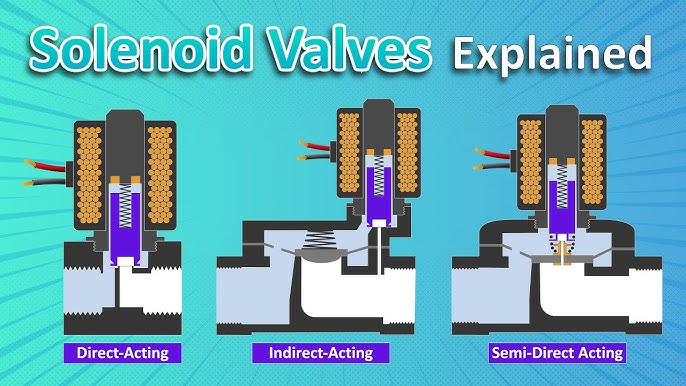
1.1 Step 1: Determine the Control Action – Number of Ports
First, you must ask yourself: What kind of fluid control "action" do I want to achieve?
If you only need to turn the fluid on or off (similar to a faucet), the most common 2-way solenoid valve should be selected.
If you need to change the direction of fluid flow, split the flow, or relieve pressure (exhaust), a 3-way solenoid valve is usually required.
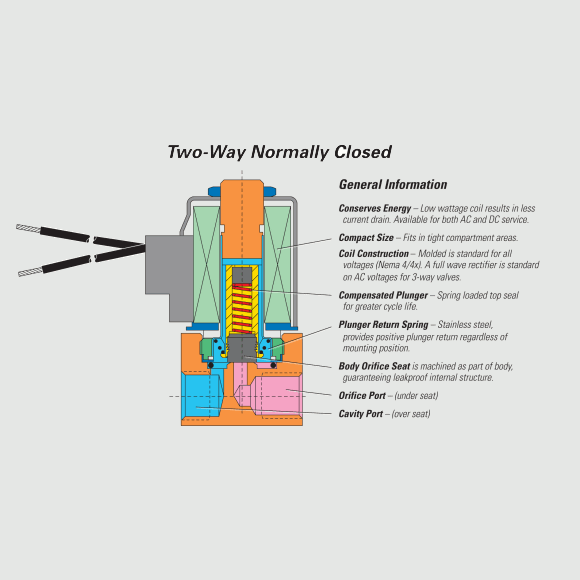
1.2 Step 2: Consider Safety and Energy Efficiency – Normally Open vs. Normally Closed
Next, think: What state should the valve be in when there is no power supply?
For most applications, for safety reasons, it is desirable that the fluid stops automatically when the valve is de-energized. For this purpose, a normally closed (NC) solenoid valve should be selected. This is the standard choice.
If your system requires fluid to flow most of the time, and keeping the valve open when de-energized is safer or more energy-efficient, a normally open (NO) solenoid valve is a better option
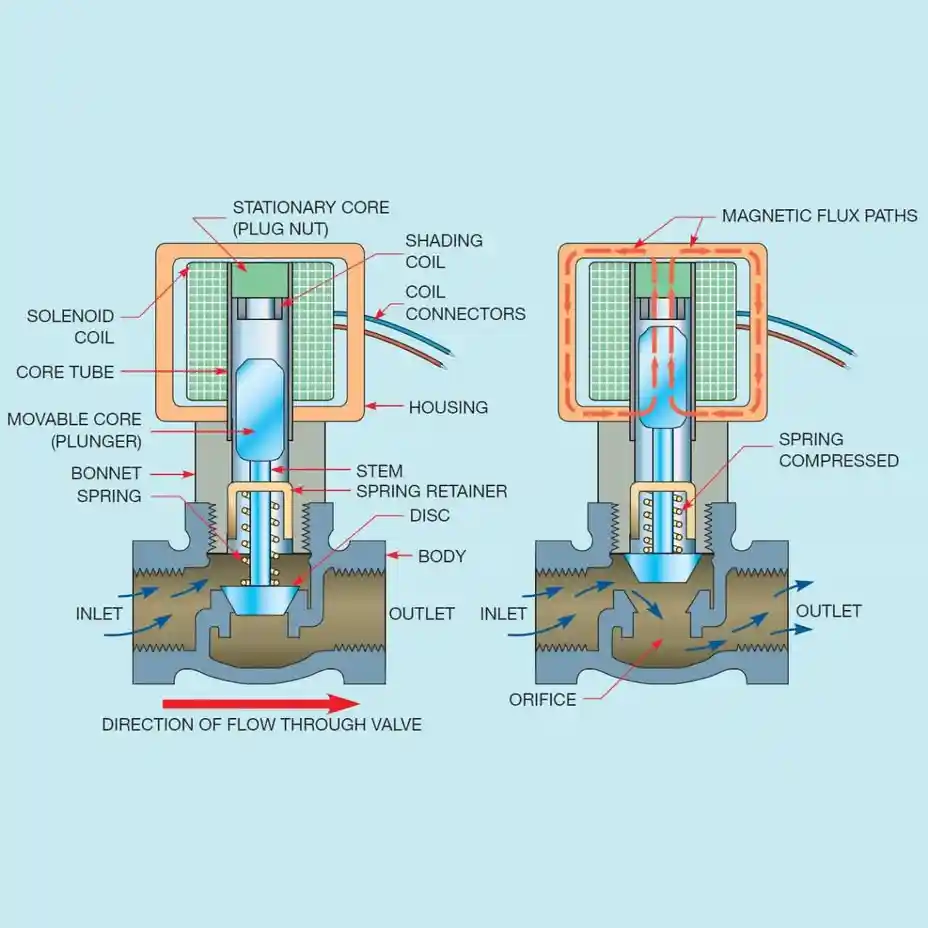
1.3 Step 3: Match Fluid Properties, Pressure, and Flow Rate – Operating Principle and Materials
Carefully examine the fluid’s properties, operating pressure, and flow rate. This helps you select the appropriate operating principle and materials:
For low-pressure, low-flow, vacuum applications, or scenarios requiring zero-differential-pressure start-up, a direct-acting solenoid valve is the best choice.
For high-pressure and high-flow applications, if the system has sufficient pressure difference, a pilot-type solenoid valve is more cost-effective.
The type and temperature of the fluid determine the materials to be used for the valve body and seals (e.g., special materials for metal-corrosive fluids or extremely high-temperature environments). This is the "material selection" process. Choosing the wrong material can damage the valve and prevent its long-term use—this is like putting the wrong fuel in a car.
1.4 Step 4: Confirm Electrical Parameters and Connection Method
Finally, check whether the solenoid valve is compatible with the power control system and how to connect it to the pipeline:
What voltage does the solenoid valve coil require (AC or DC)? This is the "power source" for the valve’s "brain" to function.
What is the size of the pipe connection? What type of threads or flanges are needed? This ensures the valve is installed in the piping system in the correct way.
Selecting the right solenoid valve from numerous types and parameters is critical to system performance and reliability. This requires not only an understanding of the valve itself but also leveraging the professional knowledge and experience of suppliers. Rich industry experience helps identify potential risks, and strict quality control ensures product reliability. Such professional selection support can help customers avoid costly mistakes in the early stages.
 What Are Creamic Lined Valves?
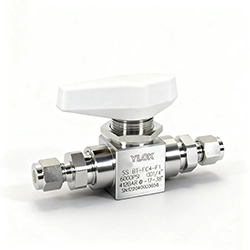 How to Select High‑Pressure Ball Valves
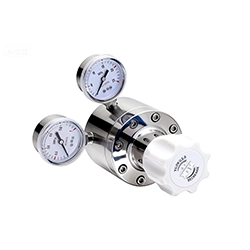 Gas Pressure Regulator Installation and Operation Instructions
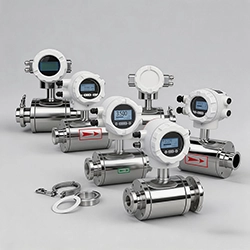 What is a Flowmeter?