


Trunnion-Mounted Ball Valves VS Floating Ball Valves
Differences Between Trunnion-Mounted Ball Valves and Floating Ball Valves
What are the differences between trunnion-mounted ball valves and floating ball valves?
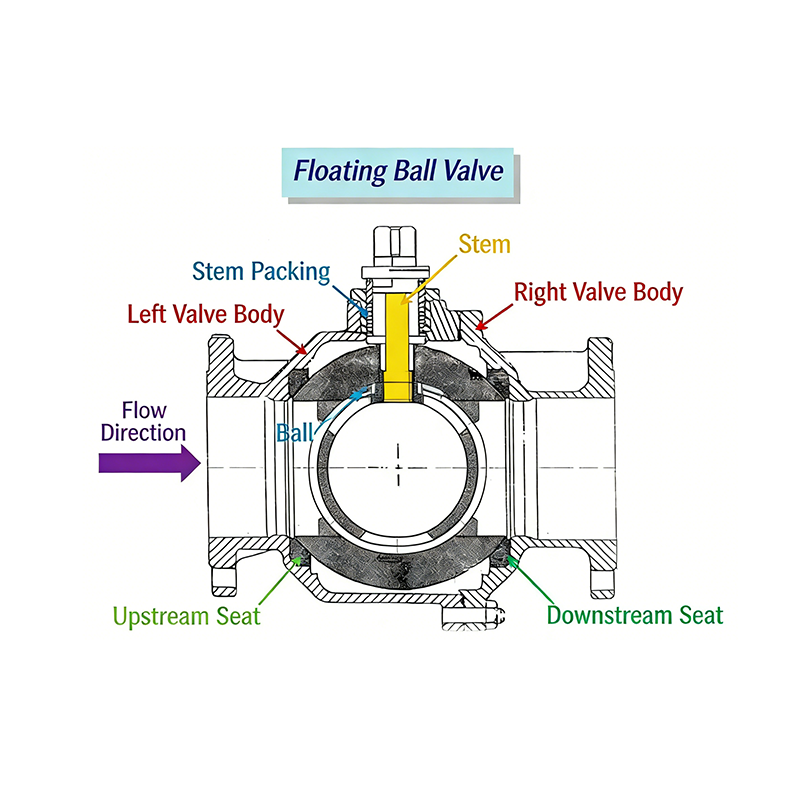
The ball of a floating ball valve is floating, which means that only a single valve stem is installed on the top. Under the action of medium pressure, the ball can produce a certain displacement and press tightly against the sealing ring at the outlet end to ensure the sealing of the outlet end, belonging to one-sided forced sealing. The structure of this type of ball valve is relatively simple, with low manufacturing cost, and it is widely used in process pipelines. Since the medium pressure compresses the valve seat for sealing, the design of the floating ball valve should focus on considering the material of the sealing ring to bear the medium load. Excessive medium pressure will affect the service life of the valve seat, and the ball can only have a slight offset. Therefore, floating ball valves are generally suitable for valves with a nominal diameter of DN200 or below and a nominal pressure not exceeding CLASS600Lb (10.0MPa).
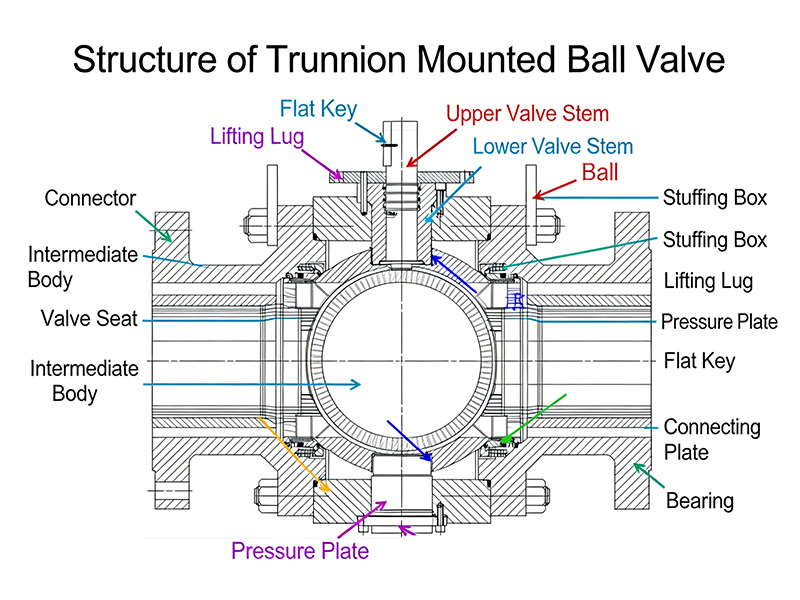
The ball of a trunnion-mounted ball valve is fixed in the middle of the valve body through upper and lower valve stems, and does not move when under pressure. The sealing of the trunnion-mounted ball valve is achieved by the plate spring or cylindrical compression spring on the sealing valve seat providing sufficient preload to ensure sealing, belonging to double-sided forced sealing. The ball is supported by upper and lower bearings, which reduces friction and eliminates excessive torque caused by the huge sealing load formed by the pressure pushing the ball and the sealing seat, making operation labor-saving. The trunnion-mounted ball valve has double-sided sealing, which will form a sealed cavity between the two sealing valve seats. To avoid danger, all trunnion-mounted ball valves must be designed with an automatic pressure relief function. That is, when the pressure of the stagnant medium in the valve cavity rises abnormally and exceeds the preload of the spring, the valve seat retreats from the ball to achieve automatic pressure relief, and the valve seat automatically resets after pressure relief. Due to its structural characteristics, trunnion-mounted ball valves are widely used in various process pipelines with large diameters and high pressures. Since upper and lower valve stems need to be assembled, only ball valves with a nominal diameter of DN50 or above can be produced; it is difficult to assemble if the nominal diameter is too small.
 What Are Creamic Lined Valves?
 How to Select High‑Pressure Ball Valves
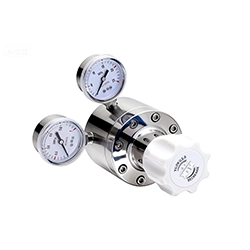 Gas Pressure Regulator Installation and Operation Instructions
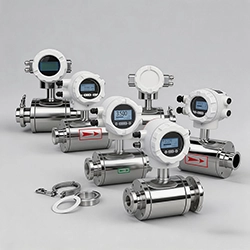 What is a Flowmeter?