


Types of Pneumatic Butterfly Valves
Pneumatic butterfly valves consist of pneumatic actuators and butterfly valve bodies. Structurally, they are divided into four categories: concentric, single-eccentric, double-eccentric and triple-eccentric pneumatic butterfly valves.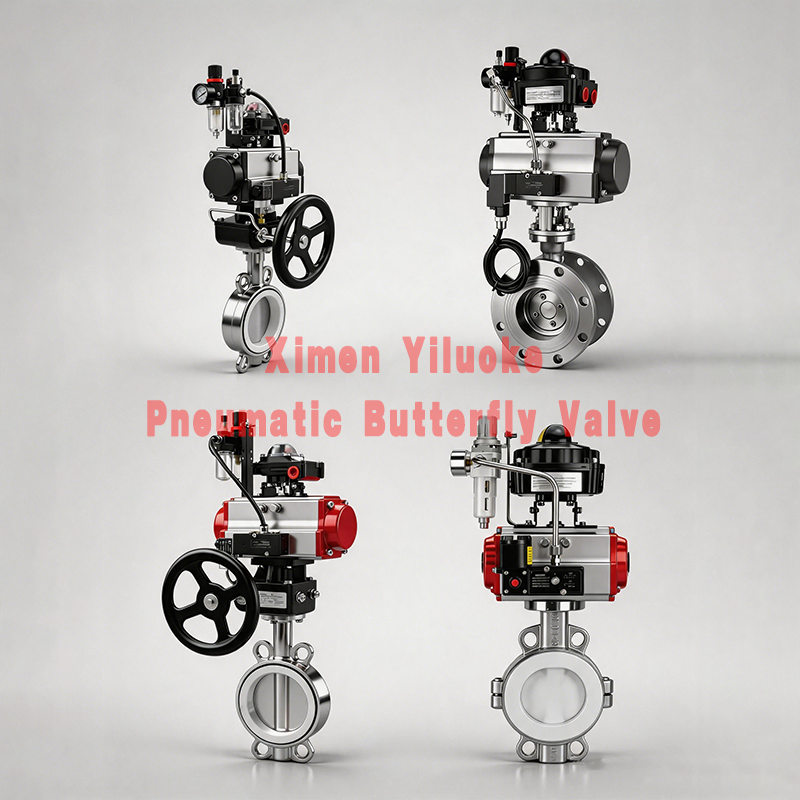
1. Concentric Pneumatic Regulating Butterfly Valve
The shaft center, disc center and body center stay on the same axis. It features simple structure and easy manufacturing, including common rubber-lined butterfly valves. The disc keeps squeezing and scraping against the seat, leading to large flow resistance and fast wear. Elastic materials like rubber and PTFE are adopted for sealing, which limits its applicable temperature range.
2. Single-eccentric Pneumatic Regulating Butterfly Valve
Designed to reduce extrusion between disc and seat. The valve shaft deviates from the disc center, easing excessive compression at disc edges. Scraping still exists during opening and closing. Its application scope is similar to concentric type, so it has limited usage.
3. Double-eccentric Pneumatic Regulating Butterfly Valve
Widely used after structural optimization. The shaft deviates from both disc center and valve body center. The disc separates from the seat quickly once opened, effectively reducing friction, abrasion and opening resistance, and extending service life. Metal seat can be adopted for high-temperature working conditions. It belongs to contact sealing mode, requiring high closing precision and bearing relatively low pressure resistance.
4. Triple-eccentric Pneumatic Regulating Butterfly Valve
Developed to balance high temperature resistance and zero leakage performance. On the basis of double eccentricity, the conical axis of sealing surface tilts away from body cylindrical axis, forming asymmetrical elliptic sealing cross section. Sealing mode changes from position sealing to torque sealing. It relies on contact pressure rather than elastic deformation to achieve tight shutoff. This design realizes zero leakage with metal seal, and performs well under high pressure and high temperature conditions.
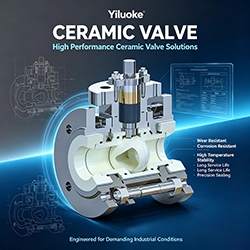 What Are Creamic Lined Valves?
 How to Select High‑Pressure Ball Valves
 Gas Pressure Regulator Installation and Operation Instructions
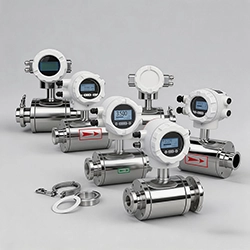 What is a Flowmeter?