


What are U-Type Sanitary Diaphragm Valves?
U-Type Sanitary Diaphragm Valve: Overview, Structure, Advantages & Maintenance
A U-Type Sanitary Diaphragm Valve is a special type of stop valve. Its opening and closing element is a diaphragm made of soft material, which separates the inner cavity of the valve body from the inner cavity of the valve cover. Its special U-shaped design endows it with unique advantages in industrial applications.
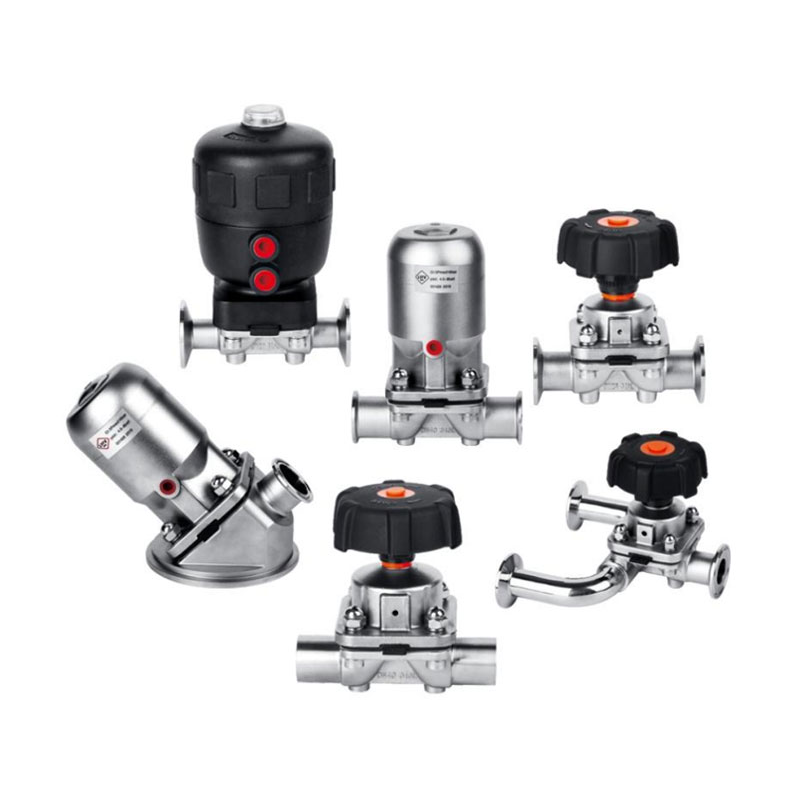
Structure of U-Type Sanitary Diaphragm Valve
Valve Body: Usually made of metal, such as stainless steel or cast iron, used to contain fluid.
Diaphragm: This is a key component, usually made of soft, corrosion-resistant materials (such as rubber or PTFE). It is shaped like the letter "U" with both ends fixed on the valve body.
Actuating Mechanism: Can be manual, pneumatic, or electric, used to control the position of the diaphragm, thereby regulating the flow of fluid.
Working Principle of U-Type Sanitary Diaphragm Valve
When the actuating mechanism moves the diaphragm upward, fluid can flow in from the bottom inlet, pass through one side of the diaphragm, and then flow out from the top outlet. When the diaphragm moves downward, the fluid is blocked, thereby realizing the closing function.
Advantages of U-Type Sanitary Diaphragm Valve
Since the diaphragm is soft, it is not sensitive to particles and impurities in the fluid, making it particularly useful in fluids containing solid particles.
The U-shaped design increases the contact area of the diaphragm, making it more sealed and reducing the possibility of leakage.
The flexibility of the diaphragm also means that the valve will not cause water hammer effect when closing.
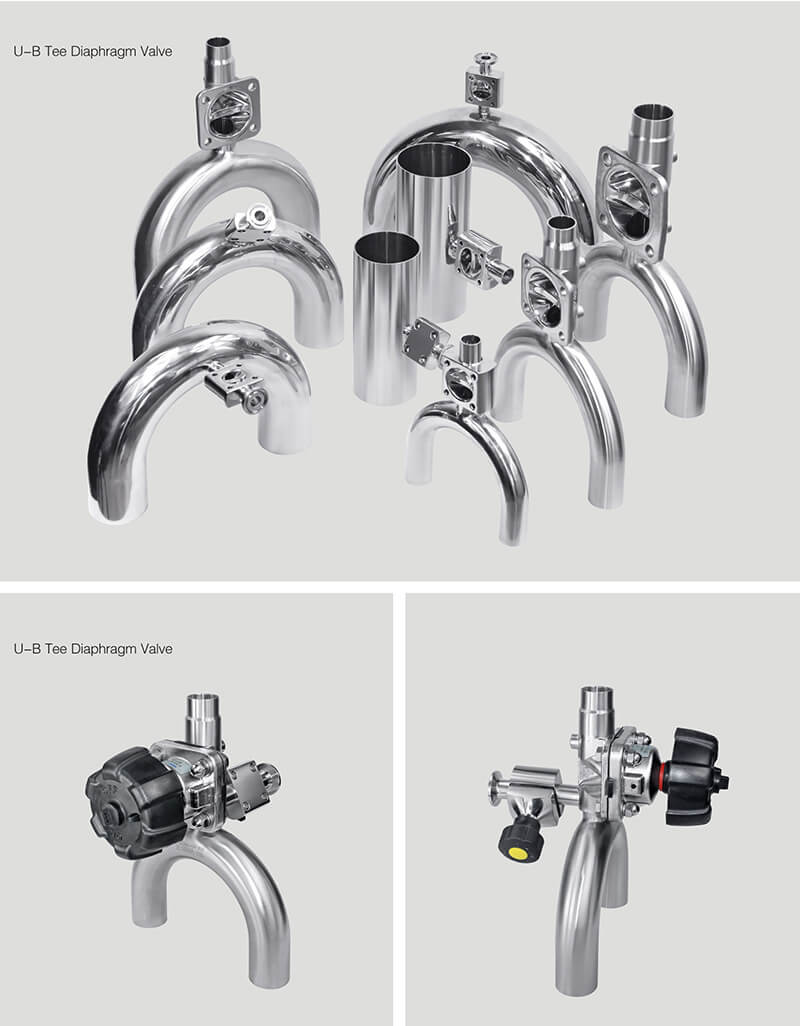
Maintenance Methods of U-Type Sanitary Diaphragm Valve
The maintenance methods of U-Type Sanitary Diaphragm Valve include regular cleaning, checking diaphragm wear, proper storage, lubrication protection, preventing long-term pressure, and avoiding improper operation, etc.
Regular Cleaning
Disassembly and Cleaning: It is necessary to regularly close the diaphragm valve and disassemble it from the pipeline system for cleaning.
Use of Cleaning Agents: Clean the valve body and diaphragm with appropriate cleaning agents and soft brushes.
Attention to Protecting the Diaphragm: Operate carefully during the cleaning process to avoid damaging the diaphragm.
Rinsing with Clean Water: After cleaning, rinse thoroughly with clean water, and ensure all components are dry before reinstallation.
Checking Diaphragm Wear
Regular Inspection: Since the diaphragm is the core sealing element of the diaphragm valve, its wear condition must be checked regularly.
Timely Replacement: Once cracks, deformation, or severe wear of the diaphragm are found, a new diaphragm should be replaced immediately to maintain the sealing performance of the valve.
Proper Storage
Dry and Ventilated Environment: Unused diaphragm valves should be stored in a dry and well-ventilated indoor environment.
Preventing Mechanical Damage: During storage or transportation, avoid the diaphragm valve from being impacted or in contact with other hard objects to prevent damage to valve parts and rubber lining.
Sealing Protection: Both ends of the passage of the stored diaphragm valve should be sealed to prevent foreign objects from entering the inner cavity and damaging the sealing components.
Lubrication Protection
Rust Prevention Treatment: Remove dirt from metal processing surfaces and apply anti-rust oil to prevent rusting.
Lubricating Oil Cup: The oil cup should be regularly filled with lubricating grease to ensure smooth valve operation.
Avoid Grease Products: Do not apply grease products on the surface of the rubber lining or rubber diaphragm to avoid affecting the service life of the valve.
Preventing Long-Term Pressure
Slightly Open State: During storage or non-use, turn the handwheel counterclockwise to keep the valve in a slightly open state, avoiding the diaphragm from losing elasticity due to long-term pressure.
Avoiding Improper Operation
Verification Before Installation: Before installation, carefully check whether the pipeline operating conditions and medium are consistent with the applicable range of the valve to prevent unnecessary losses or accidents caused by improper selection.
Prohibition of Tying Slings: During transportation or installation, it is strictly prohibited to tie slings to the handwheel or valve stem to avoid damage.
 What Are Creamic Lined Valves?
 How to Select High‑Pressure Ball Valves
 Gas Pressure Regulator Installation and Operation Instructions
 What is a Flowmeter?