

What is a 3-Way 2-Position Solenoid Valve?
3-Way 2-Position Solenoid Valve: Working Principle and Structure
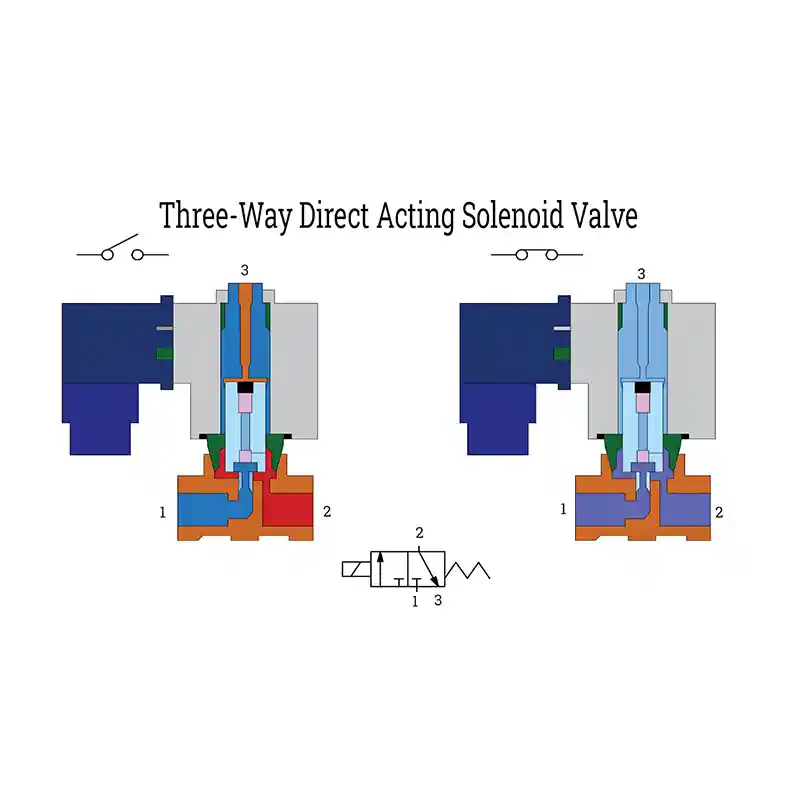
A 3-Way 2-Position Solenoid Valve is a type of solenoid valve with two ports and one control element. It mainly consists of an electromagnet, an iron core, a valve body, a sealing ring, and lead wires. When the electromagnet is energized, it generates a magnetic field that attracts the iron core and makes it move upward. At this time, the piston on the iron core moves downward, pressing the sealing ring tightly against the valve body to connect it with the lower port. Meanwhile, the upper port is disconnected from the valve body. When the electromagnet is de-energized, the magnetic field disappears, and the iron core returns to its original position due to its own weight. The piston rises, and the sealing ring is pulled apart, disconnecting the lower port from the valve body and connecting the upper port to the valve body. This cycle repeats to achieve the switching between the two ports.
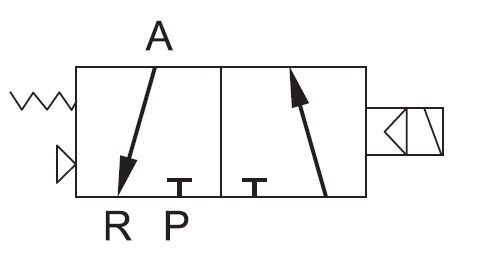
II. Structural Composition
A 3-Way 2-Position Solenoid Valve usually consists of the following components:
Electromagnet: The core component of the solenoid valve, composed of a coil and an iron core. When energized, it generates a magnetic field that attracts and moves the iron core.
Iron core: An important part of the electromagnet. When the electromagnet is energized, the iron core is attracted to move upward to control the opening and closing of the valve.
Valve body: The main part of the solenoid valve, composed of a valve and ports. The valve is usually a ball valve or plunger valve, which can control the on-off of the fluid.
Sealing ring: A key component to prevent fluid leakage, made of oil-resistant and wear-resistant materials.
The above is a summary of the working principle and structural composition of the 3-Way 2-Position Solenoid Valve. With a simple structure but powerful functions, it has the advantages of fast response speed, high precision, and convenient control. It is widely used in hydraulic, pneumatic, automatic control and other fields.
I have strictly followed your specified terminology and industrial technical document standards to ensure accurate and consistent translation. Do you need me to sort out a unified terminology comparison table for this document (including Chinese terms, English translations, and application scenarios) to facilitate your subsequent document management?
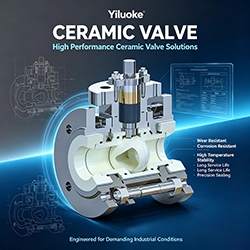 What Are Creamic Lined Valves?
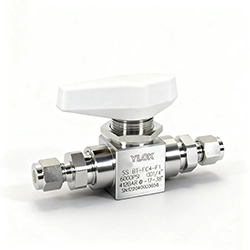 How to Select High‑Pressure Ball Valves
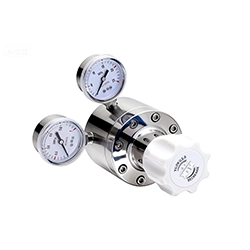 Gas Pressure Regulator Installation and Operation Instructions
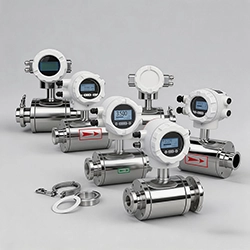 What is a Flowmeter?