


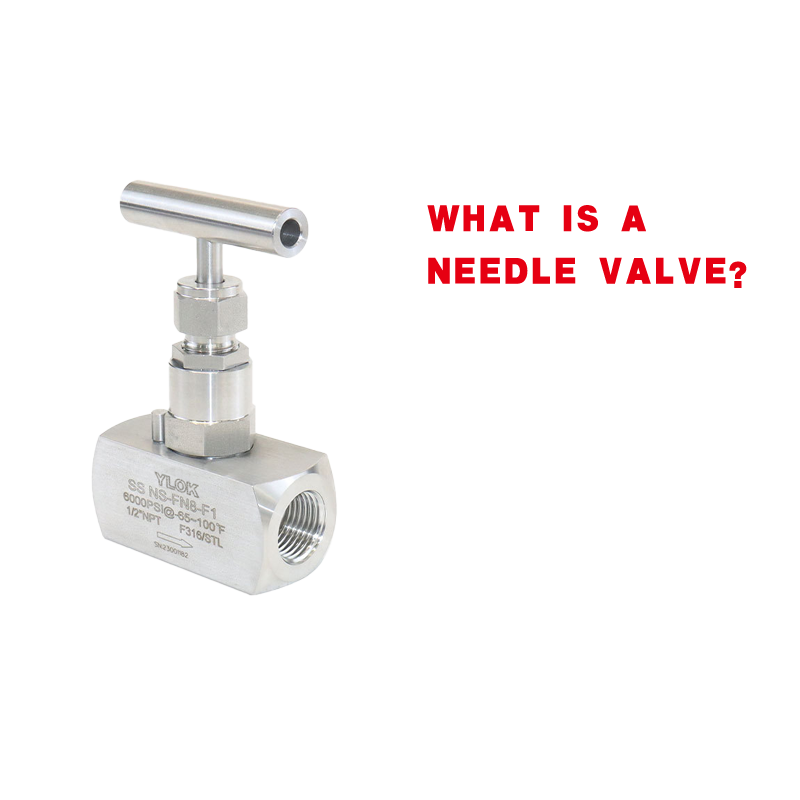
What is a Needle Valve?
Needle Valves: Definition, Working Principle, Structure, Applications & Precautions
I. Definition of Needle Valves
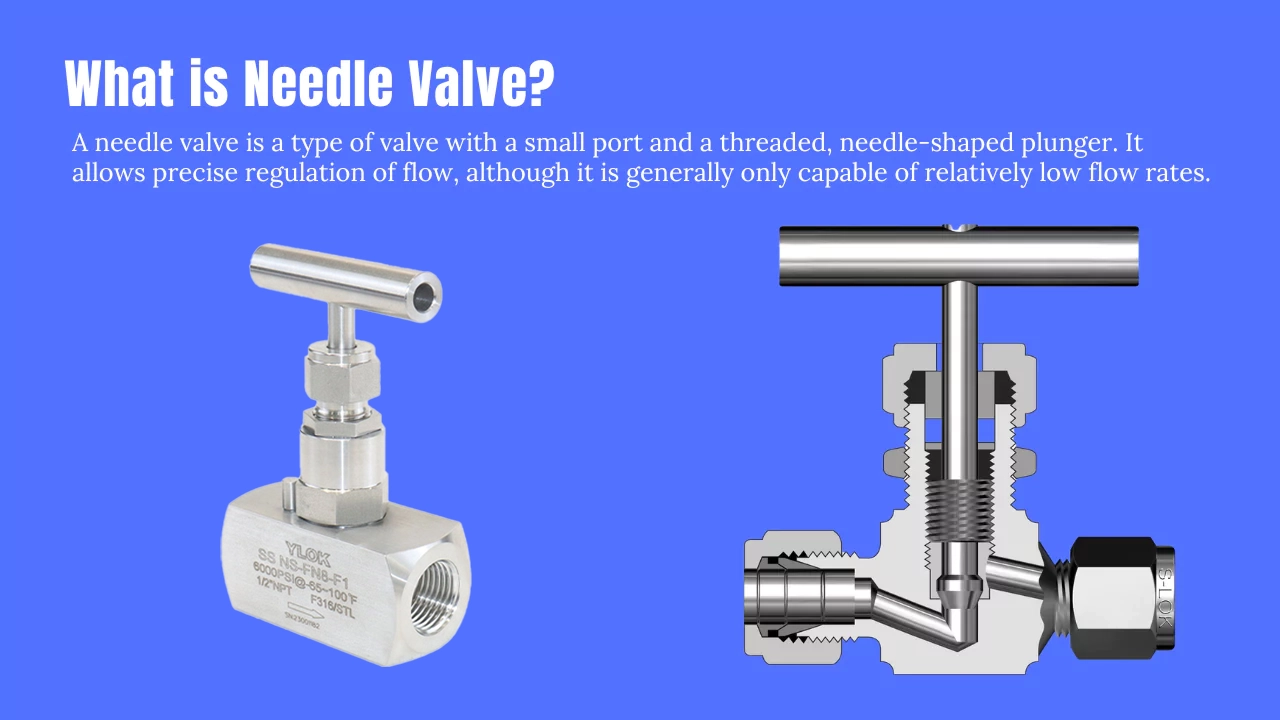
A needle valve is a precision control valve with a needle-shaped valve core. It adjusts the gap between the valve core and valve seat by rotating the handwheel to achieve fine, accurate control of fluid flow, and has both shut-off and regulation functions. Due to the small contact area between the sealing surfaces of the valve core and seat, it can achieve tight closure, and is often used in fluid systems requiring precise control of small flow rates and low pressure differences, such as instrument pipelines, laboratory equipment, and hydraulic systems.
II. Working Principle of Needle Valves
Needle valves control flow based on "gap adjustment": When the handwheel is rotated, it drives the needle-shaped valve core to move axially via the valve stem; rotating the handwheel clockwise moves the valve core toward the valve seat, narrowing the gap between them, reducing fluid throughput until complete closure to shut off fluid; rotating the handwheel counterclockwise moves the valve core away from the seat, widening the gap and increasing fluid throughput. The needle-shaped core enables slow, fine gap changes for accurate small-flow regulation, while the conical sealing design between the core and seat ensures leak-free closure.
III. Structural Composition of Needle Valves
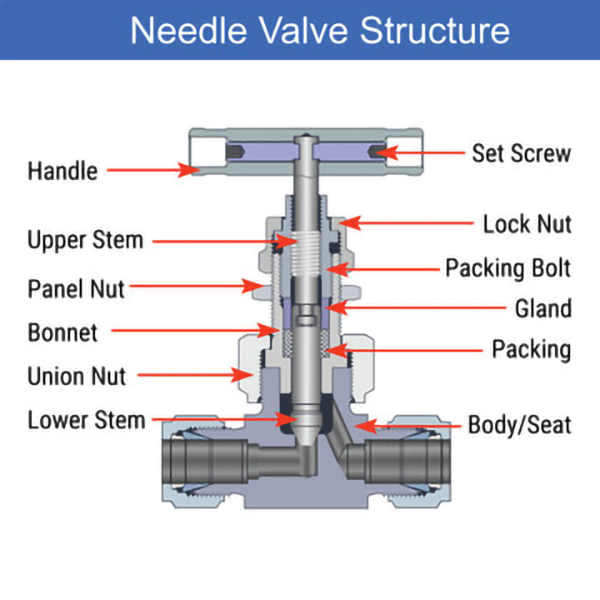
Needle valves mainly consist of six core components:
Valve body: Provides a fluid flow channel, usually made of corrosion-resistant materials such as stainless steel or brass;
Needle-shaped valve core: The core regulating component with a conical design for sealing, made of high-hardness materials (e.g., stainless steel) to improve wear resistance;
Valve seat: Cooperates with the core to achieve sealing, typically made of cemented carbide or stainless steel to enhance sealing performance and service life;
Valve stem: Connects the handwheel to the core, converting rotational motion into axial motion, with anti-corrosion treatment on the surface;
Handwheel: The operating component, usually made of plastic or metal, facilitating manual precise adjustment;
Sealing elements: Such as packing (graphite, PTFE) in the stuffing box, preventing fluid leakage from the valve stem.
IV. Application Scenarios of Needle Valves
Instrument pipeline systems: Used as shut-off or regulating valves for instruments such as pressure gauges and flowmeters, controlling fluid flow in instrument-connected pipelines to ensure accurate measurement;
Laboratory equipment: Used in chemical experiments and analytical instruments to precisely control the small-flow delivery of reagents and gases;
Hydraulic and pneumatic systems: Regulates the flow of control oil (air) circuits in the system to stabilize system pressure;
Petrochemical industry: Realizes precise fluid control in low-pressure, small-flow process pipelines, such as sampling pipelines and additive injection pipelines.
V. Precautions for Using Needle Valves
Select appropriate materials (e.g., stainless steel for corrosive fluids, brass for ordinary fluids);
Rotate the handwheel slowly during adjustment to avoid severe collision between the valve core and seat damaging the sealing surface;
Regularly check the wear of sealing elements and replace packing in time to prevent leakage;
Do not use in working conditions exceeding rated pressure and temperature to avoid valve body damage.
 What Are Creamic Lined Valves?
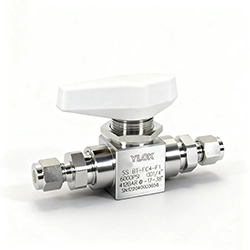 How to Select High‑Pressure Ball Valves
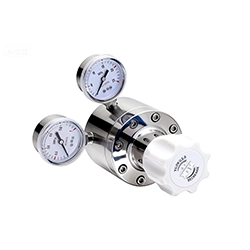 Gas Pressure Regulator Installation and Operation Instructions
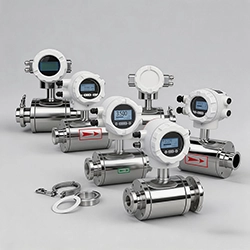 What is a Flowmeter?