


What is a Pressure Regulator?
Pressure Regulator: Definition, Working Principle, Types, Components & Precautions
1. What is a Pressure Regulator?
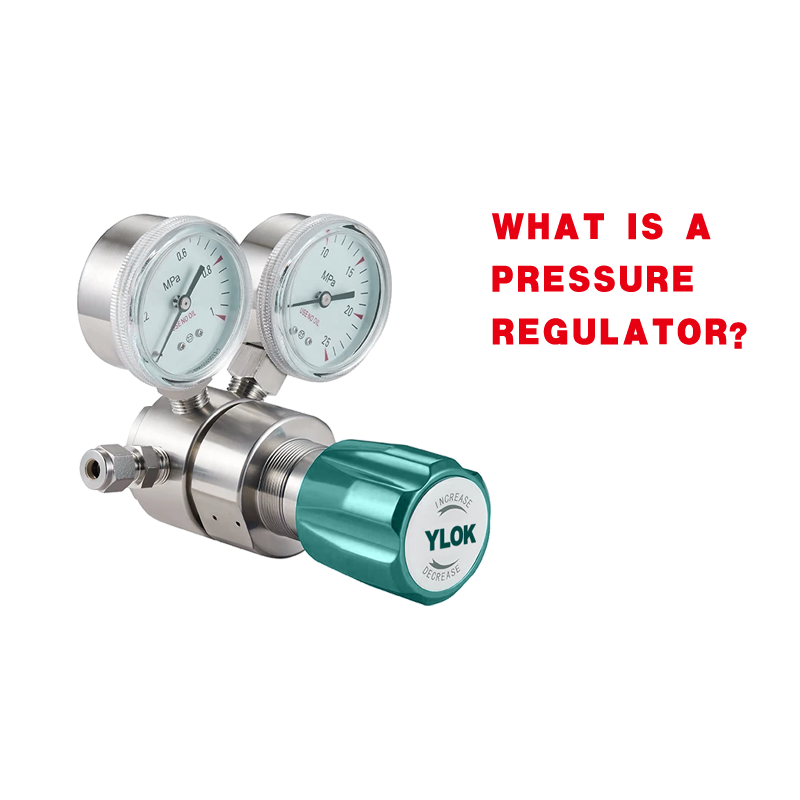
Pressure regulators are devices that reduce the pressure of high-pressure gas (such as compressed gas in a cylinder) to the stable low pressure required by downstream equipment and maintains the outlet pressure basically constant when the inlet pressure or flow rate changes. It is widely used in fields such as welding, cutting, laboratories, medical equipment, food processing, and chemical engineering.
2. Basic Working Principle of Pressure Regulators
The core functions of a gas pressure regulator are pressure reduction and pressure stabilization, and its working process can be divided into the following steps:
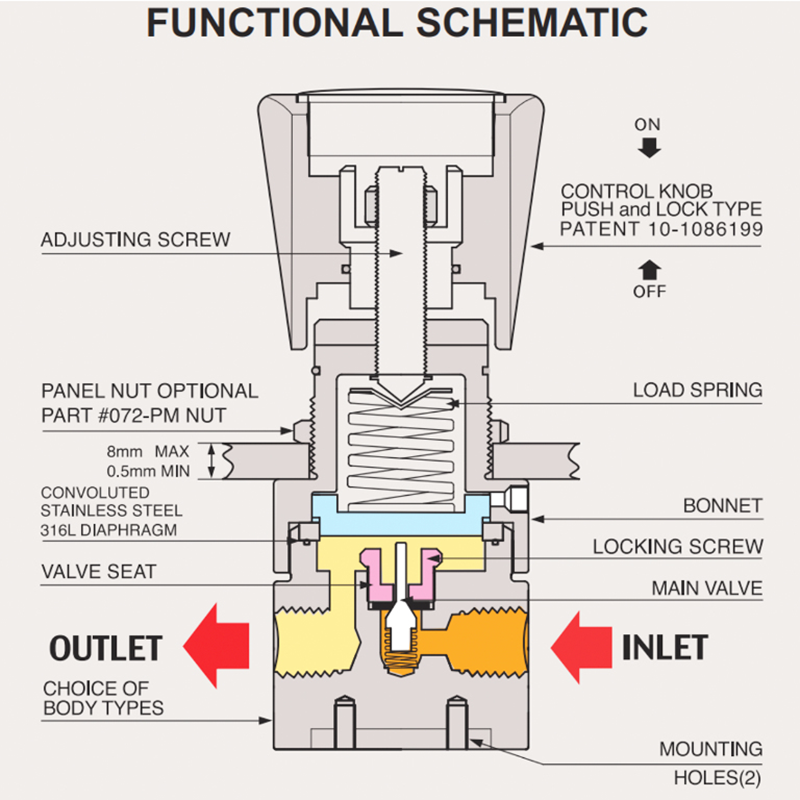
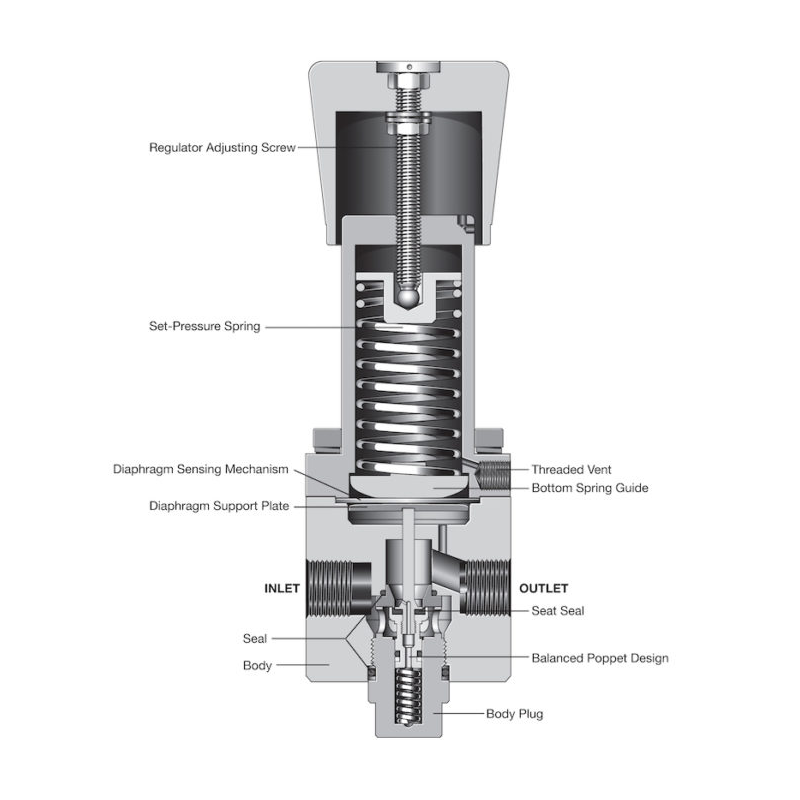
Entry of High-Pressure Gas: High-pressure gas enters the regulator through the inlet and first passes through a filter screen to remove impurities.
Pressure Reduction Process: The gas pushes the main valve core to open, reduces the pressure through the throttling gap between the valve core and the valve seat, and then flows to the outlet.
Pressure Feedback: A part of the decompressed gas acts below the diaphragm through an internal passage, generating an upward thrust.
Pressure Equilibrium: There is an adjustment spring above the diaphragm, applying a set pressure downward. When the outlet pressure reaches the set value, the forces on the upper and lower sides of the diaphragm are balanced, and the valve core remains in a specific position to maintain a stable outlet pressure.
Automatic Adjustment:
When the outlet pressure increases (such as when the downstream flow rate decreases), the diaphragm is pushed up, and the valve core moves in the closing direction, reducing the throttling gap and decreasing the gas flow rate, causing the outlet pressure to drop.
When the outlet pressure decreases (such as when the downstream flow rate increases), the spring pushes the diaphragm downward, the valve core opens wider, increases the gas flow rate, and causes the outlet pressure to rise.
3. Main Types of Pressure Regulators
According to different working principles, gas pressure regulators are mainly divided into two categories:
Direct-Acting Pressure Regulators: The outlet pressure directly acts on the main valve core for adjustment. They have a simple structure and fast response, but the pressure stabilization accuracy is relatively low, making them suitable for small-flow scenarios.
Pilot-Acting Pressure Regulators: The main valve is controlled by a pilot valve. They have high pressure stabilization accuracy and a large flow range, making them suitable for large-flow or high-pressure applications.
4. Key Components of Pressure Regulators
Valve Body: Provides a gas flow channel and an installation base for various components.
Adjustment Spring: Sets the outlet pressure.
Diaphragm: Senses changes in the outlet pressure and transmits them to the valve core.
Valve Core and Valve Seat: Controls the gas flow rate and achieves pressure reduction.
Safety Valve: Automatically releases pressure for protection when the outlet pressure rises abnormally.
Pressure Gauge: Displays the inlet and outlet pressures.
5. Precautions for Use of Pressure Regulators
Confirm that the pressure regulator matches the gas type before use.
Slowly open the cylinder valve to avoid pressure surges.
Regularly check for leaks to ensure safety.
Use dedicated pressure regulators for different gases; do not mix them.
Gas pressure regulators achieve a smooth transition from high pressure to low pressure through a clever pressure feedback mechanism, and they are key devices to ensure the safe and stable operation of downstream equipment.
Interested in learning about the main differences between gas pressure regulators and liquid pressure reducers? This is crucial for the correct selection and use of pressure regulators.
 What Are Creamic Lined Valves?
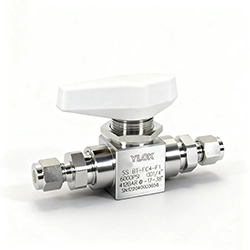 How to Select High‑Pressure Ball Valves
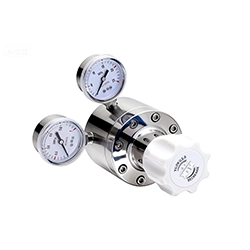 Gas Pressure Regulator Installation and Operation Instructions
 What is a Flowmeter?