


How to Choose Between Electric Valves and Pneumatic Valves?
Basic Introduction
Pneumatic valves are driven by compressed air. For procurement, it is generally sufficient to confirm specifications, types and nominal pressure. They can control the flow of air, water, steam, corrosive media, slurry, oil products, liquid metal, radioactive media and other fluids.
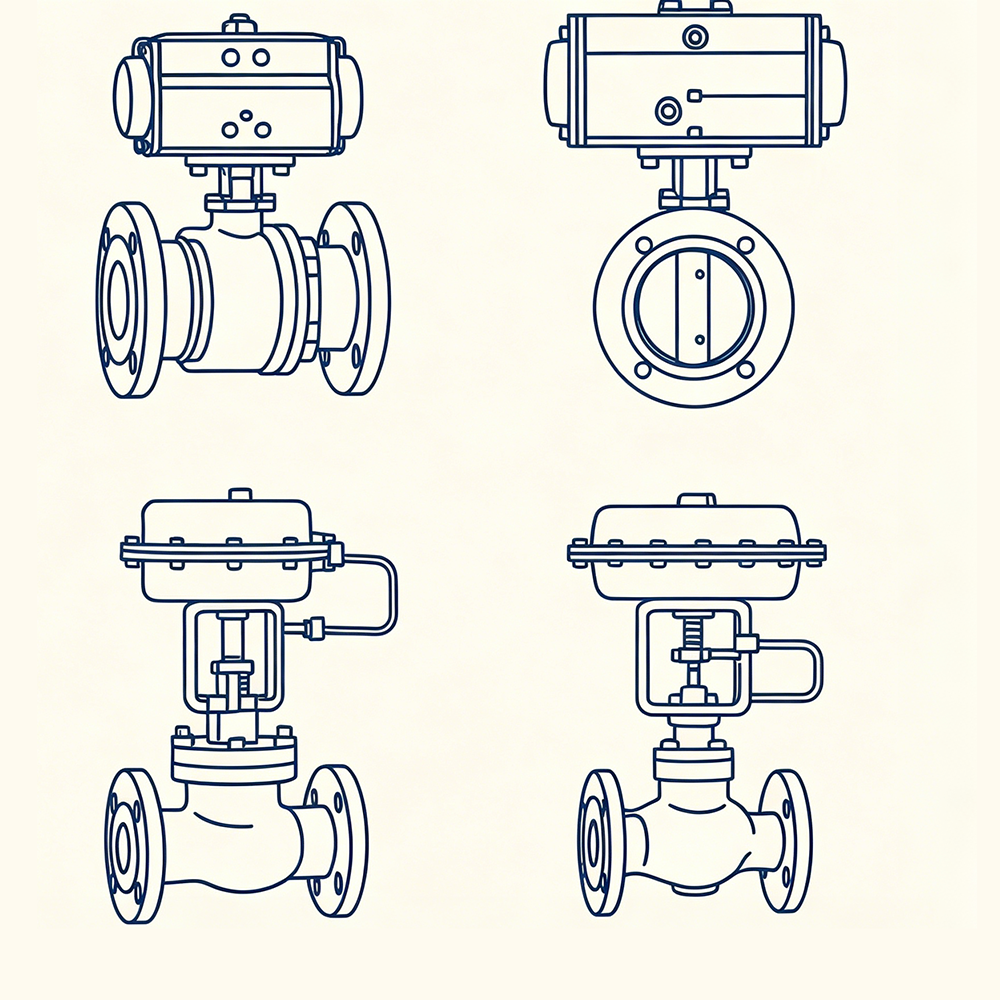
Electric valves feature larger operating torque. They perform well for liquid media and large-bore gas pipelines, and are not affected by weather or air pressure. Their on-off speed is adjustable. With a simple structure and easy maintenance, they are also applicable to various types of fluid transportation.
Thanks to the buffering property of air, pneumatic valves are less likely to get stuck or damaged during operation. However, they require a dedicated air supply, and their control system is more complicated than that of electric valves.
Selection Guidelines
Pneumatic valves deliver faster on-off action. Most electric valves come with electric and manual dual operation, while pneumatic valves with manual and pneumatic dual functions cost more.
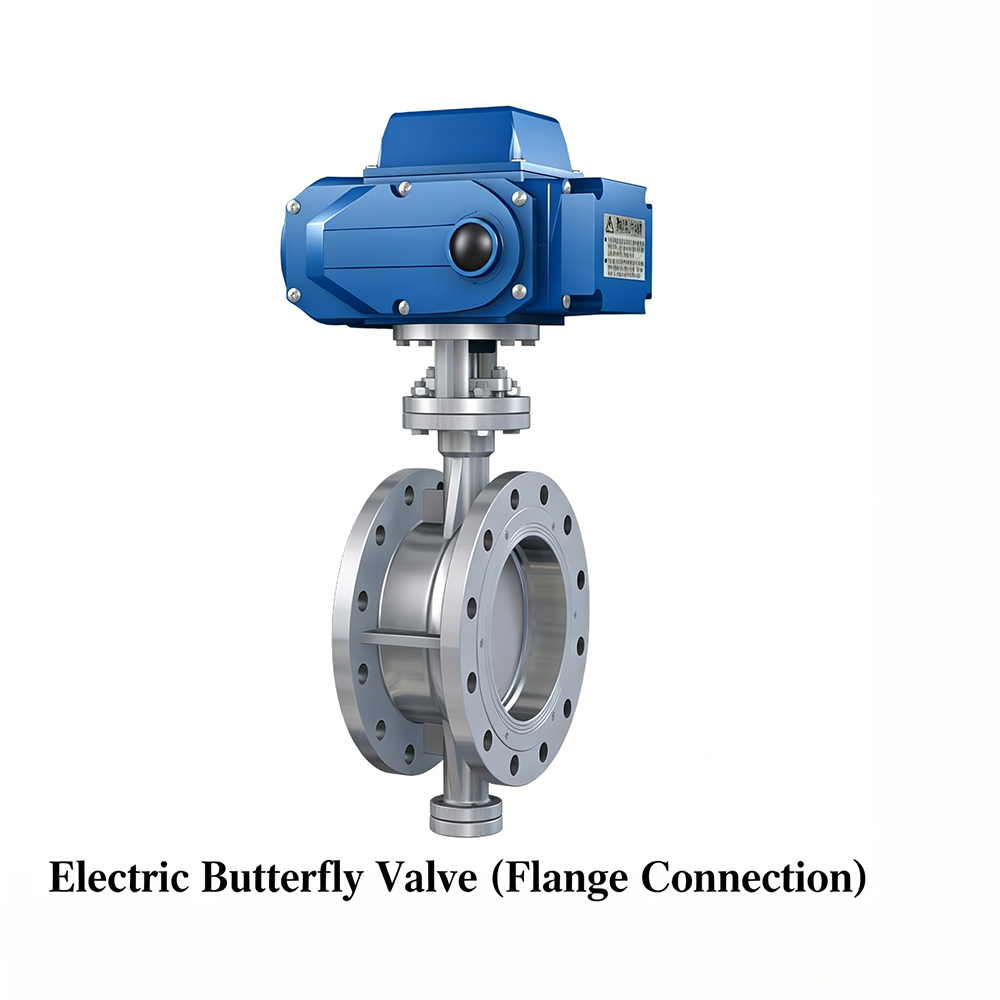
Electric valves are more suitable for large-diameter pipelines where pneumatic valves are hard to apply. Nevertheless, electric valves have poorer stability and slower response. The actuator may suffer gear jamming after long-term operation.
Electric valves are not the preferred choice for explosion-proof working conditions, as qualified explosion-proof electric valves are limited in brands. By contrast, explosion-proof pneumatic valves are more cost-effective.
Avoid using pneumatic valves in humid environments, since moisture in the air supply will affect normal operation.
Electric valves convert electric energy into electromagnetic power. They have higher sensitivity, but lower safety reliability. They are inferior to pneumatic valves in power output and maintenance convenience.
Pneumatic valves adopt more complex control circuits. Solenoid directional valves are necessary for automatic control, and the performance of solenoid valves directly affects the operation of pneumatic valves.
If the factory is equipped with existing air supply systems, pneumatic valves are the recommended option.
 What Are Creamic Lined Valves?
 How to Select High‑Pressure Ball Valves
 Gas Pressure Regulator Installation and Operation Instructions
 What is a Flowmeter?