


How to Correctly Select Electric Ball Valves?
In fluid pipeline systems, electric ball valves serve as core control components. They are mainly used for flow cut-off, flow regulation, backflow prevention as well as pressure adjustment and release. Choosing a proper electric ball valve is crucial for pipeline safety, reducing flow loss and controlling overall operating costs.
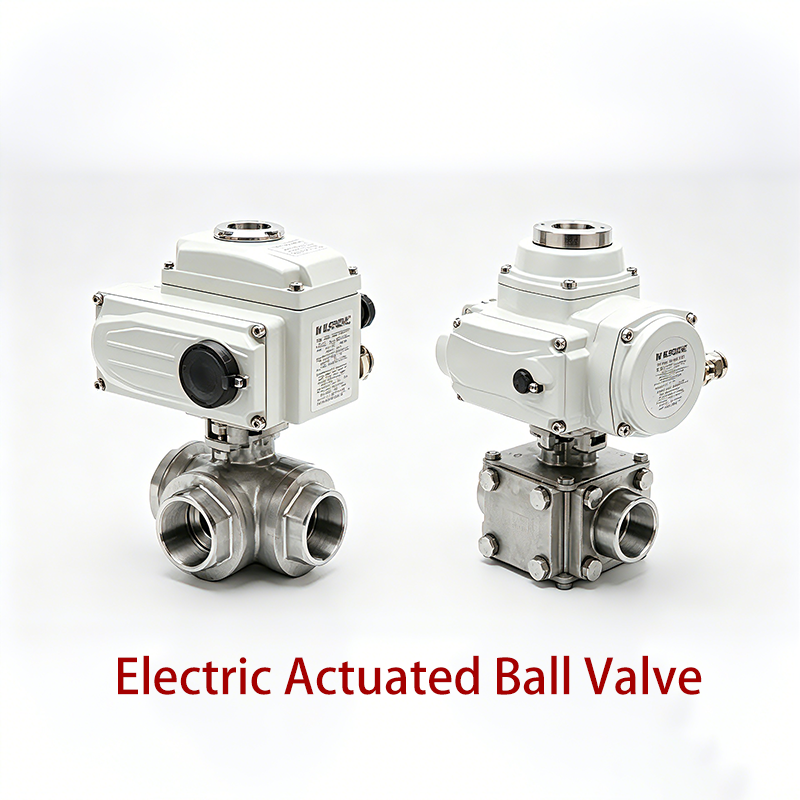
Confirm the function of the valve in equipment and define working conditions including applicable medium, working pressure, working temperature and other operating parameters.
Select the valve driving mode, such as manual, electric, solenoid, pneumatic, hydraulic and electro-hydraulic linkage type.
Confirm the valve type according to actual use scenarios, including throttle valve, adjustable pressure reducing valve, steam dedicated valve and other styles.
Set core performance parameters. For automatic control valves, confirm allowable flow resistance, discharge capacity and back pressure first, then confirm nominal pipe diameter and seat bore diameter.
Match the nominal diameter and connection form with pipelines, including flange connection, internal thread connection, welding connection and other installation methods.
Refer to official product catalogs and specification brochures to screen qualified and suitable valve products.
Select suitable materials for valve body and internal parts based on conveyed medium, working pressure and temperature. Common materials include cast steel, WCB, stainless steel, alloy steel, acid-resistant stainless steel, gray cast iron, malleable cast iron, ductile iron and copper alloy.
Confirm geometric dimension parameters, such as installation size, flange structure size, overall height after opening and closing, bolt hole specification and quantity, as well as overall outline dimension of the valve.
Classify valves by usage function, including shut-off type, regulating type, safety protection type and other categories.
 What Are Creamic Lined Valves?
 How to Select High‑Pressure Ball Valves
 Gas Pressure Regulator Installation and Operation Instructions
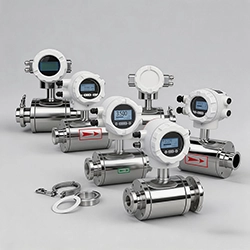 What is a Flowmeter?