


Thermodynamic Steam Trap: Working Principle
Thermodynamic Steam Trap: Working Principle & Types
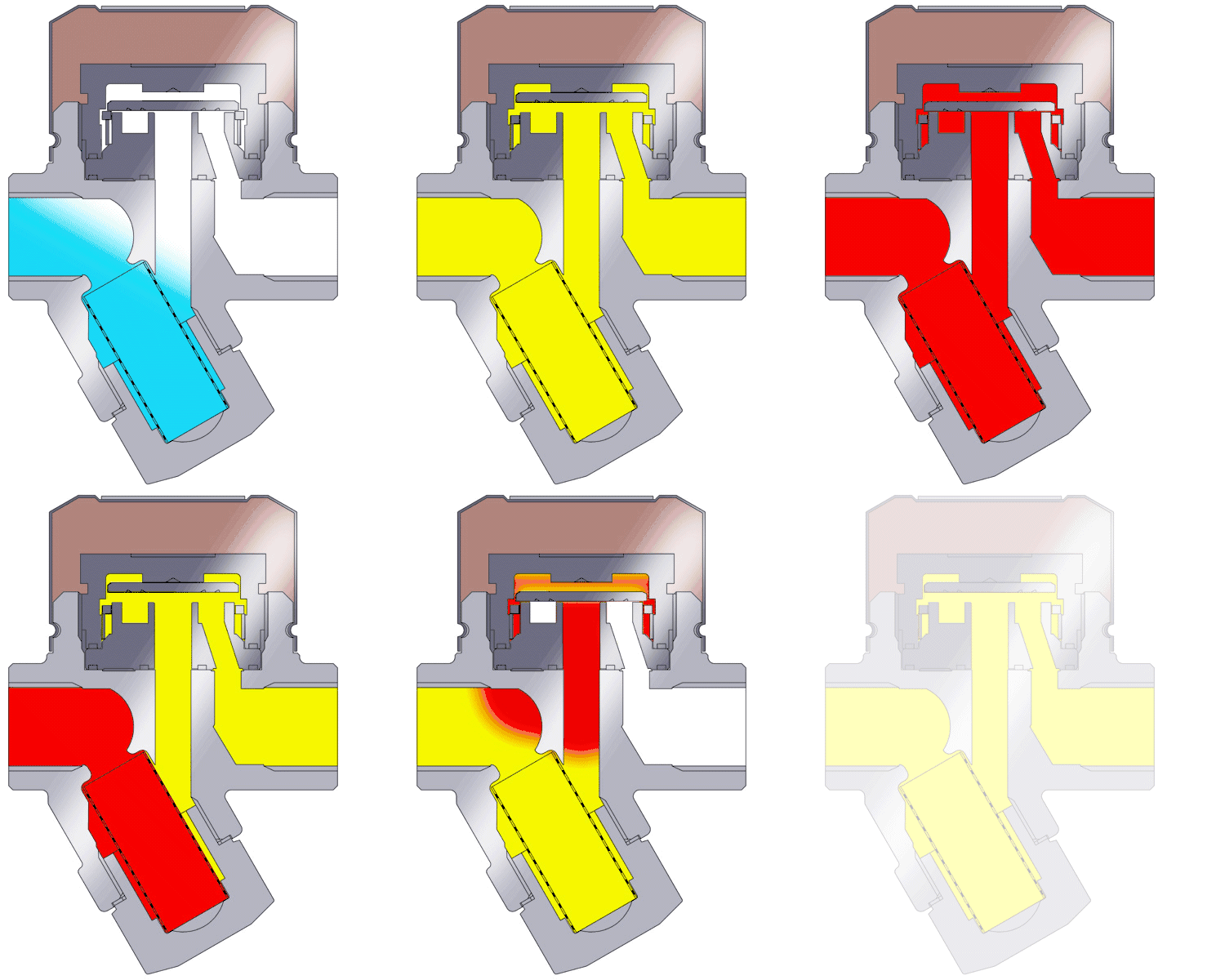
The thermodynamic steam trap operates based on the phase change principle. It relies on the different thermodynamic principles of velocity and volume changes when steam and condensed water pass through, generating different pressure differences above and below the valve disc to drive the valve disc to open and close the valve. Since the working power of the thermodynamic steam trap comes from steam, there is relatively large steam waste. It features a simple structure, water hammer resistance, a maximum back pressure of 50%, but has the disadvantages of noise, frequent operation of the valve disc, and short service life.
Types of Thermodynamic Steam Traps
Thermodynamic steam traps include thermodynamic type (disc type), pulse type, and orifice plate type. The thermodynamic steam trap is equipped with a movable valve disc, which serves as both a sensing element and an actuator. Based on the different thermodynamic principles of velocity and volume changes when steam and condensed water pass through, different pressure differences are generated above and below the valve disc to drive the valve disc to open and close the valve. Its steam leakage rate is 3%, and the subcooling degree ranges from 8℃ to 15℃.
Working Process of Thermodynamic Steam Trap
When the device starts, cooling condensed water appears in the pipeline. The condensed water pushes the valve disc open by working pressure and is discharged quickly. After the condensed water is discharged, steam is discharged subsequently. Due to the larger volume and higher velocity of steam compared to condensed water, a pressure difference is generated above and below the valve disc, and the valve disc closes quickly under the suction force of the steam velocity.
When the valve disc is closed, it is subjected to pressure on both sides. The stress area below the valve disc is smaller than that above. Since the pressure inside the steam chamber of the steam trap comes from steam pressure, the force on the upper side of the valve disc is greater than that on the lower side, keeping the valve disc tightly closed.
When the steam inside the steam chamber of the steam trap cools down and turns into condensed water, the pressure inside the steam chamber disappears. The condensed water pushes the valve disc open again by working pressure, and the discharge of condensed water continues. This cyclic process realizes intermittent drainage.
 What Are Creamic Lined Valves?
 How to Select High‑Pressure Ball Valves
 Gas Pressure Regulator Installation and Operation Instructions
 What is a Flowmeter?