


Vacuum Valve Selection Guide
How to Choose the Right Vacuum Valve: A Comprehensive Guide for Semiconductor & Precision Manufacturing
In the fields of semiconductor, flat panel, and precision manufacturing, vacuum technology is the core foundation supporting process quality and stability. Processes such as thin film deposition, etching, and ion implantation all need to be carried out in a strictly controlled high-vacuum environment to avoid contamination and ensure yield. As a core component, vacuum valves assume the key roles of isolation, flow control, and cross-contamination prevention, and their performance directly determines process precision and efficiency. The following will detail the basic concepts, types, and selection skills of vacuum valves to help improve process stability.
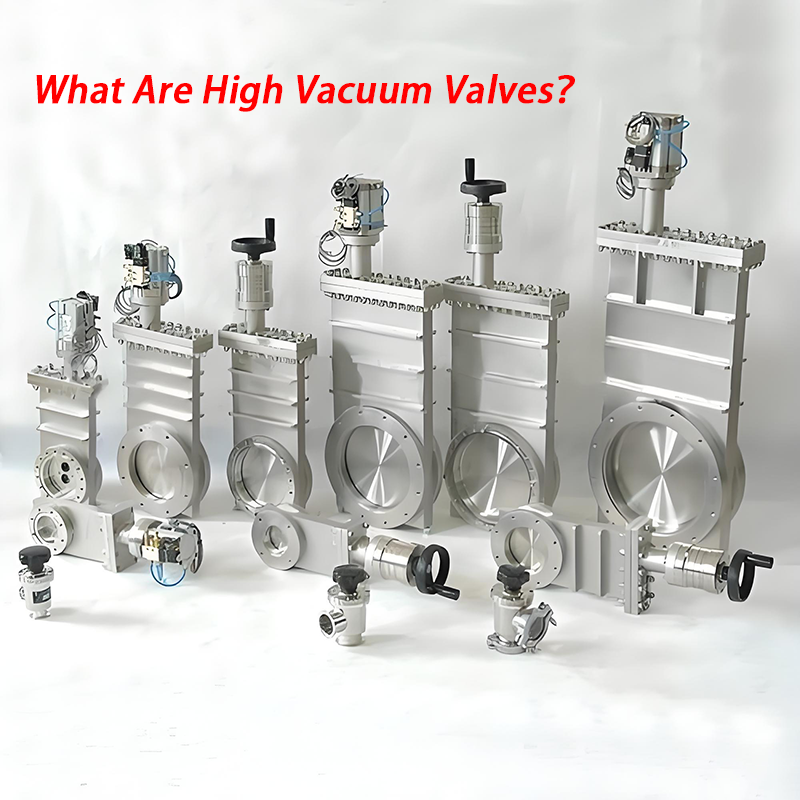
What is a Vacuum Valve? Its Performance Affects Overall Process Stability
A basic vacuum system consists of a vacuum pump, a vacuum chamber, and a vacuum valve. Among them, the performance of the vacuum valve directly affects the overall performance of the system. Common types are divided into two categories: isolation valves and pressure regulating valves:
Isolation Valves: Used to separate various parts of the system and maintain vacuum conditions, suitable for semiconductor, R&D, and industrial process scenarios;
Pressure Regulating Valves: Used with controllers and pressure gauges, can accurately adjust the pressure and gas flow of the vacuum chamber, and are widely used in semiconductor, coating, and other industries with strict requirements for process control.
How Do Vacuum Valves Help Maintain a Vacuum Environment?
Vacuum valves effectively block gas infiltration through high-quality sealing structures such as metal or springs to ensure system tightness. In case of abnormal conditions, the safety valve will quickly activate isolation or exhaust functions to protect equipment and maintain the vacuum environment. Different seal designs can be selected according to application requirements:
Low Vacuum Environment: Adopt elastomer seals;
High Vacuum Environment: Use diaphragms or metal bellows;
Ultra-High Vacuum (UHV) and High-Temperature Baking Environments: Adapt to all-metal vacuum valves.
What Are the Common Types of Vacuum Valves?
Vacuum valves mainly include the following basic types. At the same time, there are various hybrid products on the market. Some valves integrate multiple technical characteristics or are designed for specific needs to provide more comprehensive solutions.
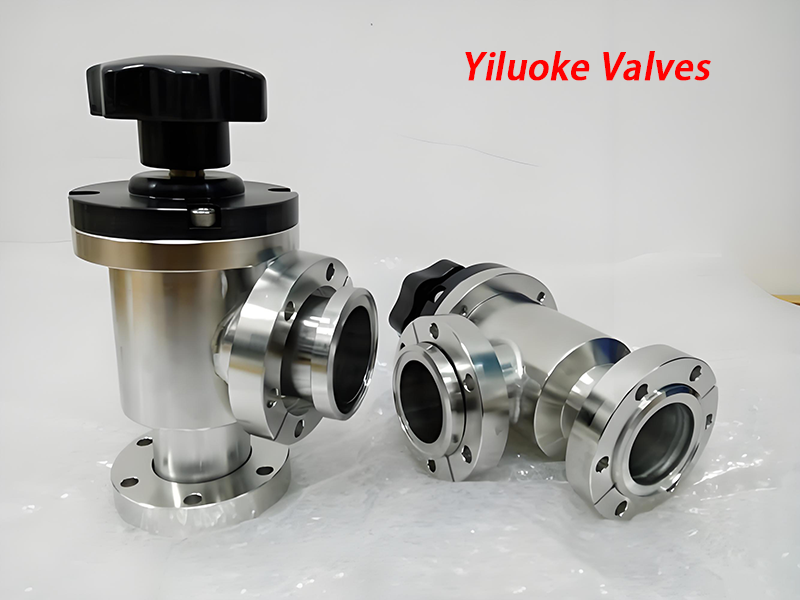
Isolation-Type Vacuum Valves
Vacuum Butterfly Valve: Opens or closes pipeline fluid through a rotating disc (butterfly plate), and can quickly cut off or adjust flow. It has a simple structure and light weight, suitable for low-pressure and large-flow systems;
Vacuum Gate Valve: Achieves sealing by using a vertically lifting gate/valve, mainly used to isolate chambers or completely cut off medium flow in vacuum systems, suitable for fully open or fully closed scenarios;
Vacuum Angle Valve: The inlet and outlet are designed at a 90° right angle, used to isolate or protect sensitive components (such as vacuum pumps) in the vacuum system, and is suitable for ultra-high vacuum (UHV) and extreme high vacuum (XHV) environments.
Regulating-Type Vacuum Valves
APC Pendulum Valve: Adjusts gas flow and pressure through a swing-type valve disc, can quickly achieve vacuum isolation and downstream pressure regulation, and is widely used in semiconductor processes, thin film deposition, and high-precision vacuum systems;
APC Automatic Pressure Control Butterfly Valve (APC Valve): Uses a stepping motor to drive a butterfly disc, automatically adjusts process gas flow and pressure, with fast response, precise pressure control, and good sealing performance, suitable for semiconductor, flat panel, and optoelectronic processes;
Symmetric Flow Vacuum Control Valve: Precisely regulates gas flow and pressure through a symmetric gas flow design, with excellent fluidity and pressure stabilization capabilities, often used for downstream isolation and precise pressure control in semiconductor etching and cleaning processes.
〈Extended Reading: What is Dry Etching? Understand the Application Advantages & Future Development of Etching in Semiconductors〉
〈Extended Reading: What is the Principle of Wet Etching? Ultra-Detailed Analysis of Advantages, Processes & Applications〉
Check-Type Vacuum Valves
Vacuum Check Valve: Adopts a one-way valve design and is installed at the suction port of the vacuum pump. When the pump stops operating, it can immediately isolate the pump from the system to prevent vacuum oil from oil-sealed pumps or sealing fluid from liquid-sealed pumps from flowing back to contaminate the system.
6 Secrets to Choosing the Right Vacuum Valve for Stable & Worry-Free System Operation
When choosing a vacuum valve, it is necessary to comprehensively consider the working pressure range, material stability, drive method, sealing technology, valve type, and application environment conditions. Only after a comprehensive evaluation can a product suitable for the production line be selected to ensure stable system performance and reliable sealing.
Pressure Range When planning a vacuum system, the appropriate vacuum valve should be selected according to the pressure level required by the system. The system pressure needs to be continuously monitored during various vacuum processes and adjusted when necessary. For example, for ultra-high vacuum environments below 10⁻⁶ mbar, all-metal valves should be selected to withstand baking and extreme conditions.
Material Selection Outgassing rate refers to the degree to which vacuum valve materials release gas under low pressure. Excessively high outgassing rate will contaminate the vacuum environment and affect pressure stability and pump efficiency. Stainless steel has a lower outgassing rate than aluminum and is suitable for low vacuum and ultra-high vacuum (UHV) environments. Different application environments require matching valve body shell materials: If the vacuum valve is used outdoors or in extreme environments, it is necessary to ensure that its IP rating and material are suitable. For example, in humid environments, stainless steel sealed coils should be selected to prevent corrosion and electrical failures.
Aluminum: Light weight and good heat dissipation, and its service life can be extended with an anti-oxidation coating;
Brass: Resistant to neutral fluid corrosion, low cost, and strong versatility.
Drive Method When selecting the drive method of the vacuum valve, it is necessary to evaluate based on automation needs, operation frequency, and environmental conditions:
Electric or Pneumatic Drive: Suitable for scenarios requiring remote control or integration with DCS systems, with fast switching response, precise parameter setting, and diagnostic functions, suitable for high-frequency use processes;
Pneumatic or Hydraulic Drive: Focuses on fail-safety, simplicity, and reliability, with stable structure and convenient maintenance, making it the first choice for many industrial sites.
Sealing Material Sealing materials are in direct contact with the medium, so it is necessary to ensure that the valve closes tightly, and at the same time has chemical compatibility and the ability to withstand working temperature and pressure. Common sealing materials include:
Nitrile Rubber (NBR): Oil and fuel resistant, suitable for petroleum-based fluids and pneumatic devices;
Fluororubber (FKM): Acid, solvent, and high-temperature resistant;
Polytetrafluoroethylene (PTFE): High chemical inertness and wide temperature range, suitable for high-corrosion or solid-containing medium scenarios.
Valve Type Vacuum valves of different types and structures are suitable for different needs:
Butterfly Valve: Simple structure, fast opening and closing, suitable for low-pressure and large-flow systems;
Gate Valve: Low flow resistance, suitable for chamber isolation in fully open or fully closed states;
Vacuum Angle Valve: 90° right-angle design, used to protect vacuum pumps, suitable for ultra-high vacuum environments;
Regulating-Type Vacuum Valve: Precise pressure control, often used in semiconductor processes;
Vacuum Check Valve: Prevents pump oil or sealing fluid from flowing back to contaminate the system.
Application Environment & Special Needs Vacuum valves are specially designed to control and adjust vacuum pressure. Each type is developed for specific industrial needs and is widely used in semiconductor, aerospace, pharmaceutical, and other industries that require precise control. If facing special conditions such as extreme temperatures, corrosive environments, or ultra-high vacuum, it is recommended to cooperate with vacuum valve manufacturers for selection to ensure long-term stable operation of the system, avoid unexpected shutdowns or quality fluctuations, and give full play to the efficiency and service life of the equipment.
 What Are Creamic Lined Valves?
 How to Select High‑Pressure Ball Valves
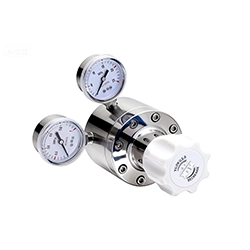 Gas Pressure Regulator Installation and Operation Instructions
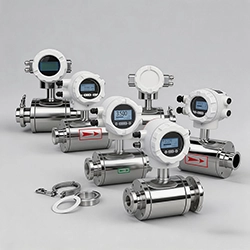 What is a Flowmeter?