


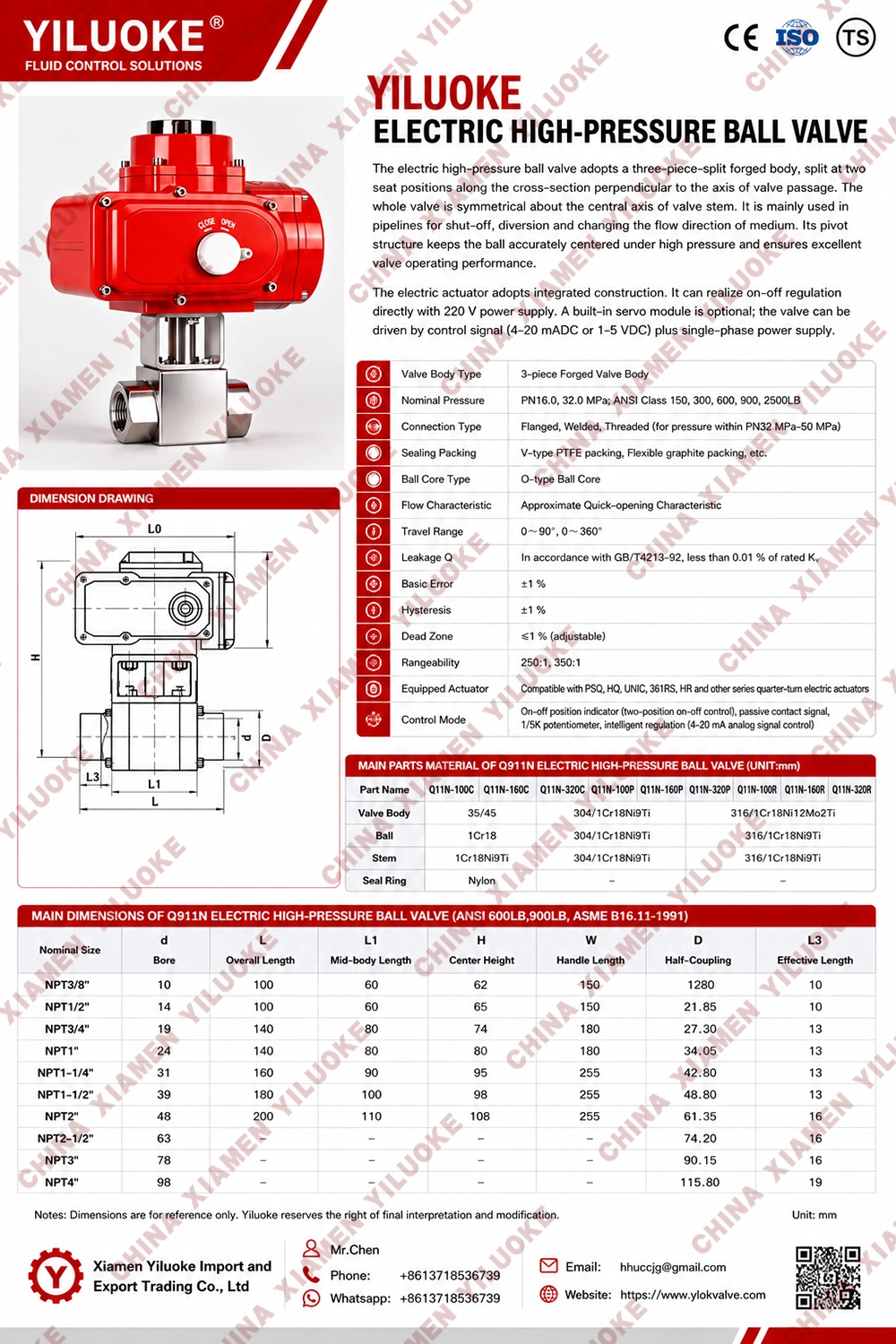
Electric Actuated High-Pressure Ball Valves
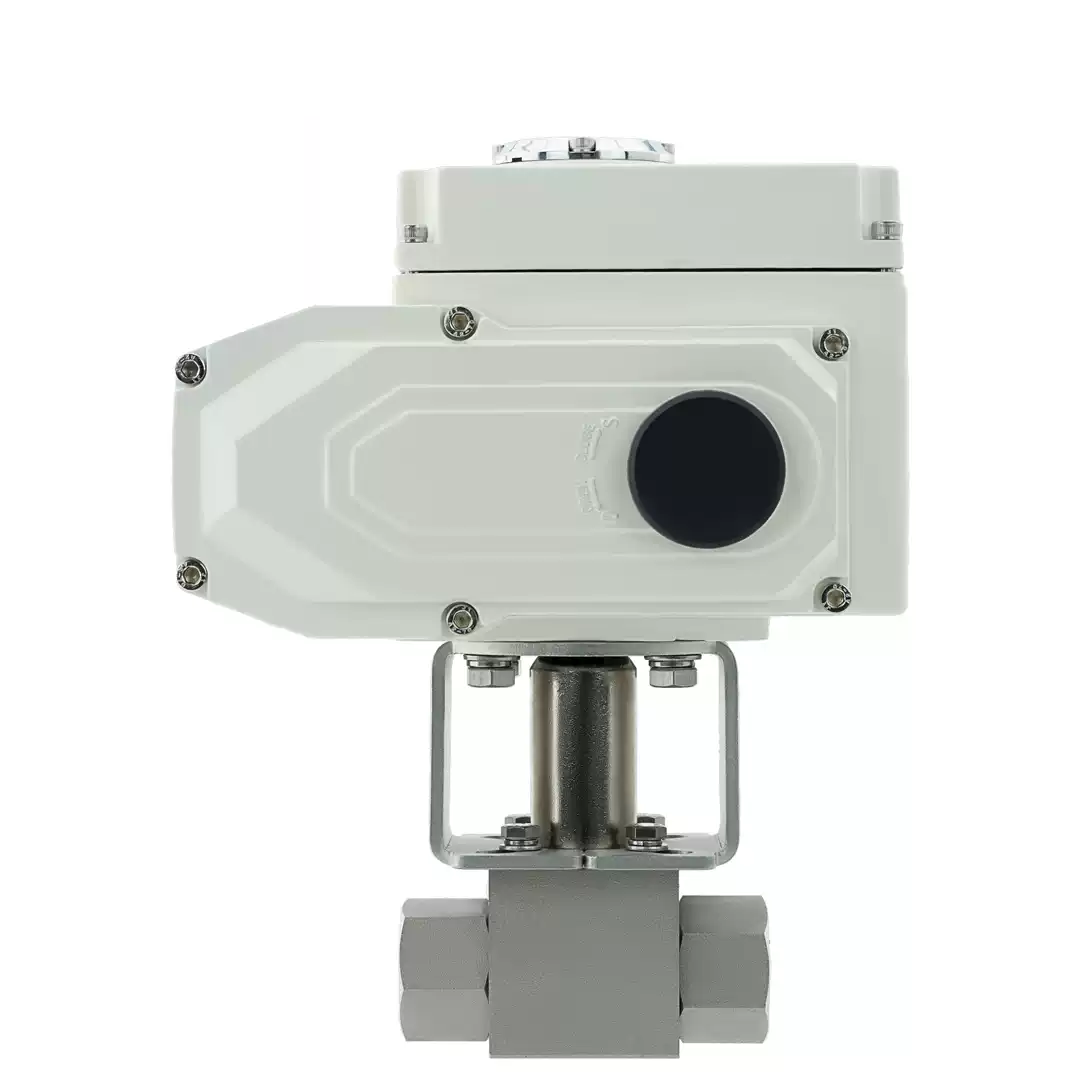
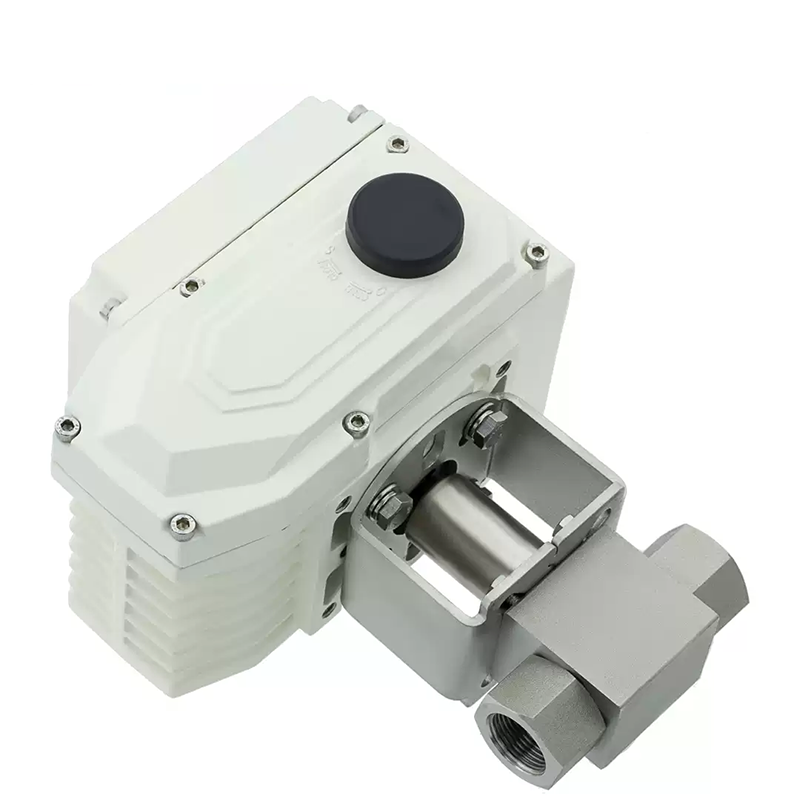
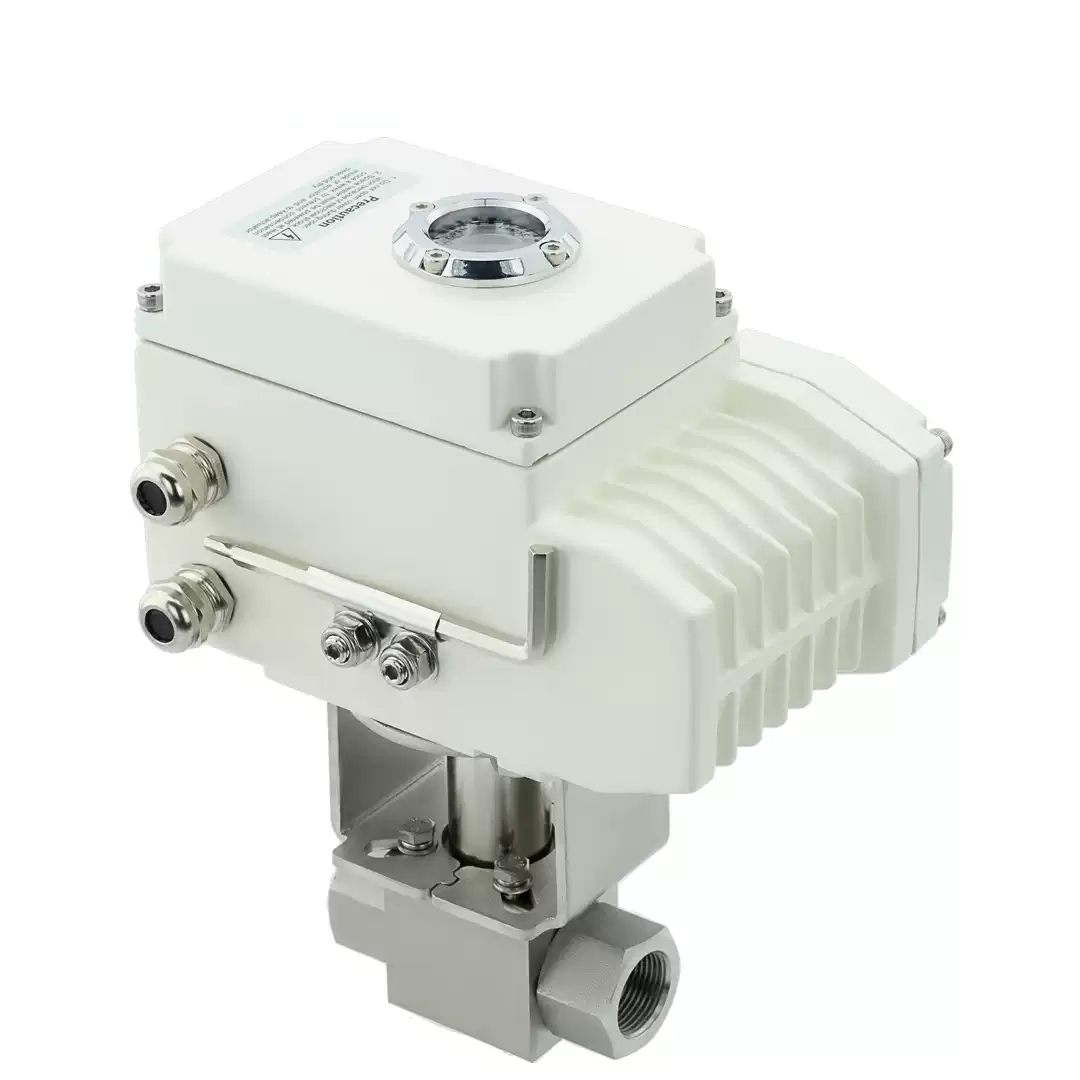
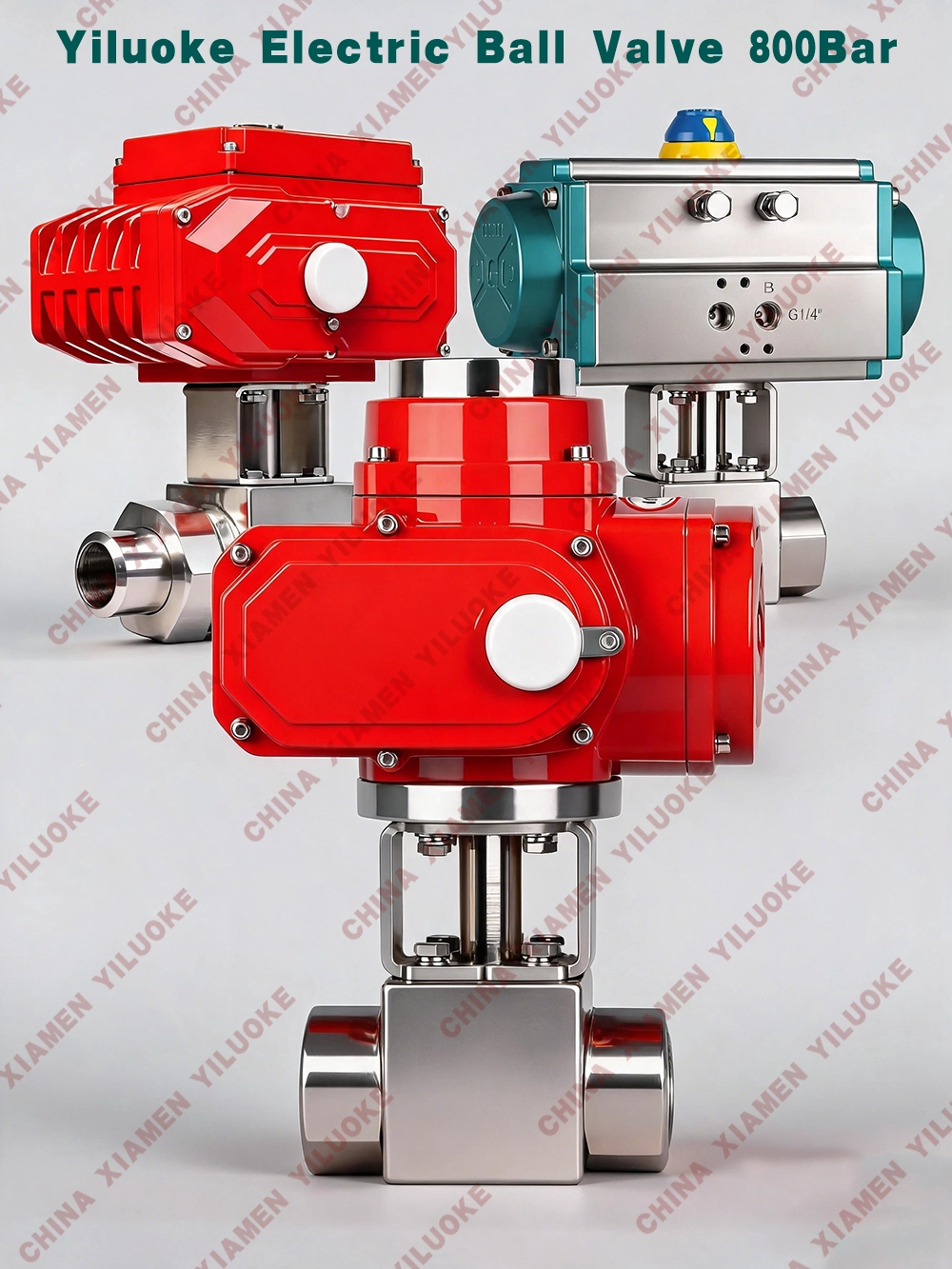
The electric actuated high‑pressure ball valve consists of forged steel high‑pressure valve body and quarter‑turn electric actuator. The actuator adopts integrated structure. On‑off adjustment can be realized directly by inputting 220V power supply. It can also be equipped with built‑in servo module, which can be operated by receiving control signal (4~20mADC or 1~5VDC) and single‑phase power supply. Major components of electric actuated high‑pressure ball valve are forged by professional manufacturers, eliminating potential defects of cast steel valves and ensuring uniform compressive structural performance under high working pressure. Applicable media: non‑corrosive media such as water, oil and gas, as well as acid‑base corrosive media. It is widely used in chemical, petroleum, natural gas, metallurgy industries and long‑distance natural gas transmission pipelines with hydrogen sulfide, numerous impurities and severe corrosion.
Main Features
3‑piece forged fixed ball valve divides the valve body into three sections at two seat positions along the cross‑section perpendicular to the valve passage axis. The whole valve is symmetric about the central axis of the valve stem. It is mainly used for cutting off, distributing and changing medium flow direction in pipelines. Its large pivot structure ensures accurate ball center position under high pressure and good operating performance. Standard spring‑loaded valve seat pushes against the ball to realize reliable bidirectional sealing at inlet and outlet. The built‑in bleed valve can discharge pressure from valve body cavity. Blow‑out‑proof stem pivot prevents leakage effectively. Low‑friction‑coefficient bearing reduces operating torque for easy opening and closing. Reliable contact between stem and valve body guarantees excellent anti‑static grounding performance. It features outstanding performance, high reliability, wide application and reasonable price.
Main Technical Parameters
Valve Body
| Valve Body Type | 3‑piece forged body |
| Nominal Diameter | DN15~300mm, 1/2"~12" |
| Nominal Pressure | PN1.6, 2.5, 4.0, 6.4, 10.0, 16.0, 25.0, 42.0, 80.0MPa; ANSI 150‑4500LB |
| Flange Standard | ANSI, GB, JB, HG etc. |
| Connection Type | Flanged, welded, threaded |
| Bonnet Type | Integral bonnet |
| Gland Type | Gland compression type |
| Packing | V‑shaped PTFE packing, flexible graphite packing etc. |
Internal Trim Parts
| Ball Type | O‑type ball plug |
| Flow Characteristic | Quick‑opening |
Actuator
| Actuator Model | CHR, HQ, 381 series quarter‑turn actuators |
| Power Supply | AC200/220V, 50/60Hz |
| Output Torque | 50N·M~2000N·M |
| Stroke Range | 0~90°, 0~360° |
| Action Time | 15s / 30s / 60s |
| Protection Device | Overheat protection |
| Manual Operation | Attached handwheel |
| Limit | Dual electrical & mechanical limit |
| Protection Class | IP67 |
| Explosion‑proof Mark | ExdⅡBT4 |
| Motor Power | 8W/E |
| Cable Entry | PE1/2" cable gland |
Note: Please refer to relevant actuator page for detailed actuator parameters.
Main Performance Index
| Nominal Diameter DN(mm) | 15 | 20 | 25 | 32 | 40 | 50 | 65 | 80 | 100 | 125 | 150 | 200 | 250 | 300 |
| Allowable Differential Pressure(MPa) | ≤ Nominal Pressure | |||||||||||||
| Stroke Range | 0~90°, 0~360° | |||||||||||||
| Leakage Q | Less than 0.01% of rated Kv according to GB/T4213‑92 | |||||||||||||
| Basic Error | ±1% | |||||||||||||
| Hysteresis | ±1% | |||||||||||||
| Dead Zone | ≤1%(adjustable) | |||||||||||||
| Adjustable Range | 250:1, 350:1 | |||||||||||||
Main Parts Material
| Part Name | Materials |
| Valve Body & Bonnet | WCB, CF3M, CF8, CF8M |
| Ball | 2Cr13, CF3M, CF8, CF8M |
| Valve Stem | 2Cr13, 316L, 304, 316 |
| Seat Seal | PTFE, carbon fiber + PTFE, PPL |
| Stud & Nut | 35, 35CrMoA(B7), 45(2H), 2Cr13(420), 1Cr18Ni9, 1Cr17Ni2(431) |
| Packing | V‑shaped PTFE, flexible graphite |
Main Performance Specification
| Nominal Diameter DN(mm) | DN15‑300, 1/2"~12" | ||||||
| Nominal Pressure PN(MPa) | 1.6 | 2.5 | 4.0 | 6.4 | 10.0 | 16.0 | 25.0 |
| Shell Test | 2.4 | 3.75 | 6.0 | 9.6 | 15.0 | 24.0 | 37.5 |
| Seat Test | 1.76 | 2.75 | 4.4 | 7.04 | 11.0 | 17.6 | 27.5 |
| Low‑Pressure Air‑Tight Test | 0.5~0.7 | ||||||
| Applicable Media | Water, oil, steam, nitric acid (≤200℃), acetic acid (≤200℃) | ||||||
| Pressure Class | 150 | 300 | 400 | 600 | 900 | 1500 |
| Shell Test | 3.1 | 7.8 | 10.2 | 15.3 | 23.1 | 38.4 |
| Seat Test | 2.2 | 5.6 | 7.5 | 11.2 | 16.8 | 28.1 |
Performance Characteristics
Working Principle
The motor of the Electric Actuated high‑pressure ball valve serves as the power source. It converts high‑speed rotation into low‑speed, high‑torque output through a reduction gear mechanism to drive the ball to rotate. When the ball rotates 90°, the pipeline is cut off; it can also adjust the flow area between the ball and the valve seat by controlling the rotation angle of the ball to regulate the medium flow rate.
Structural Characteristics
The valve body usually adopts an integral forging or 3‑piece forging structure. For example, the FBD/YDGQ series Electric Actuated high‑pressure ball valves adopt a 3‑piece forging valve body, and the large pivot structure ensures reliable sealing with packing materials such as high‑pressure polytetrafluoroethylene and flexible graphite.
Performance Advantages
It has a high pressure‑bearing capacity, with a nominal pressure ranging from PN1.6MPa to 42.0MPa. The inner channel of the valve body is smooth, resulting in low fluid resistance and excellent sealing performance. In addition to soft sealing, it also has the advantages of short structural length, light weight, and convenient installation.
Application Fields
It is widely used in industries such as petroleum, chemical industry, metallurgy, electric power, and natural gas, and is suitable for various media including water, oil, gas, and steam.
Leave Your Message
Products categories
-
Electric Actuated Plastic Butterfly Valve
-
Electric Soft Seal Butterfly Valves
-
Electric Shut-Off Butterfly Valves
-
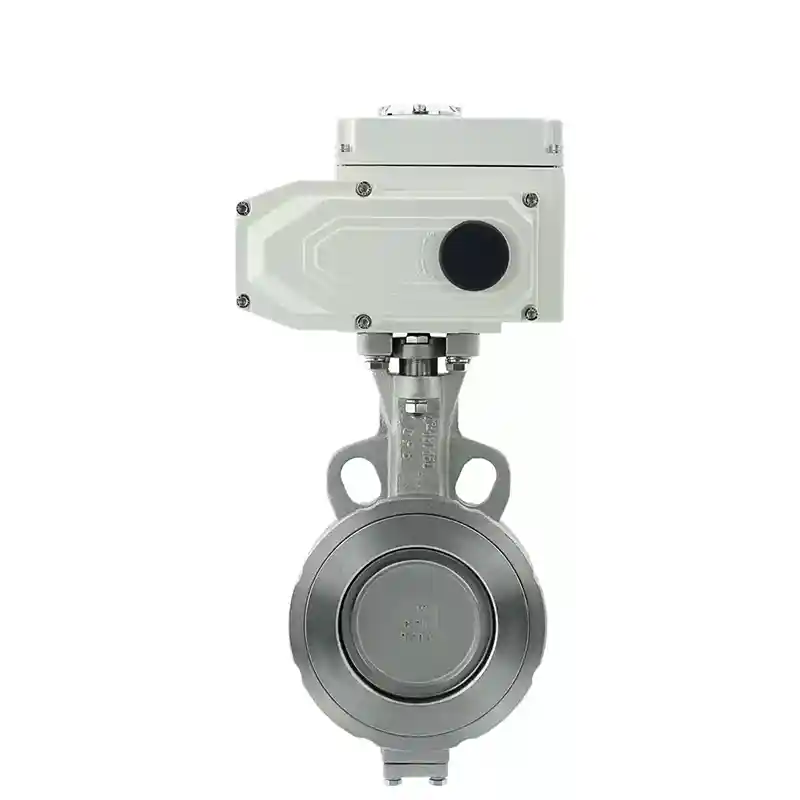
Electric High-performance Butterfly Valves
-
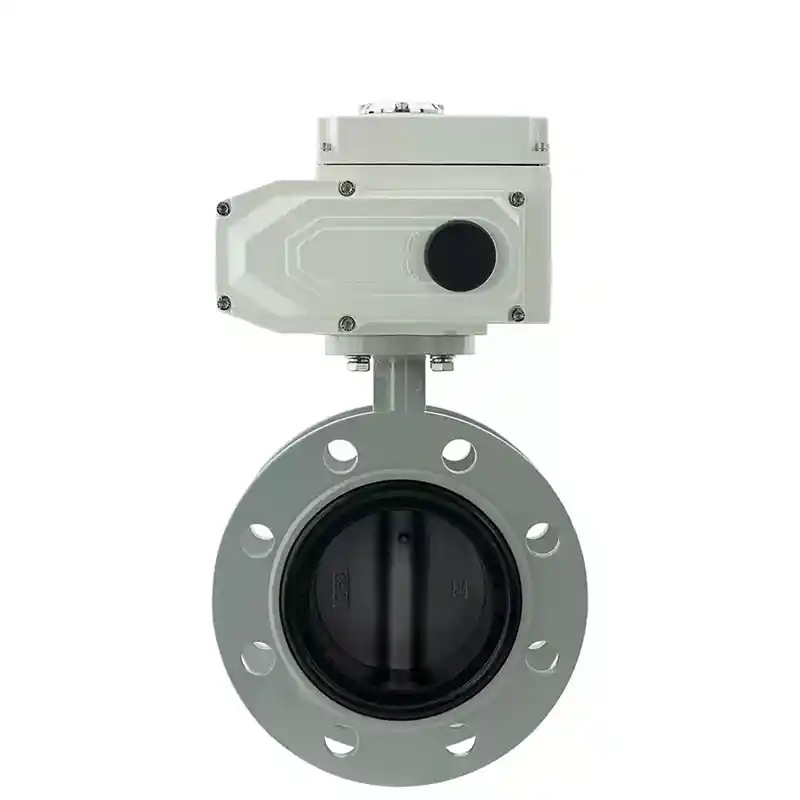
Electric flanged butterfly valves
-
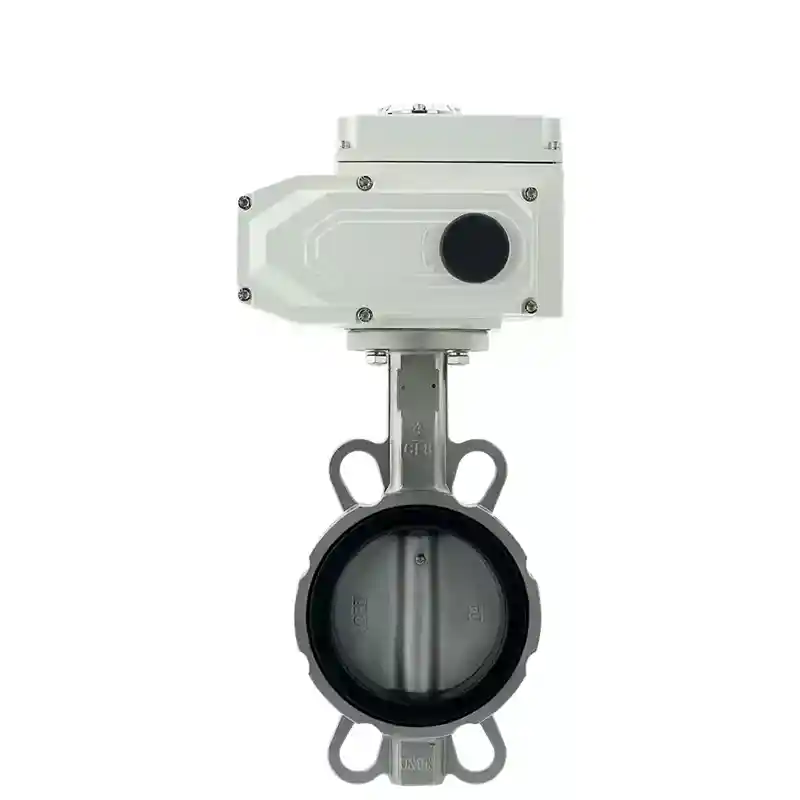
Electric Actuated Wafer Butterfly Valve
-
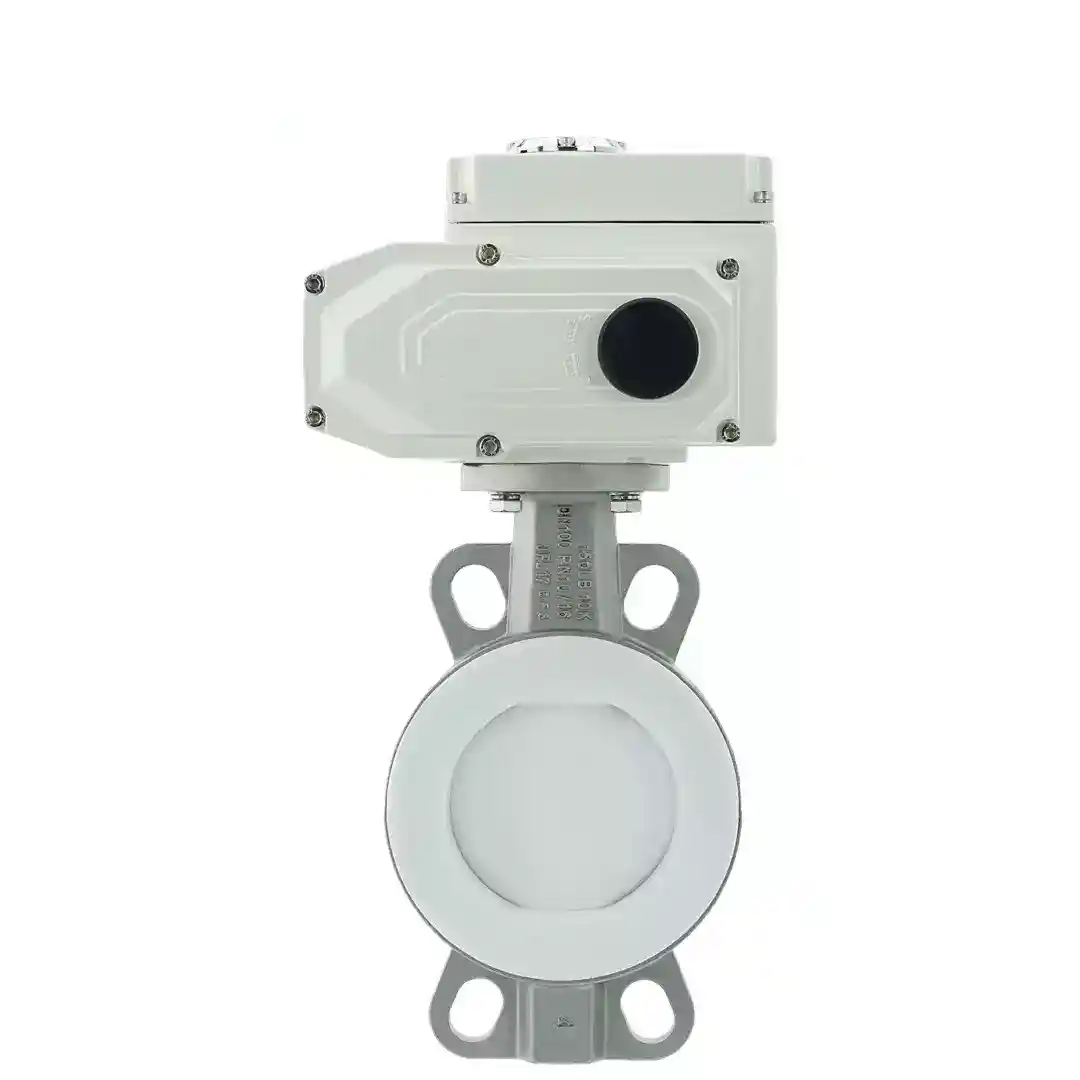
Electric PTFE Lined Butterfly Valve
-
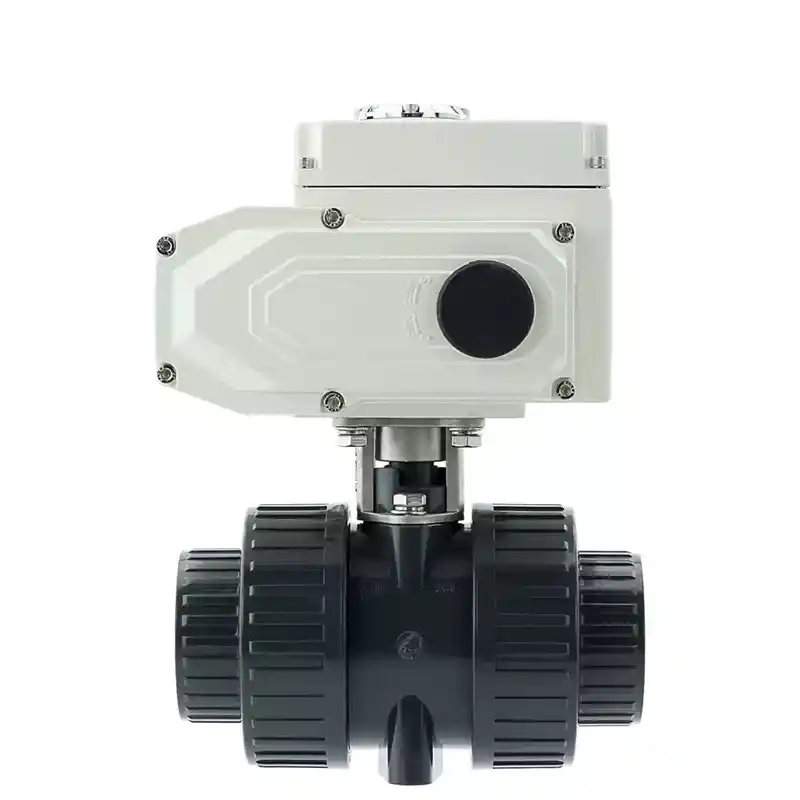
Electric Actuated Plastic Ball Valve
-
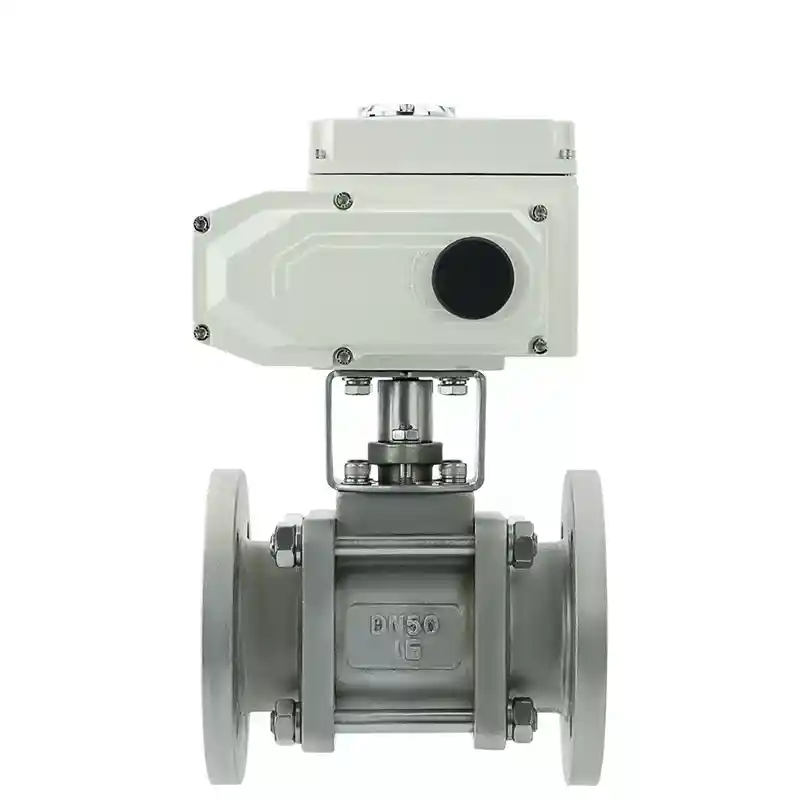
Electric Actuated Ceramic Lined Ball Valve