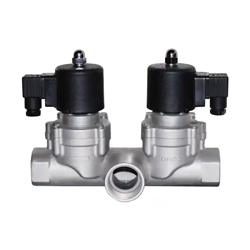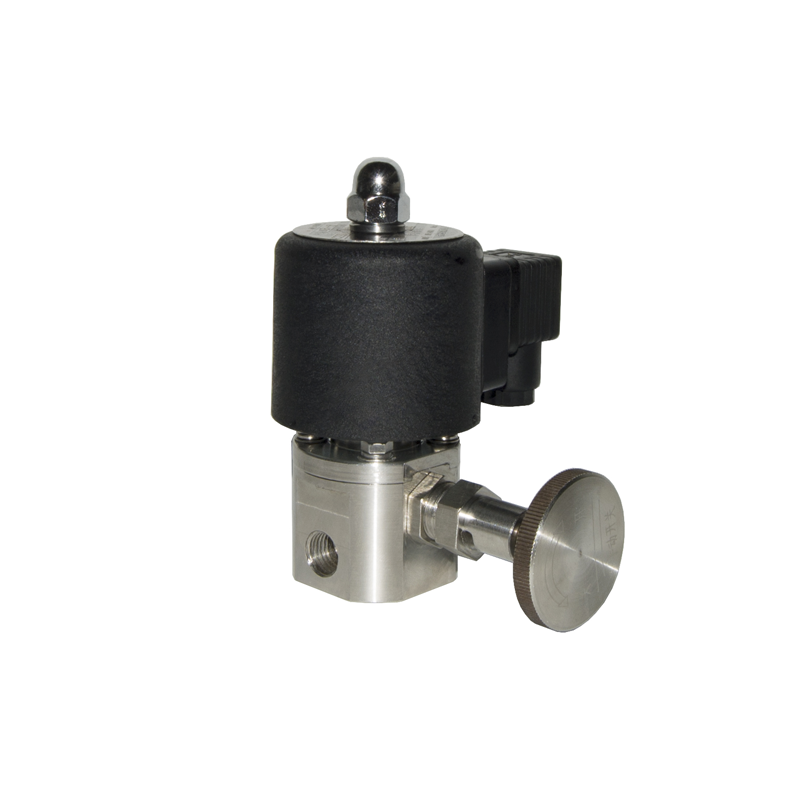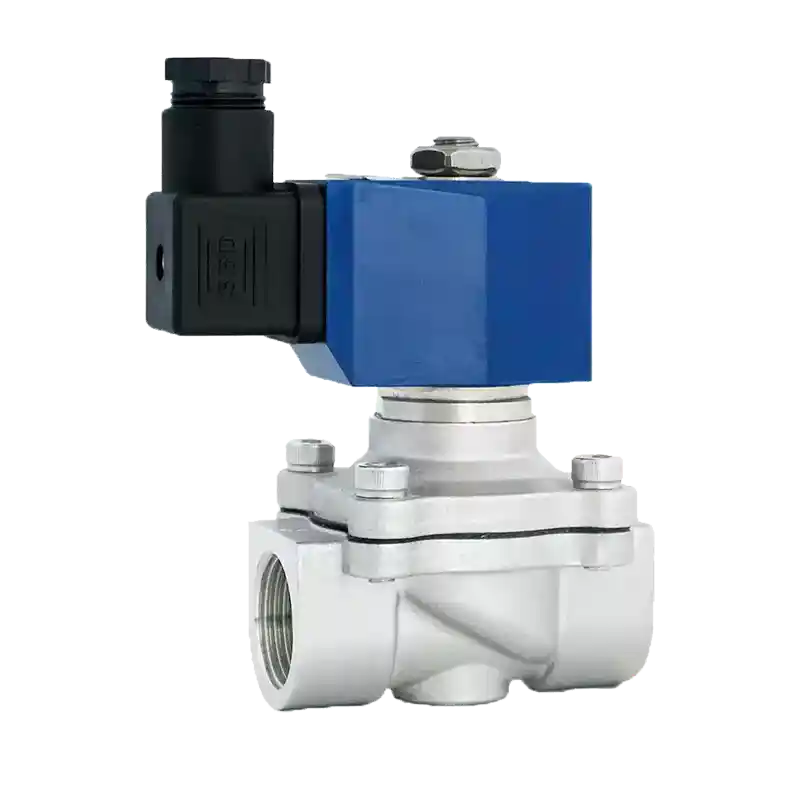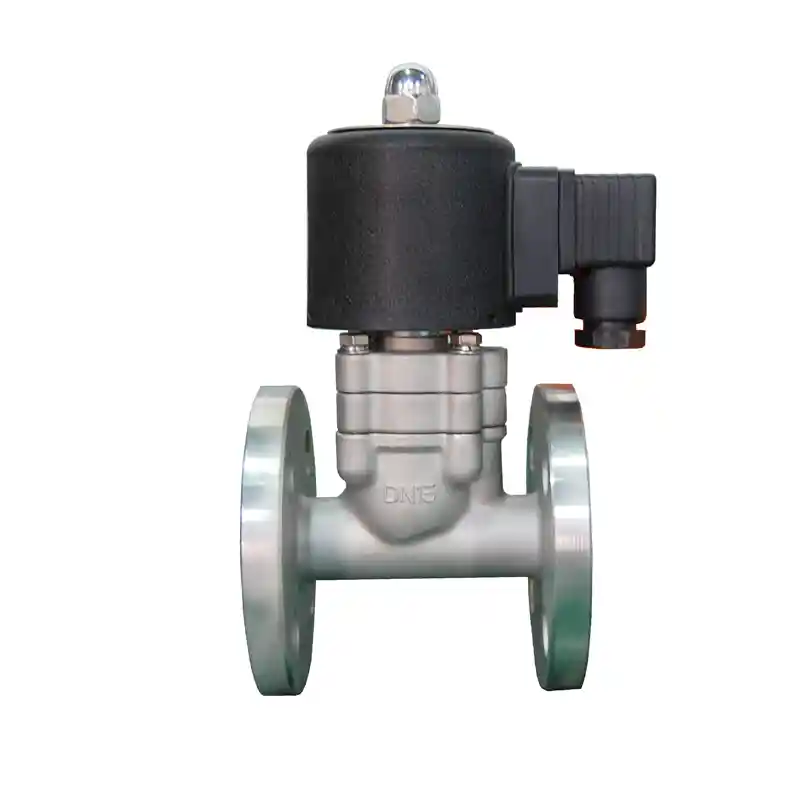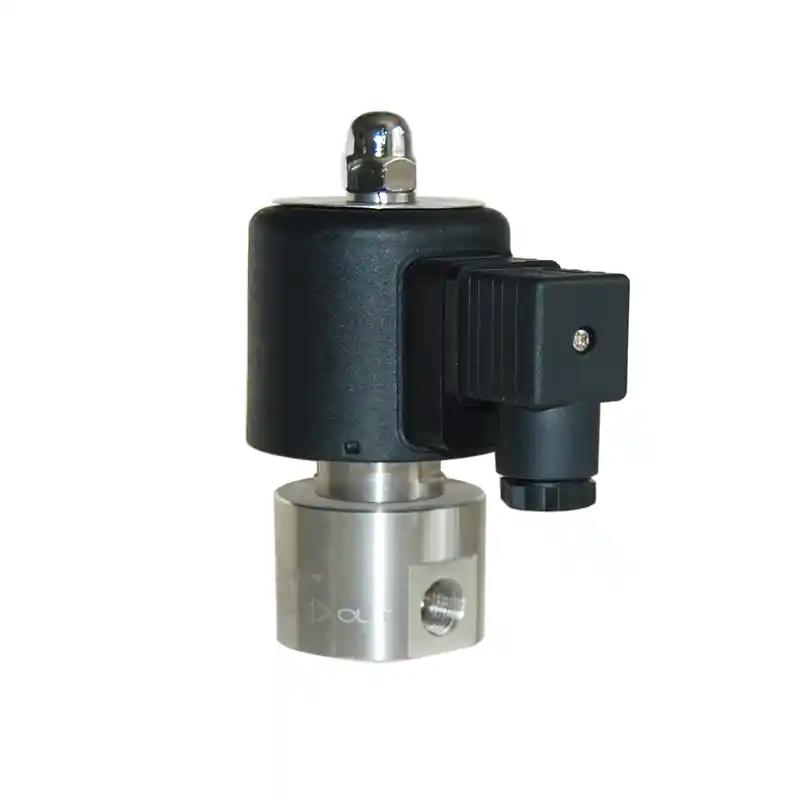


Cryogenic Solenoid Valves
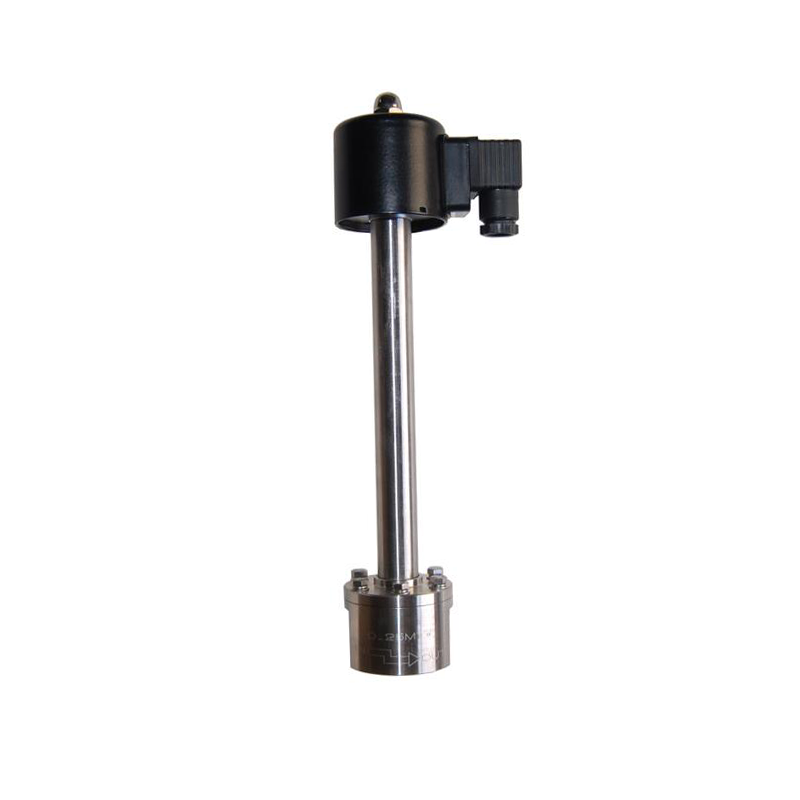
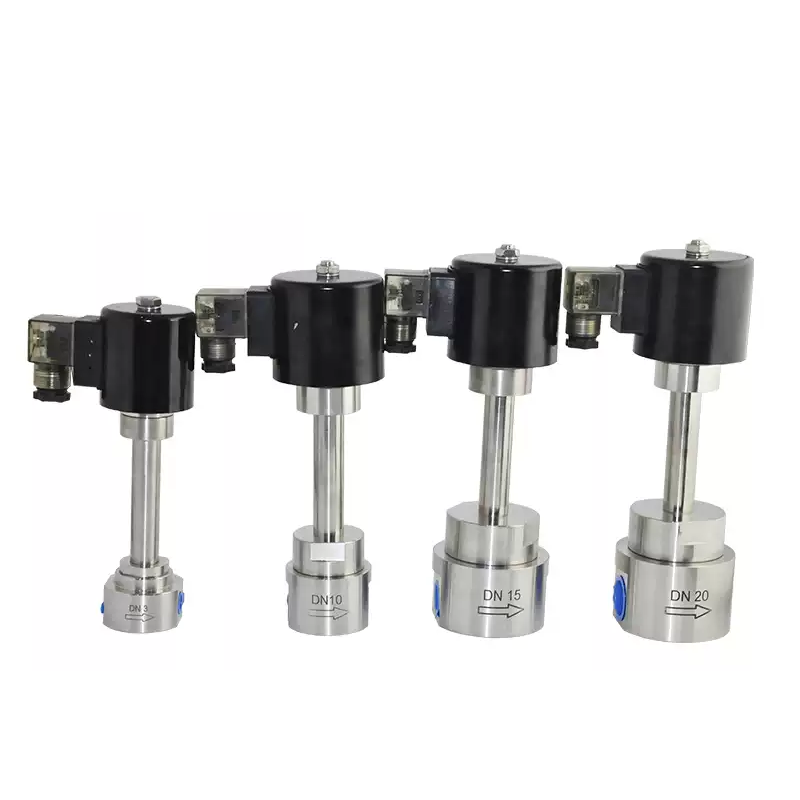
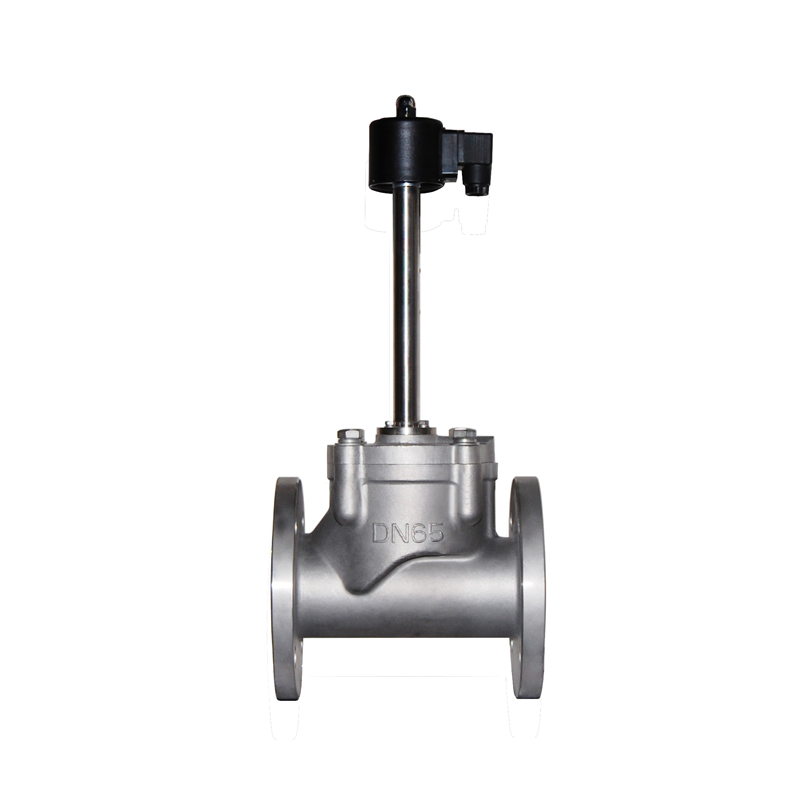
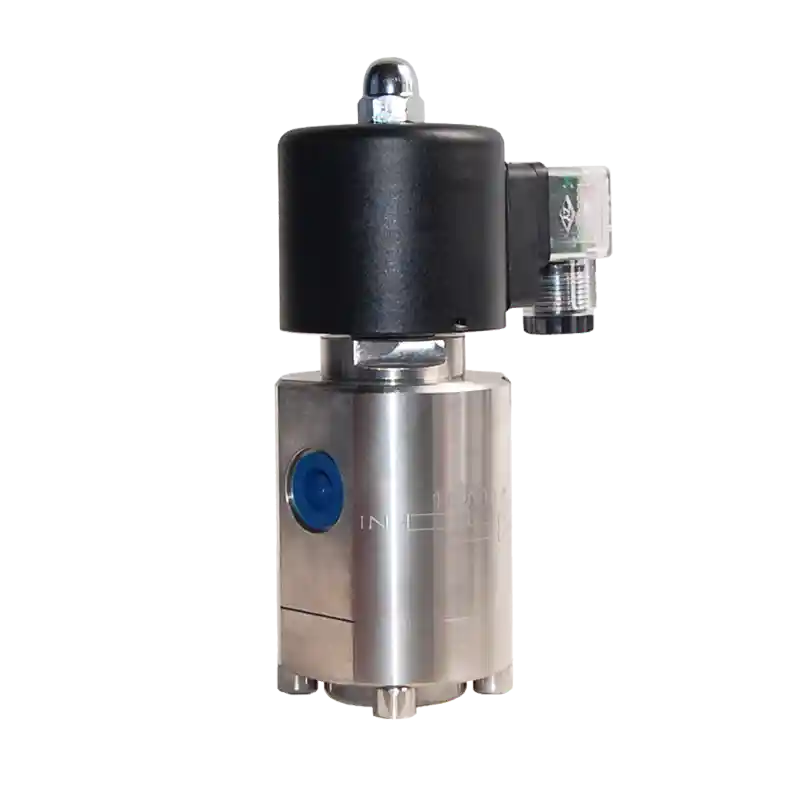
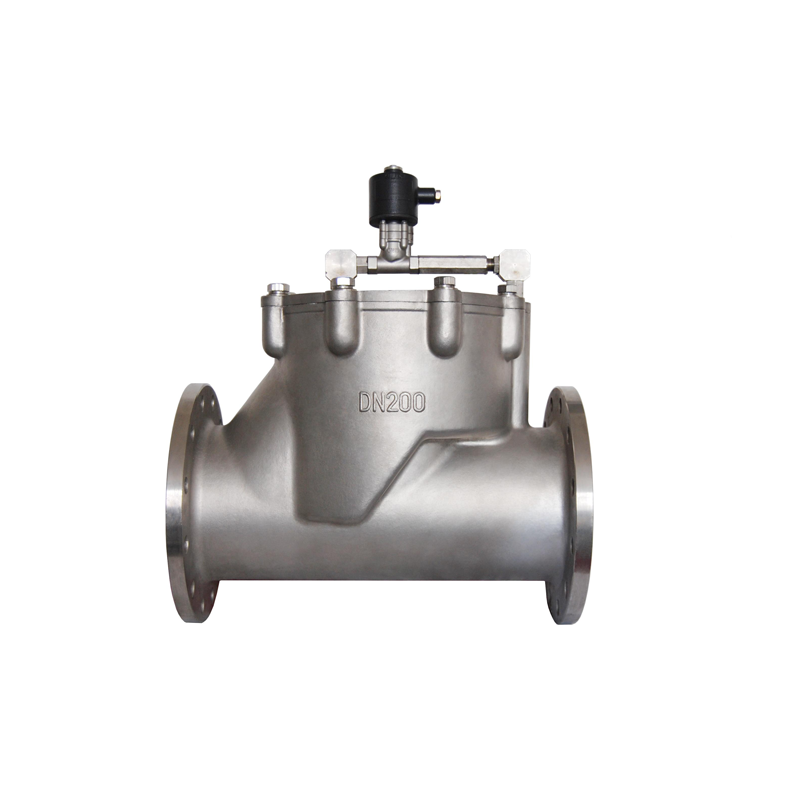
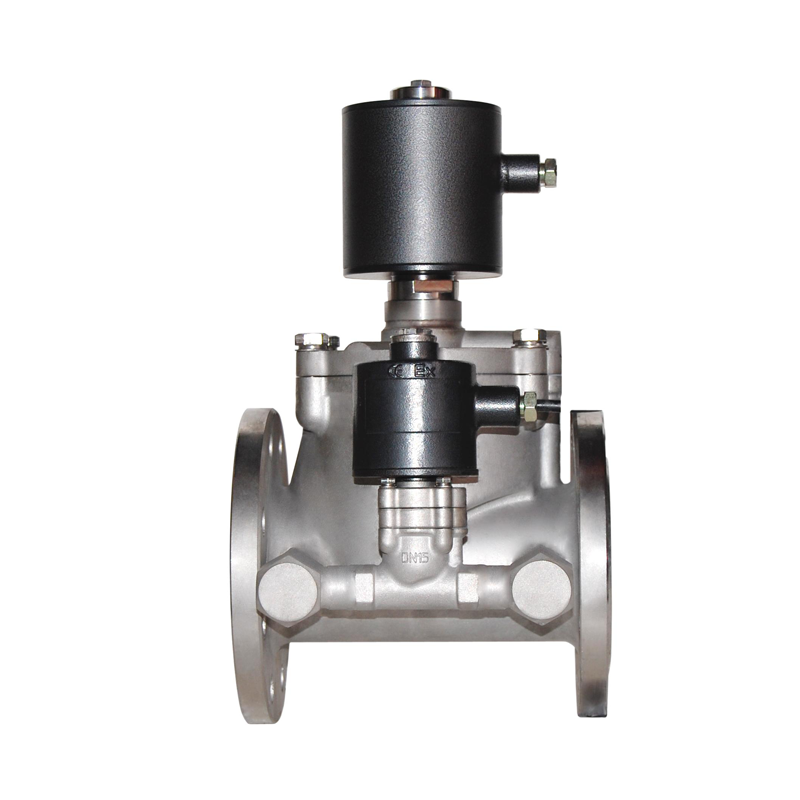
Cryogenic solenoid valves are mainly used in cryogenic working conditions with a temperature of -196℃. As common pipeline switching components in automatic control systems, they are widely applied in pipeline devices of industrial sectors such as refrigeration equipment, food machinery, air separation equipment, petrochemicals, metallurgy, exhaust gas separation equipment, ethylene plants, liquefied natural gas (LNG) plants, cryogenic storage tanks and tank trucks, pressure swing adsorption oxygen generation equipment, liquid nitrogen storage equipment, and cryogenic test devices. They realize the automatic control of various media such as gases, liquids, and oils in the system, achieving energy saving and process control automation.
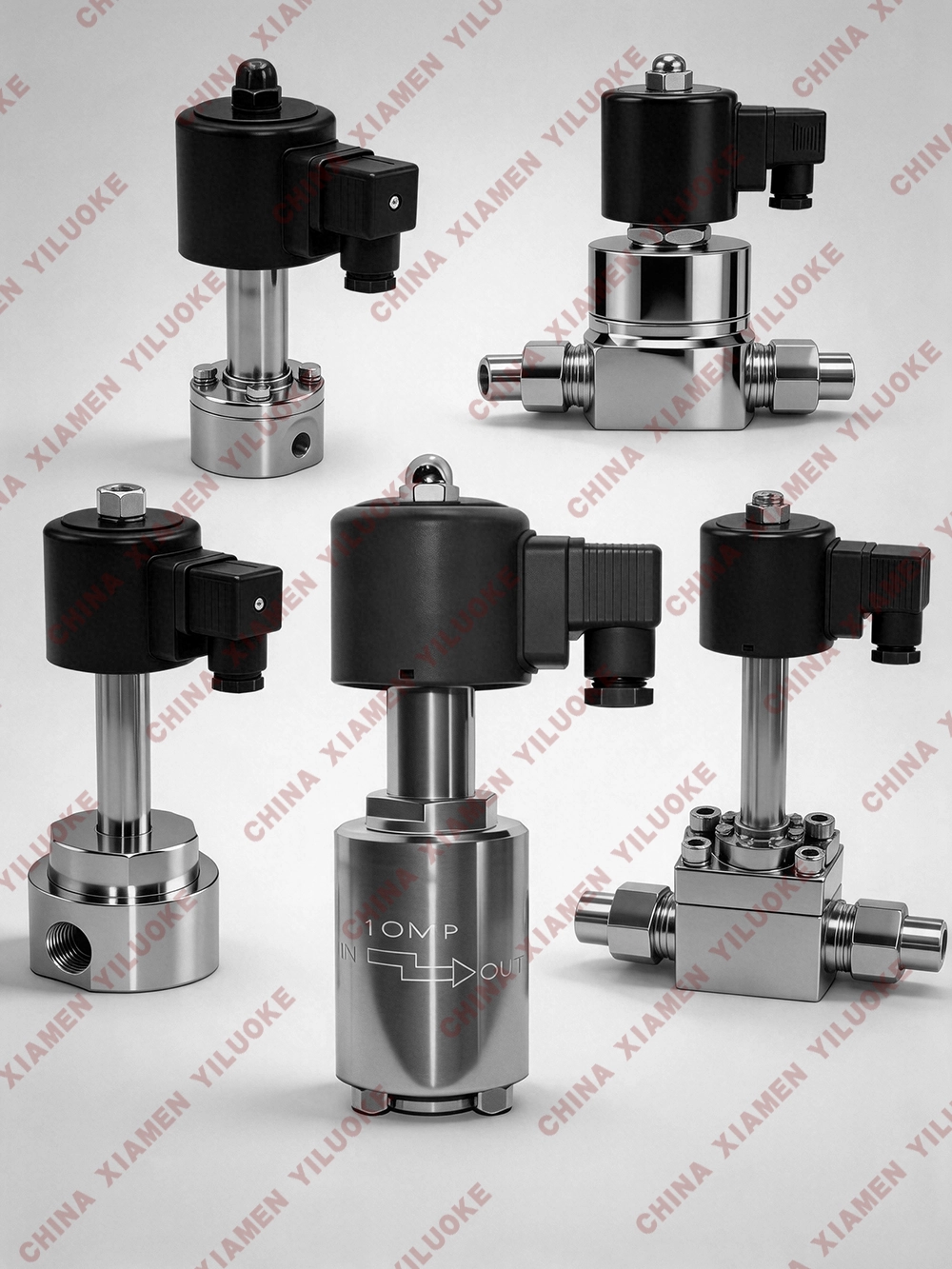
2. Performance Features
Suitable for both liquid and gaseous media, expanding the application range of the valve.
Equipped with a special plastic-sealed coil, improving the valve’s reliability and providing waterproof and moisture-proof performance.
Horizontal design with the coil installed upward; fast response speed.
The valve body is manufactured using a hot forging process, featuring an aesthetic and compact appearance.
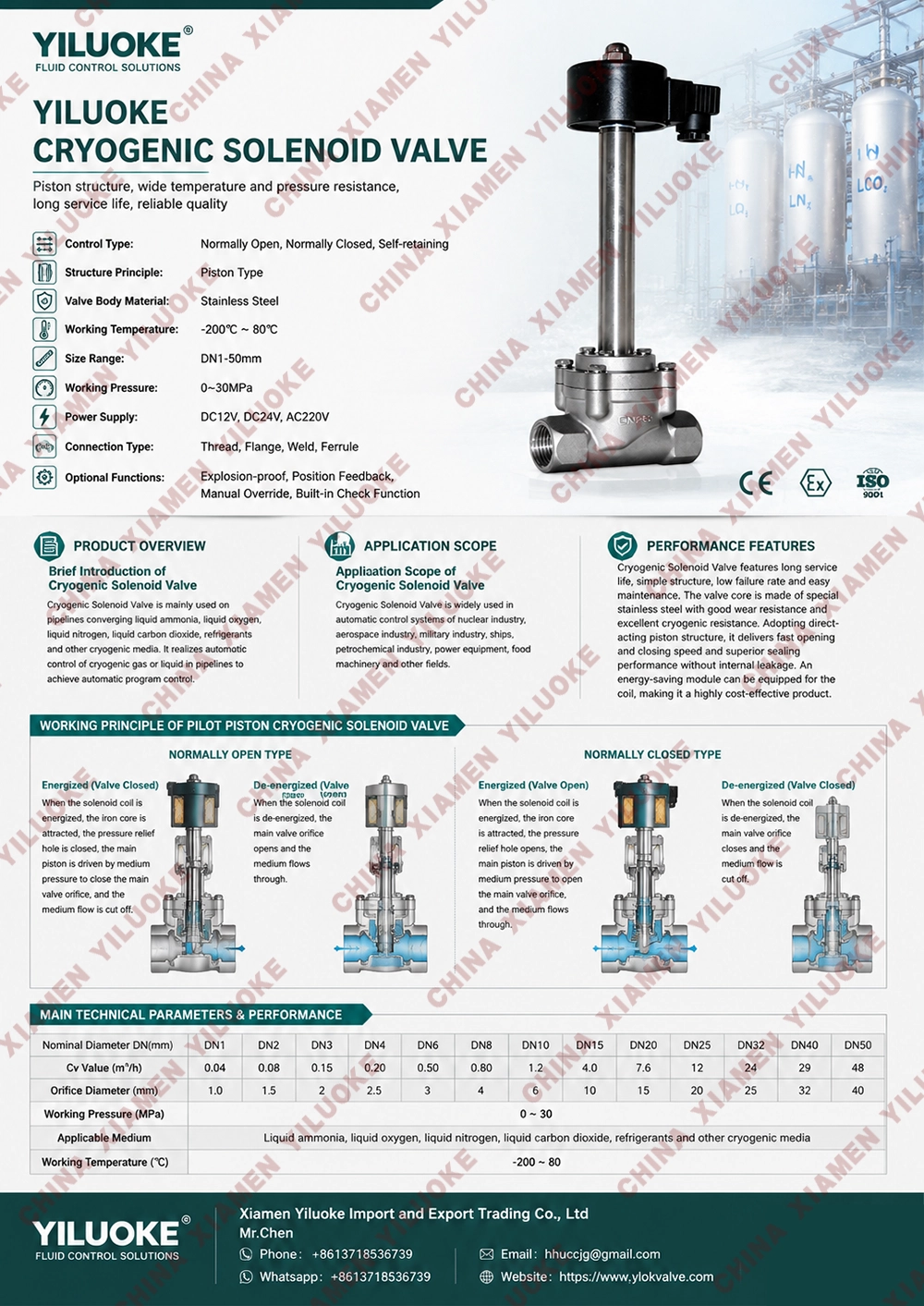
3. Technical Parameters
| Parameter Name | Specifications |
|---|---|
| Nominal Diameter | DN15~DN200 (1/8"~10") |
| Operation Mode | Pilot type, direct-acting type, explosion-proof type |
| Operating Environment Temperature | -30—+80℃; -50—+100℃ |
| Coil Operating Temperature | <+50℃, <+85℃ |
| Control Mode | Normally Open (NO), Normally Closed (NC) |
| International Standard Voltage | AC (380, 220, 110, 24) V; DC (220, 110, 24, 12) V |
| Circulating Fluid Medium | Refrigerants, liquid nitrogen, liquid oxygen, liquid argon, carbon dioxide, etc. |
| Circulating Fluid Temperature | -196℃ |
| Circulating Fluid Pressure | -0—0.1MPa, 0.6MPa, 1.6MPa, 2.5MPa, 4.0MPa, 6.3MPa~30MPa |
| Valve Body Material | Cryogenic stainless steel (304, 316, 316L) |
| Connection Method | Threaded (internal thread, external thread), flanged, welded, clamped |
4. Product Size Parameters
| Product Model | Bore Size | Connection Thread G | Pressure Range (AC) | Pressure Range (DC) | L | H |
|---|---|---|---|---|---|---|
| Yiluoke03 | 03 | 1/4" | 0~16 | 0~16 | 50 | 310 |
| Yiluoke06 | 06 | 1/4" | 0~16 | 0~16 | 50 | 310 |
| Yiluoke08 | 08 | 3/8" | 0.4~16 | 0.4~16 | 50 | 310 |
| Yiluoke10 | 10 | 3/8" | 0.4~16 | 0.4~16 | 60 | 310 |
| Yiluoke15 | 15 | 1/2" | 0.4~16 | 0.4~16 | 60 | 315 |
| Yiluoke20 | 20 | 3/4" | 0.4~16 | 0.4~16 | 92 | 320 |
| Yiluoke25 | 25 | 1" | 0.4~16 | 0.4~16 | 110 | 328 |
| Yiluoke32 | 32 | 1-1/4" | 0.4~16 | 0.4~16 | 120 | 340 |
| Yiluoke40 | 40 | 1-1/2" | 0.4~16 | 0.4~16 | 140 | 350 |
| Yiluoke50 | 50 | 2" | 0.4~16 | 0.4~16 | 160 | 365 |
5. Cryogenic Treatment Process
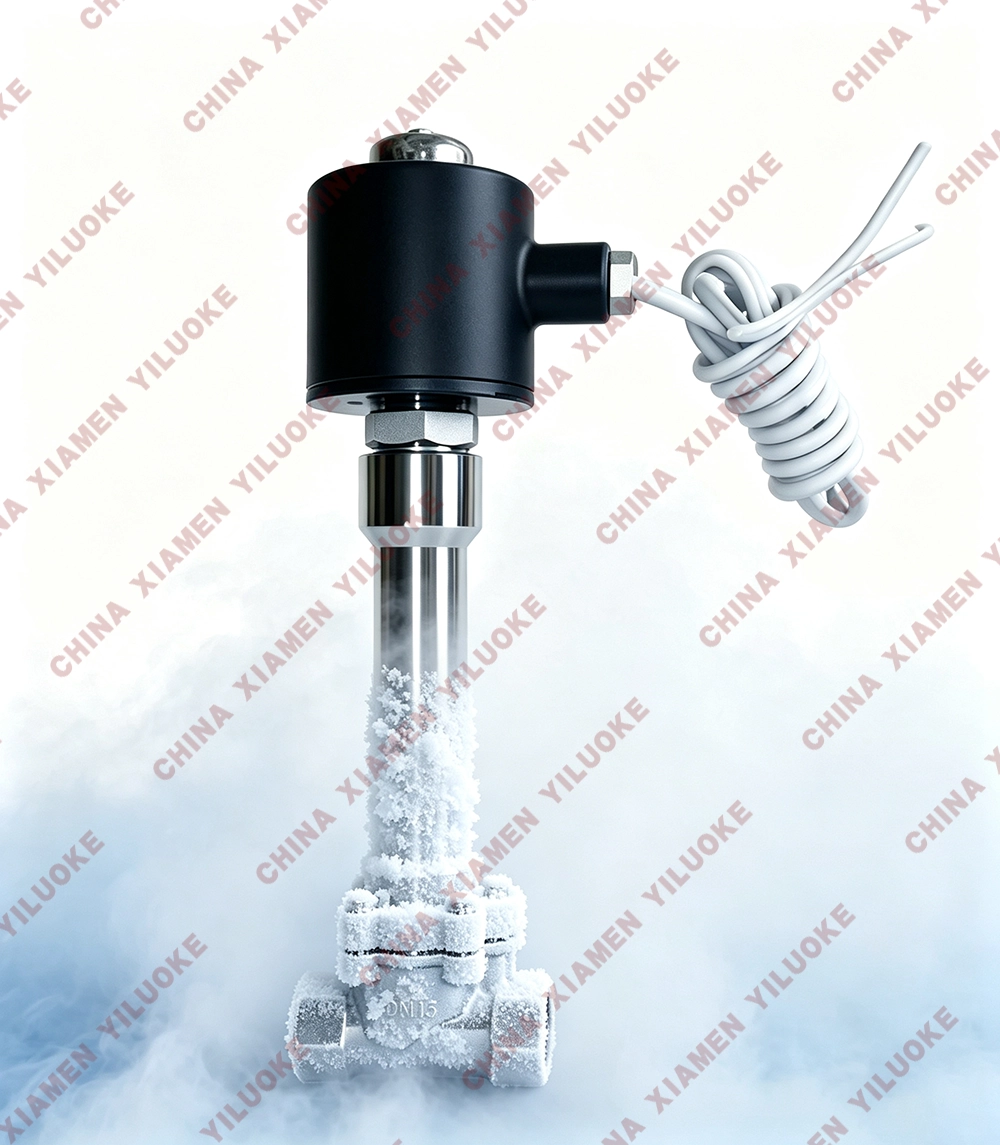
The cryogenic treatment technology for solenoid valves adopts refrigerant as the cooling medium to continue the cooling process of quenched metal materials down to an extremely low temperature (-196℃) far below ambient temperature, so as to optimize the properties of metal materials. As a new process developed in recent years to enhance the performance of metal workpieces, cryogenic treatment represents the most effective and cost-efficient technical solution available today.
During cryogenic processing, a large amount of residual austenite in metal transforms into martensite. Especially, supersaturated metastable martensite reduces its supersaturation during temperature rise from -196℃ to room temperature, precipitating ultra-fine carbides with a size of only 20~60 Angstroms that maintain a coherent relationship with the matrix. These carbides alleviate lattice distortion of martensite and reduce micro-stress. The finely dispersed carbides hinder dislocation movement during plastic deformation of materials, strengthening the matrix structure. Meanwhile, the uniformly distributed ultra-fine carbide particles on the martensite matrix mitigate grain boundary embrittlement. The refined matrix structure lowers the segregation of impurity elements at grain boundaries and achieves grain boundary strengthening. As a result, the performance of workpieces is improved with remarkable increases in hardness, impact toughness and wear resistance.