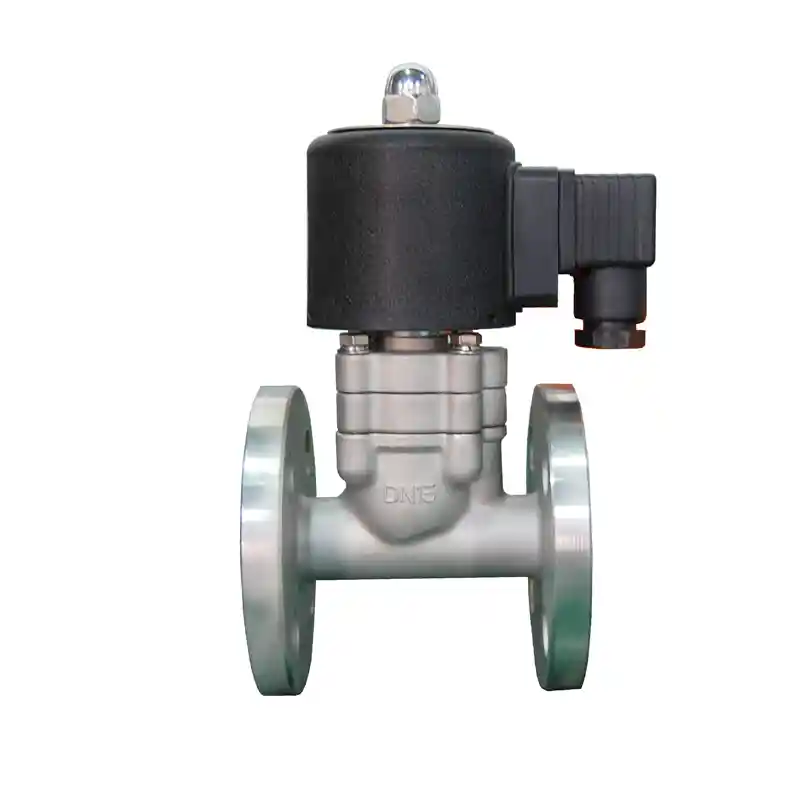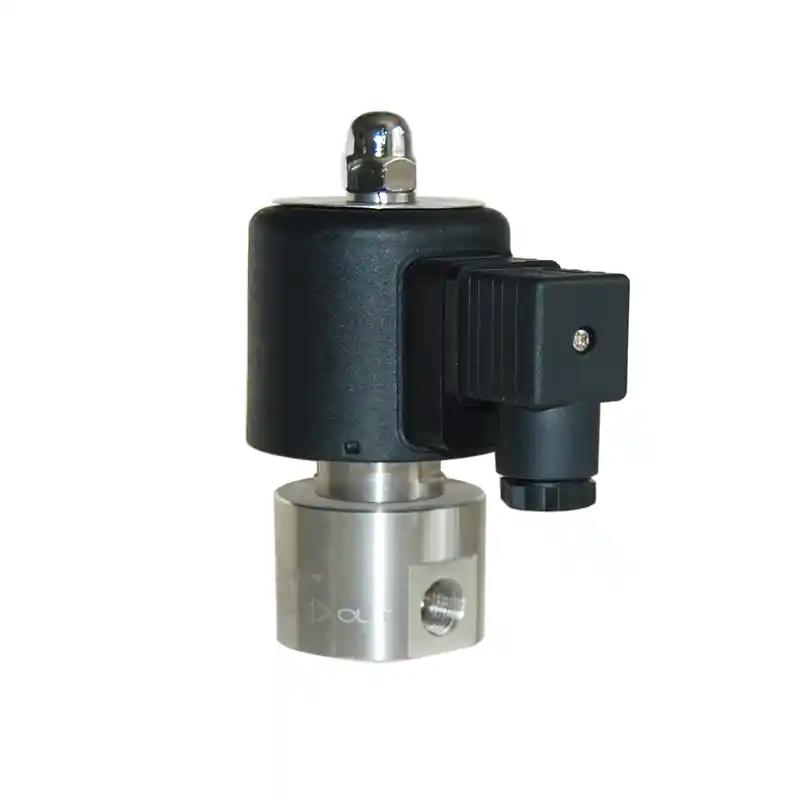


PTFE Solenoid Valves
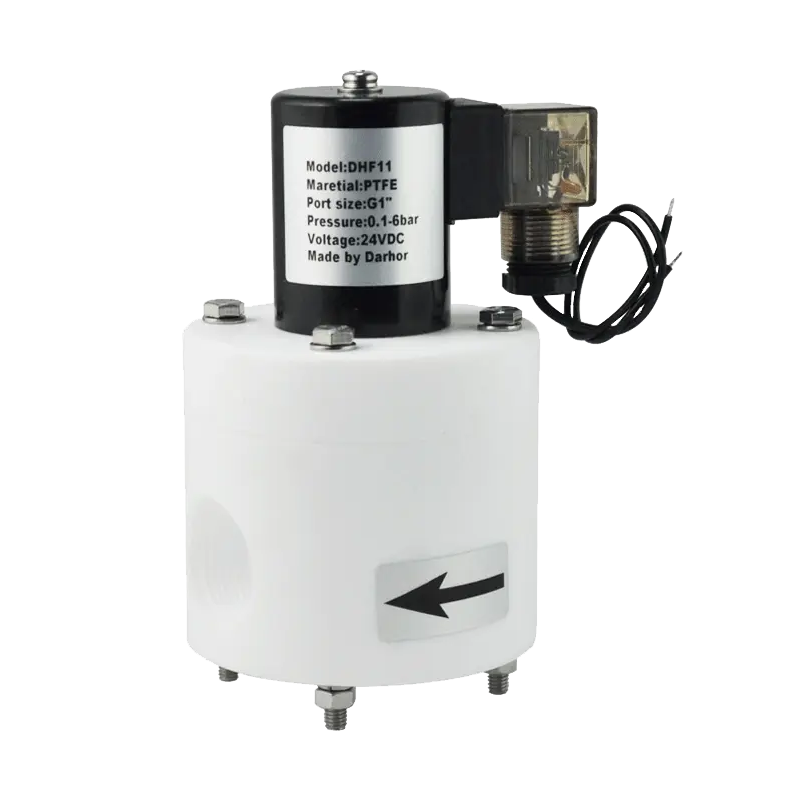
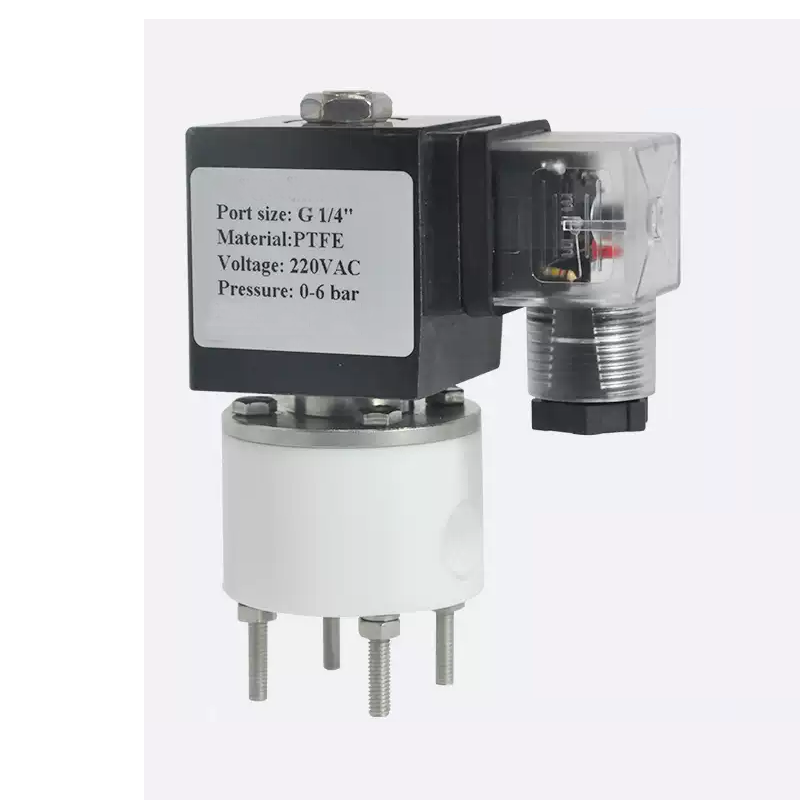
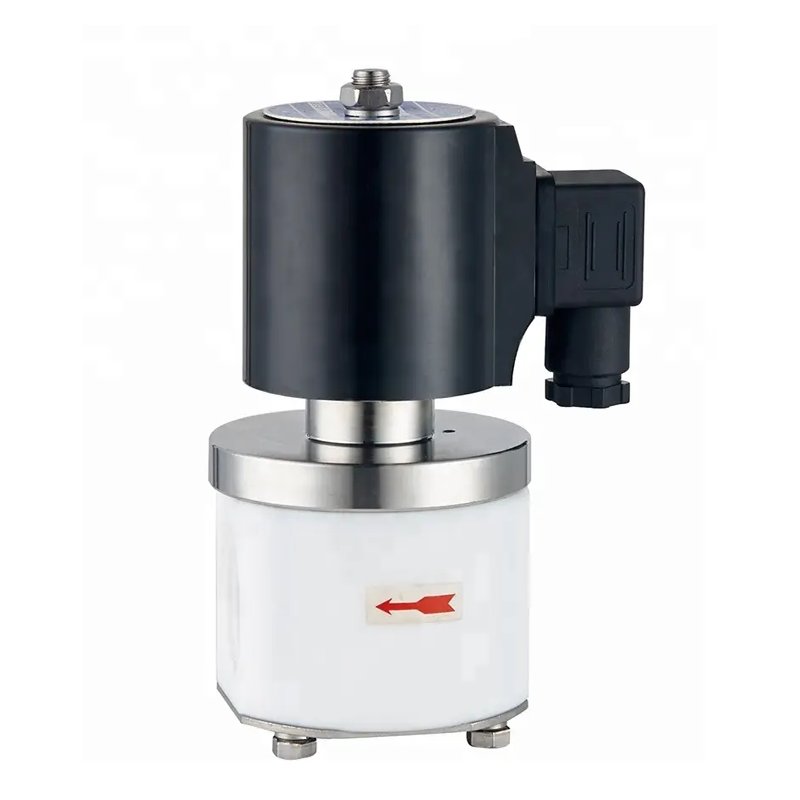
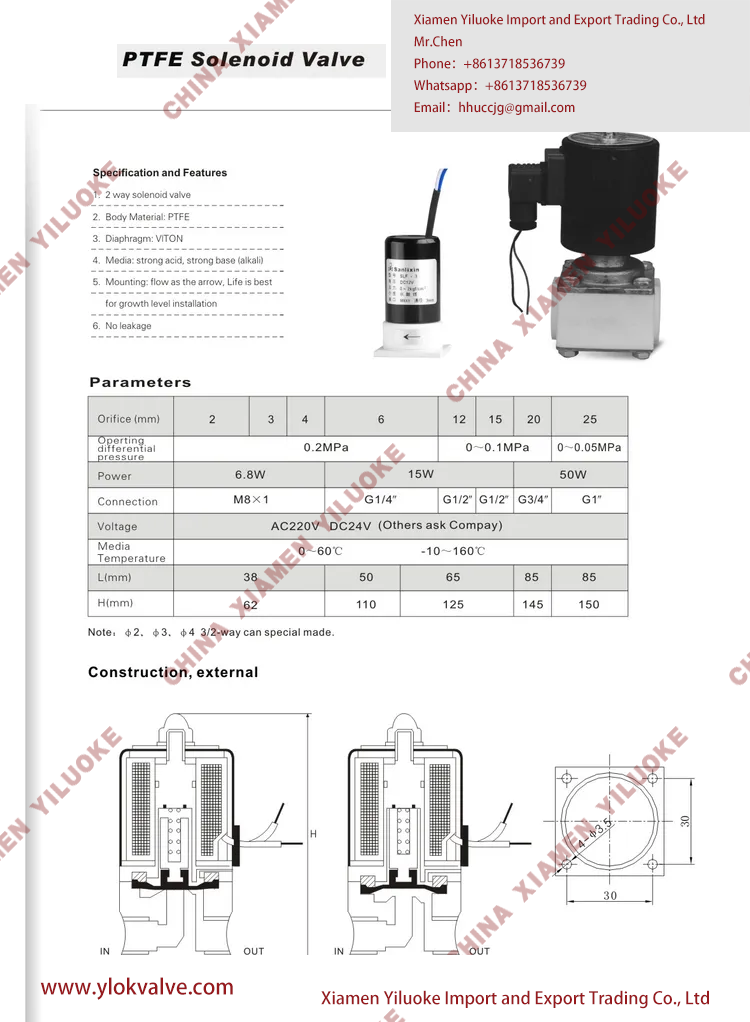
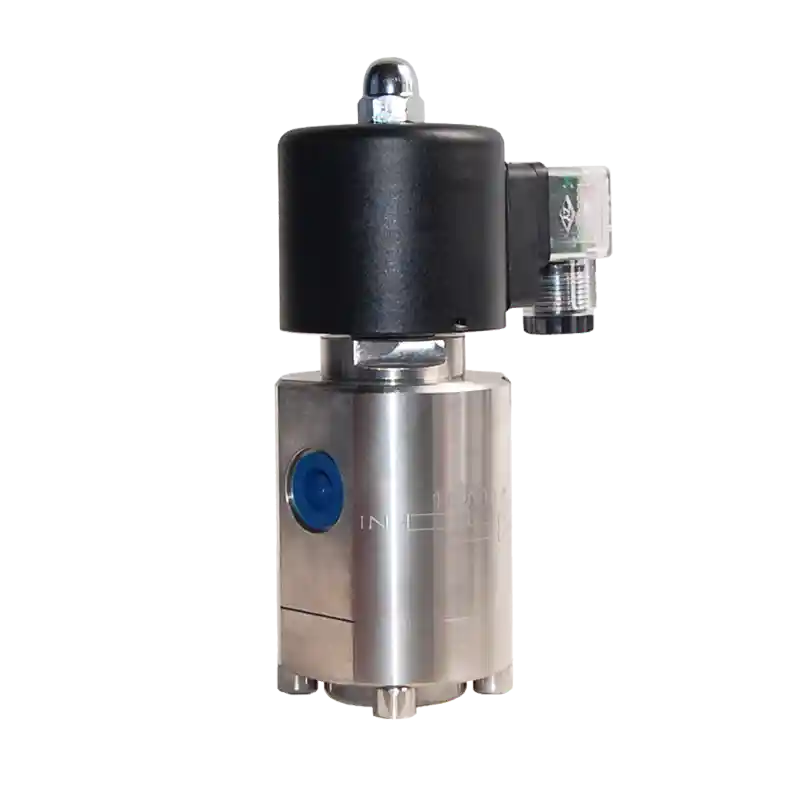
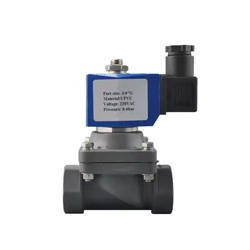
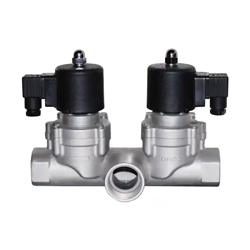
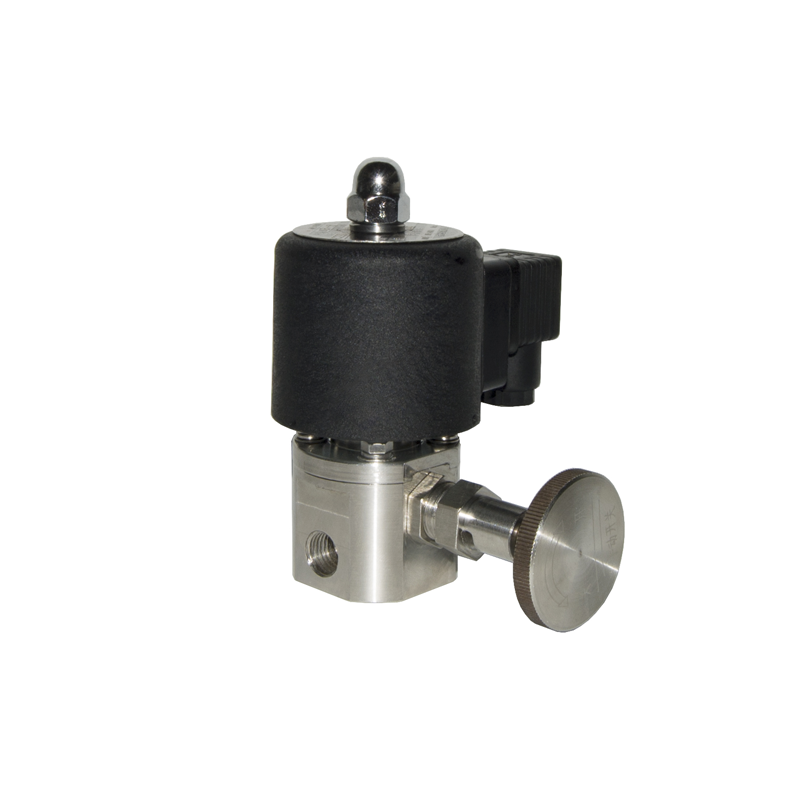
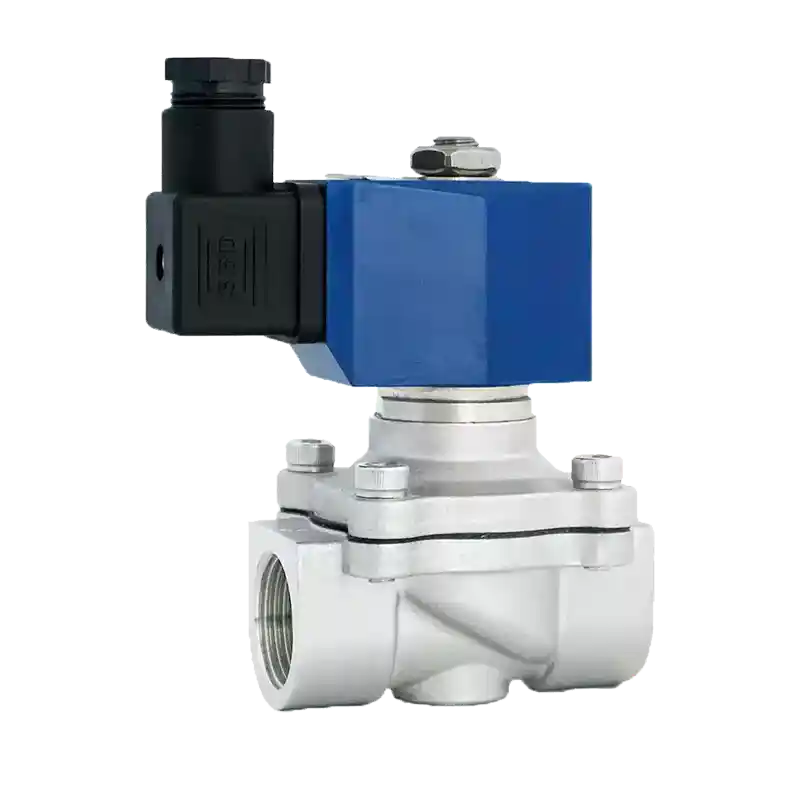
PTFE (Polytetrafluoroethylene) solenoid valves are made of a polymer compound polymerized from tetrafluoroethylene. They can resist various strong acids (up to 98%), strong alkalis, and strong oxidants. With a unique structural process, the fluid medium is completely isolated from other components, achieving true corrosion resistance. Adopting an isolated piston-type structure, they feature a long service life.
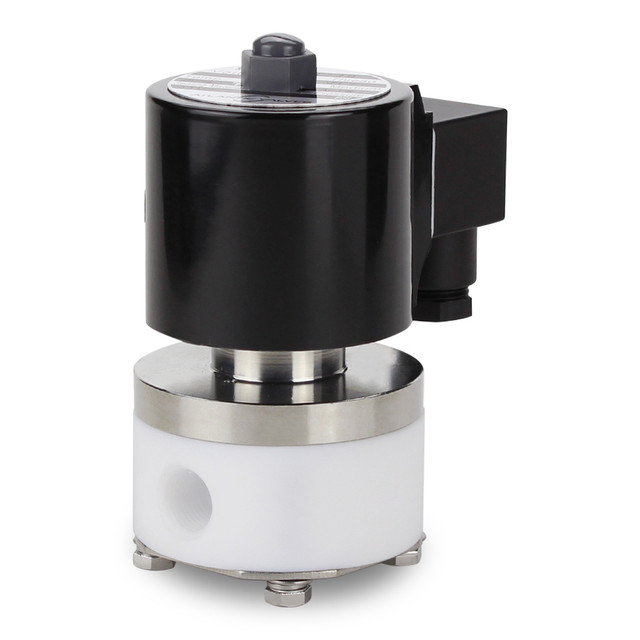
Structural Features
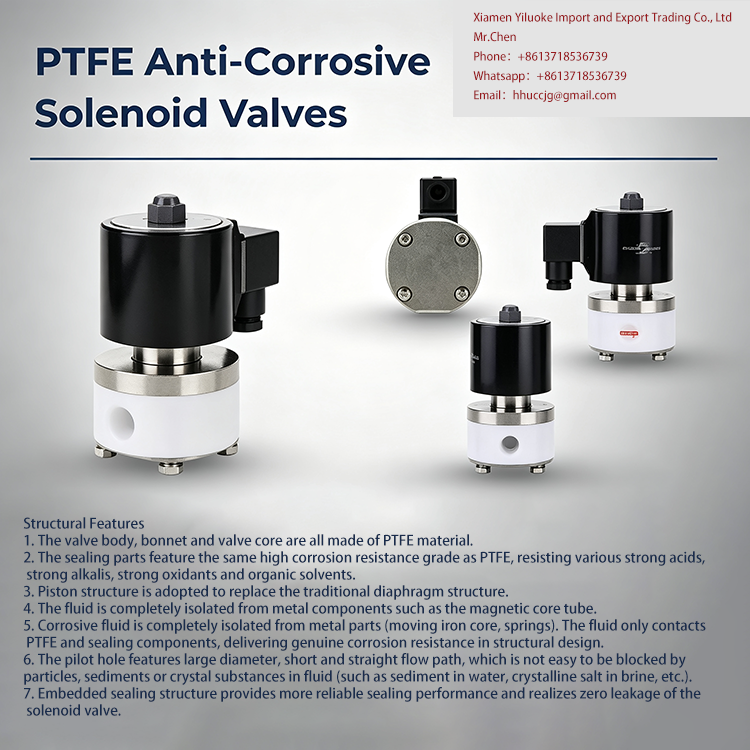
a) Corrosive fluid is completely isolated from metal parts (moving iron core, springs). The fluid only contacts PTFE and sealing components, delivering genuine corrosion resistance in structural design.
b) Piston is adopted to replace diaphragm in structural design, preventing diaphragm rupture, swelling and failure caused by corrosive fluid, and extending the service life of the solenoid valve.
c) The pilot hole features large diameter, short and straight flow path, which is not easy to be blocked by particles, sediments or crystal substances in fluid (such as sediment in water, crystalline salt in brine, etc.).
d) Embedded sealing structure provides more reliable sealing performance and realizes zero leakage of the solenoid valve.
Application Fields
PTFE Chemical Solenoid Valve features excellent corrosion resistance and is inert to most common chemicals. It owns heat resistance with applicable temperature ranging from -100℃ to 180℃, and the material can work continuously at 230℃~260℃. It is suitable for working conditions with severe corrosion, high temperature, and scenarios where chemicals cannot contact lubricants.
Technical Parameters of PTFE Solenoid Valves
Parameter Category | Specifications |
Connection Size | 1/2"-2" |
Nominal Diameter | 15, 20, 25, 32, 40, 50 (mm) |
Applicable Pressure | 0.01MPa~0.6MPa |
Applicable Medium | Corrosive fluids such as acids, alkalis, and salts |
Connection Method | G thread connection |
Optional Voltage | DC24V, AC220V, AC110V |
Allowable Voltage Fluctuation | ±10% |