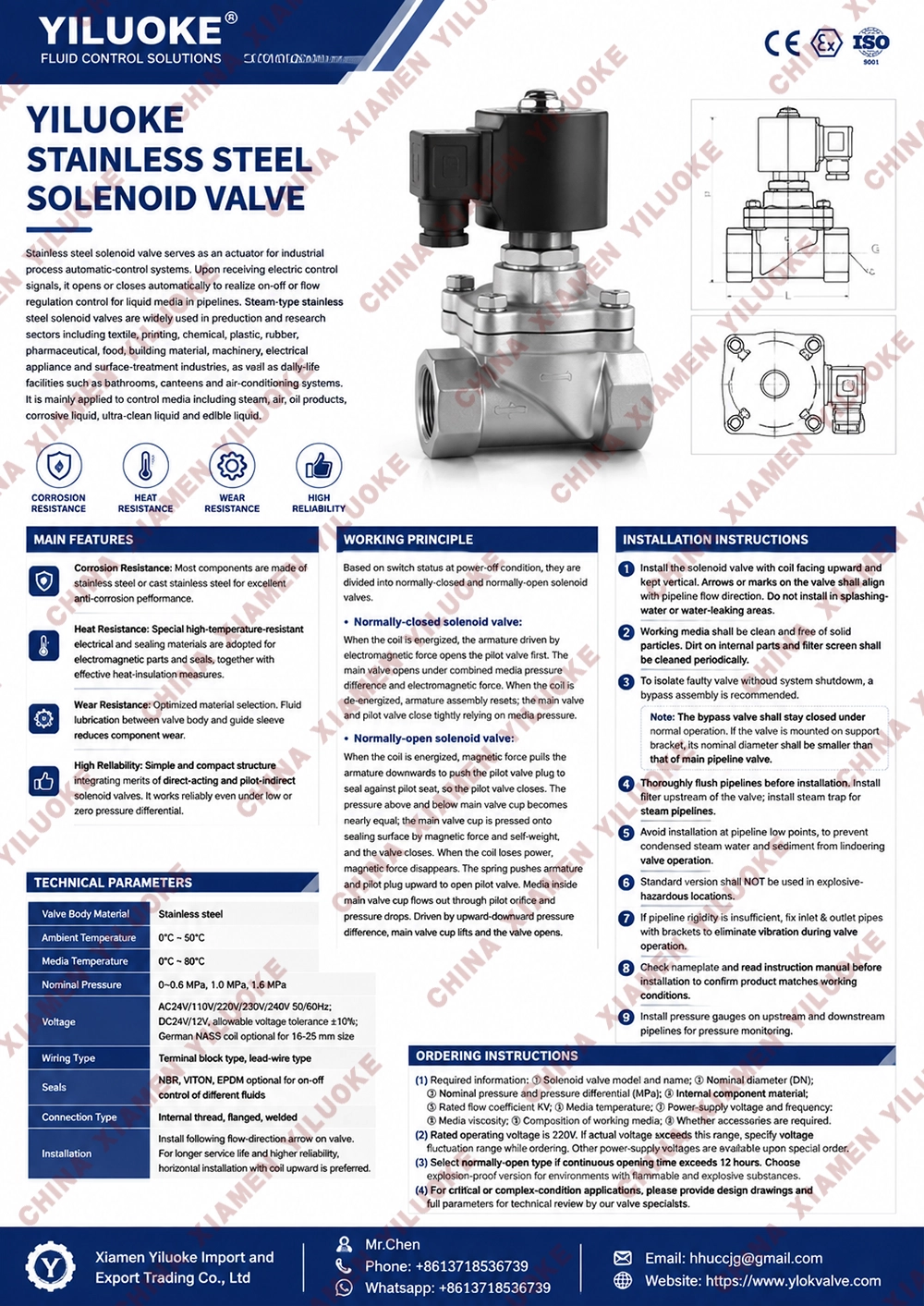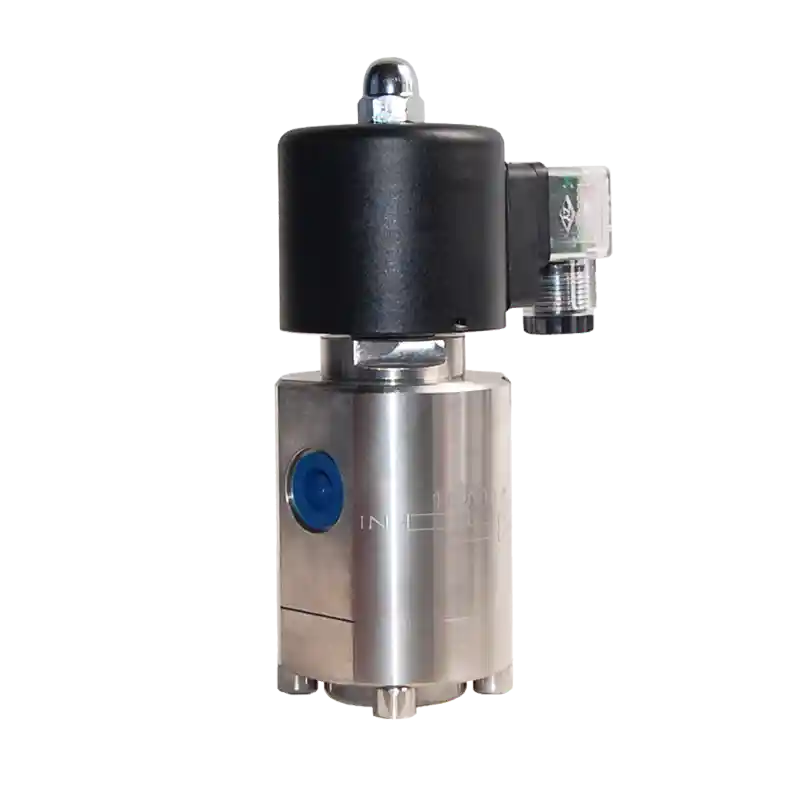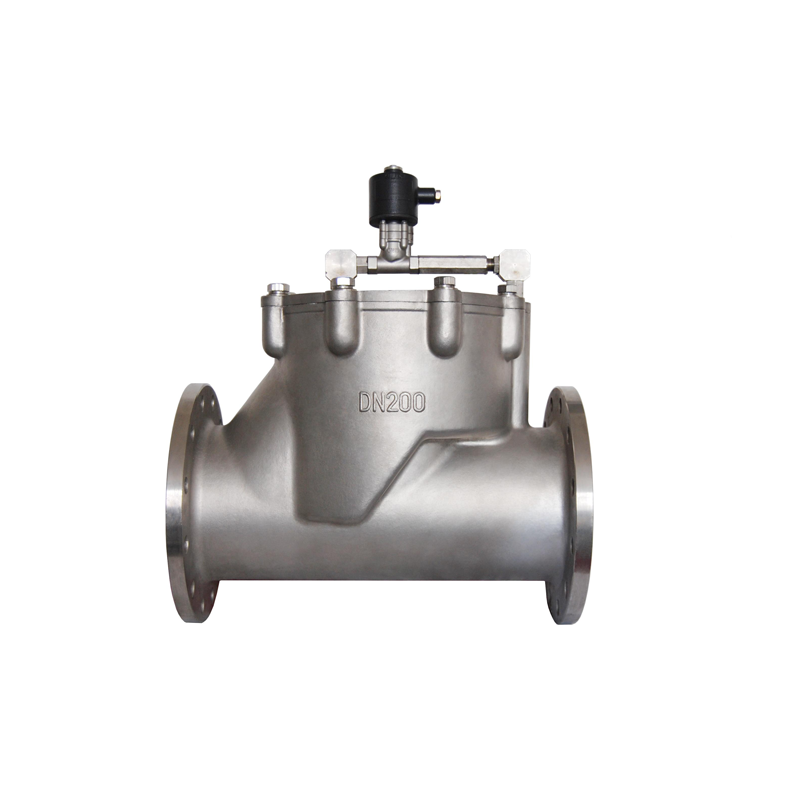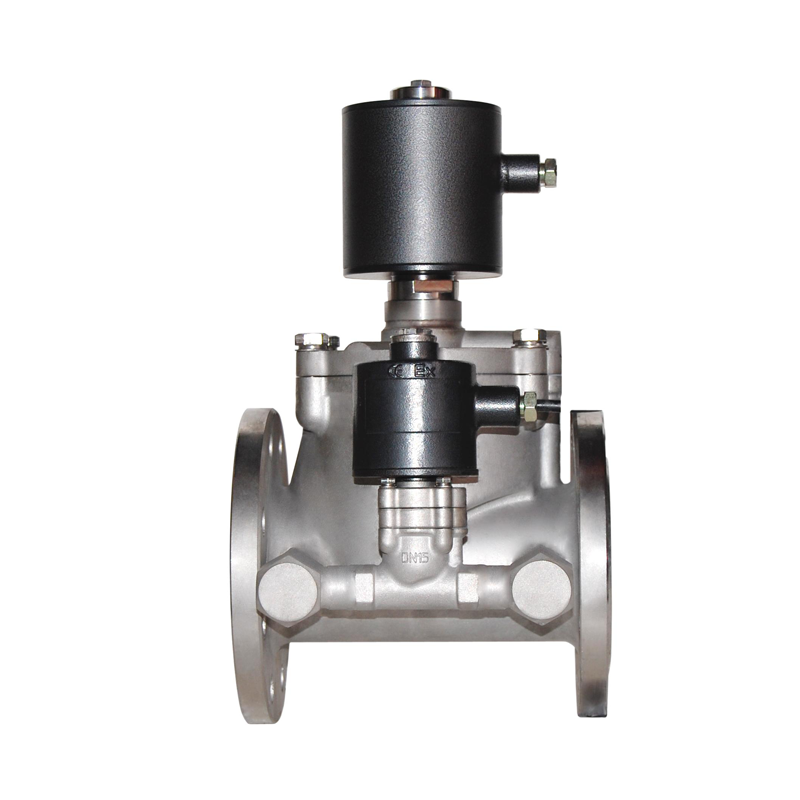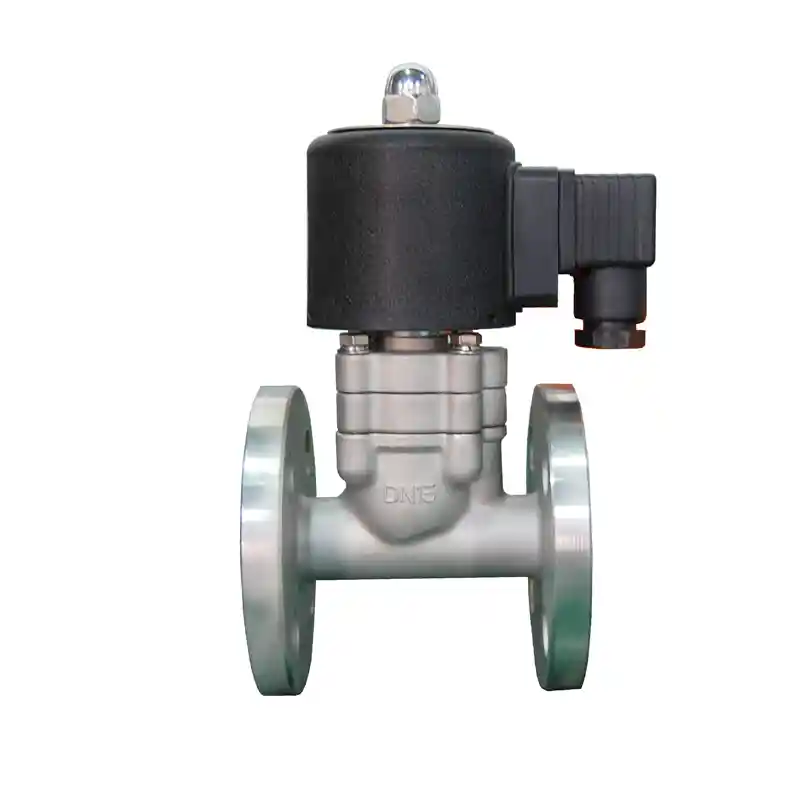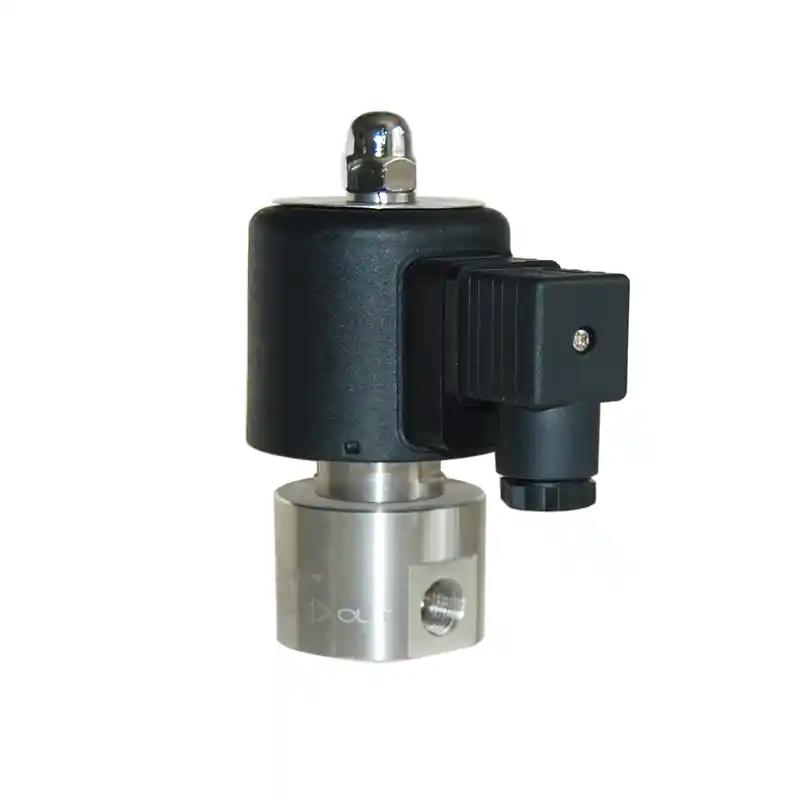


Stainless Steel Solenoid Valves
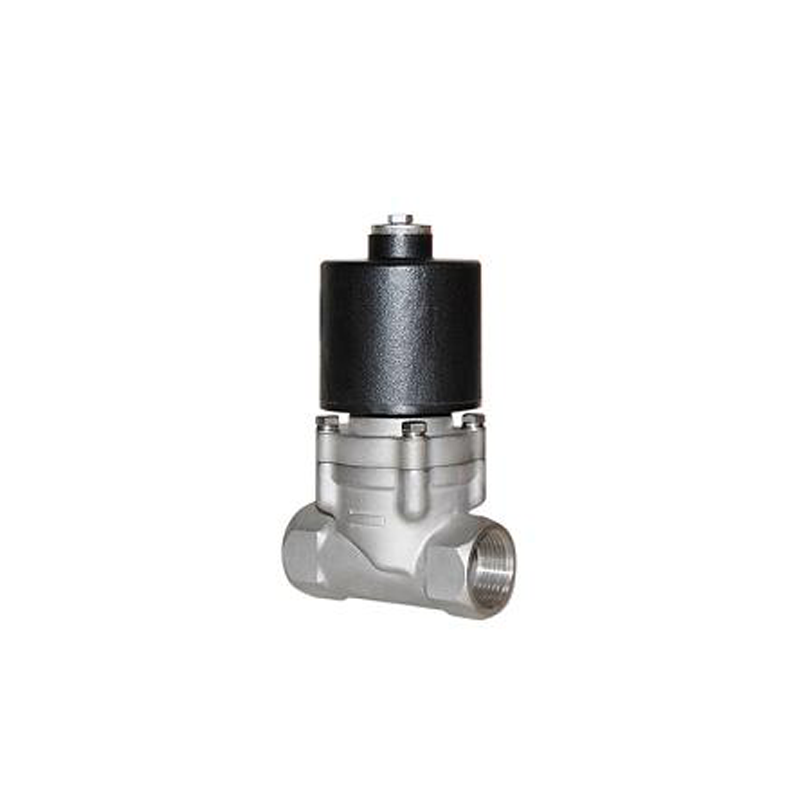
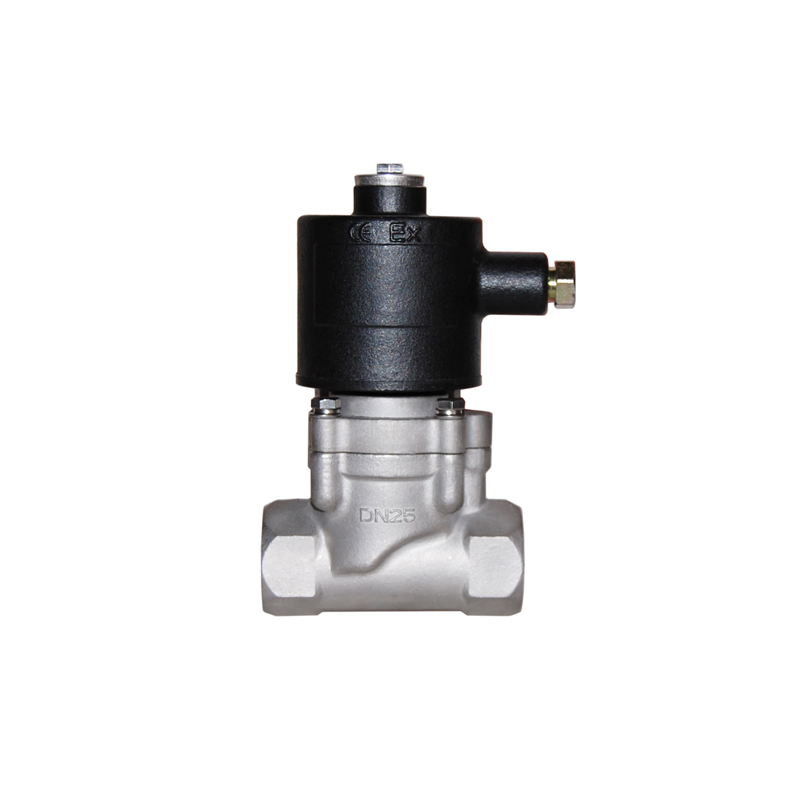
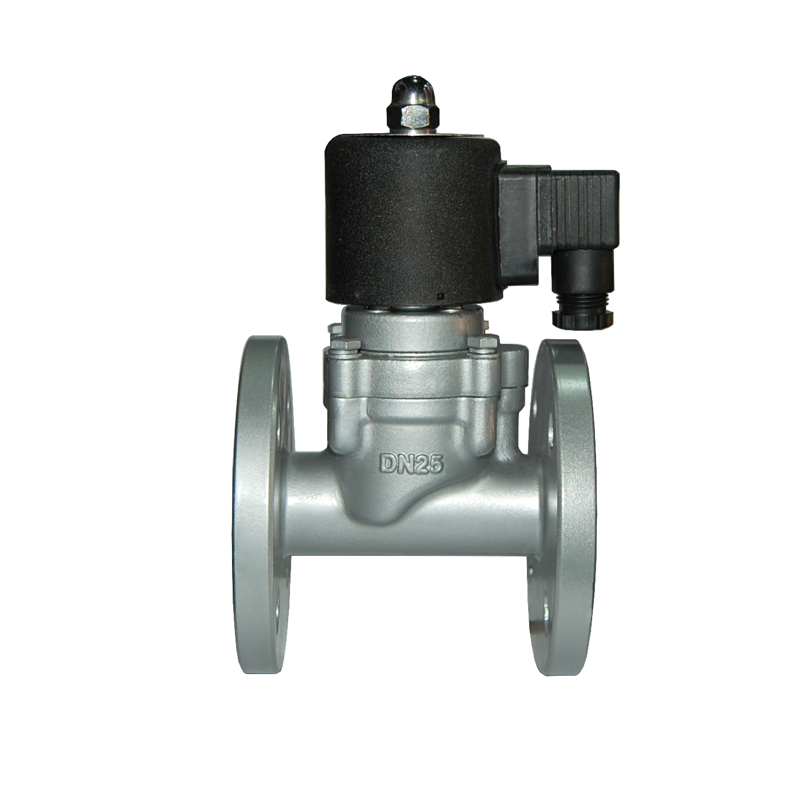
Stainless steel solenoid valves are constructed of 304 and 316 stainless steel, featuring good corrosion resistance. The applicable medium temperature ranges from -200℃ to +350℃, and working pressure covers 0.02‑160MPa. Two core modes are available: normally closed and normally open. For normally closed type, electromagnetic force drives the spool to open after power‑on, and the main valve operates under differential pressure; it closes by medium pressure upon power‑off. Both direct‑acting and pilot‑operated working principles are supported. Protection class reaches IP65. Connection types include internal / external thread, welding and flange. Power supply supports DC12‑127V and AC24‑380V. Explosion‑proof models and solutions for high‑viscosity media can be customized for special working conditions.
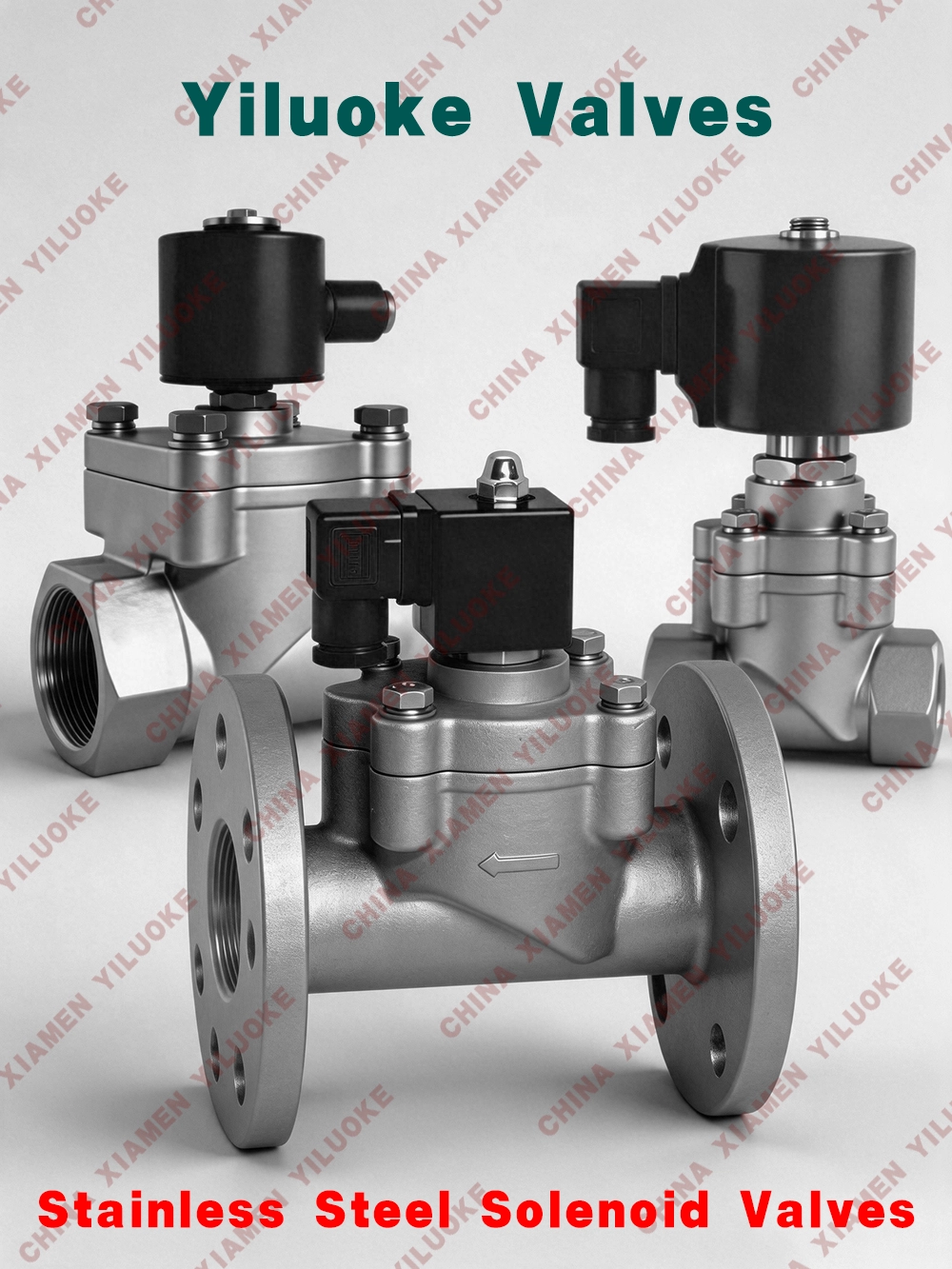
Working Principle
The stainless steel solenoid valve converts electromagnetic potential energy into mechanical energy. There is a movable iron core or steel ball inside the valve body. When the solenoid coil is energized, electromagnetic force attracts the iron core upward to open the valve via spring plate or elastic ball. When power is cut off, the iron core or steel ball falls back without electromagnetic force, and the valve closes under the force of spring plate or ball.
Structural Composition
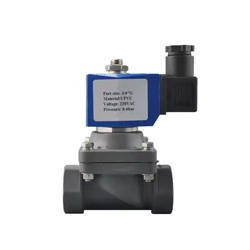
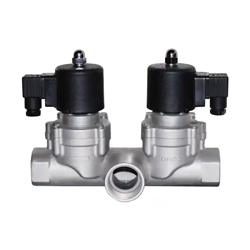
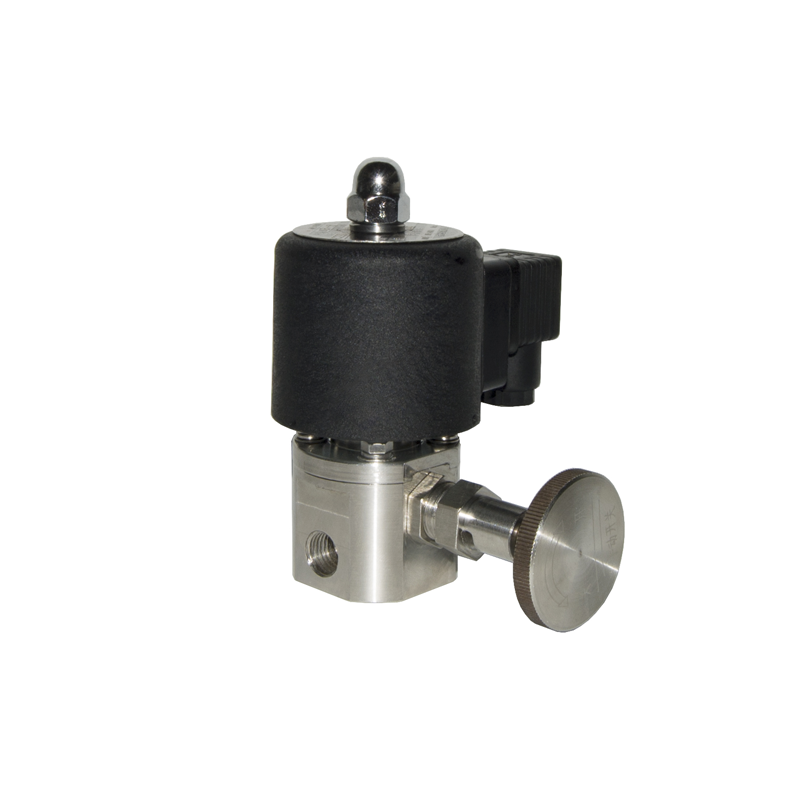
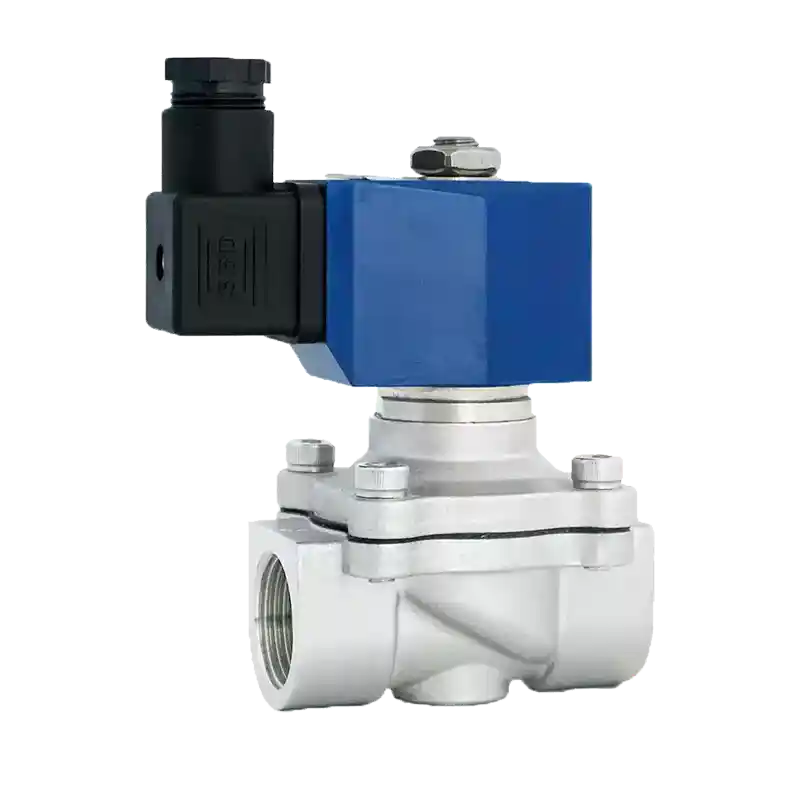
The stainless steel solenoid valve mainly consists of coil, valve body, valve seat, spool and spring. The coil generates magnetic force; the valve body provides movement space for spool; the valve seat fixes the valve body and forms internal fluid passage; the spool moves to open or close fluid passage; the spring supplies reset force for spool. Valve body and valve seat are mostly made of 304, 316 stainless steel for excellent corrosion resistance.
Classification
By action type: normally closed type and normally open type. Normally closed valve stays closed at power‑off and opens at power‑on; normally open type works oppositely.
By fluid medium: solenoid valves for gas, liquid and steam.
By pipe connection: inline type, internal thread type, flange type, etc.
Advantages
1. Simple structure and easy operation.
2. Sensitive response and fast action.
3. Reliable sealing with low external leakage.
4. Compact size and light weight.
5. Corrosion‑resistant and easy to clean.
6. Support remote control.
Product Features
‑ All valve cores adopt stainless steel piston‑type structure with piston rings made of special temperature‑resistant and wear‑resistant materials.
‑ No direct friction between piston and metal valve cavity, allowing unrestricted valve body installation direction.
‑ Equipped with special coil and integrated heat dissipation structure to prevent burnout.
‑ Remains sensitive when restarted after long‑term inactivity.
‑ Minimum starting pressure: 0.3MPa.
Technical Parameters
| Model Specification | DN1~DN300 |
| Applicable Pressure | 0.02~160MPa |
| Applicable Media | Gas, Liquid |
| Medium Temperature | -200~+350℃ |
| Medium Viscosity | Less than 50Cst (Customized for higher viscosity) |
| Protection Class | IP65 |
| Valve Material | 304, 316, 316SS, 316L |
| Control Mode | Normally Open, Normally Closed |
| Power Supply Voltage | DC12~127V, AC24~380V |
| Connection Type | Internal thread, External thread, Welding, Flange (for pressure below 5MPa) |
| Leakage | Zero |
Application Fields
Stainless steel solenoid valves are widely used for medium‑temperature, high‑temperature, normal‑pressure and high‑pressure working conditions. They perform automatic pipeline control for water, gas, hot water, heat‑conducting oil, high‑temperature steam, saturated steam, superheated steam and other media with good corrosion resistance and erosion resistance. They are extensively adopted in medical devices, garment equipment, petrochemical, biopharmacy, HVAC, electroplating & coating, drying equipment, rubber‑plastic machinery, food & beverage, paper‑making, printing & dyeing, electric power, mining and other industries, serving for automatic control projects, project renovation and equipment supporting.
Selection Reference
1. Electrical performance: power consumption, coil impedance, operating voltage range, etc.
2. Action performance: operation time (opening and closing time).
3. Sealing performance: external leakage level.
4. Medium adaptability: applicable temperature and pressure range.
5. Service life: designed service life and cycle times.