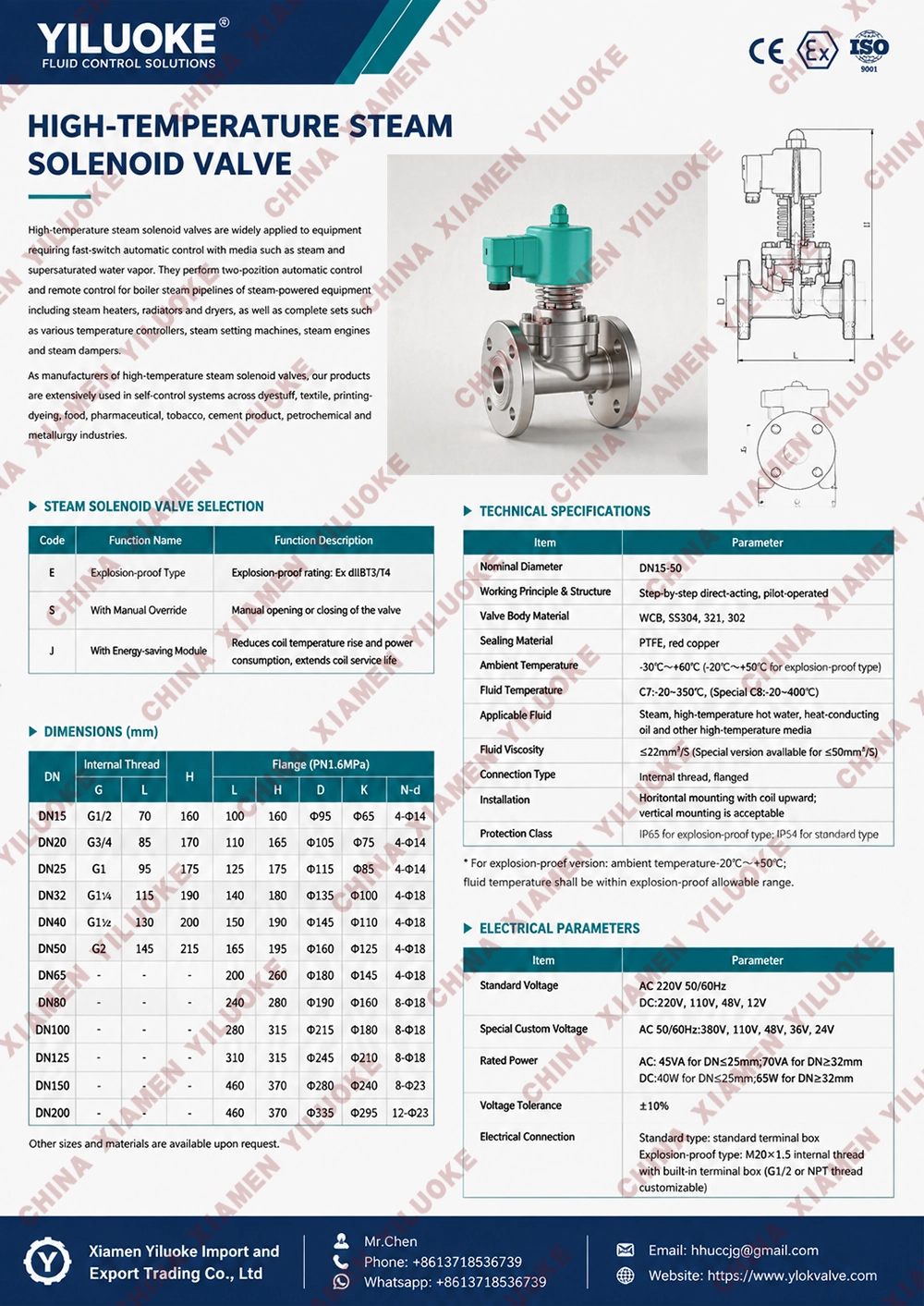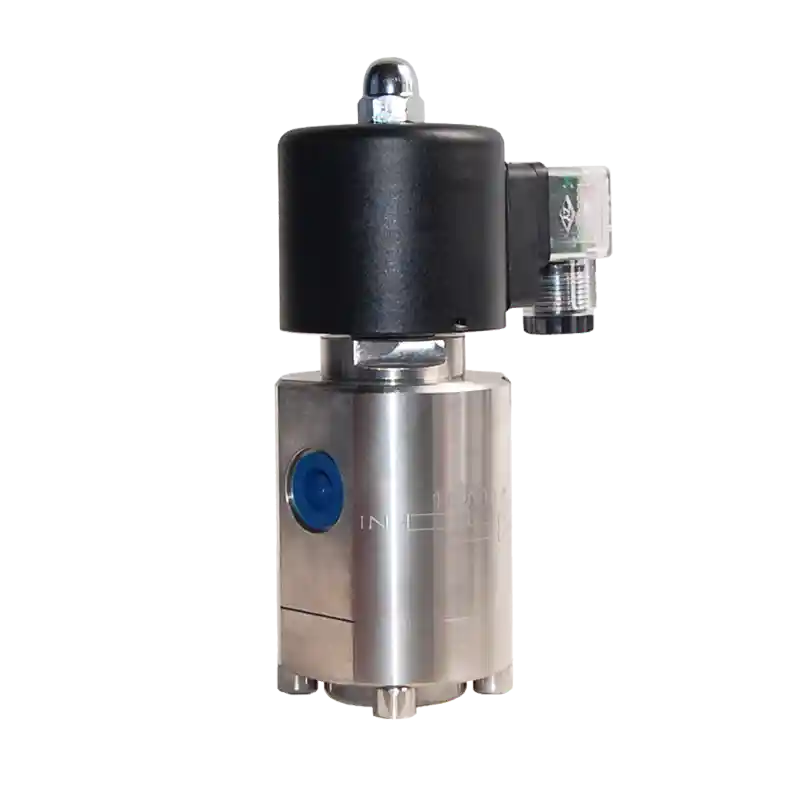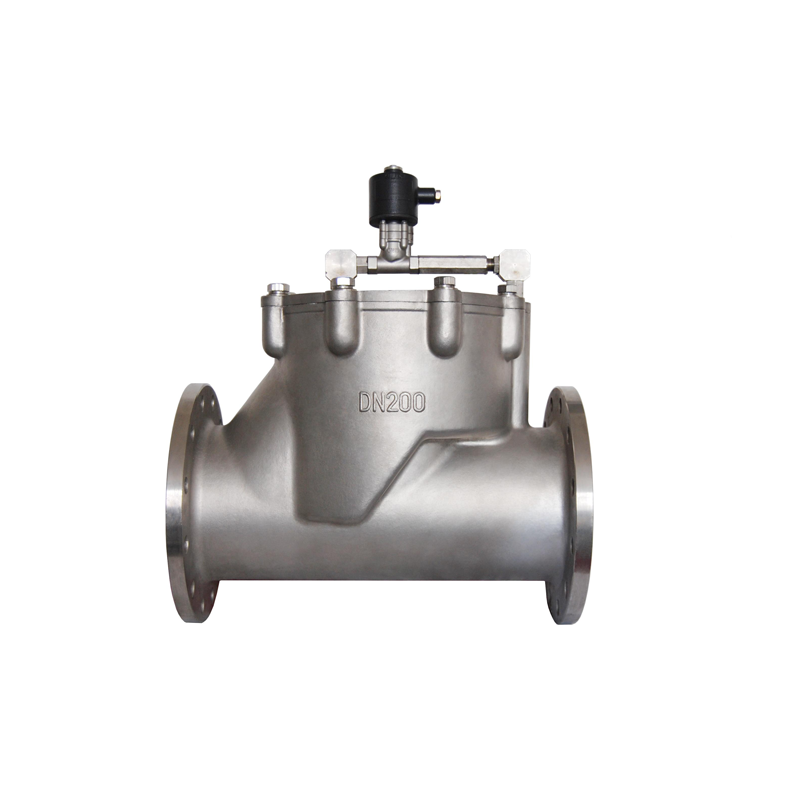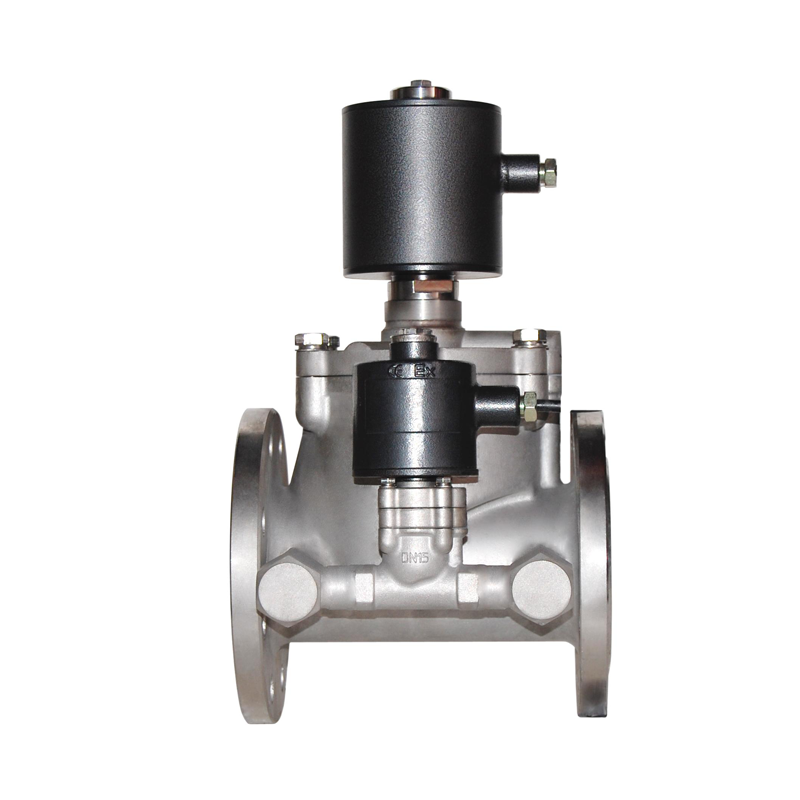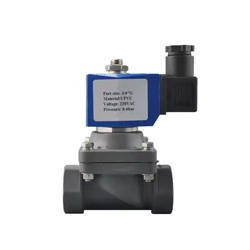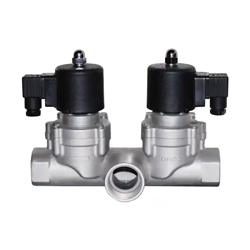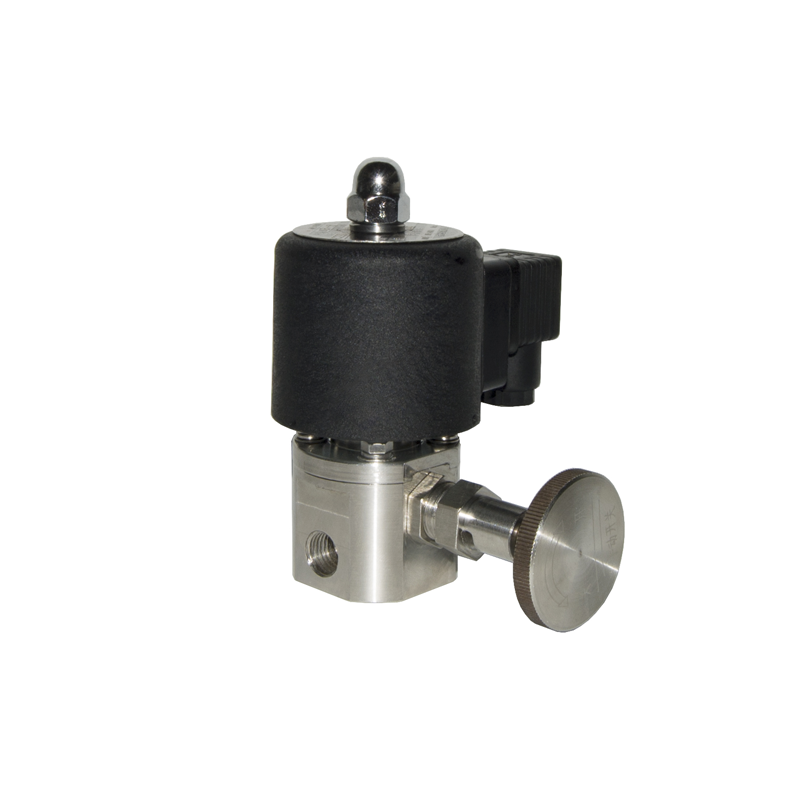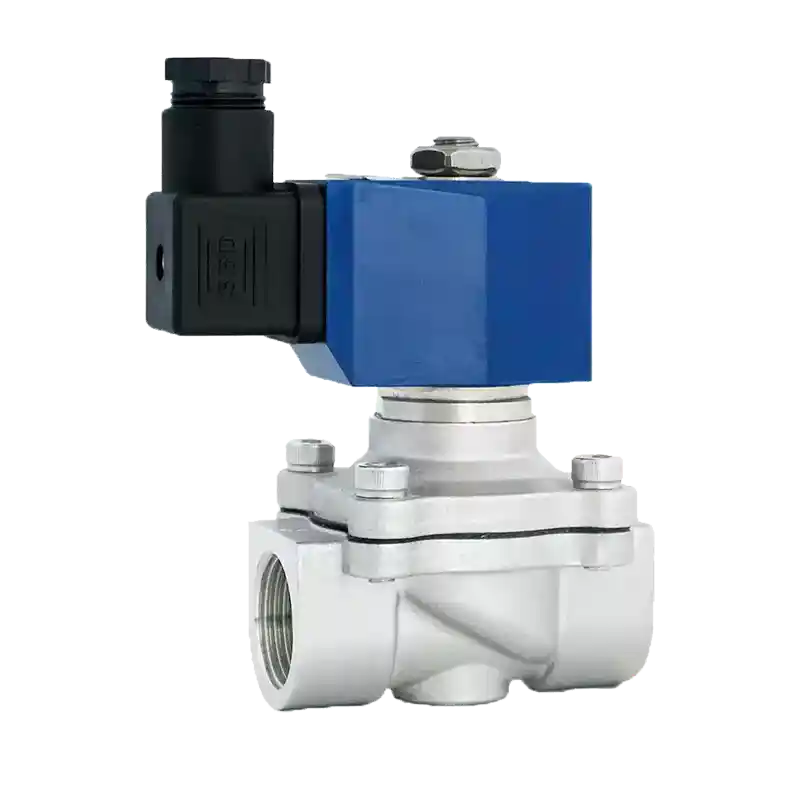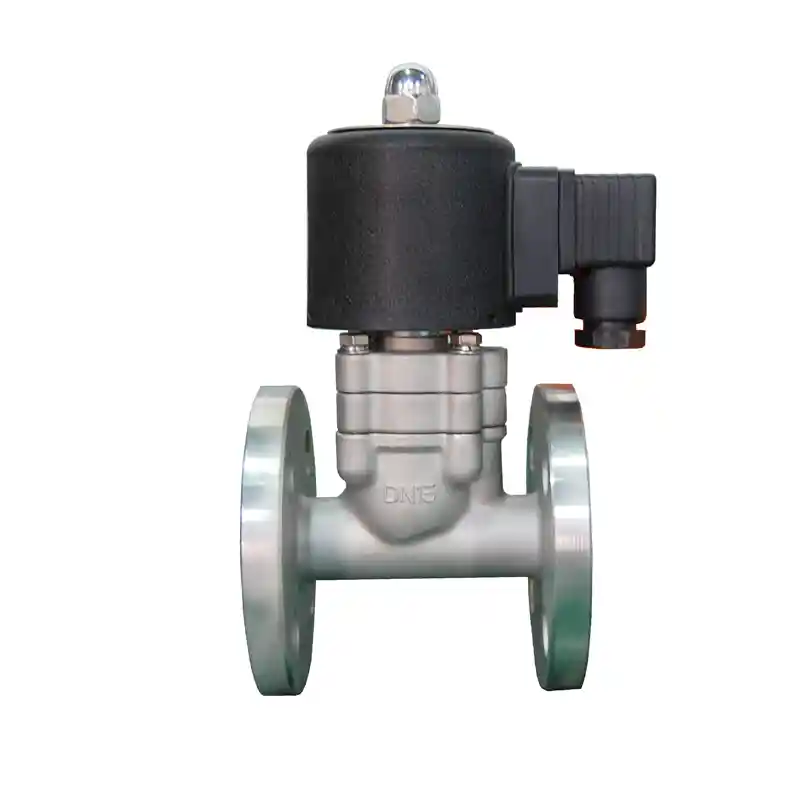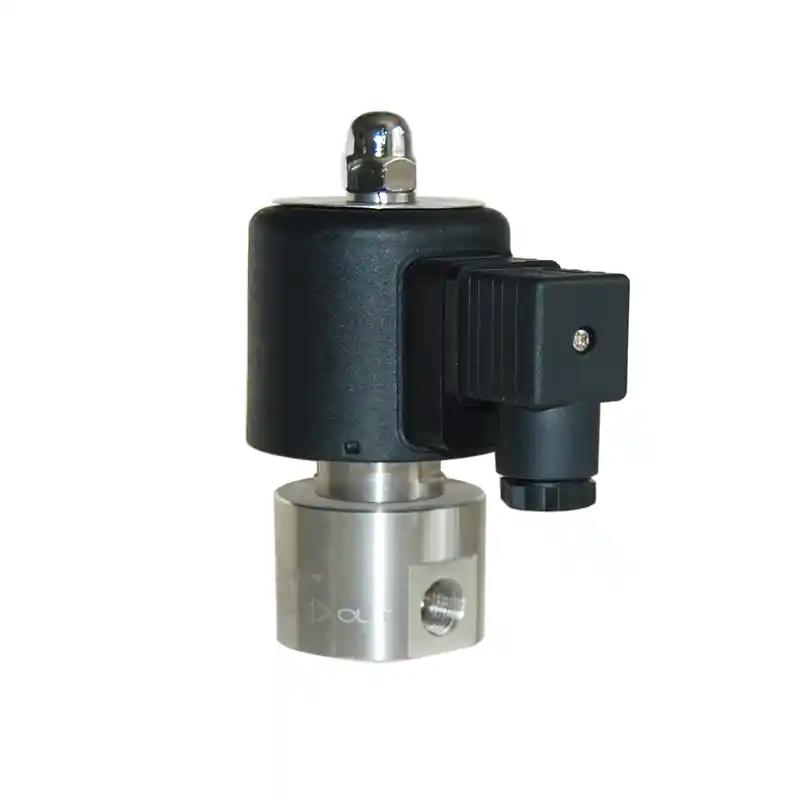


Steam Solenoid Valves
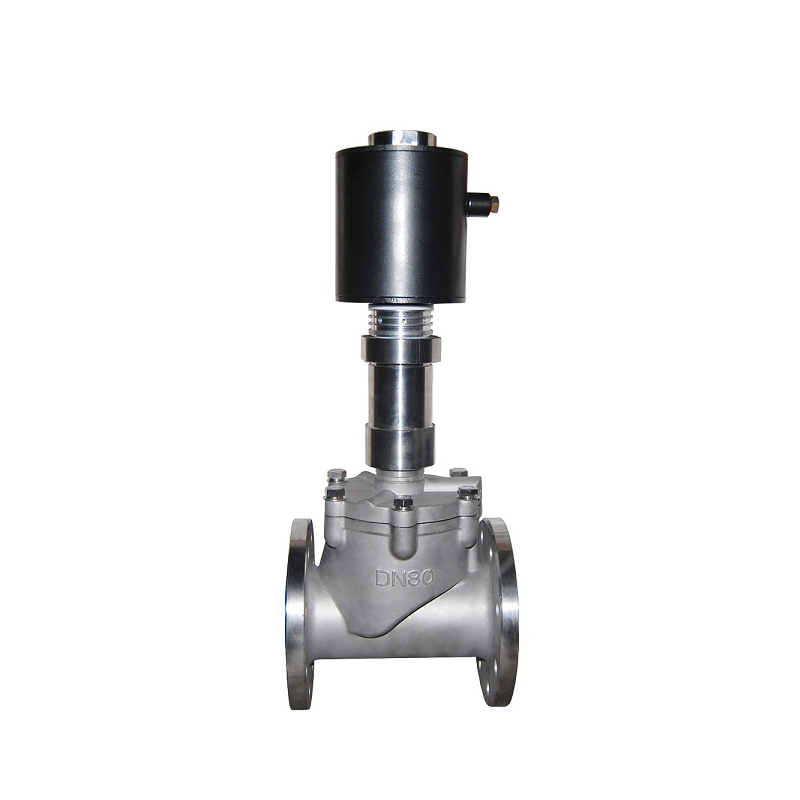
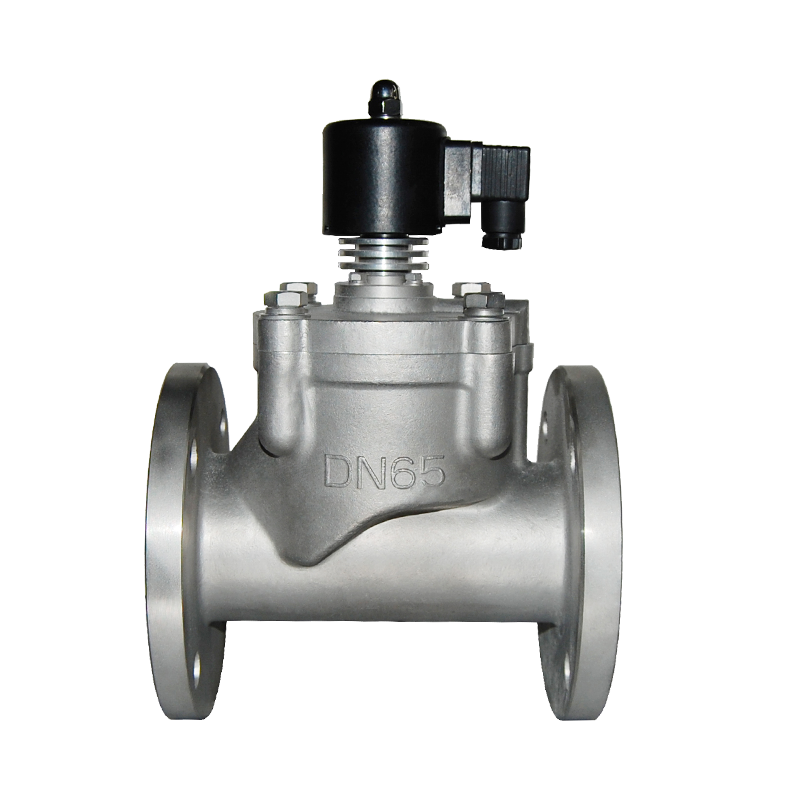
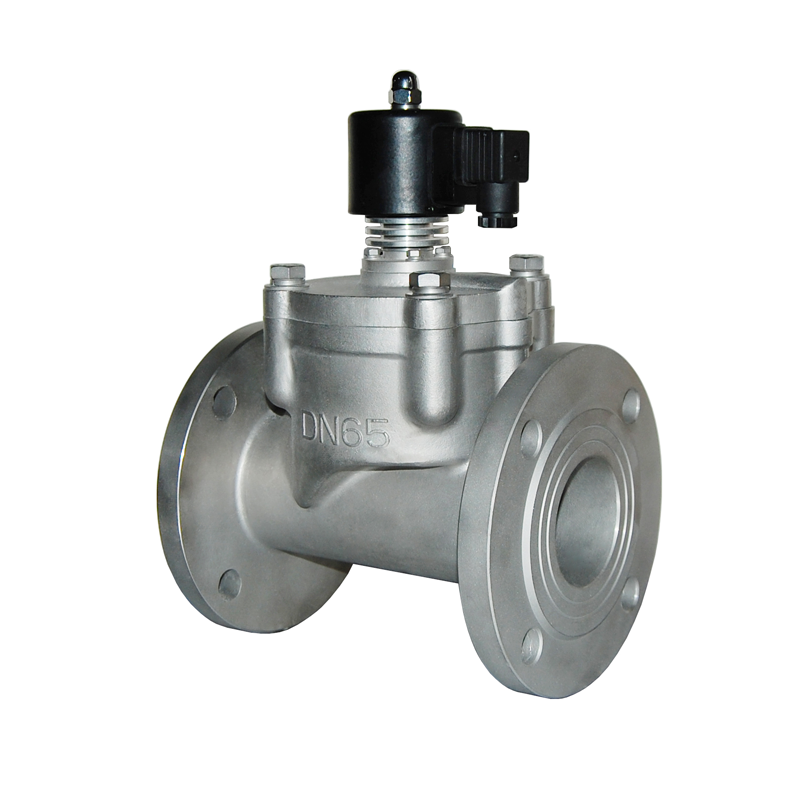
The steam solenoid valve regulates steam flow by automatic opening and closing, which is electrically operated by an electromagnet.
Steam solenoid valves are mainly divided into two types based on the steam they handle: saturated steam and superheated steam. The applicable steam sources include boiler steam, steam from thermal power plants, and other related steam types.
Steam solenoid valves are widely used in automatic control systems of various industries and scenarios, such as textile, printing, chemical, plastic, rubber, pharmaceutical, food, building materials, machinery, electrical appliances, surface treatment, scientific research departments, as well as bathrooms, canteens, and air conditioning systems.
For applications with relatively stable temperature and pressure (temperature above 400℃, working pressure below 2.5Mpa), piston‑type steam solenoid valves are usually selected.
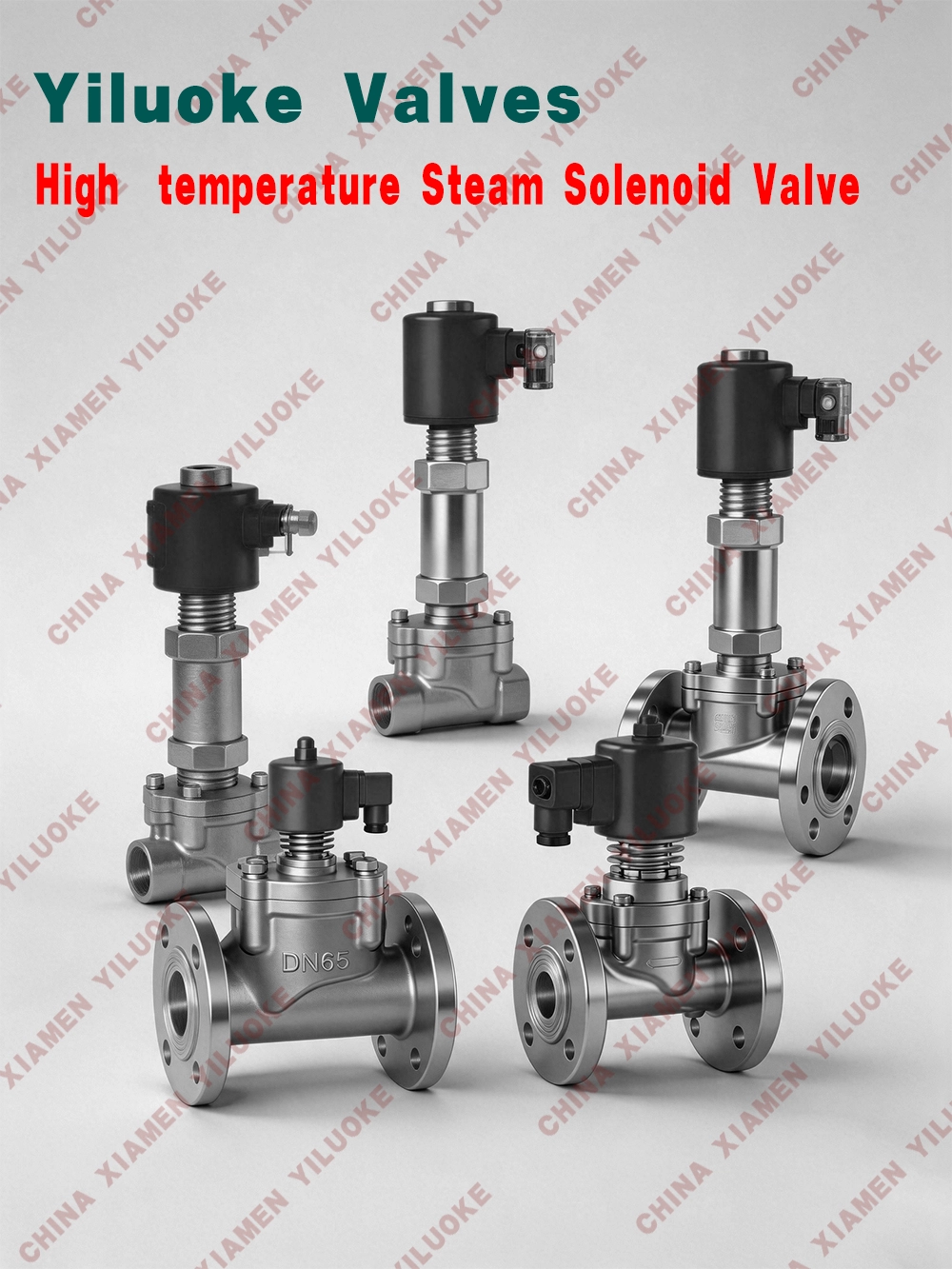
Working Principle
Valve Opening: When the electromagnet is energized, a magnetic field is generated to activate the moving iron core, allowing steam to pass from the main circuit to the usage point.
Valve Closing: When the power supply is cut off, the magnetic field disappears. The reset spring pushes the iron core back to the closed position, stopping steam flow and keeping the system safe.
Structural Features
1. Wear‑resistant: Reasonable material selection. The fluid lubrication effect between valve cup and guide sleeve is skillfully utilized to reduce wear.
2. Condensation‑resistant: Condensed water in steam pipelines greatly affects the operation of ordinary steam solenoid valves, while this valve can work normally without being affected by condensed water.
3. Heat‑resistant: Special high‑temperature resistant electrical materials and sealing materials are adopted for electromagnetic components and sealing parts, together with multiple heat‑insulation measures.
Technical Parameters
| Parameter Name | Specifications |
| Nominal Diameter | DN15~DN600 (G1/8"~24") |
| Operation Mode | Direct‑acting type, pilot type |
| Operating Environment Temperature | -30—+80℃; -50—+100℃ |
| Coil Operating Temperature | <+50℃, <+85℃ |
| Control Mode | Normally Open (NO), Normally Closed (NC) |
| International Standard Voltage | AC (380, 220, 110, 24) V; DC (220, 110, 24, 12) V |
| Circulating Fluid Medium | Steam, saturated steam, and other high‑temperature gases |
| Circulating Fluid Temperature | <+120℃, <+200℃, <+350℃ |
| Circulating Fluid Pressure | -1—64bar |
| Valve Body Material | Stainless steel (304, 316, 316L), cast steel |
| Connection Method | Threaded (internal thread, external thread), flanged, welded, clamped, union |
Application Fields
The steam solenoid valve serves as an actuator for automatic temperature control with steam as heating medium. It realizes two‑position automatic control and remote control for boiler steam pipelines of steam heaters, radiators, dryers and other steam‑using equipment, as well as complete sets including various temperature controllers, steam setting machines, steam dyeing machines and steam moisture regain machines. It is widely applied in automatic control systems of dyestuff chemical, textile, printing and dyeing, food, pharmaceutical, cigarette, cement products, petrochemical, metallurgy and other industries.
Classification of Steam Solenoid Valves
Steam solenoid valves are generally classified for two kinds of steam:
1. Boiler steam — saturated steam
2. Steam from thermal power plant — superheated steam
Saturated steam: Relatively stable temperature and pressure, temperature below 250℃, working pressure below 1.6Mpa.
Superheated steam: Wide variation range of temperature and pressure, maximum temperature above 400℃, working pressure below 4.0Mpa.
For saturated steam, soft‑seated steam solenoid valves are normally selected.
Structural Features of Soft‑Seated Solenoid Valve
This pilot operated secondary opening solenoid valve consists of sub‑valve and main valve.
Advantages:
Heat‑resistant: Special high‑temperature resistant electrical materials and sealing materials are adopted for electromagnetic components and sealing parts with multiple heat‑insulation measures.
Wear‑resistant: Reasonable material selection. The fluid lubrication effect between valve cup and guide sleeve reduces wear and extends service life.
Condensation‑resistant: Condensed water in steam pipelines will not affect valve performance.
This series of solenoid valves are widely used in automatic control systems for textile, printing, chemical, plastic, rubber, pharmaceutical, food, building materials, machinery, electrical appliances, surface treatment, scientific research departments, bathrooms, canteens and air‑conditioning systems.
For superheated steam, hard‑seated steam solenoid valves are normally selected.
Structural Features of Hard‑Seated Solenoid Valve
Metal hard seal structure improves maximum operating temperature and service life of the product.
Reasonable material selection. The fluid lubrication effect between valve cup and guide sleeve is utilized to reduce wear.
This valve is compatible with wide range of media including water, light oil, heavy oil, non‑corrosive gas and steam. It is mainly used for two‑position automatic regulation and remote control of pipeline media in power station air‑extraction pipeline drain system and evaporator exhaust system.