


Hard-Sealed Gate Valves VS Soft-Sealed Gate Valves
Differences Between Hard-Sealed and Soft-Sealed Gate Valves
According to the different materials of the sealing surfaces, gate valves can be divided into two types: hard-sealed and soft-sealed. Their differences are as follows:
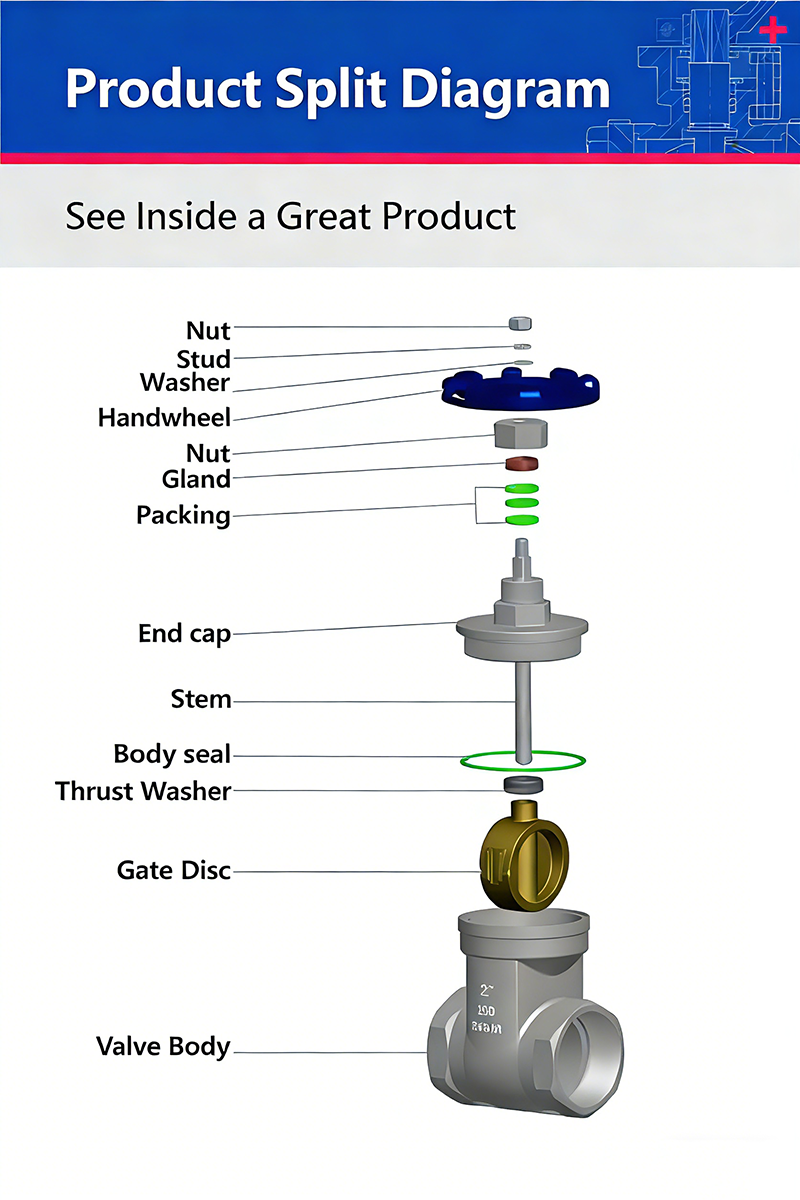
Hard-Sealed Gate Valves
Gate valves where both sealing surfaces are made of metal materials are called "hard-sealed". They have the characteristics of high temperature resistance, wear resistance and good mechanical properties, such as steel + steel; steel + copper; steel + graphite; steel + alloy steel. Common sealing materials include: 13Cr stainless steel, surfacing welded cemented carbide, sprayed tungsten carbide, etc. The sealing performance of these sealing surfaces is relatively poor.
Soft-Sealed Gate Valves
Gate valves where one side of the sealing pair is made of metal material and the other side is made of elastic non-metallic material are called "soft-sealed". This type of seal has good sealing performance but poor high temperature resistance, is prone to wear and has poor mechanical properties, such as steel + rubber; steel + polytetrafluoroethylene (PTFE), etc. It means that one side of the sealing pair is made of a material with relatively low hardness. Generally speaking, the soft seal seat is made of non-metallic materials with certain strength, hardness and temperature resistance. It has good sealing performance and can achieve zero leakage, but its service life and temperature adaptability are relatively poor. Hard seals are made of metal, and their sealing performance is relatively poor, although some manufacturers claim that zero leakage can be achieved.
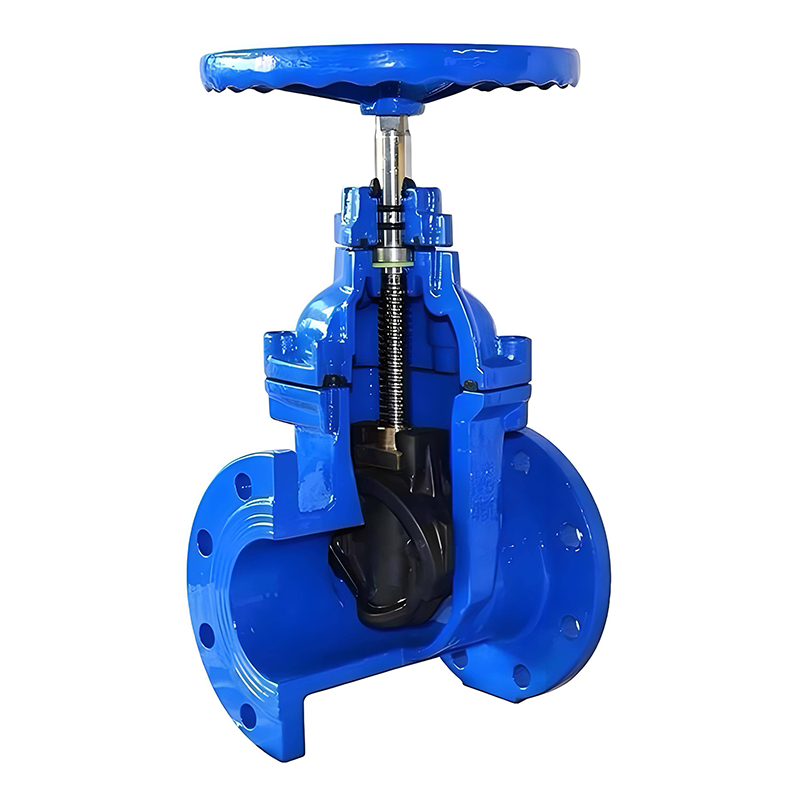
Invention Purpose of Soft-Sealed Gate Valves
To solve the problems that after the sealing surfaces of the valve seat and valve disc are corroded or deformed, the valve disc can automatically compensate and compress the sealing surfaces, and the pressure between the valve disc and the soft-sealed gate valve can be automatically balanced; to solve the problem that the soft sealing material is damaged due to friction on the sealing surfaces. Since the sealing sleeve of this gate valve is replaceable, the service life of the valve is greatly prolonged.
Application Scope of Soft-Sealed Gate Valves
It is applicable to various normal-temperature liquids with a diameter of φ50-φ400mm, a pressure of 2.5-4.0MPa, and a temperature below 200℃.
Soft seals cannot meet the process requirements for some corrosive materials, which can be solved by hard seals!
These two types of seals can complement each other. In terms of sealing performance, soft seals are relatively better, but now the sealing performance of hard seals can also meet the corresponding requirements! The advantage of soft seals is good sealing performance, and the disadvantages are easy aging, wear and short service life. Hard seals have a long service life, but their sealing performance is relatively worse than that of soft seals.
 What Are Creamic Lined Valves?
 How to Select High‑Pressure Ball Valves
 Gas Pressure Regulator Installation and Operation Instructions
 What is a Flowmeter?