


Pneumatic Valves VS Electric Valves
Differences Between Pneumatic Valves and Electric Actuated Valves
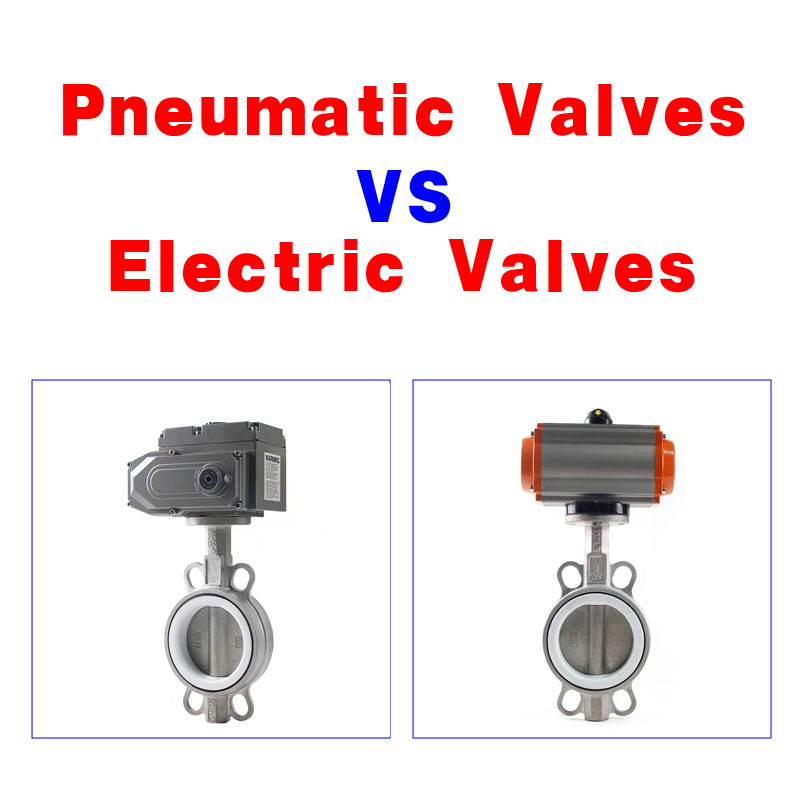
Pneumatic valves are valves driven by compressed air. Electric actuated valves use electric actuators to control valves, thereby realizing the opening and closing of valves. Their operating torque is larger than that of ordinary valves, the opening and closing speed can be adjusted, and the structure is simple and easy to maintain. Then, what are the differences between pneumatic valves and electric actuated valves? The following is a detailed introduction to the differences, advantages and disadvantages of the two.
1. Price Comparison
The technical indicators of electric valve actuators are basically the same as those of pneumatic valve actuators plus valve positioners. The prices of both types of products, whether domestic or imported, are similar. However, pneumatic valves need to be equipped with air supply facilities such as air compressor stations, so choosing electric actuated valves has an advantage in price.
2. Valve Reliability
We are used to thinking that pneumatic valves have high reliability and electric actuated valves have poor reliability. However, the new generation of electric actuated actuators adopts new circuit integration technology and abandons the previous fatal weaknesses, so that the actuators can be used for an average of 5-10 years, thus reaching or exceeding the service life of pneumatic valves. Therefore, in terms of reliability, both types of valves have their own advantages.
3. Output Force
The selection of the actuator is determined according to the type of valve and the allowable pressure difference. Therefore, the specific selection should be determined according to the actual situation, which needs to be flexibly grasped.
4. Fire and Explosion Protection
In terms of fire and explosion protection, pneumatic actuators plus valve positioners are far superior to electric actuators:
Only a few electric actuators can be produced into explosion-proof series.
Electric actuators are usually not allowed in special occasions with high flammability and explosiveness.
5. On-site Power Source
In occasions with extremely high explosion-proof requirements, pneumatic valve actuators are mostly selected—one of the advantages of pneumatic valves is intrinsic safety and explosion-proof, while the disadvantage is obvious: a relatively complete pneumatic mechanism needs to be established, which increases the configuration cost. Electric actuated valve actuators can use local materials, and electric actuated valves are the first choice when the explosion-proof requirements are not high and it is inconvenient to equip air sources.
 What Are Creamic Lined Valves?
 How to Select High‑Pressure Ball Valves
 Gas Pressure Regulator Installation and Operation Instructions
 What is a Flowmeter?