


What Are Corrosion-Resistant Valves?
Corrosion-Resistant Valves
Corrosion-resistant valves are mainly divided into four categories: stainless steel valves, fluorine-lined valves, copper valves, and plastic valves. Among them, stainless steel valves have the most types according to the valve structure; general valves can be made of stainless steel. Common types include stainless steel needle valves, stainless steel discharge valves, stainless steel ball valves, stainless steel gate valves, stainless steel globe valves, stainless steel check valves, stainless steel butterfly valves, stainless steel steam traps, stainless steel solenoid valves, stainless steel water control valves, plunger valves, plug valves, forged steel valves, subsea valves, oil unloading valves, safety valves, control valves, pressure reducing valves, etc. Stainless steel valve products have the characteristics of overall fluorine resistance and rust resistance, with corrosion resistance both inside and outside the valve. They can be manufactured for high-pressure and high-temperature applications but have a relatively high cost. They are mainly used in chemical, construction, power and other fields, and can handle media such as water, steam, oil products, nitric acid, and acetic acid.
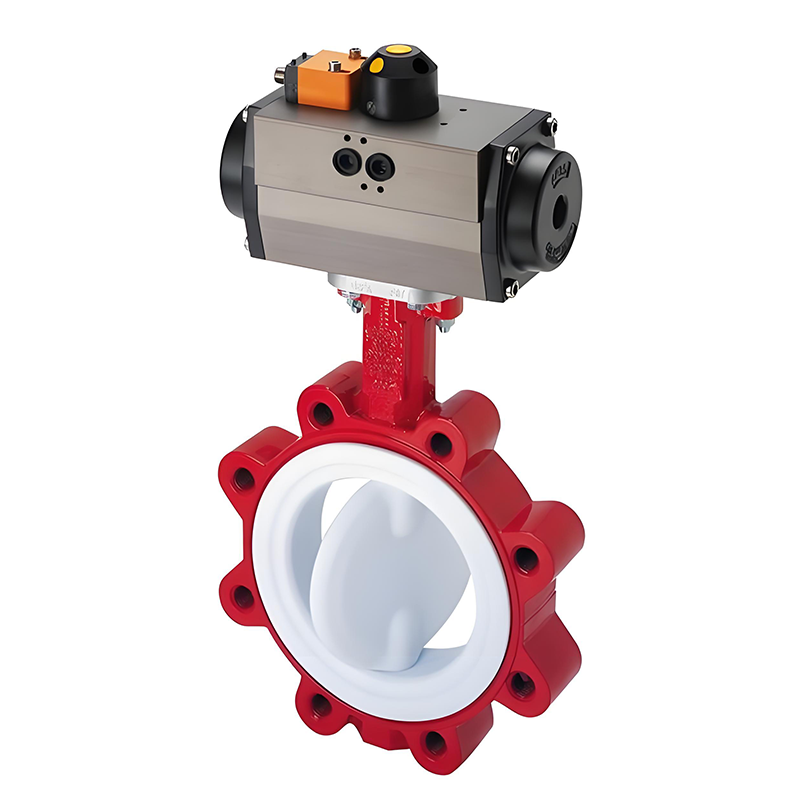
Fluorine-lined valves generally include fluorine-lined gate valves, fluorine-lined globe valves, fluorine-lined check valves, fluorine-lined butterfly valves, fluorine-lined diaphragm valves, fluorine-lined ball valves and other series products. They are generally used in the chemical industry, construction, water conservancy and other fields, and have excellent corrosion resistance. Fluorine-lined valves are lined with fluoroplastic inside, and the valve body is generally made of carbon steel or cast iron, with no corrosion resistance on the outside. In addition, they are limited to low-pressure applications, so their price is relatively lower than that of stainless steel valves.
Copper valves generally include ball valves, gate valves, globe valves, check valves, plug valves, etc. They are generally used in working conditions with severe oxidation, such as seawater environments, oxygen plants, ship equipment, and construction. They have excellent oxidation resistance and corrosion resistance.
Plastic valves generally include gate valves, ball valves, diaphragm valves, globe valves, check valves, butterfly valves and other series products, mainly used in construction and chemical sites. They have good fluorine resistance and rust resistance, but are relatively inferior to fluorine-lined valves. However, they have the advantages of low price and light weight.
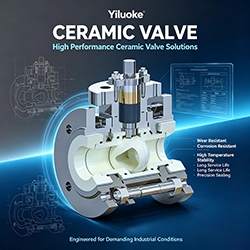 What Are Creamic Lined Valves?
 How to Select High‑Pressure Ball Valves
 Gas Pressure Regulator Installation and Operation Instructions
 What is a Flowmeter?