


What is a Pilot-Operated Steam Pressure Reducing Valve?
Pilot-Operated Steam Pressure Reducing Valve: Working Principle, Setting Method & Application
A pilot-operated steam pressure reducing valve controls the opening degree of the main valve through a direct-acting pilot valve. The output of the pilot valve is controlled by the balance between the set pressure of the control spring and the downstream feedback pressure.
On the one hand, the dual-spool structure of this pilot valve design eliminates the impact of upstream pressure; on the other hand, the difference between the downstream feedback pressure and the set value is amplified by the main diaphragm, making the pressure reducing valve very sensitive in response, thus ensuring the stability of the downstream steam pressure.
Compared with other electric and pneumatic pressure control valves, the pilot-operated steam pressure reducing valve does not require external power, saving energy; it is easy to install and commission; it requires little maintenance, is inherently safe, and can be used in hazardous and explosive areas.
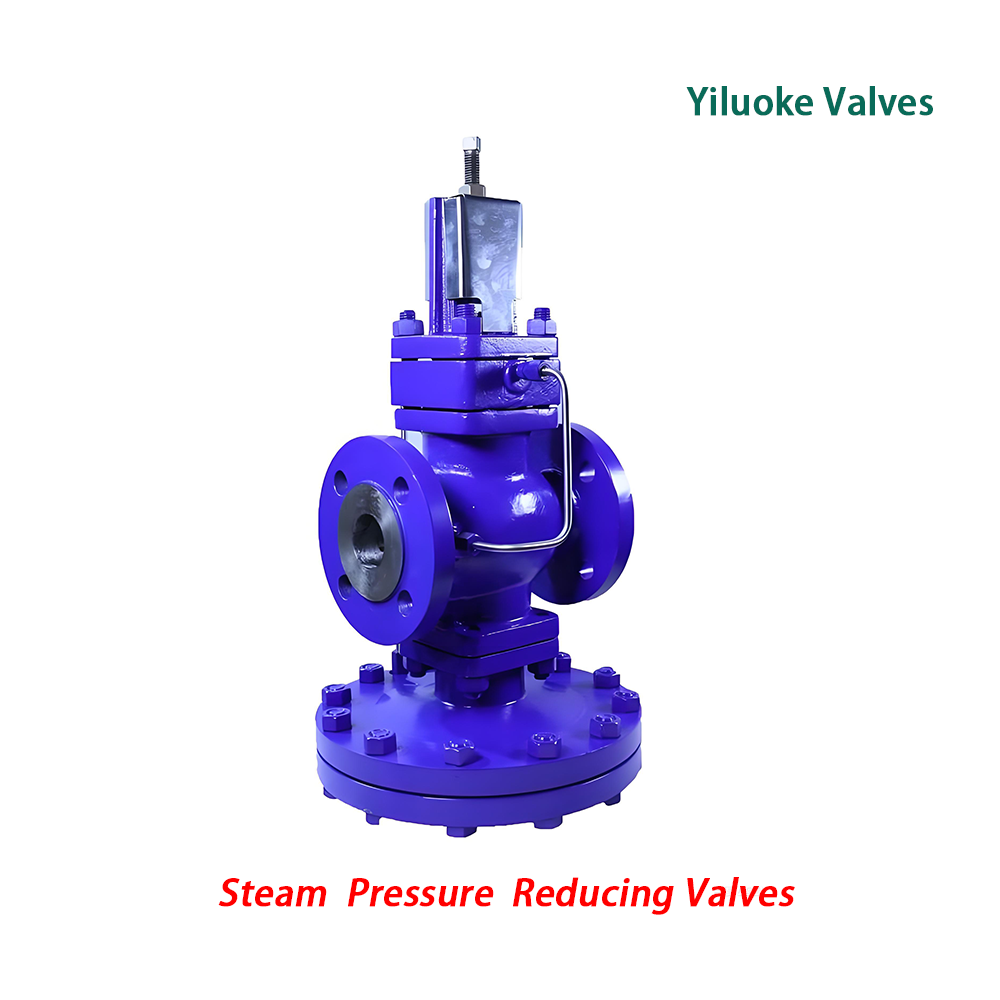
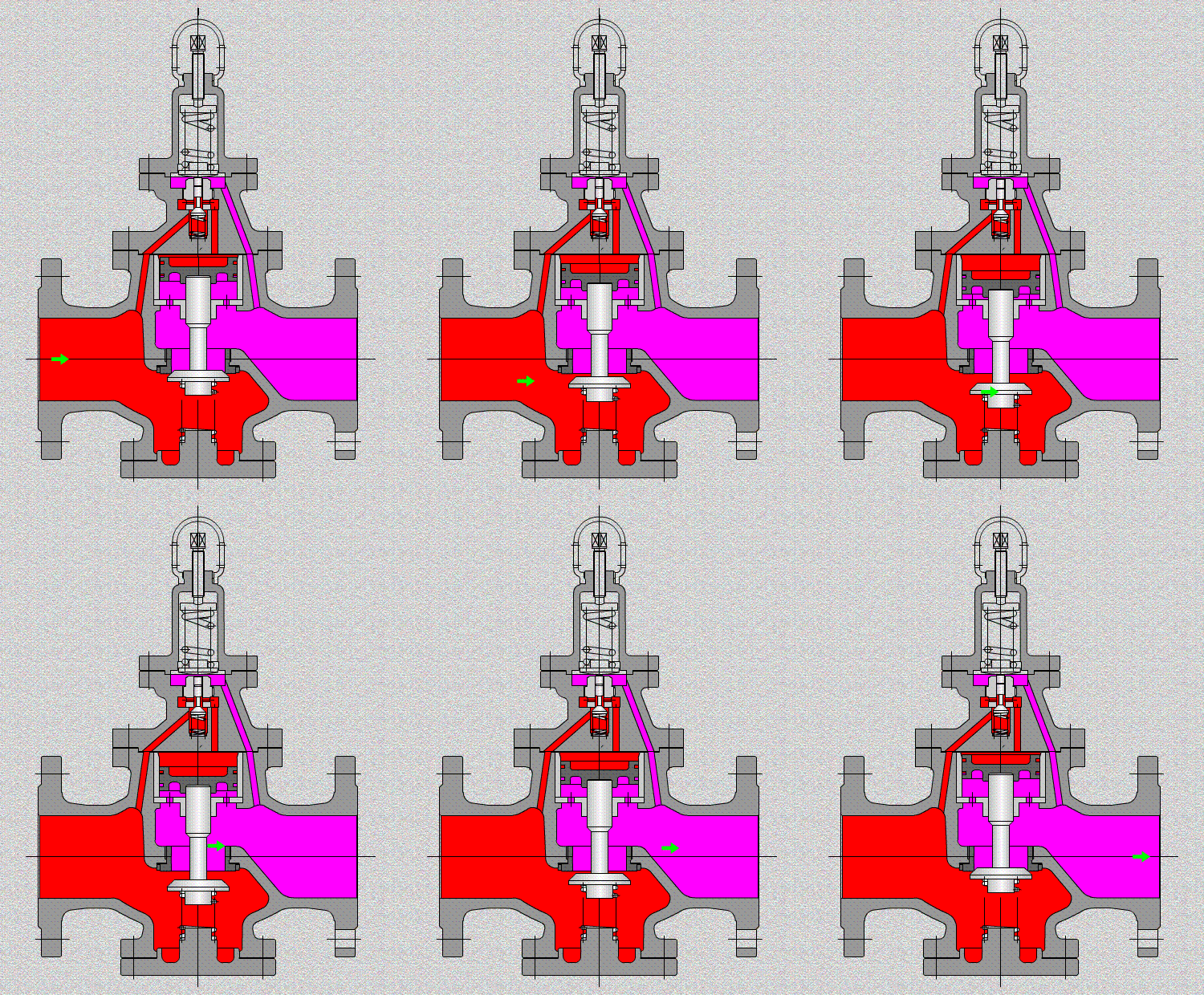
Working Principle of Pilot-Operated Steam Pressure Reducing Valve
The normal position before startup is that the main valve is closed, and the pilot valve is opened by the action of spring force. Steam enters the main diaphragm chamber through the pilot valve, and part of the steam flows out through the control hole. When the steam flowing into the pilot valve is greater than the steam flowing out through the control hole, the control pressure in the main diaphragm chamber increases, opening the main valve.
As steam flows through the main valve, the increment of downstream pressure acts on the lower part of the pilot valve diaphragm through the induction pipe feedback. This acting force balances the spring compression force on the upper part of the diaphragm, making the pilot valve gradually close and throttle, thereby maintaining the pressure in the main diaphragm chamber and controlling the opening degree of the main valve to deliver an appropriate amount of steam. Adjusting the spring on the pilot valve diaphragm can change the set pressure of the downstream. When steam is not needed, the pressure in the induction pipe increases, closing the pilot valve. The control pressure is released through the control hole, making the main valve close tightly.
How to Dynamically Set the Working Pressure of the Pilot-Operated Steam Pressure Reducing Valve?
First, confirm that all globe valves are closed.
Remove the pilot valve spring cap and rotate the adjusting bolt counterclockwise until the spring is relaxed. Ensure the spring is in a vertical position and at the center of the guide seat.
Open the globe valves in the following order:
Open the globe valve in front of the steam main steam trap. This will ensure that the steam in front of the pressure reducing valve is free of condensate.
Open the isolation valve of the induction pipe.
Open the downstream globe valve.
Slowly open the inlet globe valve.
Slowly rotate the adjusting bolt clockwise until the downstream pressure gauge shows the required reduced pressure.
After the system pressure stabilizes, it may be necessary to adjust the pilot valve spring again. Install the spring cover and tighten the lock nut.
Note: Tighten the pilot valve flange interface to ensure no leakage.
Key Features & Application Scope
The pilot-operated steam pressure reducing valve is a pressure reducing and stabilizing valve. It can stabilize the downstream steam pressure regardless of changes in upstream pressure or steam flow, and can ensure the stability of downstream steam pressure at both full steam flow and zero flow. The pressure reducing valve cannot be configured directly according to the pipeline diameter; it must be selected based on parameters such as upstream and downstream pressure, steam flow, flow fluctuation, and required pressure accuracy.
The pilot-operated steam pressure reducing valve is very suitable for pressure reduction and stabilization of steam for key industrial equipment, as well as pressure control of workshop steam main pipes or branch pipes with large load fluctuations.
Usage Notes
Since condensate and impurities in steam have a great impact on the stability and service life of the pressure reducing valve, it is necessary to install a high-efficiency steam-water separator and a 100-mesh stainless steel filter steam filter in front of the steam pressure reducing valve to ensure long-term use effect.
 What Are Creamic Lined Valves?
 How to Select High‑Pressure Ball Valves
 Gas Pressure Regulator Installation and Operation Instructions
 What is a Flowmeter?