


What is the purpose of Cryogenic Valve?
Cryogenic Valves Technical Specification and Application
(1) What are Cryogenic Valves?
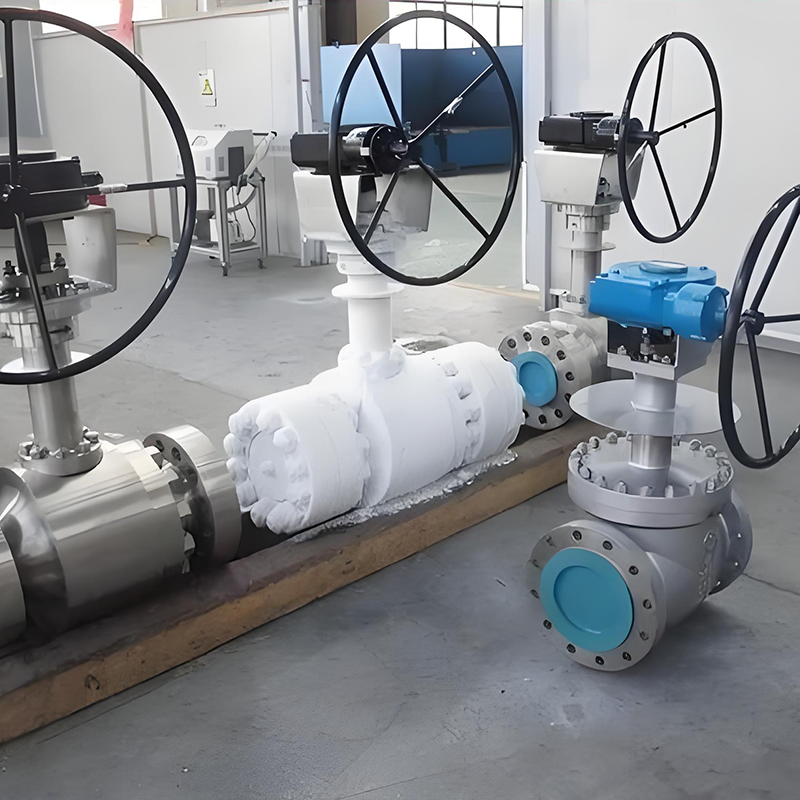
First, it should be noted that cryogenic valves refer to valves that can be used under cryogenic working conditions. Generally, valves with a working temperature lower than -40℃ are called cryogenic valves. Imported cryogenic valves are mainly divided into: imported cryogenic ball valves, imported cryogenic gate valves, imported cryogenic globe valves, imported cryogenic check valves, cryogenic safety valves, etc. All cryogenic material components of cryogenic valves must undergo deep cryogenic treatment before precision machining. The main purpose of using such materials is to reduce the shrinkage deformation of cryogenic valves under cryogenic working conditions.
Cryogenic valves are one of the indispensable and important equipment in industries such as petrochemical, air separation, and natural gas. The quality of cryogenic valves determines whether production can be carried out safely, economically, and continuously. With the development of modern science and technology, cryogenic valves are used more and more widely, and the demand is also increasing.
(2) Where are Cryogenic Valves Applicable?
Cryogenic valves are suitable for liquid cryogenic media such as ethylene, liquid oxygen, liquid hydrogen, liquefied natural gas, liquefied petroleum products, etc. The working conditions of cryogenic valves are harsh. Most of their working media are flammable, explosive, and highly permeable substances. The minimum working temperature can reach -269℃, and the maximum working pressure can reach 10MPa.
The temperature range of Taichen brand cryogenic valves is LCB (-46℃), LC3 (-101℃), CF8 (304) (-196℃). Compared with general valves, there are great differences in the design, manufacture, and inspection of cryogenic valves. Under cryogenic conditions, the tensile strength and hardness of materials increase, while the plasticity and toughness decrease, and they show varying degrees of cryogenic brittleness, which seriously affects the normal operation of valves.
Technical Requirements for Cryogenic Valves
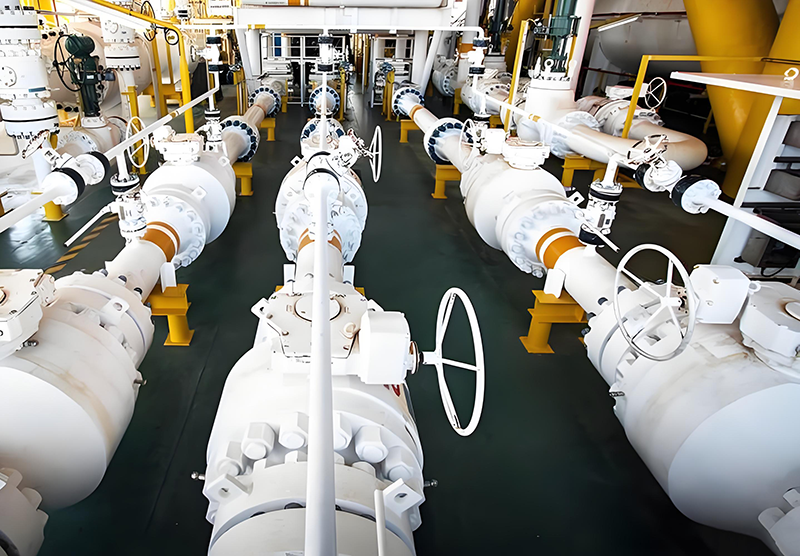
(1) Imported cryogenic valves can adopt pressure relief holes to prevent abnormal pressure rise. The location of the pressure relief hole depends on the valve structure, which can be set on the valve body or the gate plate.
(2) The valve body of the cryogenic valve should be able to fully withstand the expansion and contraction caused by temperature changes, and the structure of the valve seat part will not produce permanent deformation due to temperature changes.
(3) The cryogenic globe valve adopts a valve seat and disc sealing surface with a cobalt-chromium-tungsten hard alloy surfacing structure.
(4) The cryogenic valve adopts a long neck bonnet structure that can protect the stuffing box.
(5) The cryogenic valve adopts a disc that can maintain reliable sealing regardless of temperature changes. For example, the gate valve adopts elastic gate plates and open gate plates, and the globe valve adopts conical discs, etc.
 What Are Creamic Lined Valves?
 How to Select High‑Pressure Ball Valves
 Gas Pressure Regulator Installation and Operation Instructions
 What is a Flowmeter?