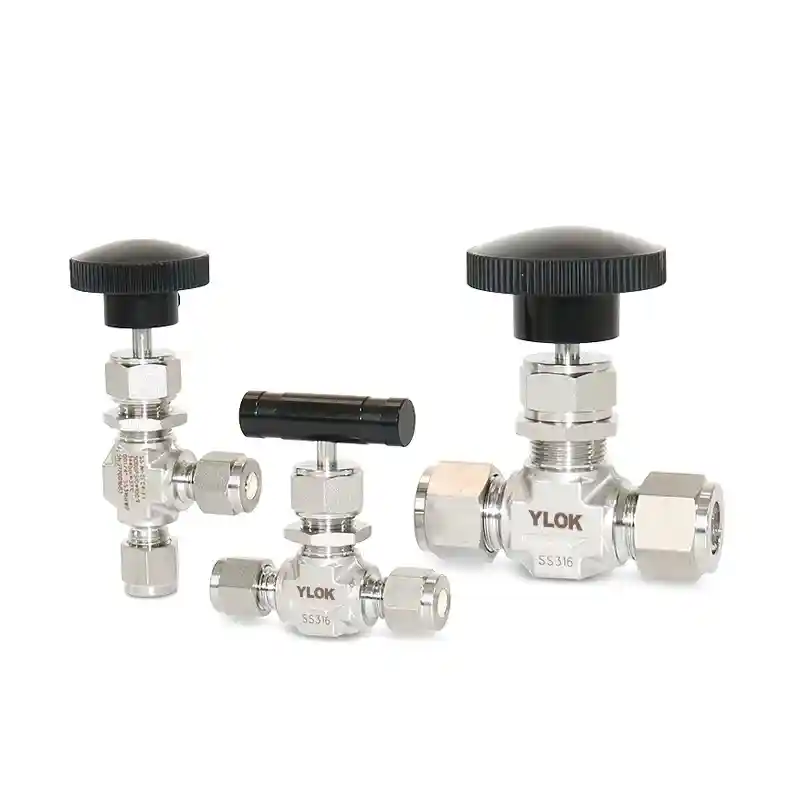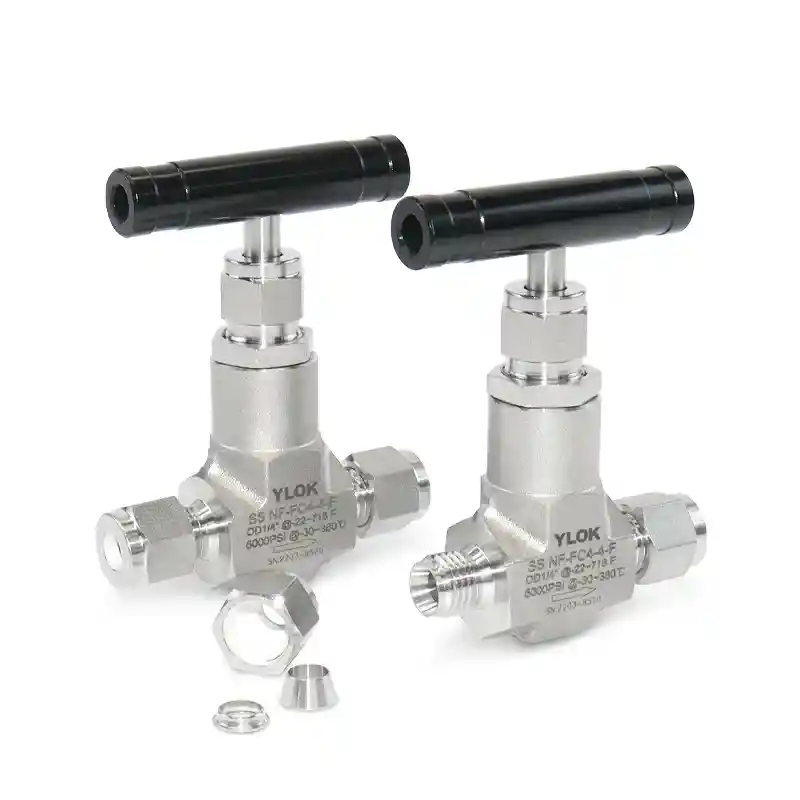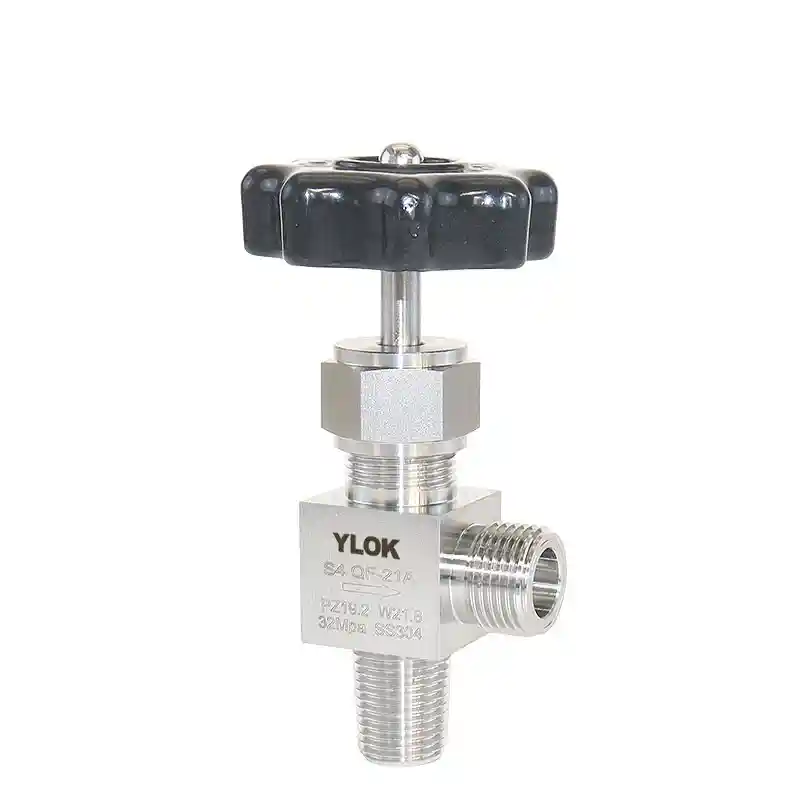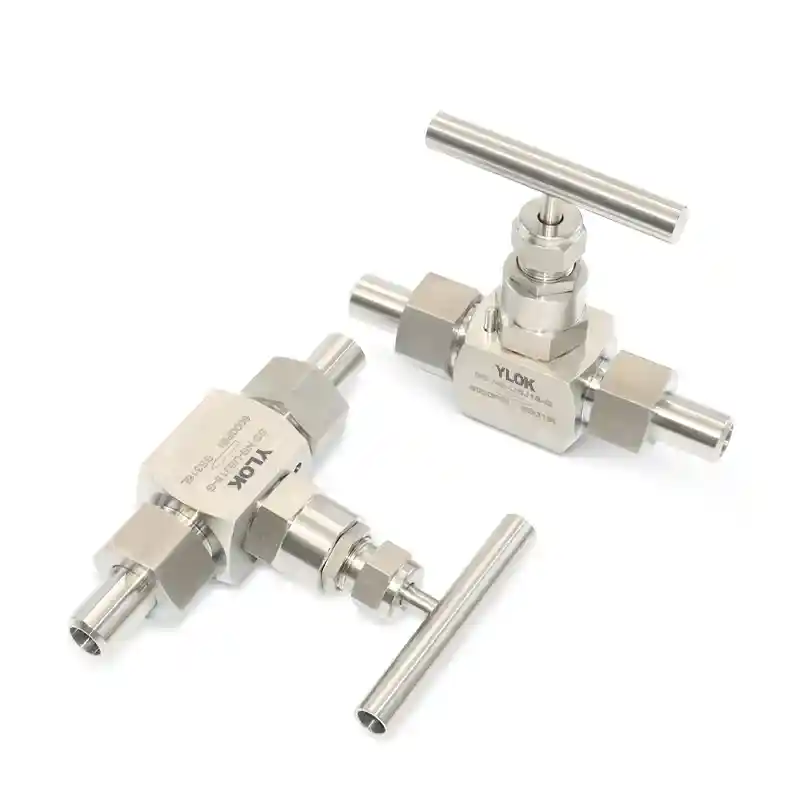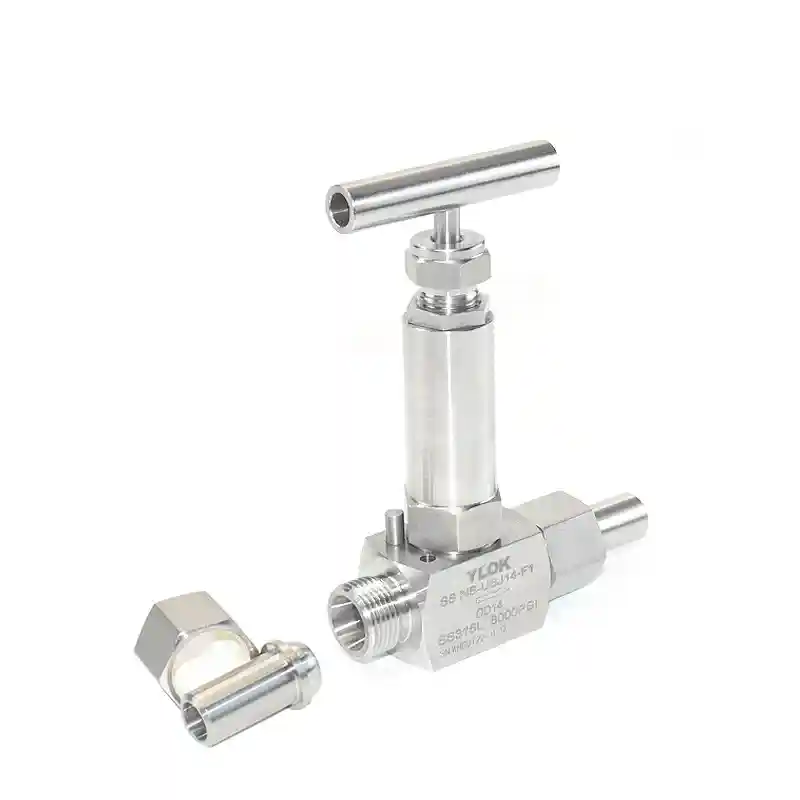


Angle Needle Valves
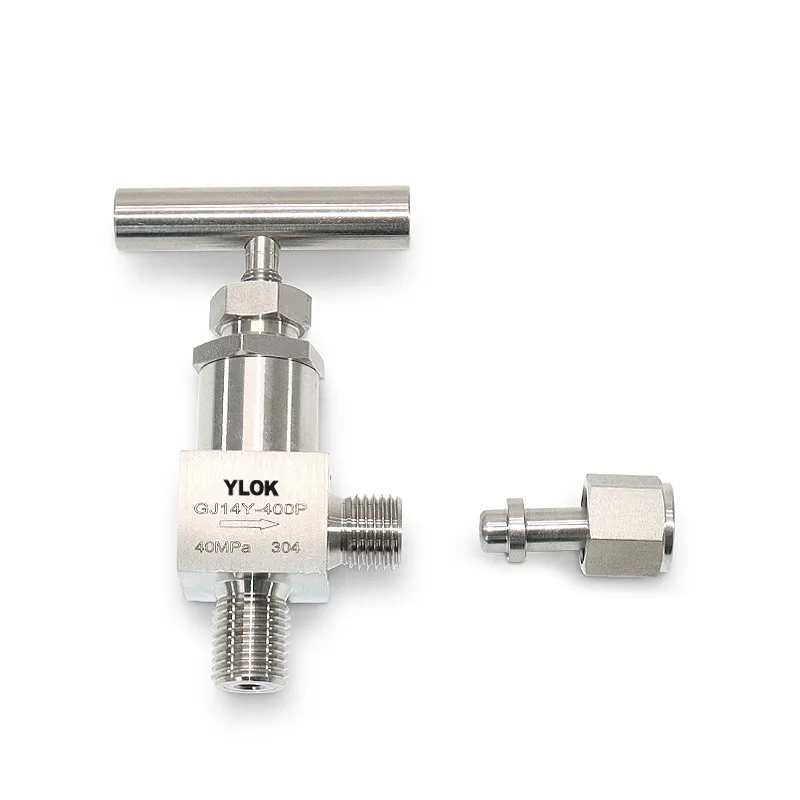
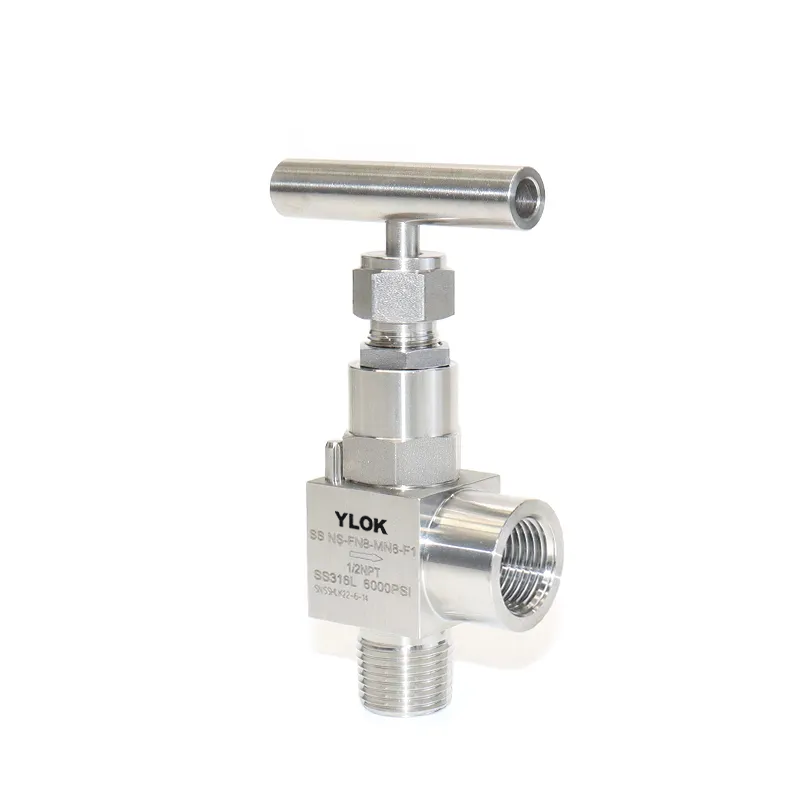
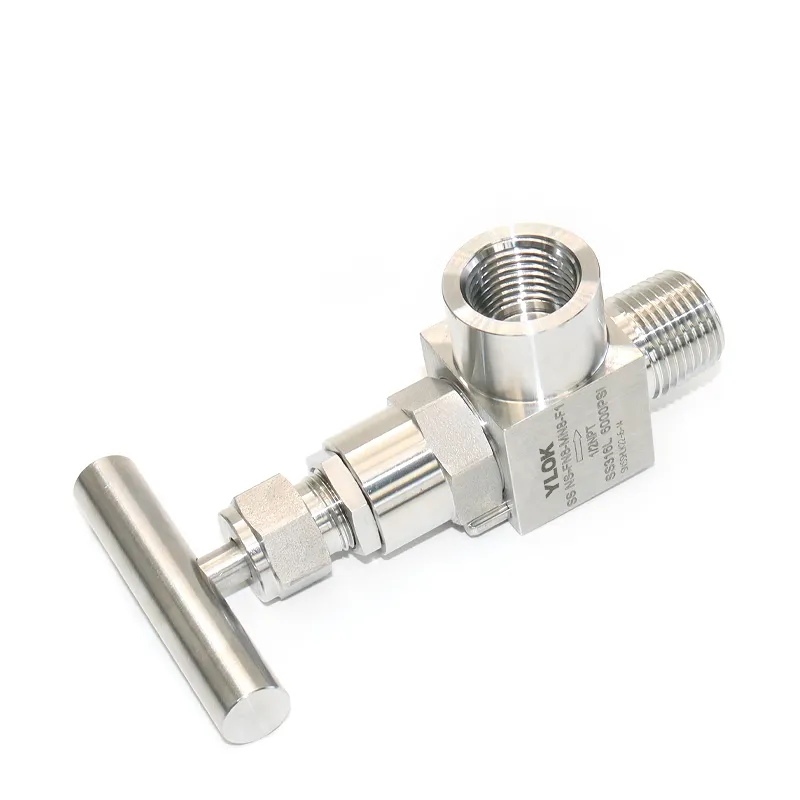
Definition of Angle Needle Valve
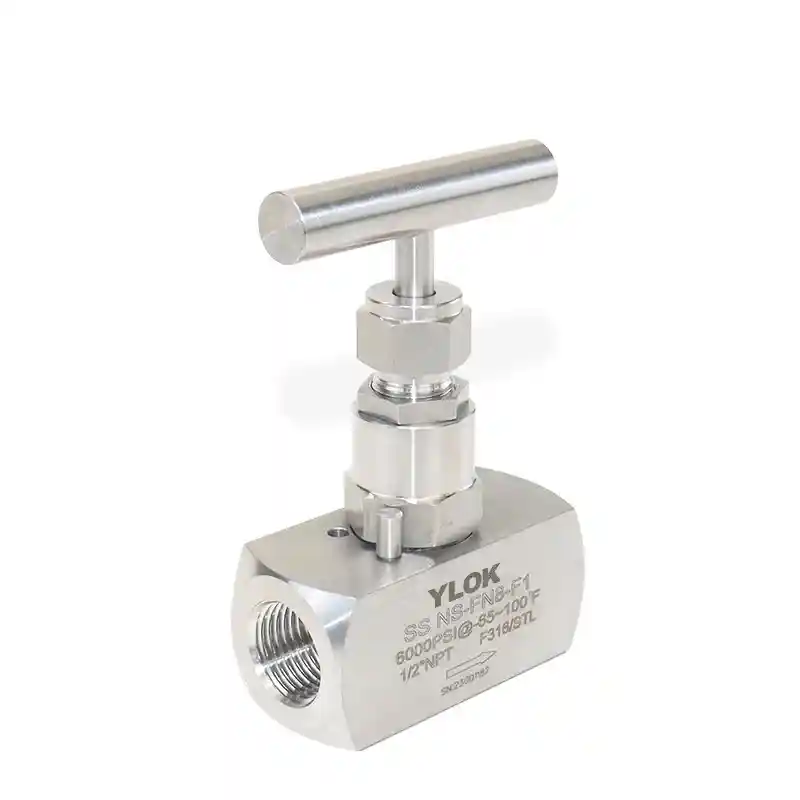
An angle needle valve is a precision fluid control valve with a special right-angle structure. Its working principle is derived from the design of standard globe valves, but it realizes accurate flow control and reliable sealing through a unique 90° right-angle flow passage structure and a specialized needle-shaped valve core, adapting to special pipeline layout and high-precision control demands.
Working Principle of Angle Needle Valve
The angle needle valve achieves fluid on-off control and precise flow regulation through the vertical lifting movement of the needle-shaped conical valve core. The valve core moves strictly along the fluid centerline; when the handwheel is rotated, the valve stem drives the needle-shaped valve core to make sealed contact with the conical surface of the valve seat or separate from it:
Closed State: Rotate the handwheel clockwise, the valve core is pressed down vertically and fits tightly with the conical surface of the valve seat, forming a stable conical surface seal to completely block fluid circulation and achieve zero leakage.
Open State: Rotate the handwheel counterclockwise, the valve core rises steadily to form a tiny and controllable flow gap, and fluid flows through the gap; the medium flow rate increases synchronously as the valve opening degree rises, realizing stepless flow regulation.
Structural Characteristics of Angle Needle Valve
Right-Angle Flow Design: The inlet and outlet ports are distributed at a standard 90° right angle, which is specially suitable for narrow space pipeline layouts or pipelines requiring direction change, effectively reducing the use of pipe elbows and simplifying the overall pipeline structure.
Precision Needle-Shaped Valve Core: The taper of the valve core is usually designed at 5°~30°, and the slender and precise structure enables micron-level ultra-fine flow regulation, making it particularly applicable to high-pressure, low-flow working scenarios (e.g., micro flow control at 0.1mL/min).
Diversified Sealing Types: Adopts metal hard sealing (such as stainless steel hard seal) or high-performance soft sealing materials (PTFE, graphite), ensuring zero leakage under ultra-high pressure up to 26.5MPa and stable adaptability to various corrosive media.
Usage Instructions for Angle Needle Valve
Lifting and Rotating Rod Structure: Adopts a lifting and rotating rod type design, the handwheel and valve stem rotate and lift synchronously, with the adjusting nut fixed to the valve body, ensuring easy and labor-saving operation and low operating torque.
Dual Sealing Protection System: Most high-performance models are equipped with a professional packing seal (such as high-temperature graphite) and a high-precision O-ring, effectively preventing medium leakage from the valve stem and resisting loosening caused by long-term vibration.
Wide Pressure & Temperature Adaptability: The valve body is made of high-quality alloy materials including 316 stainless steel and Hastelloy, with a wide operating temperature range from -45°C to 450°C, suitable for harsh industrial environments such as high-temperature steam pipelines and acid-base corrosive media.
Application Fields of Angle Needle Valve
High-Pressure Fluid Systems: Widely used in high-pressure instrument pipelines (6000PSI) in petrochemical industry, power boiler feedwater control and other high-pressure transmission systems.
Precision Flow Control Scenarios: Applied to precision laboratory equipment (such as gas chromatographs) and semiconductor manufacturing (high-purity gas micro regulation) requiring high-precision flow control.
Hazardous Medium Safety Pipelines: Equipped with fire-resistant and explosion-proof design, suitable for safe control of pipelines carrying hazardous media such as coal gas and natural gas, meeting strict industrial safety standards.