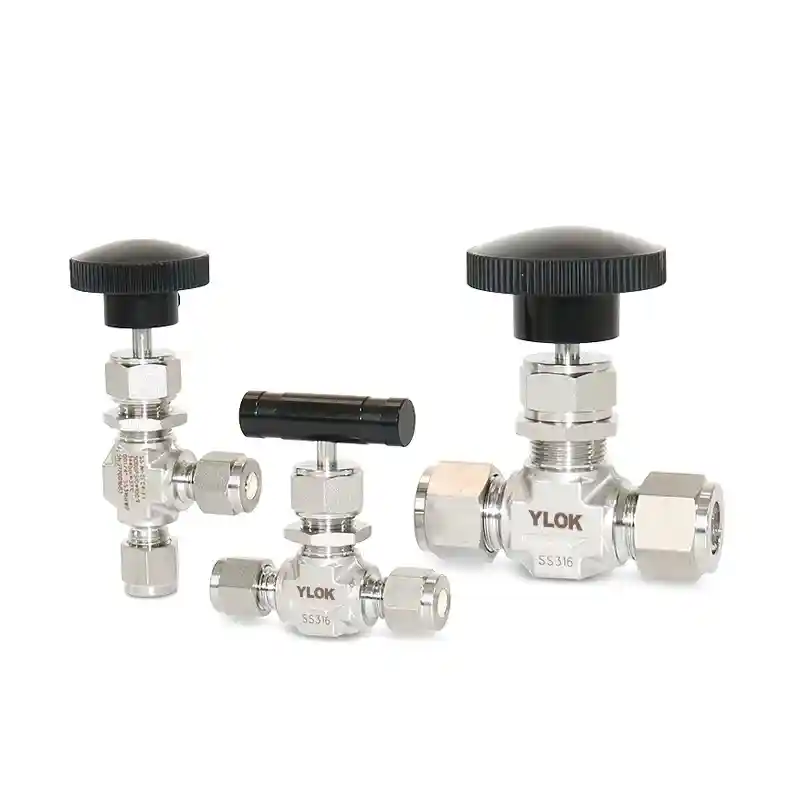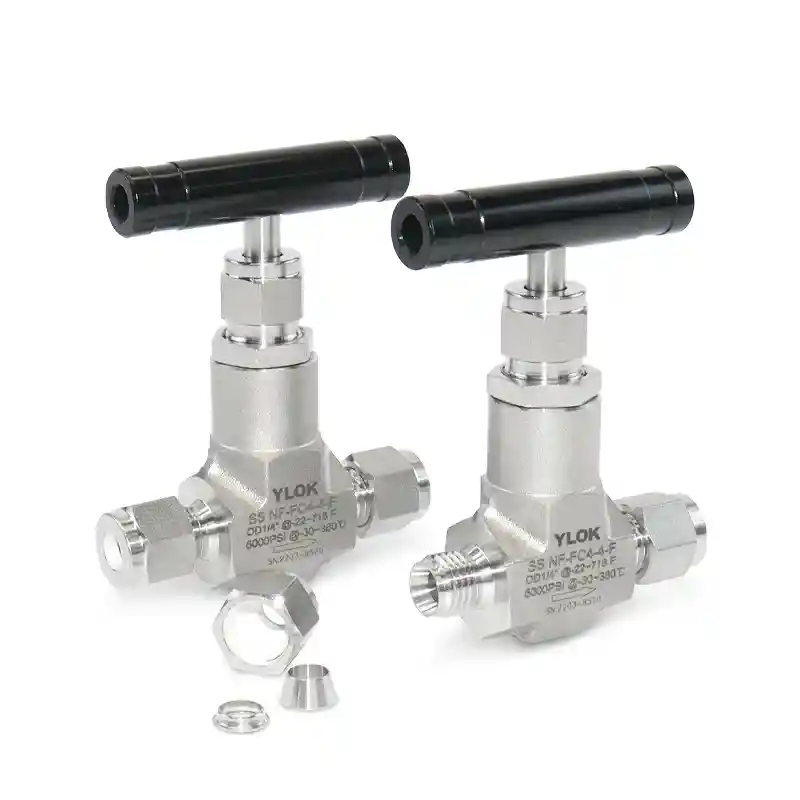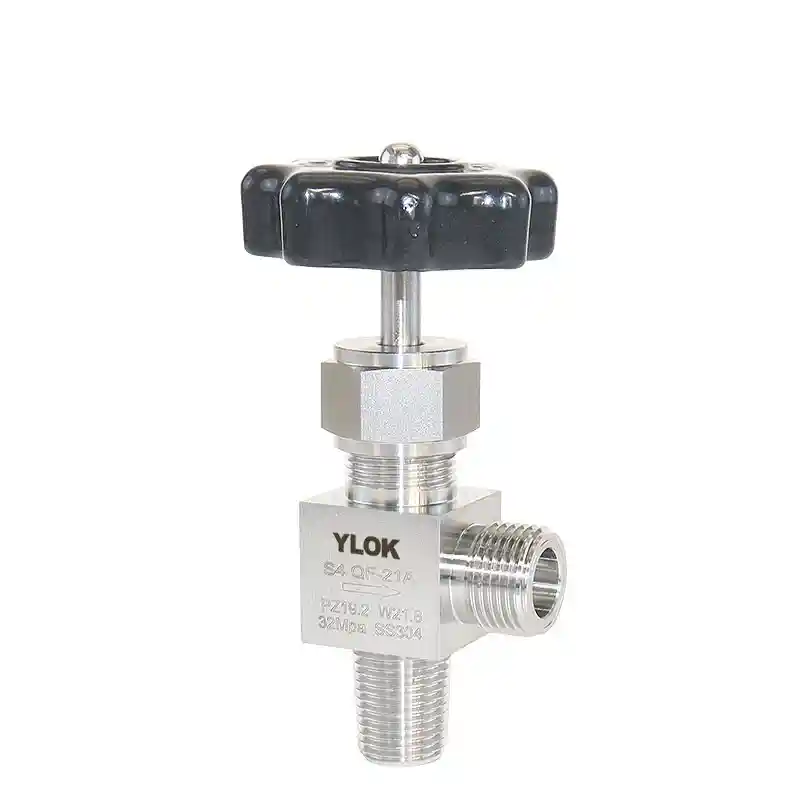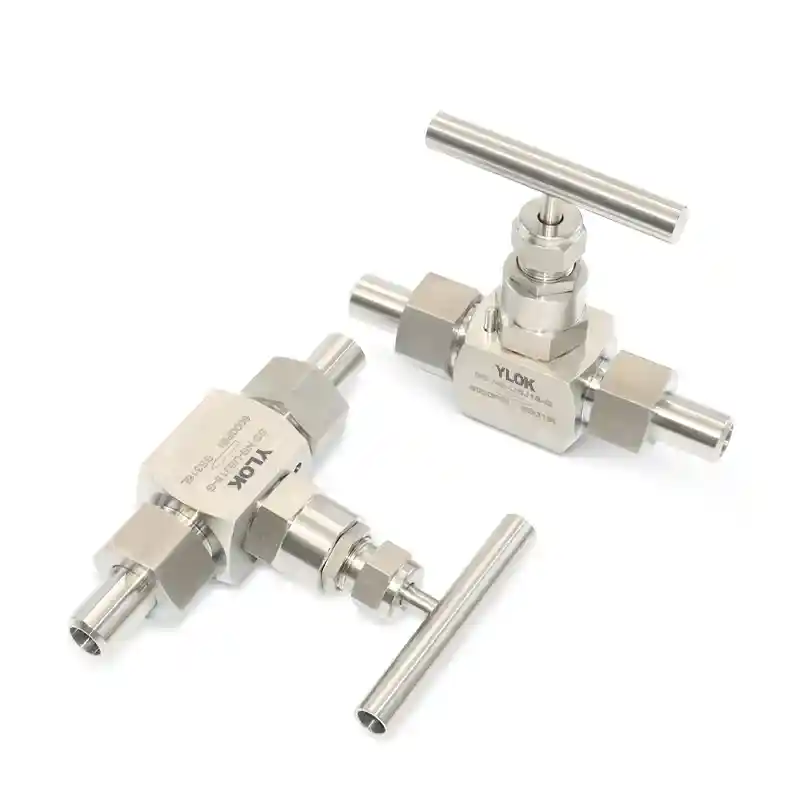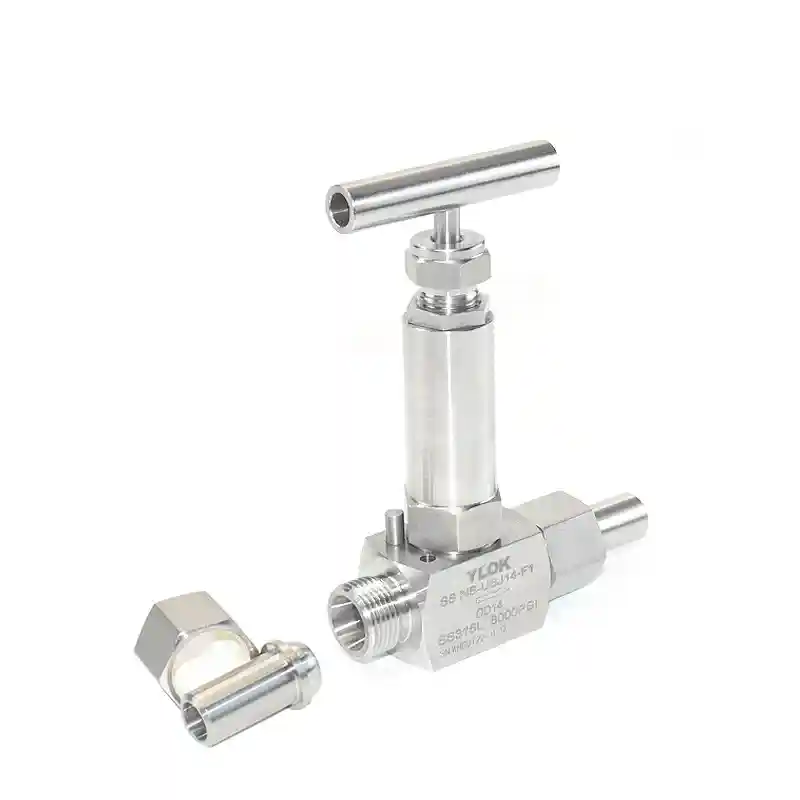


Ferrule High-Pressure Check Valves
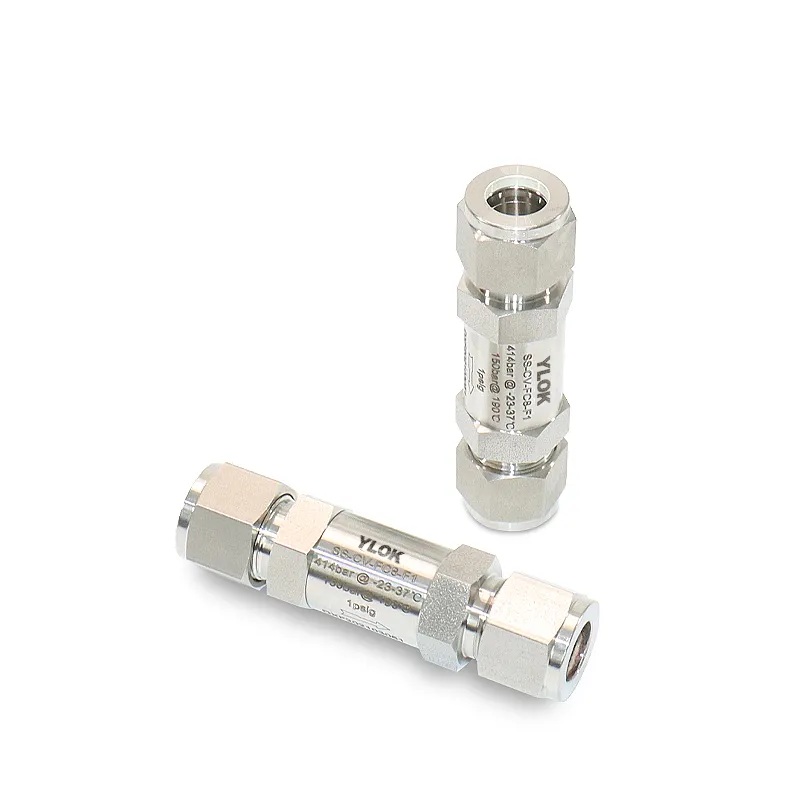
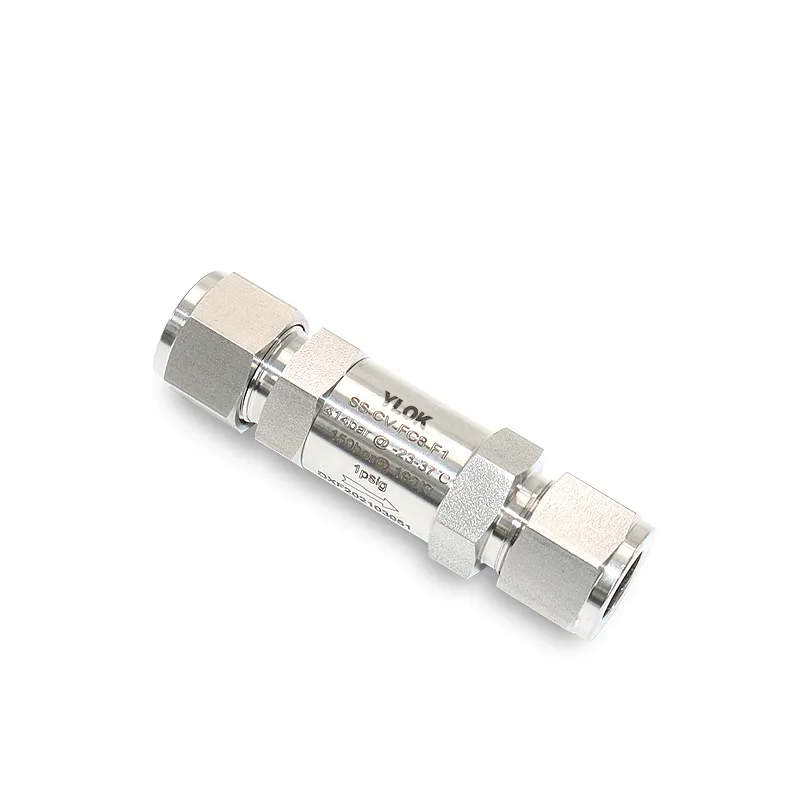
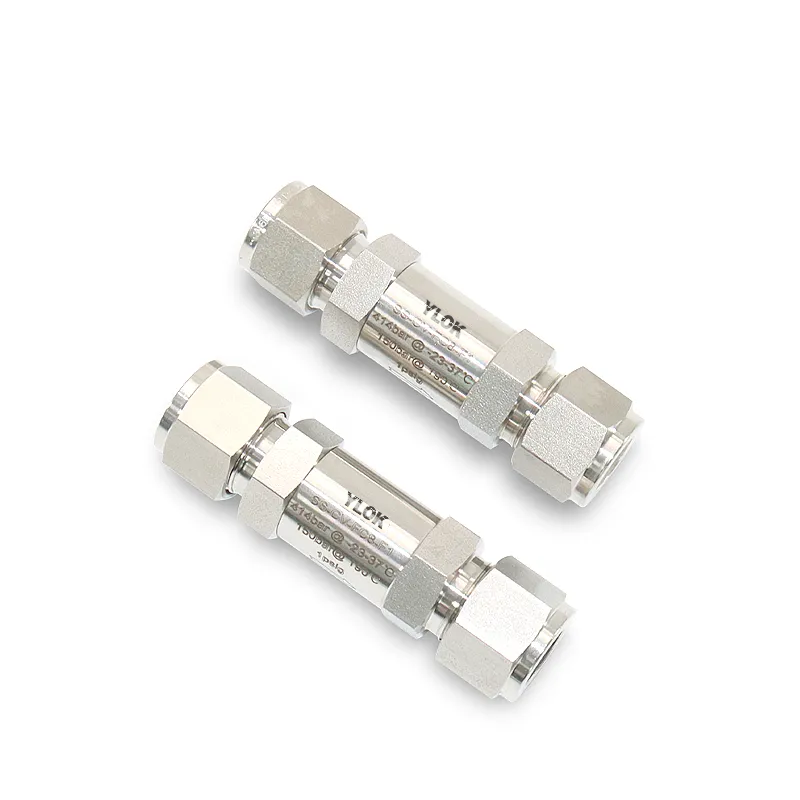
Ferrule High-Pressure Check Valve: Definition, Features, Applications & Technical Parameters
1. Definition of Ferrule High-Pressure Check Valve
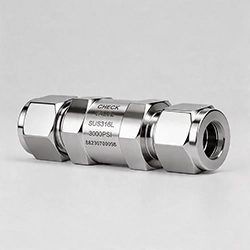
The ferrule high-pressure check valve is specifically designed for high-pressure fluid systems that require reliable non-return performance and secure, welding-free connections. Its core feature lies in the dedicated ferrule-type connection structure, which forms a tight and stable seal between the valve body and the pipeline through the compression sleeve (ferrule).
This unique connection mode delivers distinct advantages including quick assembly and disassembly, reusability, and zero welding requirements during installation, making it highly adaptable to high-pressure pipeline systems that need frequent maintenance, modification or temporary installation, while maintaining stable non-return and sealing performance under high-pressure working conditions.
2. Structural Features of Ferrule High-Pressure Check Valve
NACE Compliant Material Option: Special materials suitable for sour gas environments are available, fully meeting the industry standard of NACE MR0175/ISO 15156, adapting to harsh corrosive working conditions containing sour gas.
Hard-Sealed Buffer Valve Seat: Equipped with a hard-sealed elastic buffer valve seat, which runs quietly without noise during operation, and achieves efficient and stable medium non-return function to prevent backflow effectively.
Needle-Type Sealing Design: Adopts a professional needle-type sealing structure as the main sealing method, with the O-ring only acting as an auxiliary grinding seal. This design effectively solves the common problem of sealing element aging in traditional check valves, and greatly extends the overall service life of the valve.
Strict Factory Testing: Each single valve undergoes three rigorous performance tests before leaving the factory, including a 22 MPa gas strength test, a 1 PSI sealing test, and a professional cracking pressure test, ensuring qualified performance and stable quality for each product.
3. Technical Parameters of Ferrule High-Pressure Check Valve
Operating Temperature: -10°F to 625°F (-23°C to 320°C)
Operating Pressure: 6000 PSI (413 bar), with a maximum pressure rating of up to 10000 PSI (689 bar)
Valve Body Material: Multiple material options are available for customized selection
Connection Port Type: Multiple port types are optional, standard size 1/2", with a full size range of 1/8" ~ 1"
Cracking Pressure: 1 PSI to 25 PSI (0.02 to 1.7 bar)
Actuation Method: Manual
Suitable Medium: Various highly corrosive chemical media
4. Application Fields of Ferrule High-Pressure Check Valve
This ferrule high-pressure check valve is widely used in a full range of industrial fields with high-pressure and corrosion resistance requirements, including:
Oil industry, petrochemical industry, natural gas industry, chemical industry
Semiconductor industry, pharmaceutical industry, food industry
Metallurgy industry, power industry, nuclear power industry
Light industry, environmental protection industry, shipbuilding industry
Scientific research and laboratory precision fluid control fields
5. Selection Reference of Ferrule High-Pressure Check Valve
Pressure Parameter: Clarify the actual system operating pressure and required pressure resistance level to match the corresponding pressure rating
Medium Property: Accurately identify the type and corrosiveness of the conveyed fluid medium
Cracking Pressure: Confirm the minimum starting cracking pressure required by the system to ensure normal opening and operation
Sealing Method: Select soft sealing or hard sealing according to medium characteristics and service life requirements
Connection Specification: Determine the ferrule connection size and standard to match the pipeline interface
Material Details: Verify the valve body material and sealing material to adapt to medium and temperature working conditions
Additional Functions: Optional models with pressure gauge interface, anti-cavitation structure or detachable valve cover, to facilitate daily system maintenance, pressure monitoring and overhaul