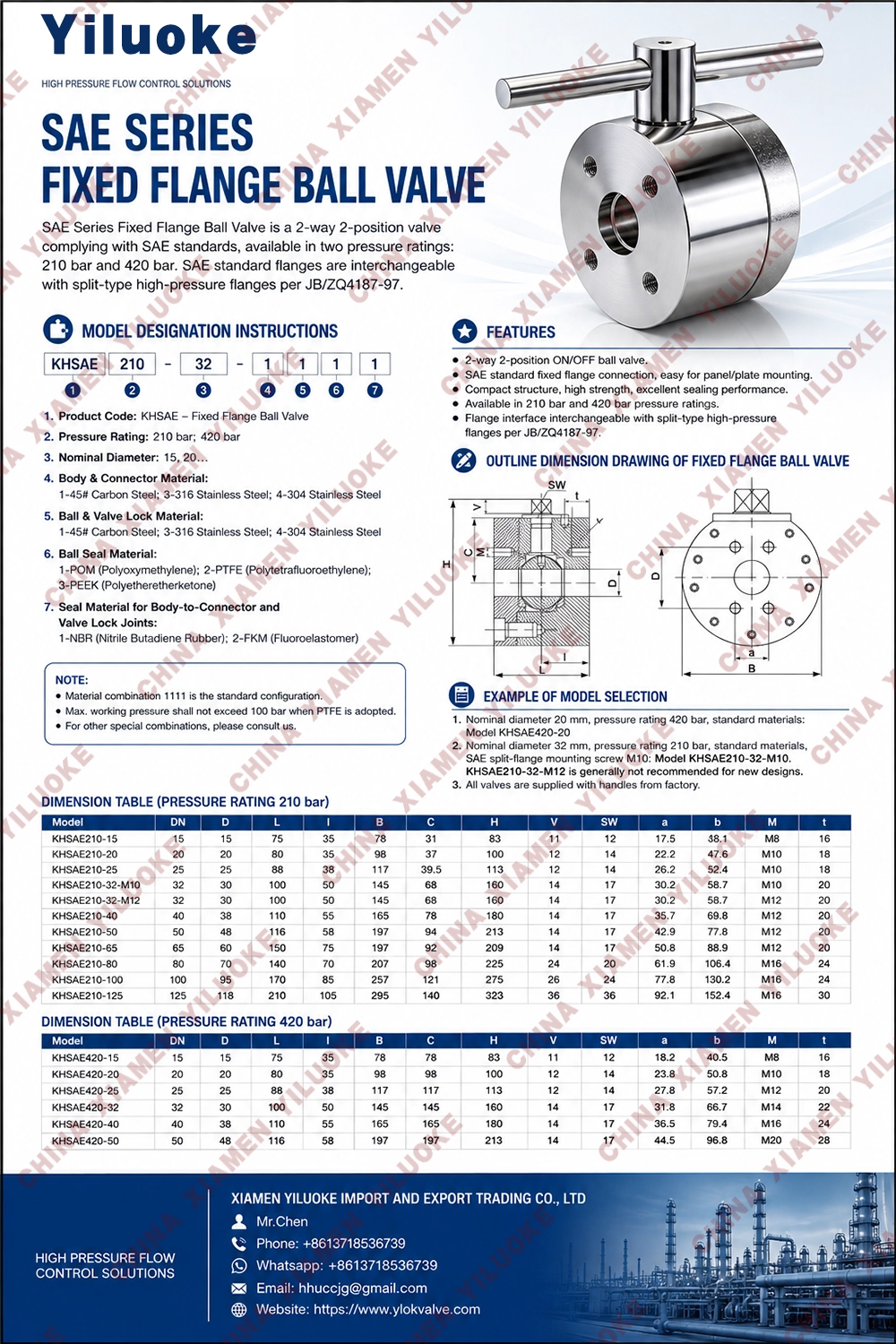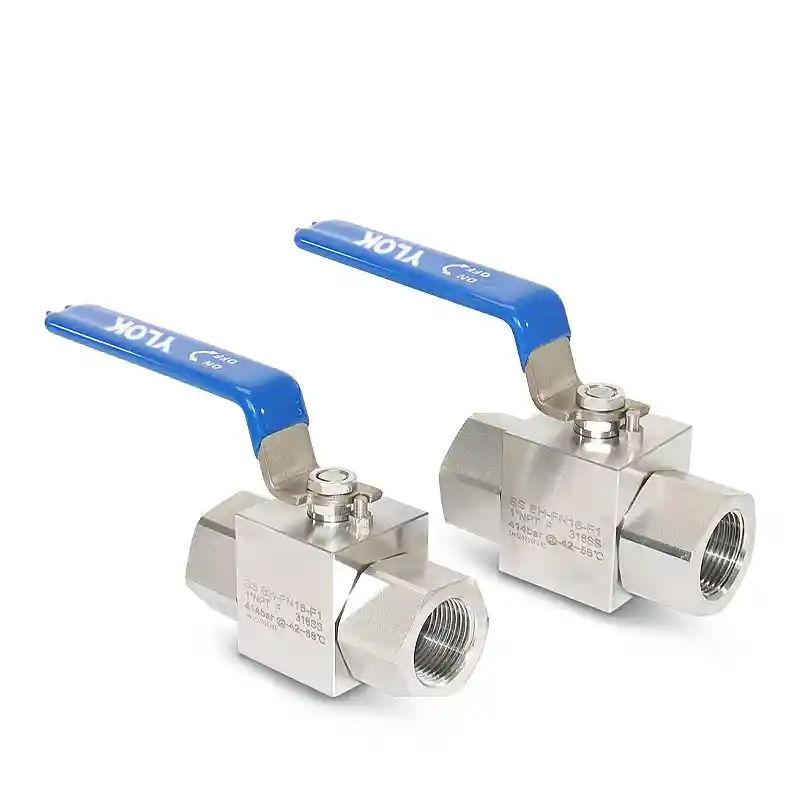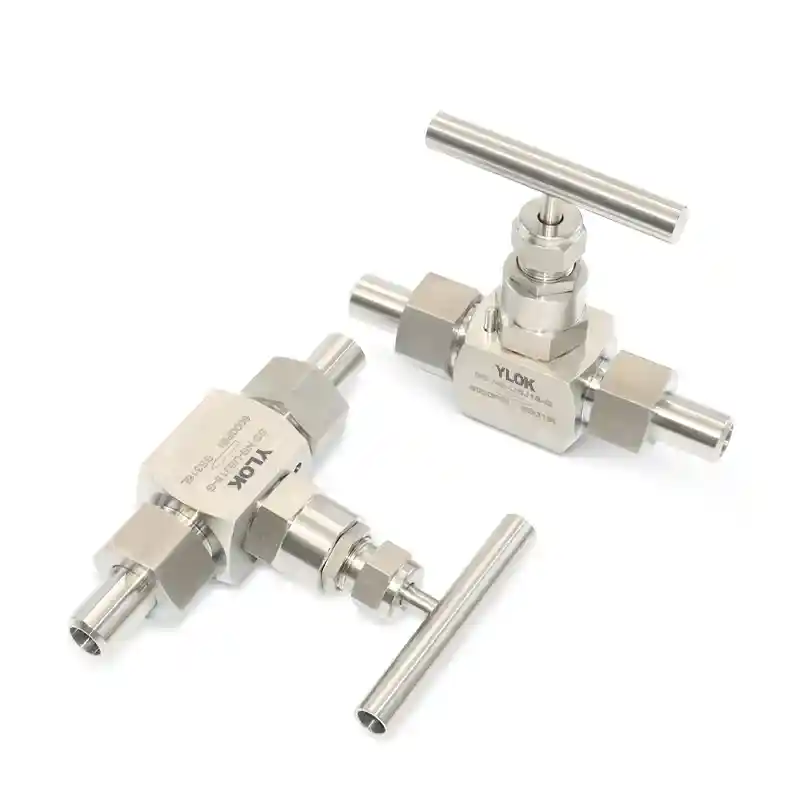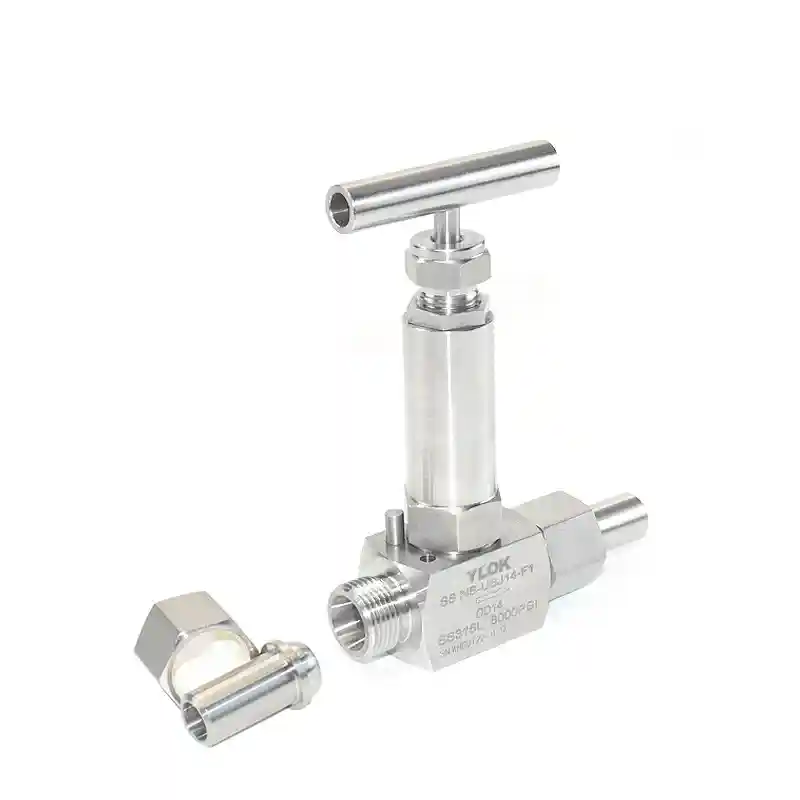


SAE Flange High-Pressure Ball Valve
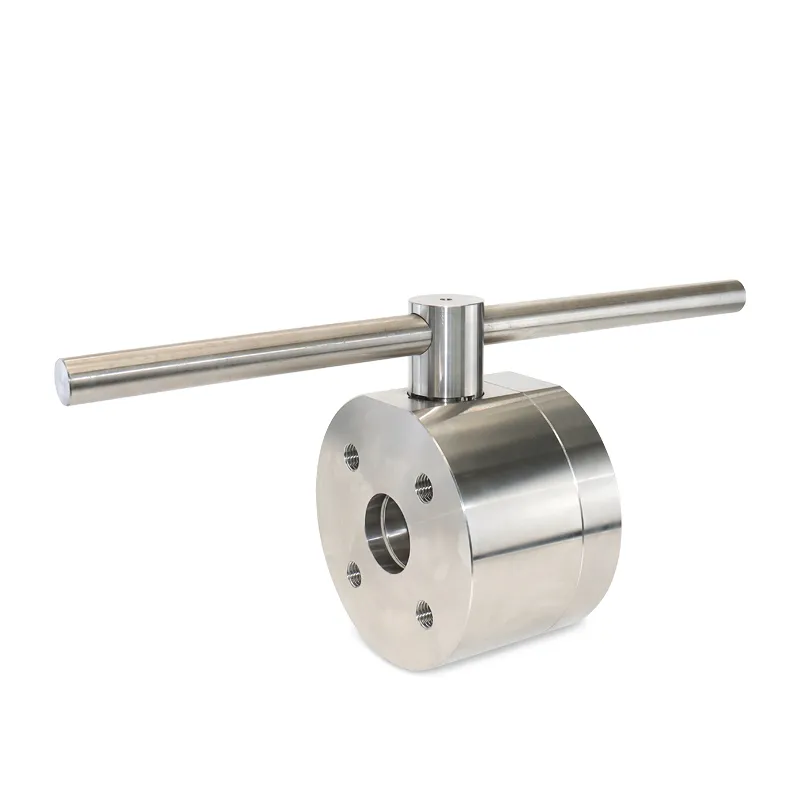
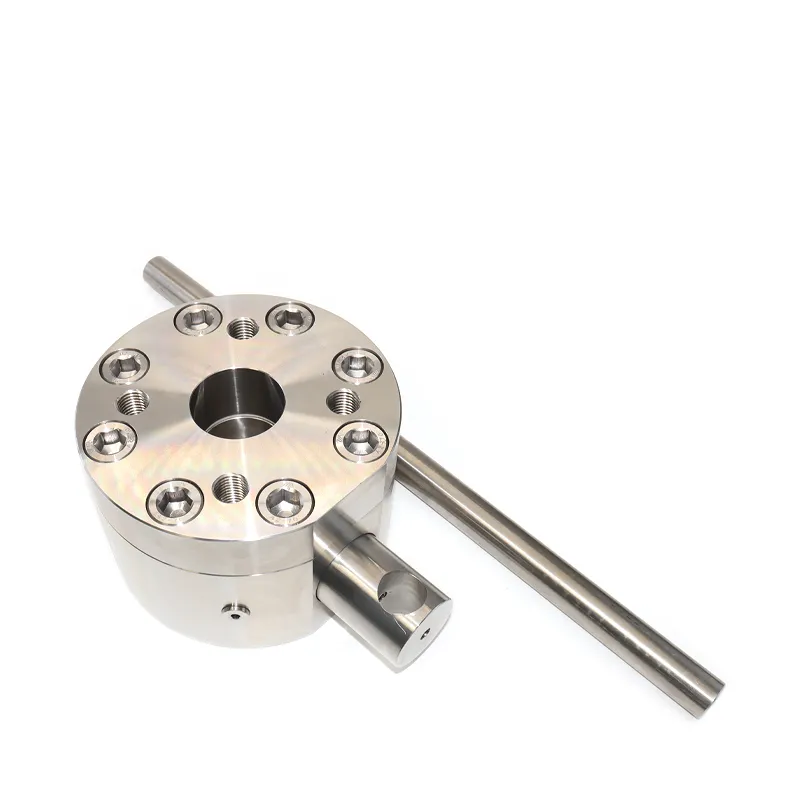
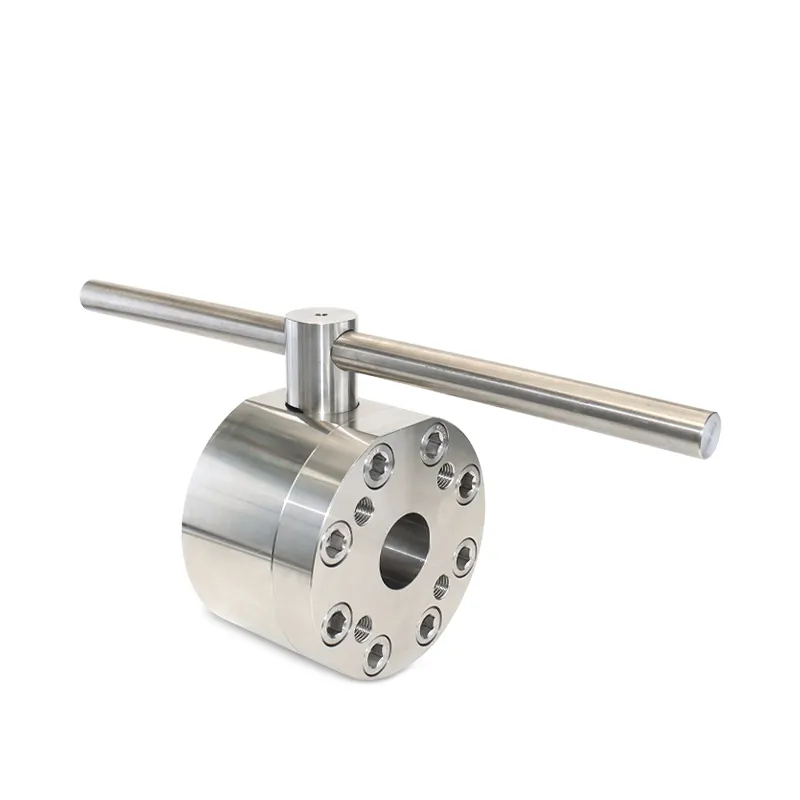
The SAE Flange High‑Pressure Ball Valve is mainly used in hydraulic system pipelines or integrated systems to control the circulation and shut‑off of working media. It is widely applied in industrial hydraulic equipment, marine hydraulic systems, mining and metallurgical equipment, hydraulic systems for vehicles and general machinery, agricultural machinery, petroleum industry equipment, etc.
This High‑Pressure Ball Valve with SAE Flange Connections mainly consists of a valve body, ball, valve stem, handle, and seals. The valve body is made of high‑quality steel components, with multiple surface treatment forms on the exterior, featuring an elegant appearance and long service life.
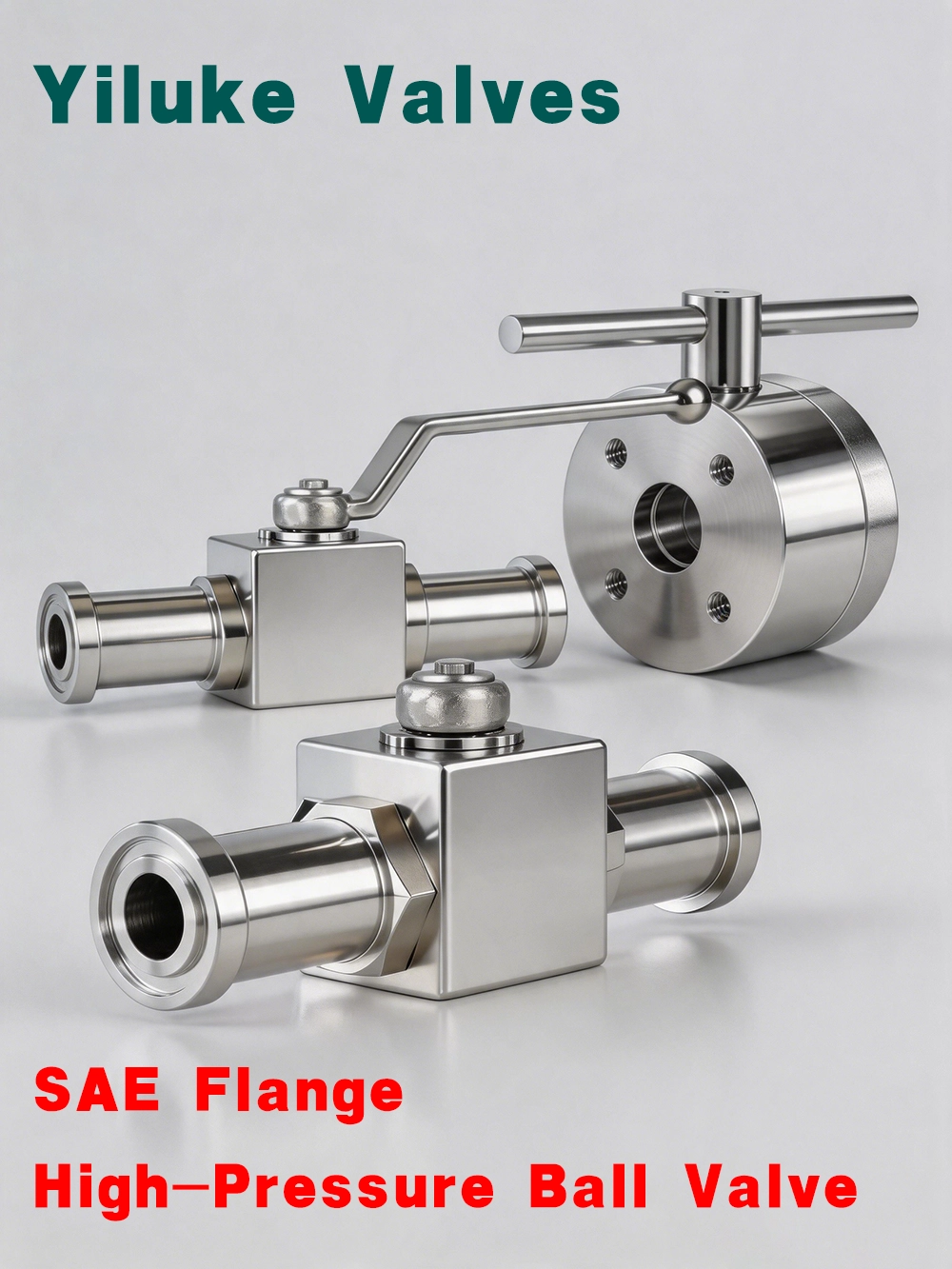
Structural Characteristics
1. Two‑way ball valve with SAE standard ports.
2. Switch position can be observed through the indicator slot on the handle spindle.
3. Switch position is limited by locating pin and limit pad.
4. Zero leakage, no manual readjustment for sealing parts required.
5. Floating ball sealing principle, sealing on outlet side.
6. Full‑bore flow path for unobstructed medium flow.
7. Compact structure and easy operation.
Technical Parameters
| Parameter Category | Specifications |
| Description | Fixed High‑Pressure Ball Valve with SAE Flange Connections |
| Structure | Shut‑off device is a ball |
| Pressure | 35~420 bar |
| Connection Type | SAE Flange |
| Materials | Valve body, end connectors, spiral flanges: Steel with zinc‑plated surface; Adjusting handle: Steel with zinc‑plated surface or zinc‑aluminum alloy coating; Ball: Steel with hard chrome‑plated surface; Ball seal: High‑quality composite material (POM) |
| Temperature Range | -10~+80℃ |
| Seal | Nitrile Rubber or Fluororubber |
Optional Accessories
Surface Treatment: Black oxide treatment, zinc‑plated, nickel‑zinc plated, painted
Special devices available upon request: Locking device, actuator, base plate, mounting holes, limit switch, combined ball valve, positioning device, special materials
Application Fields
Hydraulic system, paint industry, steam, hot oil, industrial workshop, shipbuilding and paper‑making industry. The actual application of the ball valve determines the material of valve body and sealing components.
Model Instruction
Yiluoke‑SAE 210‑13‑1‑1‑2‑3‑03
1. Series Code: Yiluoke‑SAE‑block‑type ball valve; MKH‑SAE‑sleeve‑type ball valve; SAE: flange connection
2. Nominal Pressure: 210bar; 420bar
3. Nominal Diameter: 13, 16, 20, 25, 32, 40, 50
4. Material for valve body, connector and flange: 1‑45# carbon steel, 3‑316 stainless steel, 4‑304 stainless steel
5. Material for ball and stem: 1‑45# carbon steel, 3‑316 stainless steel, 4‑304 stainless steel
6. Ball seal material: 1‑POM, 2‑PTFE, 3‑PEEK
7. Seal material for valve body, connector and valve lock: 1‑NBR, 2‑FKM, 3‑EPDM
8. Handle type: 01‑aluminum alloy crank handle, 02‑aluminum alloy straight handle, 03‑zinc alloy crank handle, 04‑zinc alloy straight handle, 05‑steel straight handle, 06‑steel crank handle, 09‑without handle
Remark: Code 1111 is the standard combination. The maximum working pressure shall not exceed 100bar when PTFE material is adopted. Please consult for other special combinations.