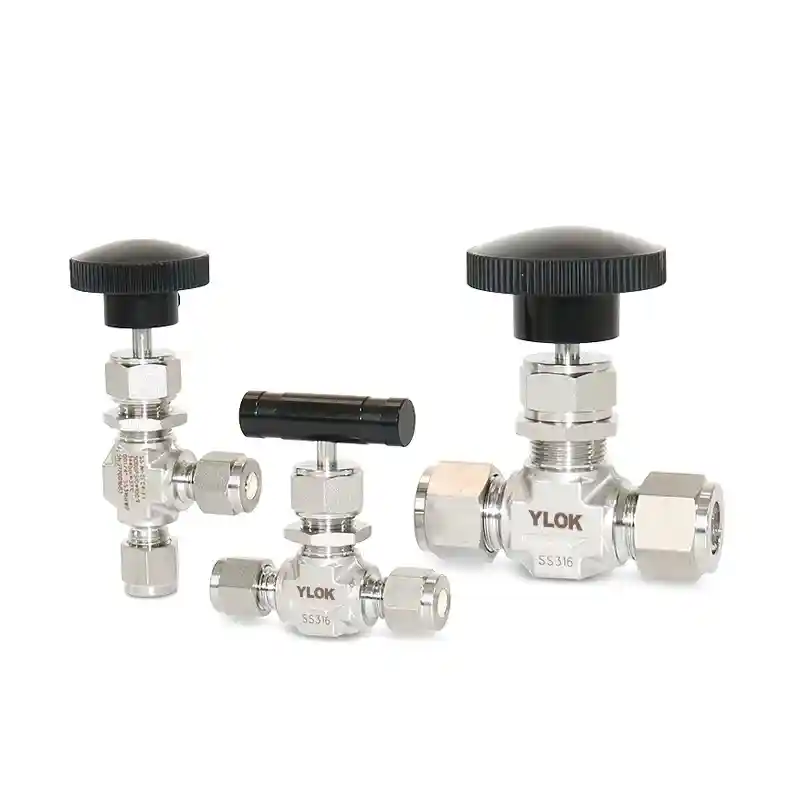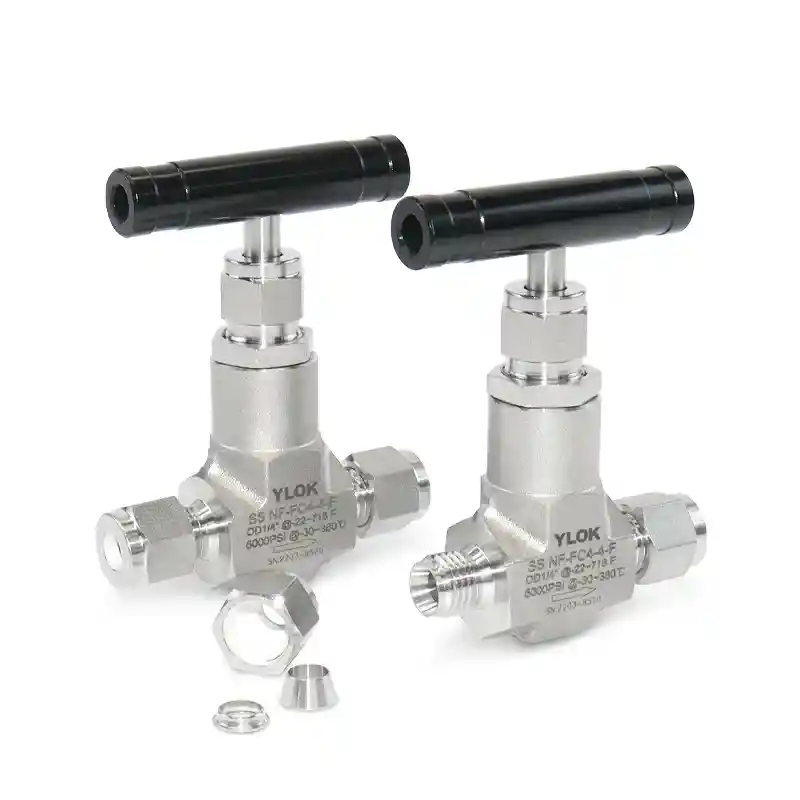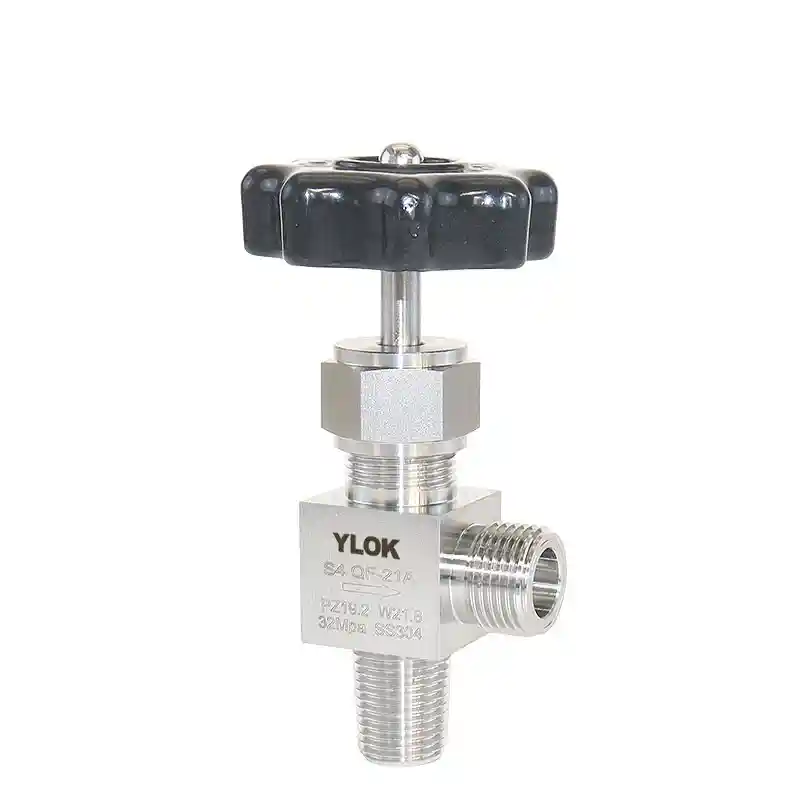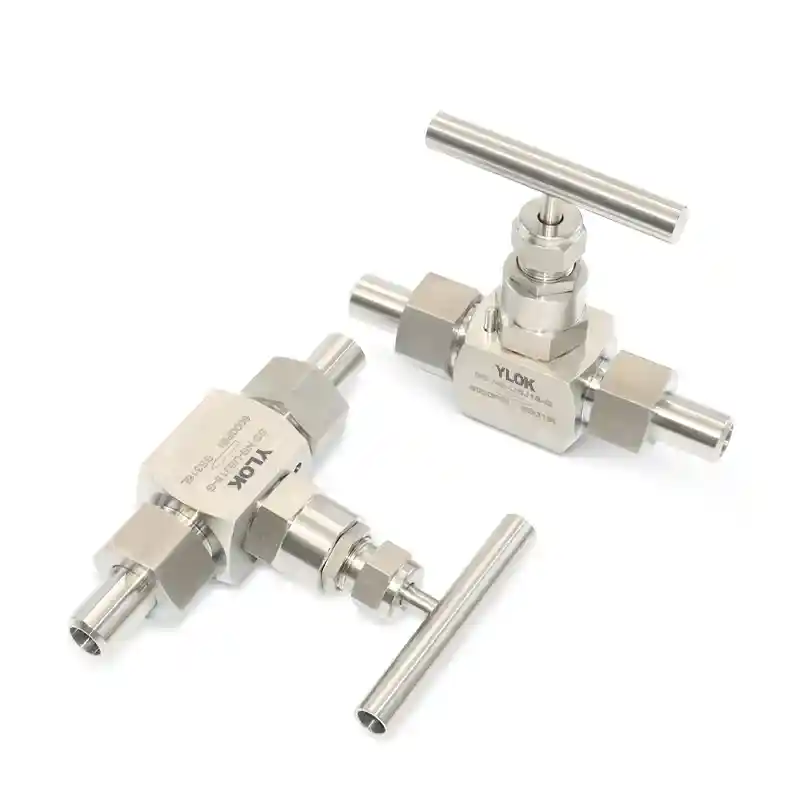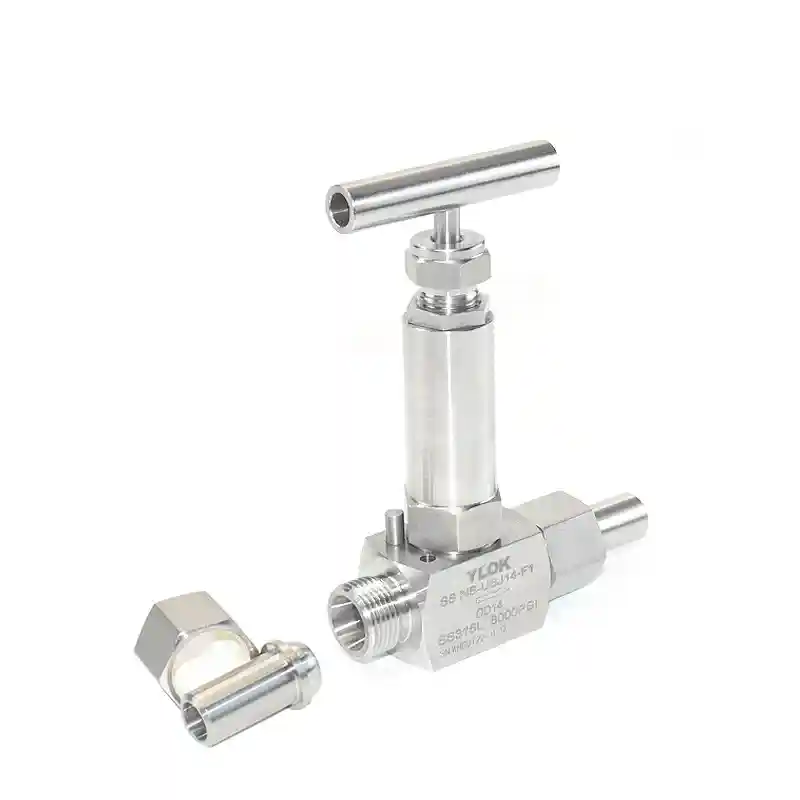


High-Temperature and High-Pressure Check Valves
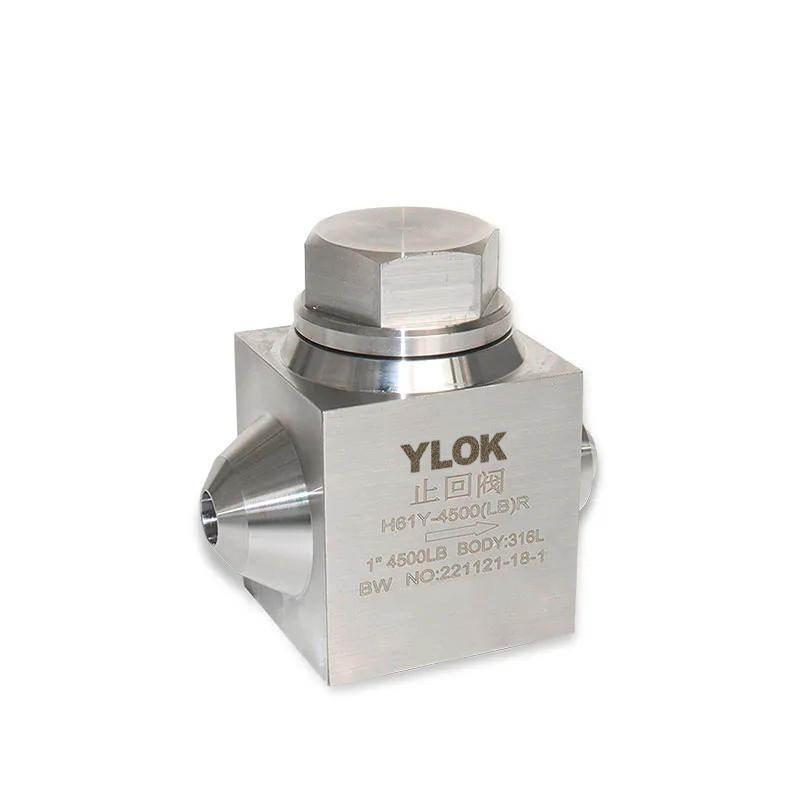
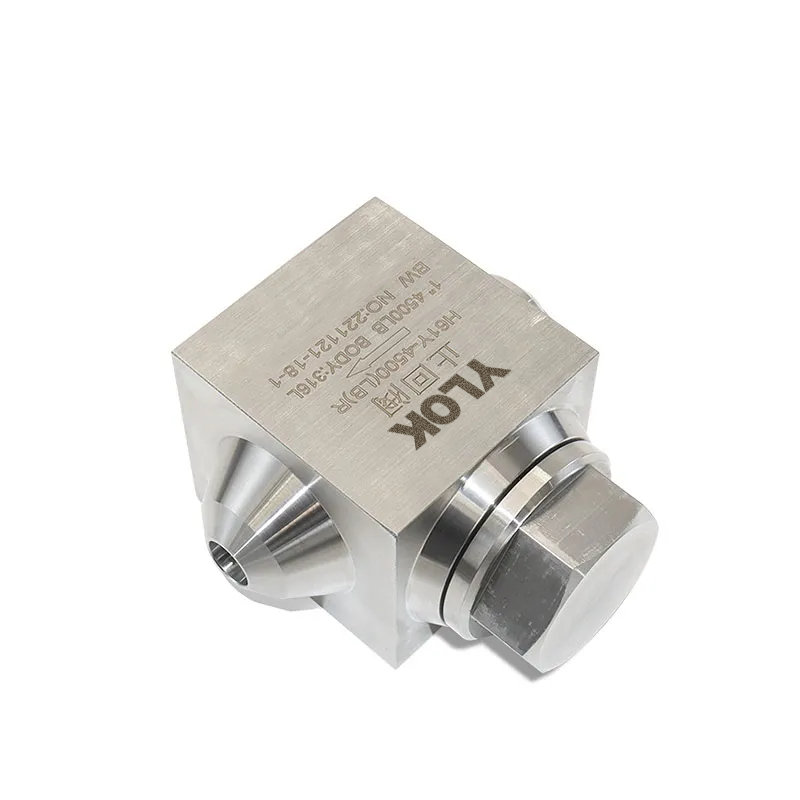
High-Temperature and High-Pressure Check Valve: Definition, Features, Applications & Technical Parameters
1. Definition of High-Temperature and High-Pressure Check Valve
The high-temperature and high-pressure check valve is specially designed as a medium backflow prevention device for pipelines conveying high-temperature and high-pressure water, steam, oil products, and superheated steam. It is mainly applied in key industrial fields including thermal power plants, petrochemical industry, and metallurgy industry, adapting to extreme high-temperature and high-pressure working conditions.
The middle part of the valve adopts a unique valve coverless pressure self-sealing structure, which delivers outstanding sealing performance even under harsh high-temperature and high-pressure operating conditions. There are two optional materials for the self-sealing rings: one is low-carbon steel, and the other is flexible graphite embedded with 316 stainless steel wires (mesh). The sealing surface is manufactured by overlay welding of cobalt-based cemented carbide, with the processed pure metal layer thickness ≥ 3mm. This structure endows the valve with excellent wear resistance, high-temperature resistance, corrosion resistance, scratch resistance, and a long service life.
2. Structural Features of High-Temperature and High-Pressure Check Valve
Optimized Overall Structure: Reasonable structural design, excellent operating performance, and aesthetic appearance, meeting both functional and installation requirements of industrial pipelines.
Pressure Self-Sealing Valve Cavity: The valve cavity adopts a pressure self-sealing structure without a valve cover; the higher the medium pressure, the better the sealing effect, achieving stable and reliable sealing under high-pressure conditions.
Diversified Connection Adaptability: Both ends of the branch pipe are equipped with butt welding connections, and the valve also supports flange connection, adapting to diverse pipeline connection requirements in different working conditions.
High-Performance Sealing Surface: The sealing surfaces of the valve disc and valve seat are formed by overlay welding of Stellite cobalt-based cemented carbide, featuring outstanding wear resistance, high-temperature resistance, excellent scratch resistance, and prolonged service life.
High-Strength High-Temperature Components: All high-temperature and pressure-resistant components are made of high-quality heat-resistant alloy steel, ensuring safe and reliable operation, stable long-term performance, and extended service life even in extreme high-temperature and high-pressure environments.
3. Technical Parameters of High-Temperature and High-Pressure Check Valve
Product Name: High-Temperature and High-Pressure Check Valve
Nominal Diameter: DN10 ~ DN700
Structure Type: Swing type, Lift type
Nominal Pressure: 16.0MPa ~ 42.0MPa
Connection Method: Welding, Flange
Applicable Temperature: -29ºC ~ +550ºC
Actuation Method: Medium-driven
Valve Body Material: Stainless steel
Execution Standards: National standard GB, German standard DIN, American standards API, ANSI
Applicable Medium: Water, oil, steam (including superheated steam)
4. Selection Reference of High-Temperature and High-Pressure Check Valve
Pressure Parameter: Clarify the actual system operating pressure and required pressure resistance level to select the matching nominal pressure grade
Medium Property: Accurately identify the type of conveyed fluid medium (water, oil, steam, etc.) to confirm material and sealing adaptability
Cracking Pressure: Determine the minimum starting cracking pressure required by the system to ensure normal opening and non-return function
Sealing Method Selection: Choose soft sealing or hard sealing according to medium temperature, pressure and service life requirements
Connection Specification: Select welding or flange connection standard and size to match the pipeline interface
Material Details: Verify the valve body material, sealing surface material and self-sealing ring material to adapt to high-temperature and high-pressure working conditions
Additional Functions: Optional models with pressure gauge interface, anti-cavitation structure or detachable valve cover according to actual needs, facilitating daily system maintenance, pressure monitoring and overhaul