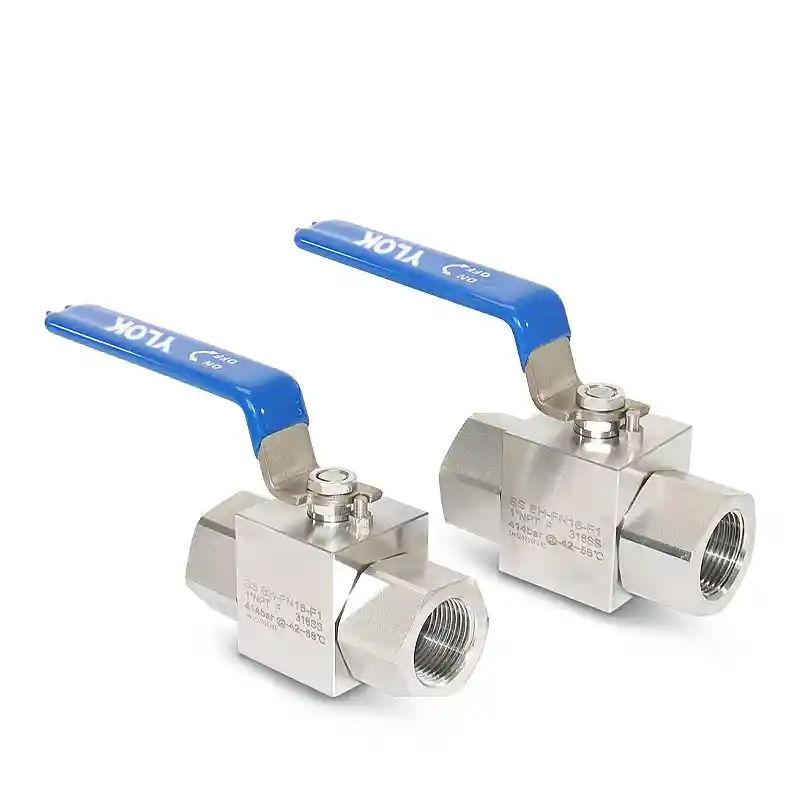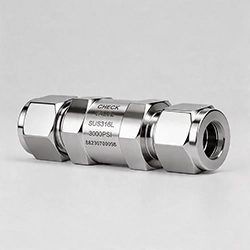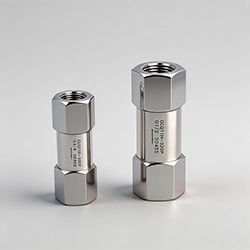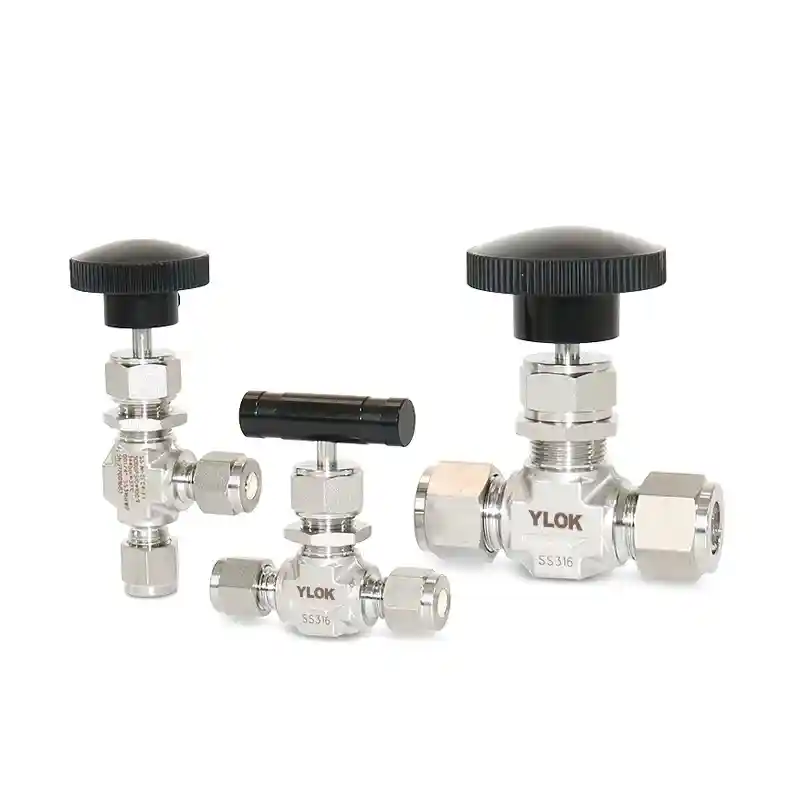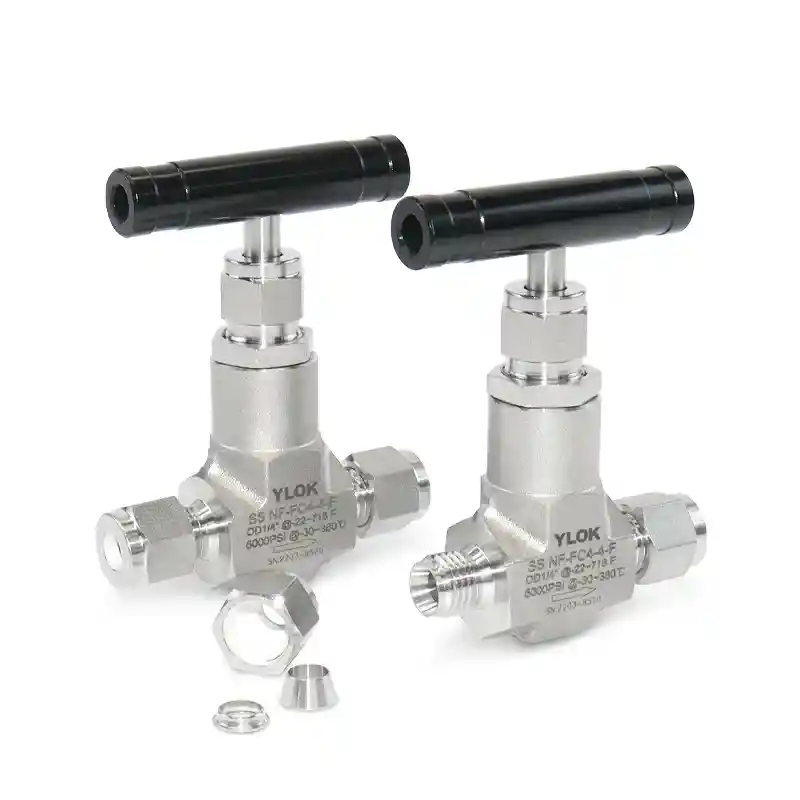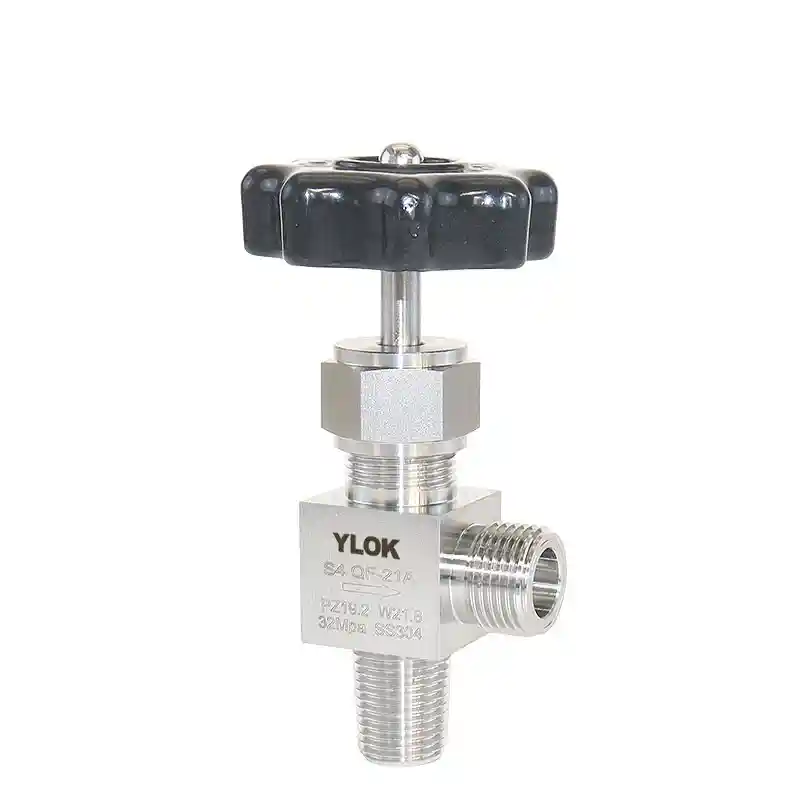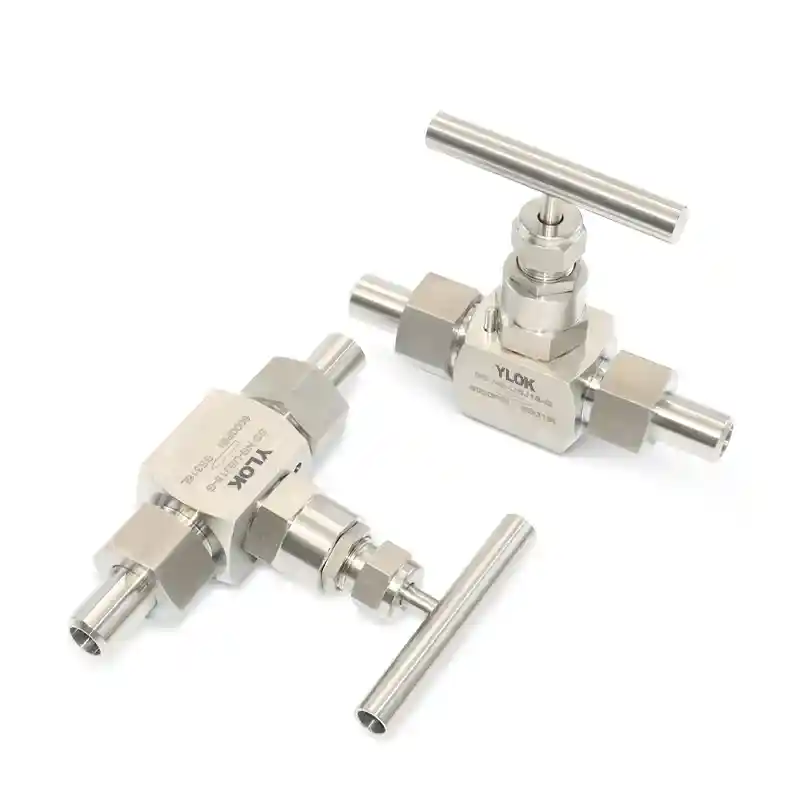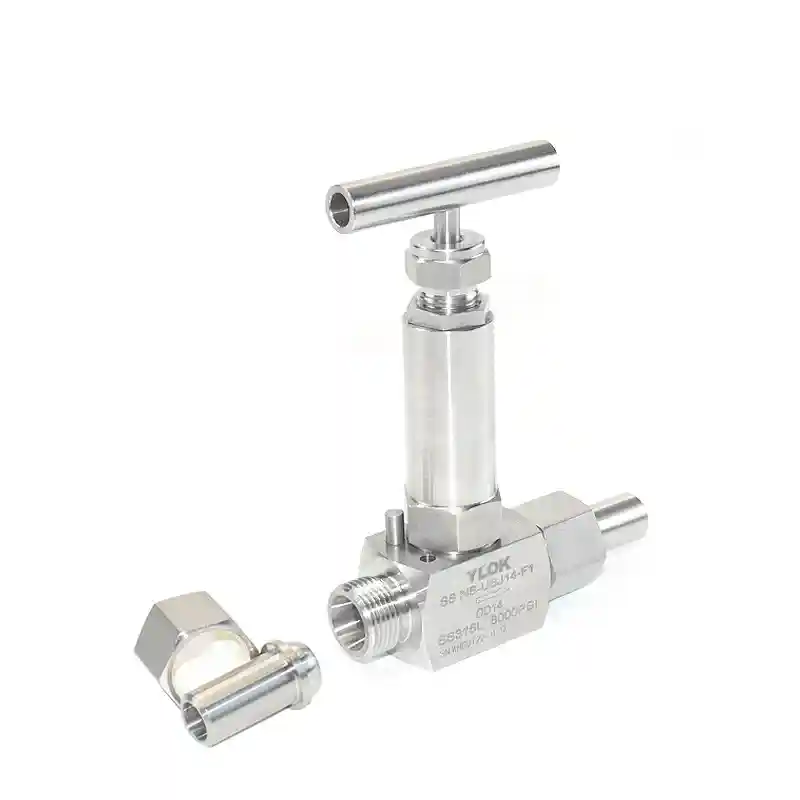


Internal Thread High-Pressure Check Valves
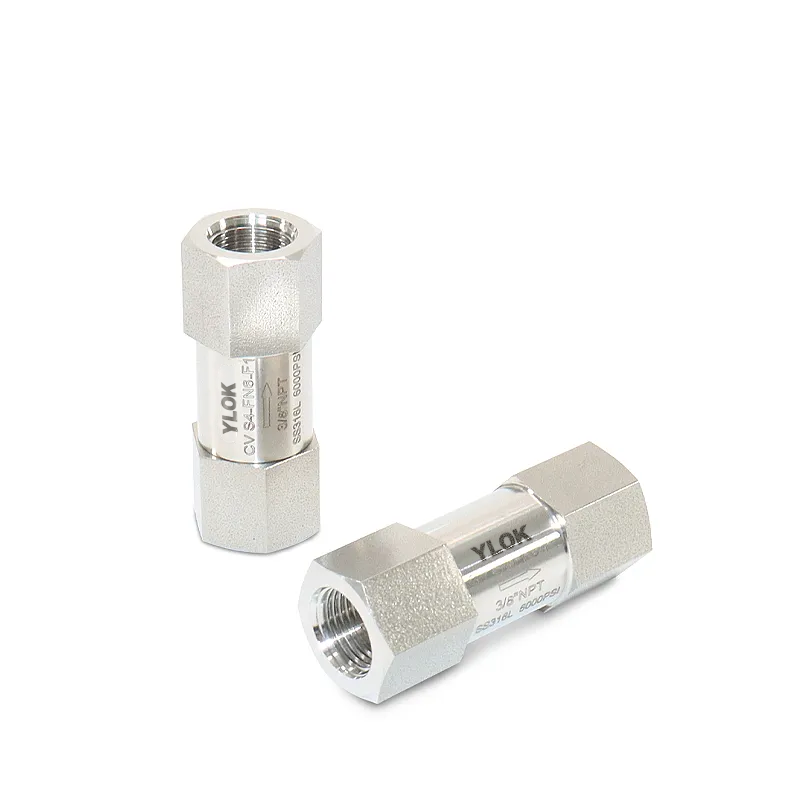
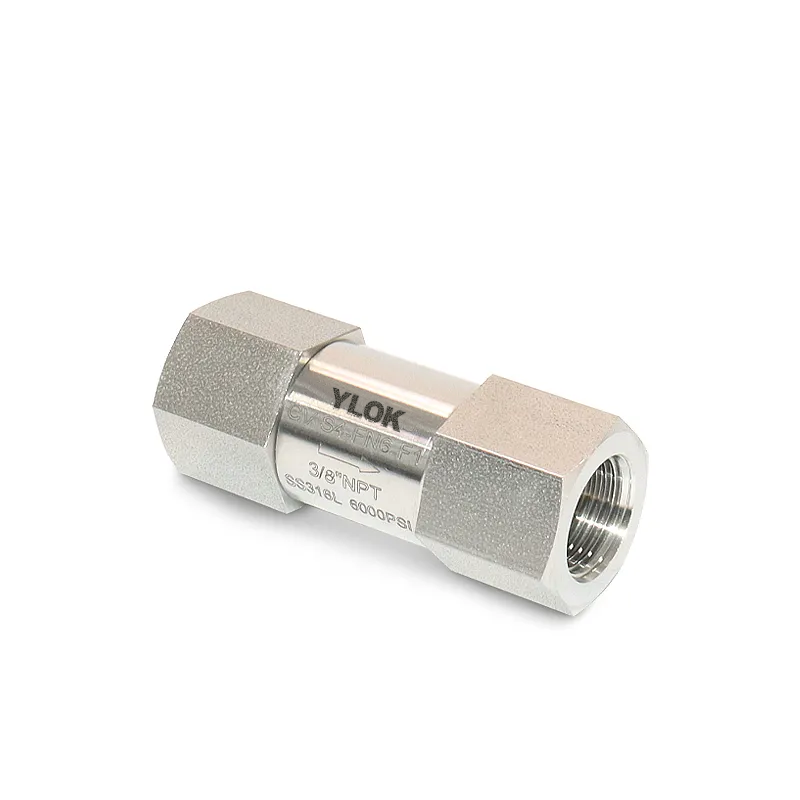
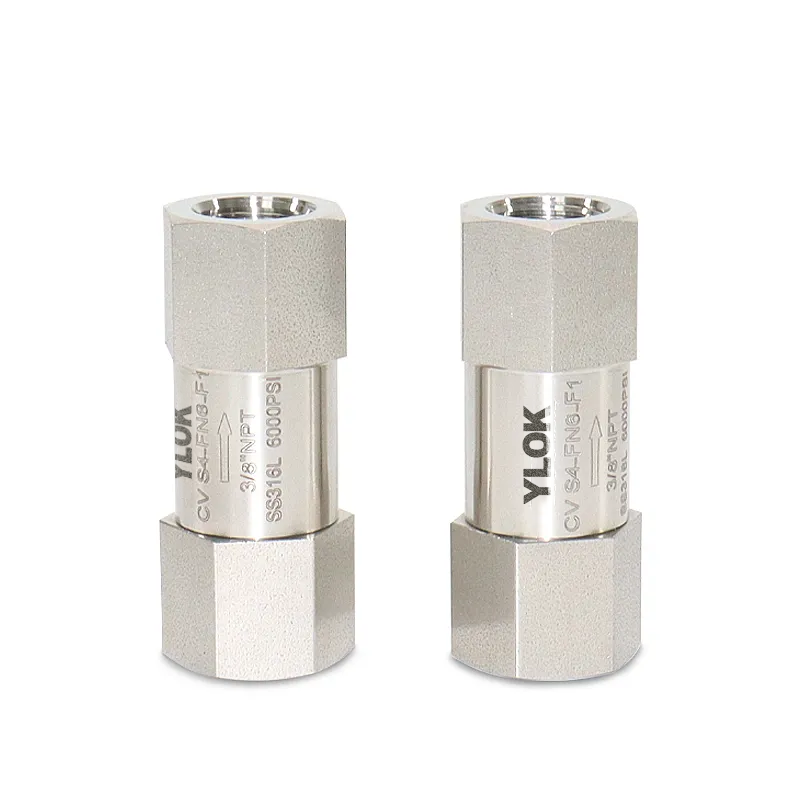
Internal Thread High-Pressure Check Valve: Definition, Features, Applications & Technical Parameters
1. Definition of Internal Thread High-Pressure Check Valve
The Internal thread high-pressure check valve is developed to meet the specialized needs of the process industry, with a targeted design for harsh working conditions and diverse fluid media. Its wetted parts are particularly suitable for natural gas and corrosive fluids, while also being fully applicable to conventional media such as water and hydraulic oil, covering a wide range of industrial fluid conveying scenarios.
This valve features a simple and robust structural design with a 4:1 safety factor, which lays the foundation for the wide application of the CV-type check valve. The professional design scheme and high-quality sealing materials adopted by the valve jointly ensure ultra-high durability and long-term stable sealing performance, adapting to long-term continuous operation in high-pressure working conditions.
The sealing element (piston) adopts a dual sealing system composed of an elastic O-ring and a metal cone, which is the core highlight of this valve. Under backpressure conditions, both the soft O-ring sealing surface and the metal cone sealing surface can effectively prevent medium backflow, and the dual sealing principle provides double insurance for reliable sealing, eliminating the risk of leakage caused by single sealing failure.
2. Structural Features of Internal Thread High-Pressure Check Valve
High Safety Performance: The pressure-bearing components adopt a 4:1 safety factor design, greatly improving the pressure resistance and operational safety of the valve, adapting to extreme high-pressure working conditions.
Anti-Leakage Structure: The integrated and robust housing structure eliminates potential leakage points caused by split assembly, fundamentally preventing medium leakage and ensuring tightness of the pipeline system.
Stable Sealing Performance: The self-centering piston design achieves high repeatability and consistent sealing performance, avoiding sealing deviation caused by piston displacement.
Redundant Dual Sealing: Equipped with O-ring soft sealing and metal cone hard sealing redundant structure, combining the advantages of soft sealing tightness and hard sealing wear resistance, suitable for both conventional and corrosive media.
3. Applications of Internal Thread High-Pressure Check Valve
Core industrial fields: Oil and gas industry, chemical and petrochemical industry, thermal power and hydropower plants
Key functional scenarios: Preventing the backflow of gas or liquid in precision measurement circuits, ensuring the accuracy and stability of measurement data
Extended supporting systems: Sampling analysis systems, actuator control loops, various test benches, and hydraulic power stations
4. Technical Parameters of Internal Thread High-Pressure Check Valve
Specification Standard: According to data sheet AC 09.29
Medium Temperature Range:
NBR sealing: Max. +120 °C [+248 °F]
FKM sealing: Max. +180 °C [+356 °F]
PTFE sealing: Max. +210°C [+410°F]
Minimum temperature: Min. -55 °C [-67 °F]
Design Type: Threaded/Threaded
Pressure Rating: 10000 PSI - 690 bar
Body Material: Stainless steel 316/316L - 1.4401/1.4404 - S31600/S31603 (other materials available on request)
Cracking Pressure: 1.38 bar [20 PSI] ± 30%
Certificates: NACE MR0175 Sour Gas Service & Inspection certificate 3.1, EN 10204, covering material certification for all wetted parts
5. Selection Reference of Internal Thread High-Pressure Check Valve
Pressure Index: Clarify the actual operating pressure and required pressure resistance level of the system to match the appropriate pressure rating
Medium Properties: Accurately identify the type of fluid medium (corrosive, non-corrosive, gas, liquid) to select matching materials and sealing parts
Cracking Pressure: Determine the minimum cracking pressure required by the system to ensure the valve can open normally under working pressure
Sealing Method: Select soft sealing, hard sealing or dual sealing according to medium characteristics and sealing requirements
Connection Specification: Confirm the standard and size of internal thread connection to match the pipeline interface
Material Details: Verify the valve body material and sealing material to meet the medium and temperature requirements
Additional Functions: Optional models with pressure gauge interface, anti-cavitation structure or detachable valve cover, facilitating system pressure monitoring and later maintenance