


Pneumatic Angle Seat Valve with Signal Feedback
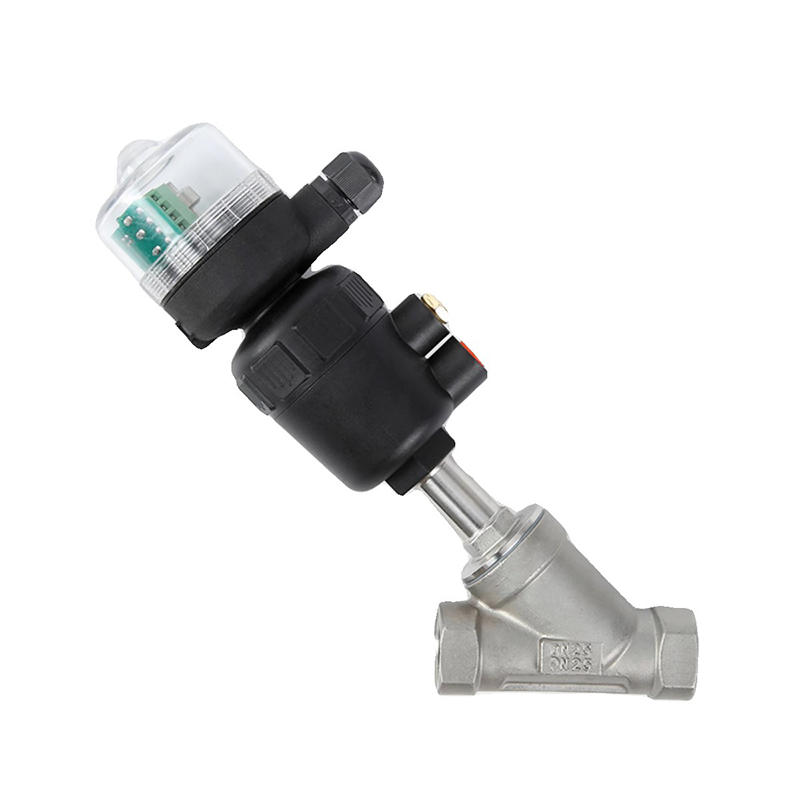
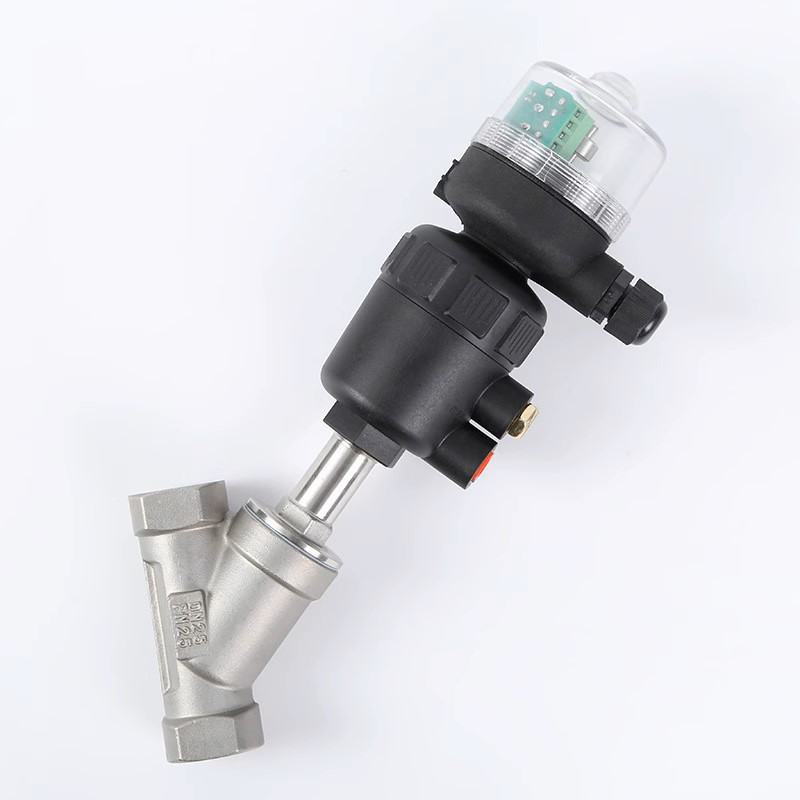
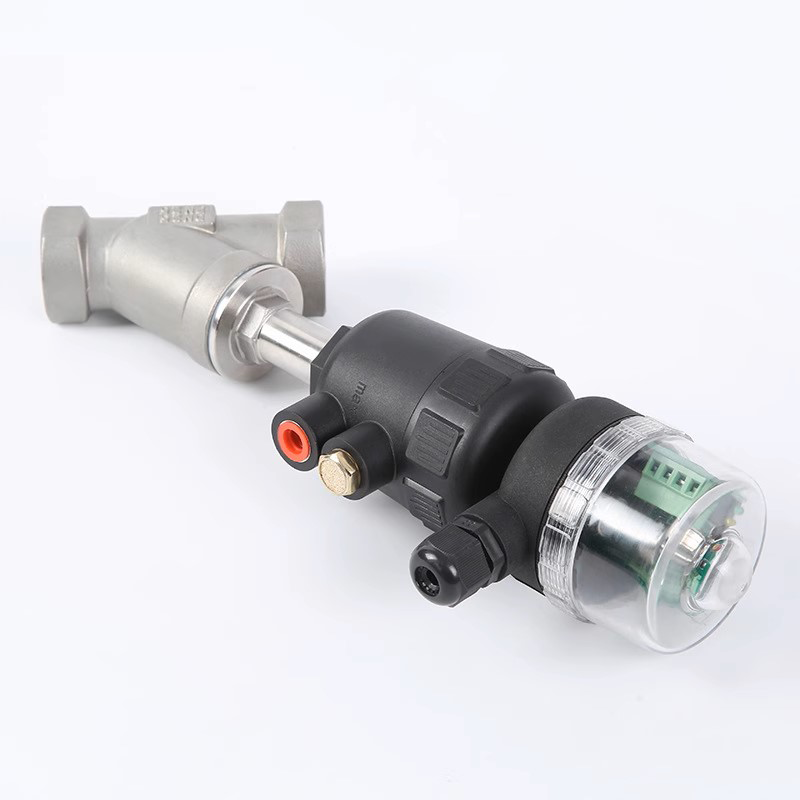
Pneumatic Angle Seat Valve with Signal Feedback - Overview, Principle, Features & Technical Parameters
The pneumatic angle seat valve with signal feedback uses a signal switch to detect the opening and closing state of the valve and transmit it to the console. It is widely used for frequent starting in a short time, featuring sensitive response and accurate action. When used with a solenoid valve, it can accurately control the flow of gas and liquid through pneumatic control.
Working Principle
The pneumatic actuator receives the control signal and drives the valve core to move, realizing fluid on-off or flow regulation; the angle seat valve body is the core component of the valve, responsible for guiding and intercepting the fluid; the feedback sensor real-time monitors the movement state of the valve core and feeds the signal back to the control system to form a closed-loop control loop. Through this feedback mechanism, the system can adjust according to the actual situation to ensure precise control of the fluid.
Structural Features
Visual Position Indication: Can be connected with a limit switch or an emergency manual device.
Easy Installation: The pneumatic head can be rotated 360 degrees. One or two limit switches can be easily installed.
Pneumatic Controller: Thickened engineering plastic shell, ***. Low-wear piston structure with large capacity and low air consumption. Internal components are self-lubricating and maintenance-free.
Multiple Control Modes: Normally open, normally closed, double-acting.
Smaller Pneumatic Actuator Required: When fluid flows in from above the valve stem, a smaller control head can be selected.
Easy Connection: MAMUR standard connection, embedded metal joint.
Long-Life Guide Rod: Wedge-shaped Teflon (PTFE) seal on the valve stem to avoid the introduction of dirt. Self-lubricating and maintenance-free. The valve stem is specially treated to ensure firm fixation and automatic position correction.
No Water Hammer Effect: When fluid flows in from below the valve stem, water hammer (water impact force) is absorbed.
Valve Body Structure: The flow rate is 30% higher than that of ordinary angle seats, with smaller volume and better fluid flow pattern. SS304, SS316 valve body, Teflon seal, high temperature resistance and corrosion resistance.
Technical Parameters
Working Pressure: 0-1.6MPa (0-232psi)
Control Air Pressure: 0.3-0.8Mpa (43.5-116psi)
Sealing Material: Polytetrafluoroethylene (PTFE)
Piston Sealing Material: Fluororubber
Valve Body Material: 304/316/316L
Control Medium: Compressed air/Neutral gas
Applicable Media: Water, neutral gas or liquid, alcohol, oil, organic solvent, water vapor, dye, acid and alkali solution
Medium Viscosity: Max 600mm²/s
Medium Temperature: PTFE Ordinary Type: Temperature Range: -10~180℃; PTFE Composite Type: Temperature Range: -20~+250℃
Ambient Temperature: -10℃~+80℃
Connection Mode: Threaded type, Welded type, Flange type, Quick-install type (A direction for upstream installation / B direction for downstream installation)
Leakage Class: DIN EN 12266 Class A
Power Supply: 24VDC±10%, ≥1A. Switching power supply is recommended.
Power Consumption: <5W
Set Signal Input Impedance: 120Ω
Leave Your Message
Products categories
-
Welded Manual Angle Seat Valves
-
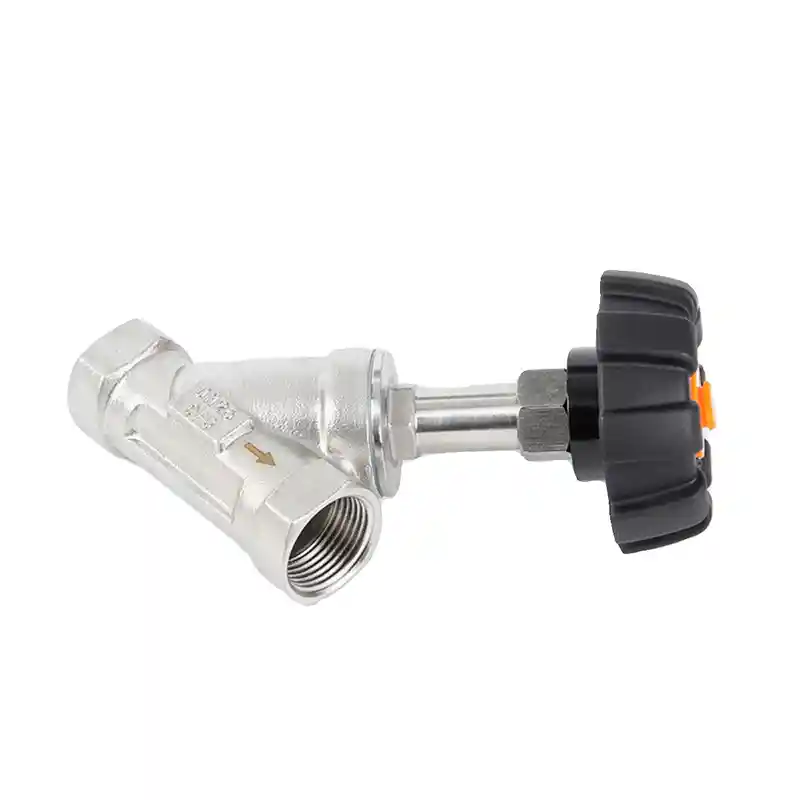
Internal Thread Manual Angle Seat Valves
-
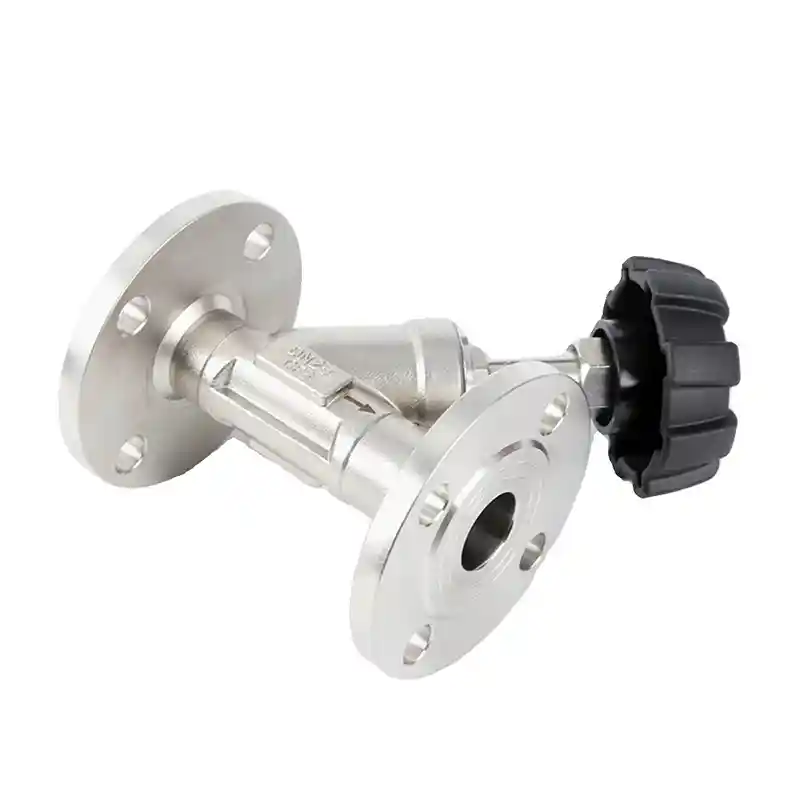
Flanged Manual Angle Seat Valves
-
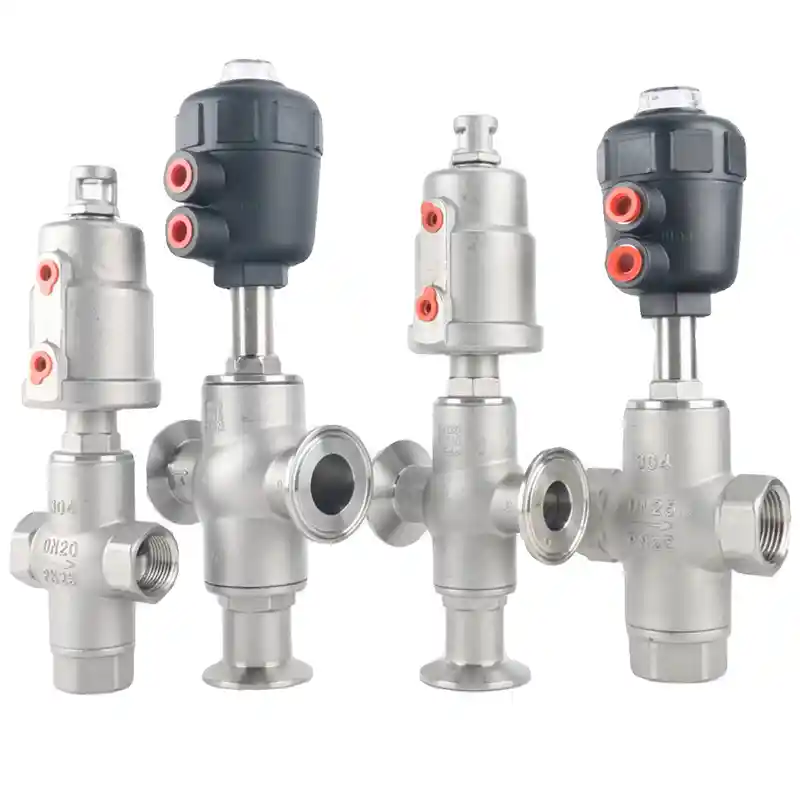
3-Way Pneumatic Angle Seat Valves
-
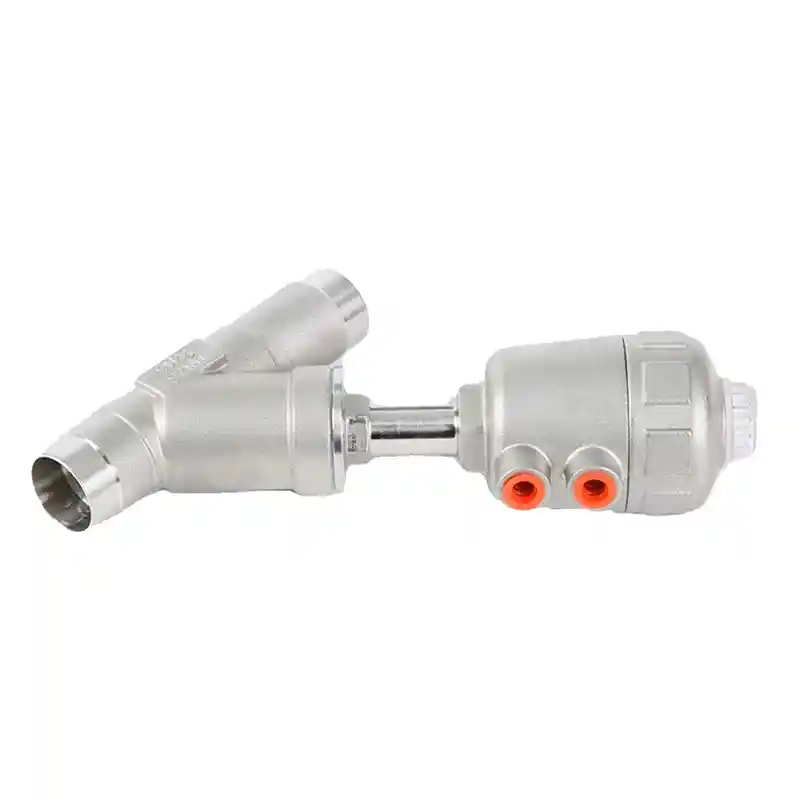
Welded Pneumatic Angle Seat Valves
-
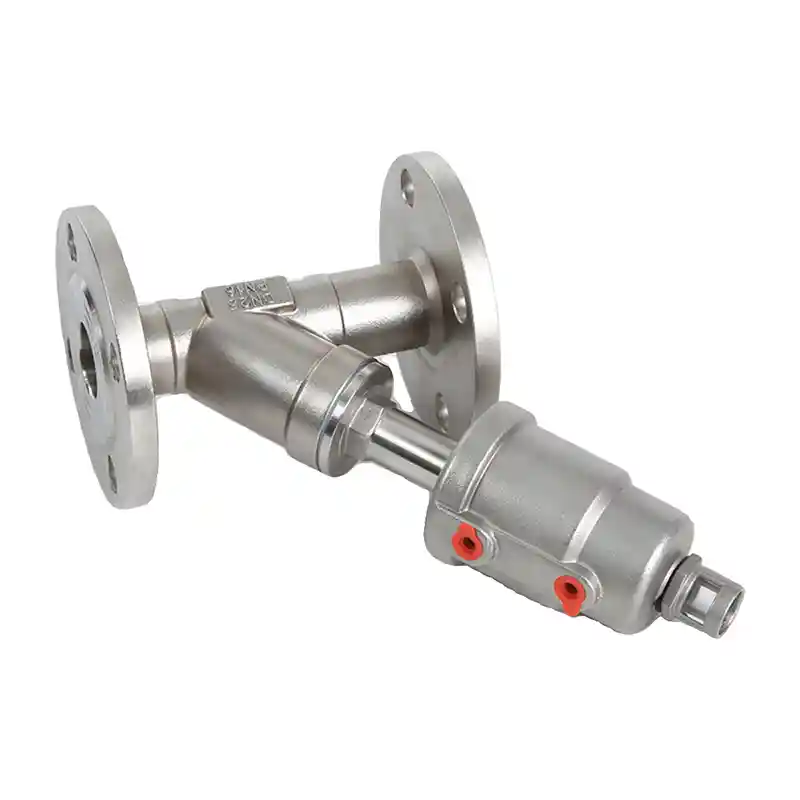
Flanged Pneumatic Angle Seat Valves
-
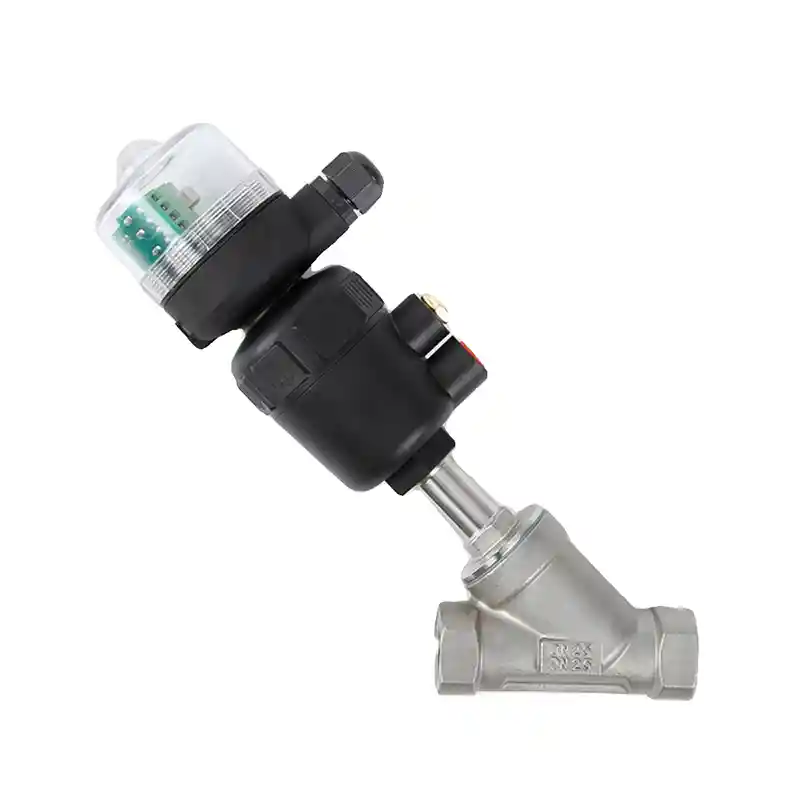
Pneumatic Angle Seat Valve with Signal Feedback
-
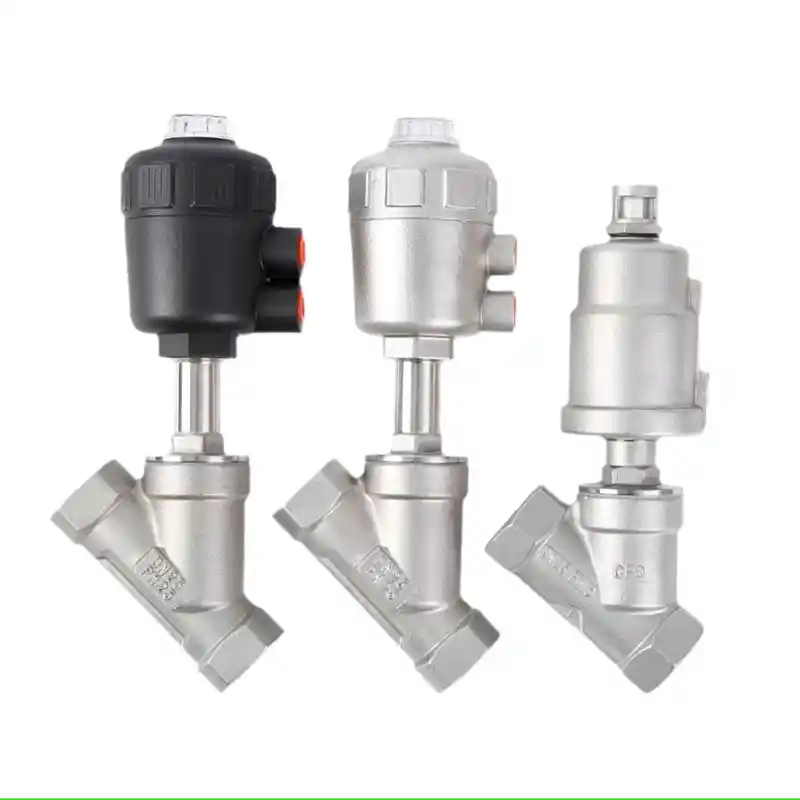
Internal Thread Pneumatic Angle Seat Valves
-
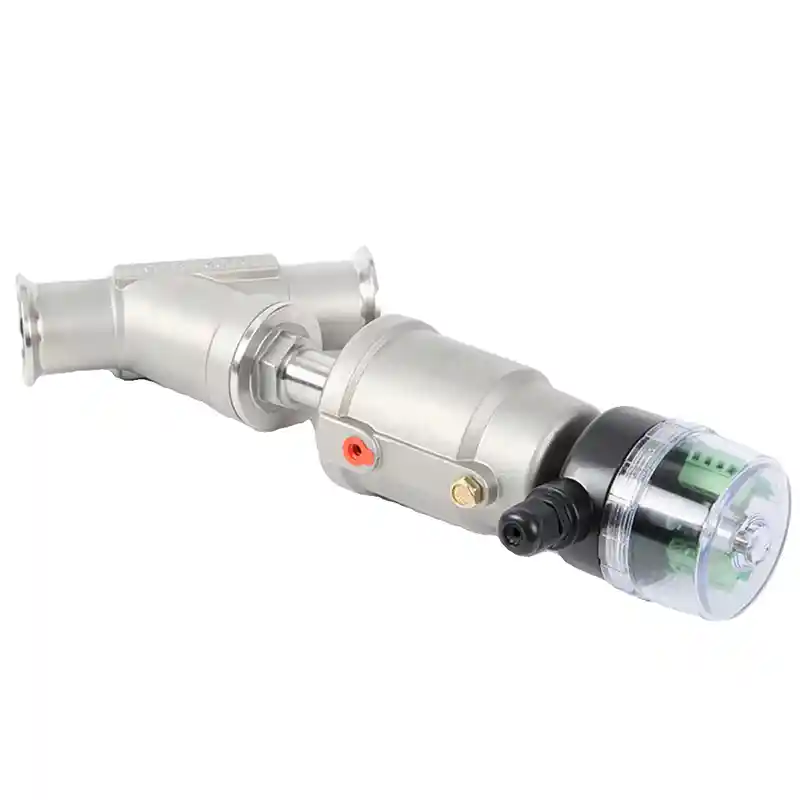
Pneumatic Angle Seat Valve with Magnetic Inductive Switch