


Cryogenic Globe Valves
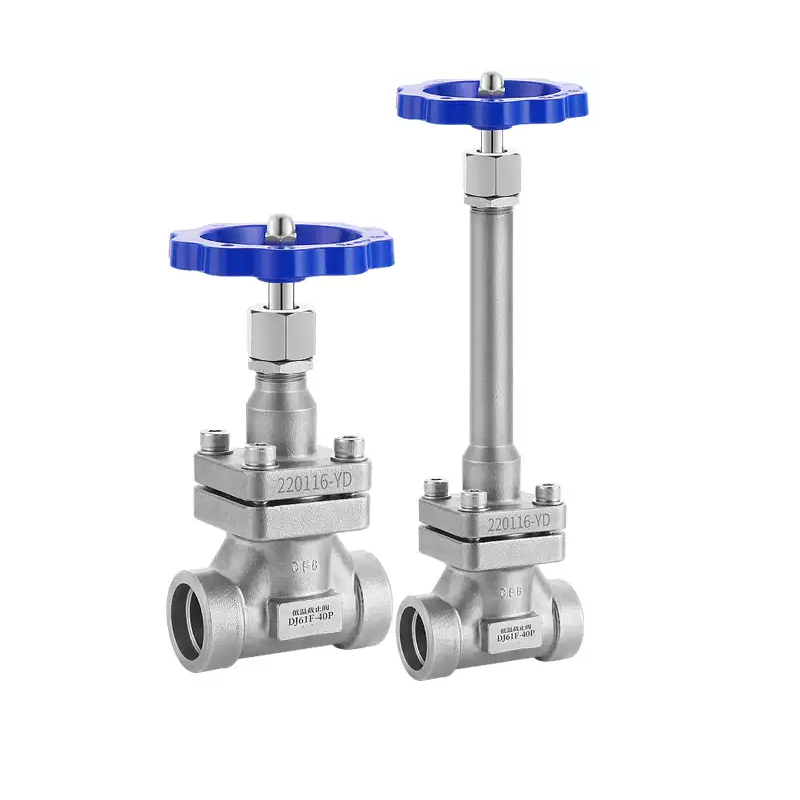
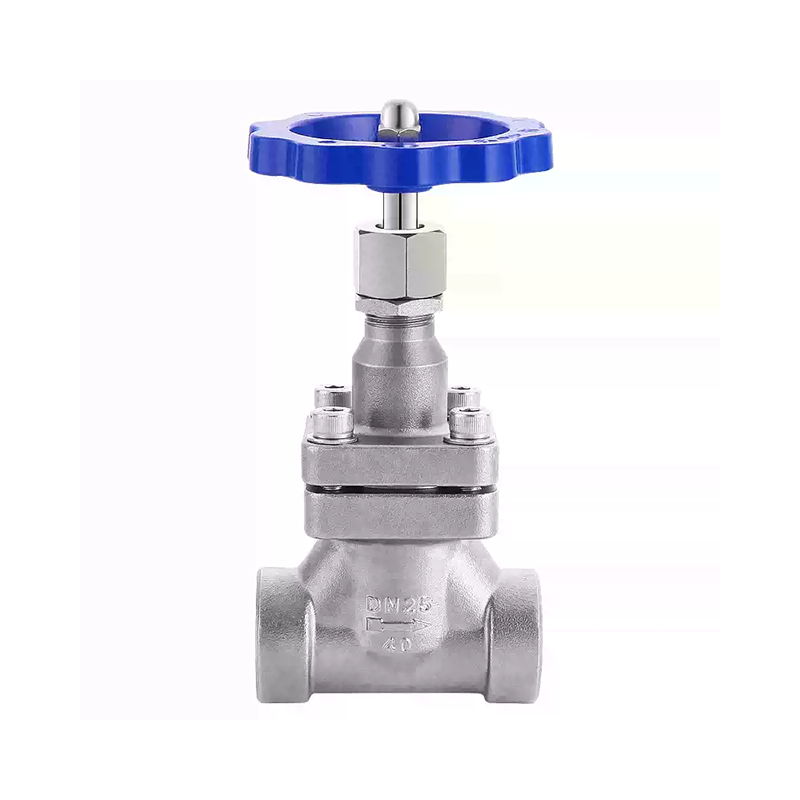
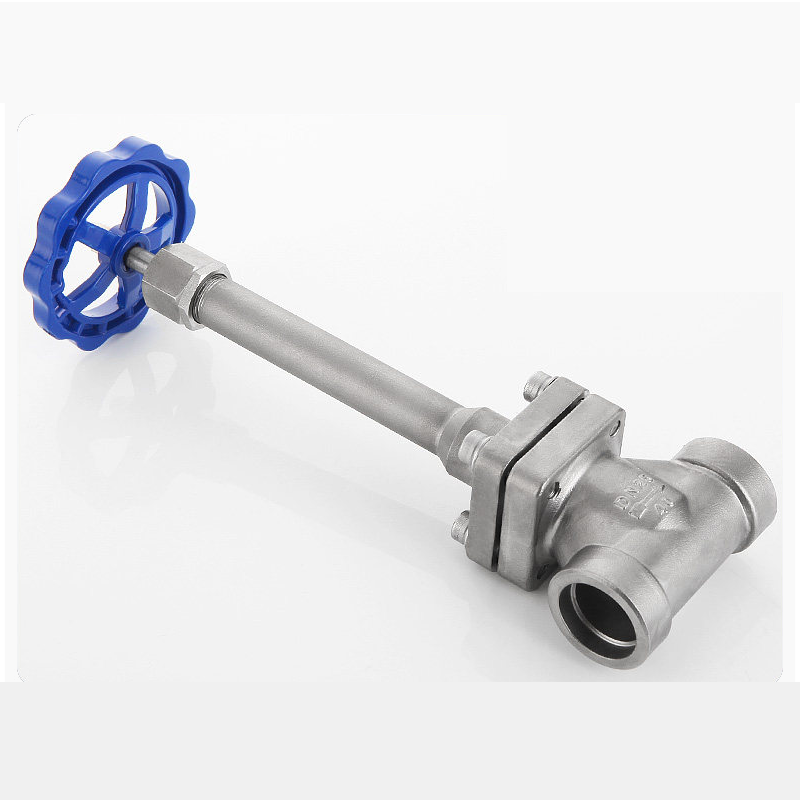
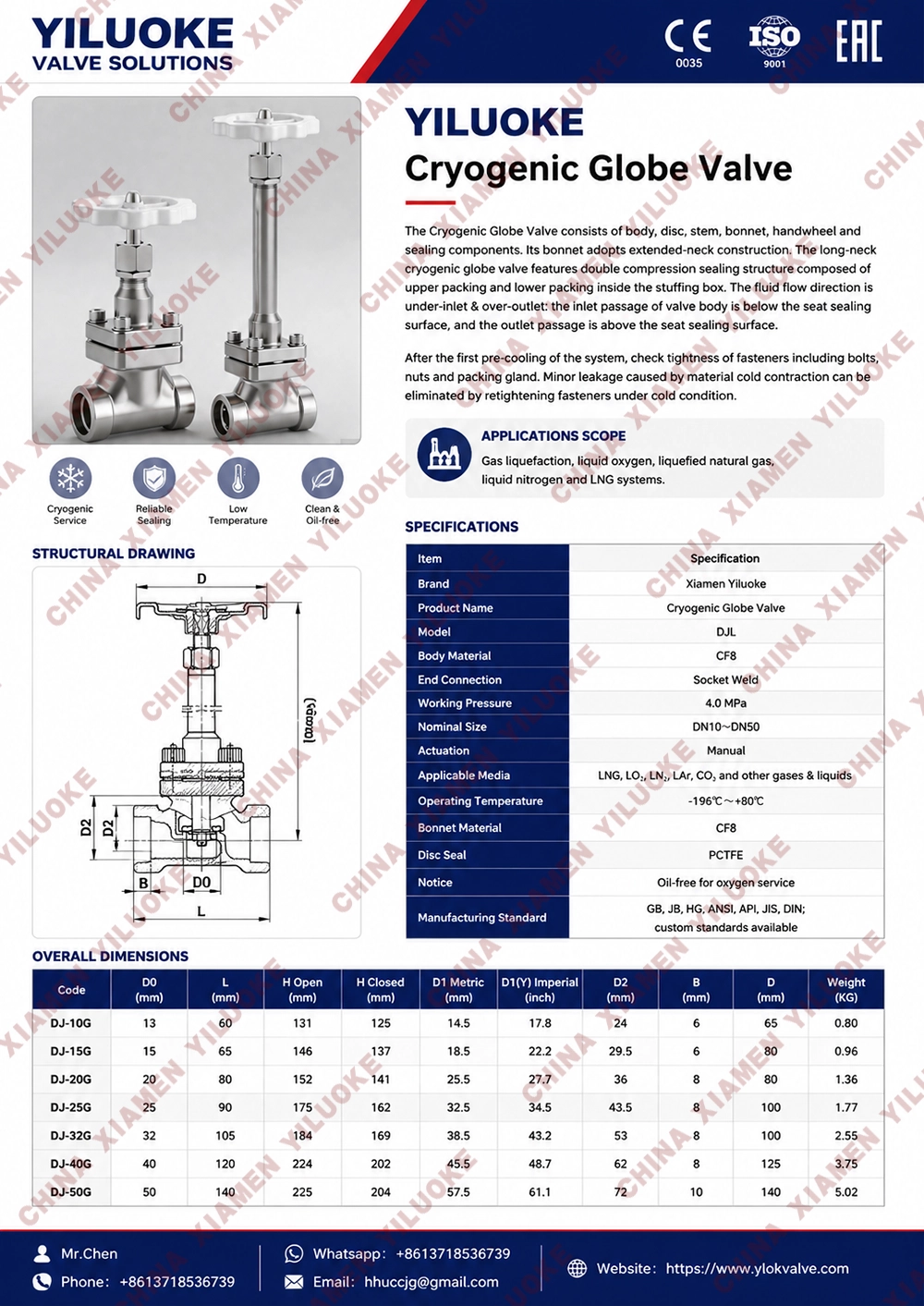
Cryogenic Globe Valves are suitable for cryogenic working conditions of -196℃. The valve stem axis of the Cryogenic Globe Valve is perpendicular to the sealing surface of the valve seat. The opening or closing stroke of the valve stem is relatively short, with a very reliable cutting action, making it suitable for cutting off, regulating and throttling media.
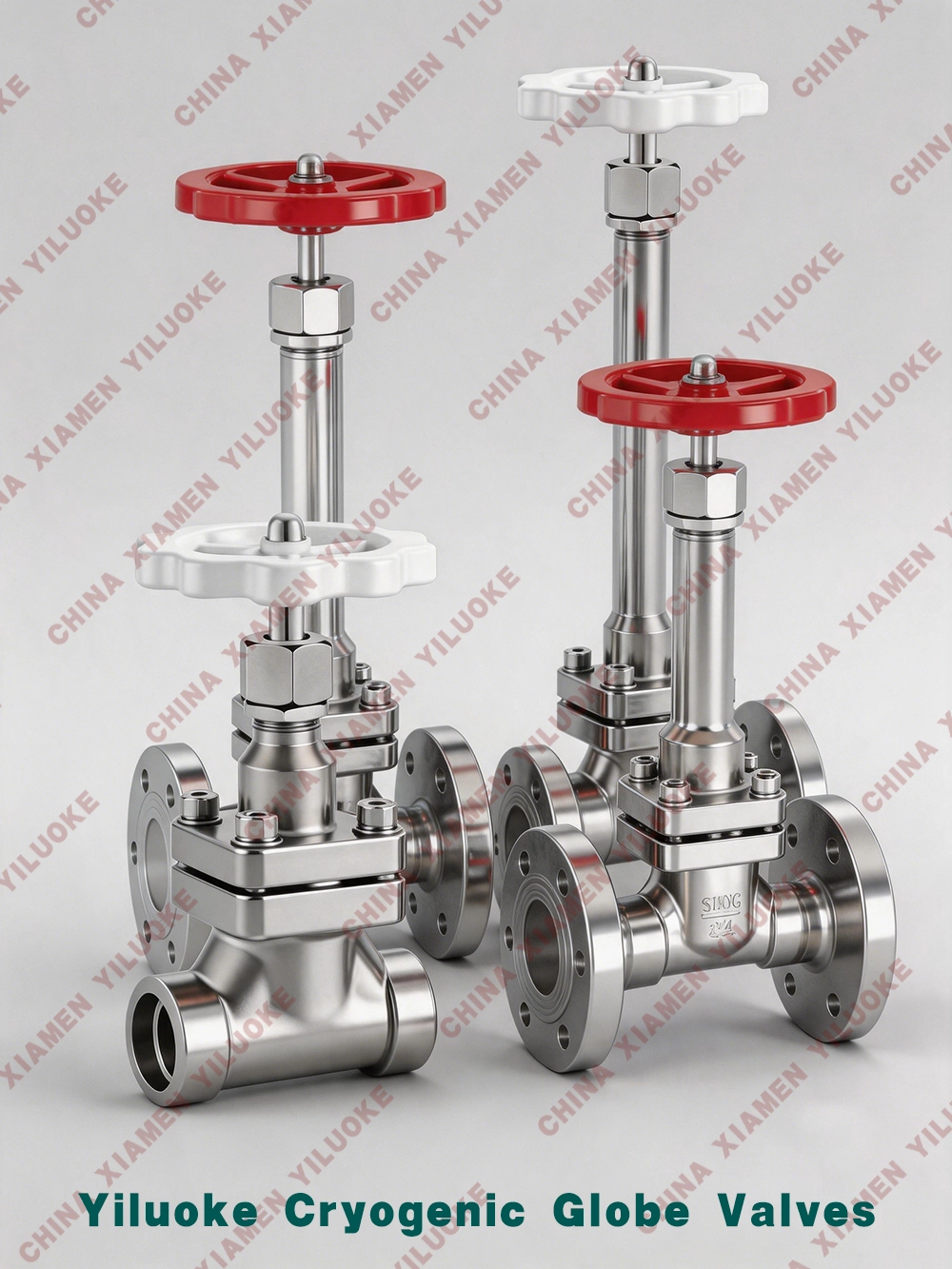
Structural Features
Our cryogenic globe valves adopt optimized industrial structures with multiple upgraded designs, ensuring stable, safe and durable operation under ultra‑low temperature working conditions. The detailed structural advantages are as follows:
Diversified Configuration & Expandable Functions: Globe valves have various connection and material combinations to adapt to diverse pipeline layouts and working condition demands. Valves can be equipped with additional functions, such as bellows seals for improving overall tightness requirements or built‑in check functions to meet special system operation standards.
Standard Deep Cold Treatment: All valve parts used at temperatures below -100℃ shall undergo professional deep cold treatment in strict accordance with relevant industry regulations. This process effectively prevents low‑temperature brittleness of materials and volume changes caused by material phase transformation at low temperatures, avoiding structural deformation and failure in extreme cold environments.
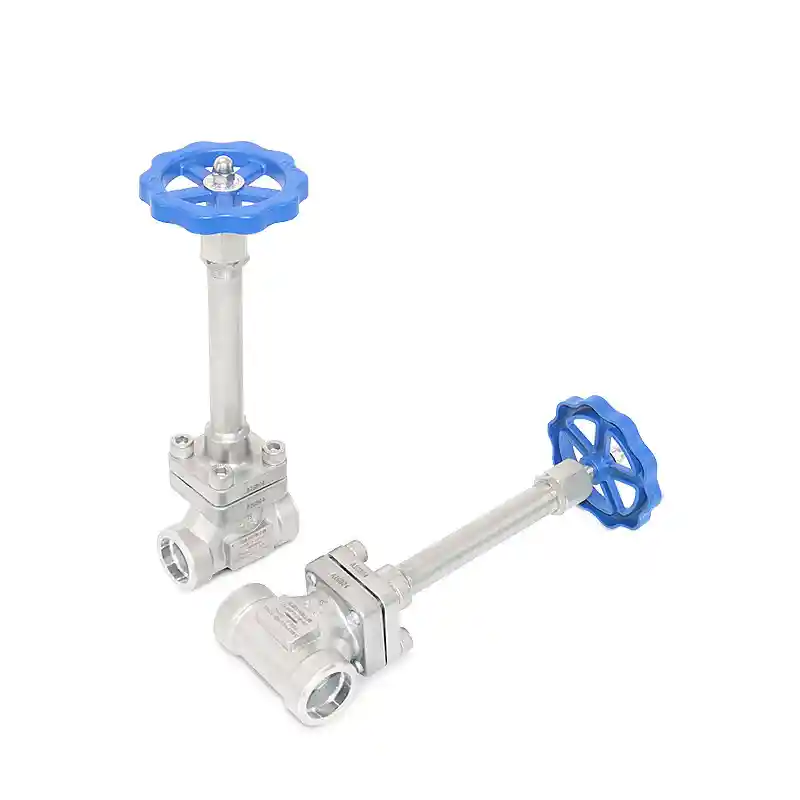
Optimized Long‑neck Thermal Insulation Structure: A professional long‑neck structure is adopted to keep the working temperature of the packing above 0℃, effectively preventing the packing from reducing sealing performance or even failing due to excessively low working temperature. At the same time, the long‑neck design reserves sufficient space for wrapping thermal insulation materials around the valve to prevent cold energy loss and improve system energy efficiency. When the operating temperature is lower than -100℃, the valve stem material is treated with chrome‑plated or nitriding process to improve the surface hardness of the valve stem and the matching reliability of the packing, extending the service life of sealing components.
High‑stability Sealing System: The customized sealing gaskets maintain reliable sealing performance and excellent resilience at room temperature, low temperature and during temperature alternating changes. The valve adopts double‑layer valve stem packing and counter‑pressure butterfly shrapnel device, realizing zero‑leakage sealing effect and stable long‑term operation under frequent opening and closing working cycles.
Product Technical Parameters
Our cryogenic globe valves comply with international mainstream design and manufacturing standards, with complete and standardized specifications, supporting flexible installation and operation modes to meet various global industrial project requirements.
| Parameter Item | Technical Specifications |
| Size Range | NPS1/2‑20 (DN15‑500) |
| Pressure Class | ASME CLASS 150‑1500 |
| Design Standards | API 602, BS 1873, GB/T 24925, JB/T 7749, MSS SP‑134, etc. |
| Body Material | Cryogenic alloy steel, austenitic stainless steel, etc. |
| Connection Methods | Flanged end, butt weld end, etc. |
| Operation Methods | Manual, electric, etc. |
Basic Product Parameters
| Product Name | Cryogenic Globe Valve |
| Product Model | DJL |
| Body Material | CF8 |
| Connection Method | Socket Weld |
| Working Pressure | 4.0MPa |
| Nominal Diameter | DN10~DN50 |
| Driving Mode | Manual |
| Applicable Medium | Gas and liquid such as LNG, LO2, LN2, LAr, CO2, etc. |
| Applicable Temperature | -196℃~+80℃ |
| Bonnet Material | CF8 |
| Disc Seal Material | PCTFE |
| Precautions | Oil‑free for oxygen service |
| Manufacturing Standards | National Standard GB, Machinery Industry Standard JB, Chemical Industry Standard HG, American Standard ANSI/API, Japanese Standard JIS, German Standard DIN, customized other standards |
Working Principle
The working principle of Cryogenic Globe Valve is similar to that of ordinary globe valve. It mainly adjusts fluid flow through relative movement between disc and seat. When the valve is closed, the disc closely contacts the seat to cut off fluid flow. When the valve opens, the disc moves away from the seat to allow fluid to pass through. What distinguishes Cryogenic Globe Valve is its special‑purpose materials and design, which cope with pressure and temperature variation of cryogenic media and prevent freezing, leakage and seal failure under low‑temperature conditions.
Main Components
Valve Body: Generally made of low‑temperature resistant materials such as stainless steel and low‑temperature alloy steel to avoid material embrittlement under cryogenic conditions.
Seat and Disc: Contact surfaces of seat and disc require smooth finish and precision machining to guarantee excellent sealing performance at low temperature.
Packing: Special packing materials adapted to cryogenic environment shall be adopted to ensure sealing performance and prevent leakage.
Valve Stem: Manufactured from materials with outstanding low‑temperature performance, featuring sufficient tensile strength and corrosion resistance.
Bonnet: Reinforced bonnet design to withstand pressure changes caused by low temperature.
Working Features
Cryogenic Adaptability: Material selection and structural design enable stable operation within -196°C ~ -40°C, suitable for cryogenic media such as liquid nitrogen, liquid oxygen and liquid helium.
Reliable Sealing: Optimized sealing design of seat and disc maintains stable sealing performance during long‑term service with cryogenic media and prevents leakage or seal failure.
Corrosion Resistance: Given that most cryogenic media are corrosive (e.g. liquid oxygen, liquid nitrogen), corrosion‑resistant materials are selected for Cryogenic Globe Valve to resist medium‑induced corrosion under low‑temperature conditions.
Anti‑freezing Design: Special anti‑freezing structures including properly selected packing and sealing components are applied to prevent valve freezing caused by excessive temperature difference.
Application Fields
Liquefied Gas and Natural Gas: Cryogenic Globe Valves are deployed in transmission systems for liquefied gas, liquid nitrogen, liquid oxygen and other cryogenic liquids to guarantee safe flow of cryogenic gas.
Chemical Industry: Cryogenic Globe Valves control fluid flow rate and medium circulation for certain low‑temperature chemical reaction processes.
Aerospace Industry: Cryogenic Globe Valves regulate flow of cryogenic liquids such as liquid oxygen and liquid hydrogen inside spacecraft to secure system safety and stability.
Energy Industry: Cryogenic Globe Valves are used for flow regulation and emergency shut‑off during liquefaction, storage and transportation of natural gas.
Leave Your Message
Products categories
-
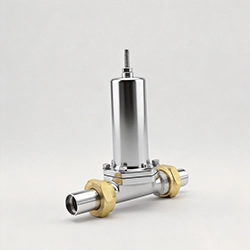
Cryogenic Pressure Regulator
-
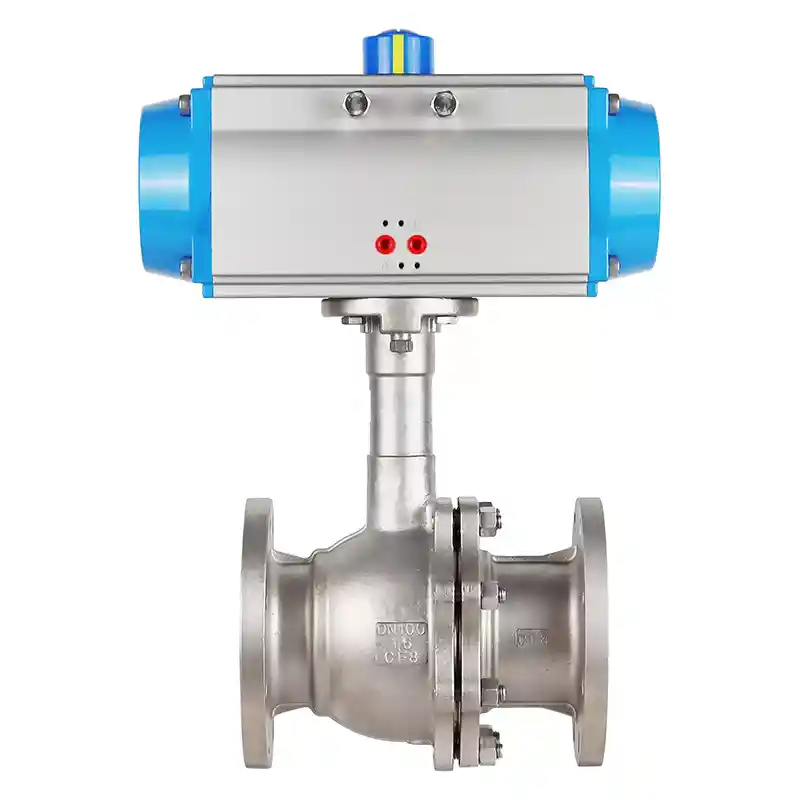
Cryogenic Pneumatic Ball Valves
-
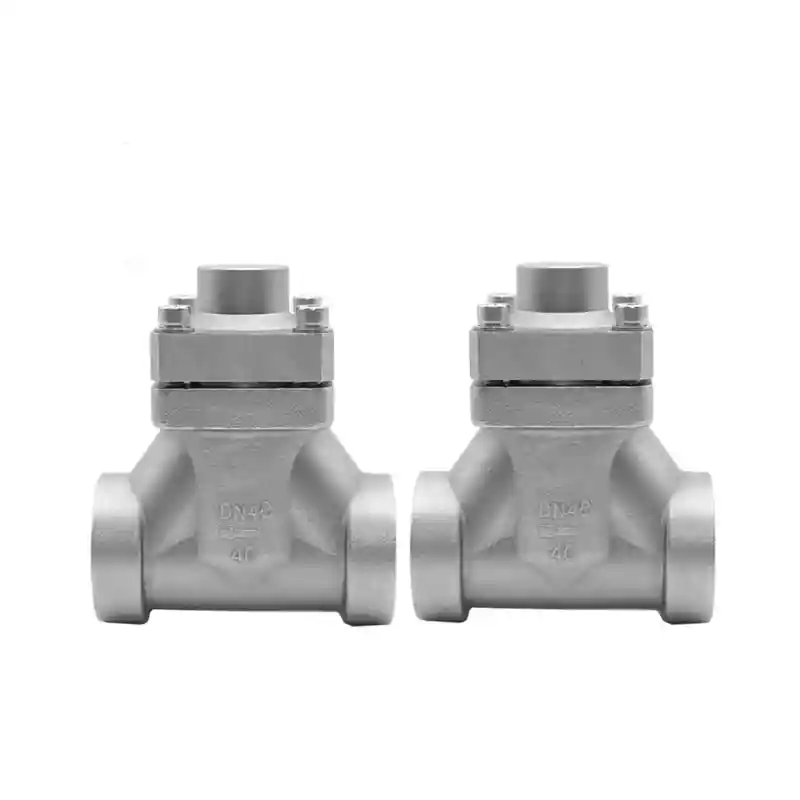
Cryogenic Check Valves
-
Cryogenic Electric Actuated Ball Valves
-
Cryogenic Ball Valves
-
Cryogenic Extended Shaft Globe Valves
-
Cryogenic Pneumatic Emergency Shut-off Valves
-
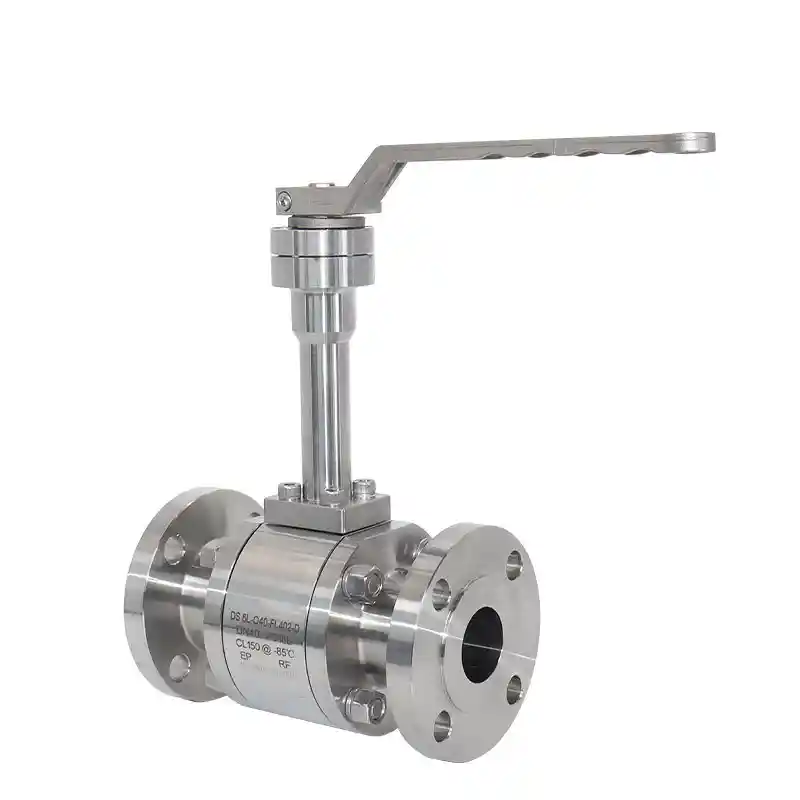
Cryogenic High-Pressure Ball Valve
-
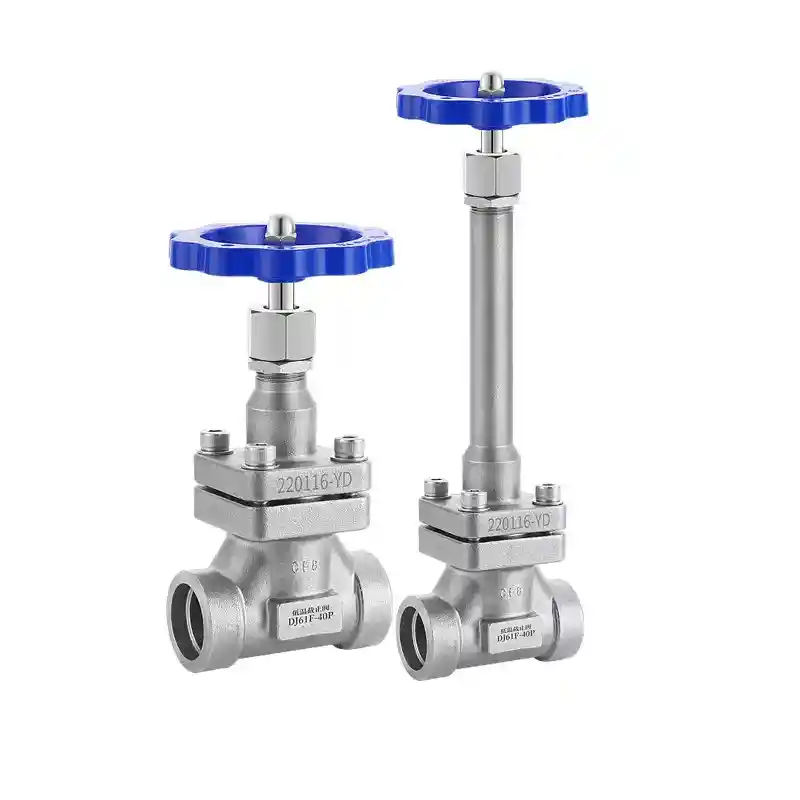
Cryogenic Globe Valves