


Cryogenic High-Pressure Ball Valve
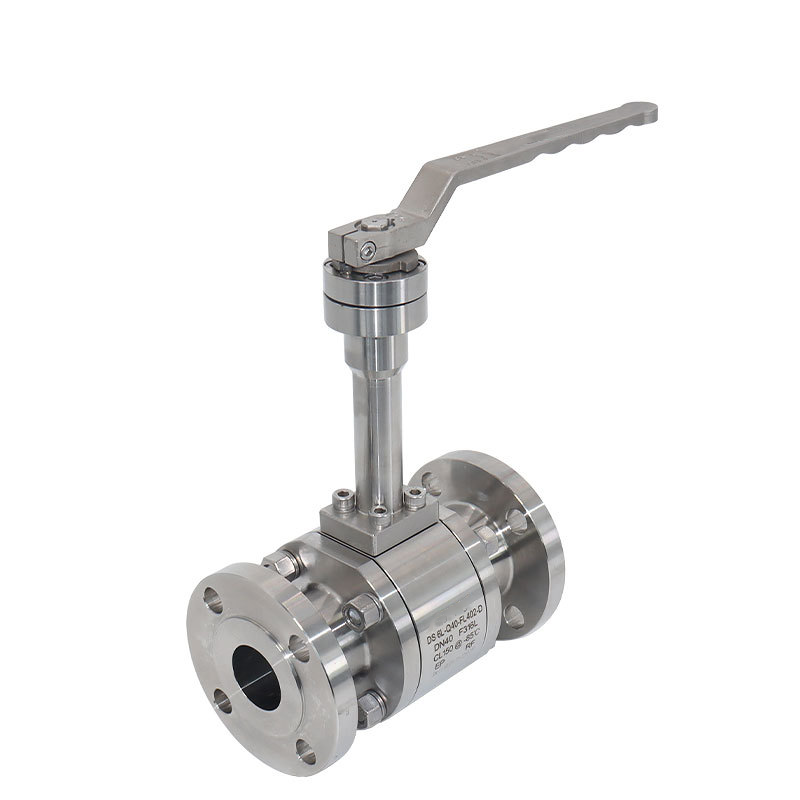
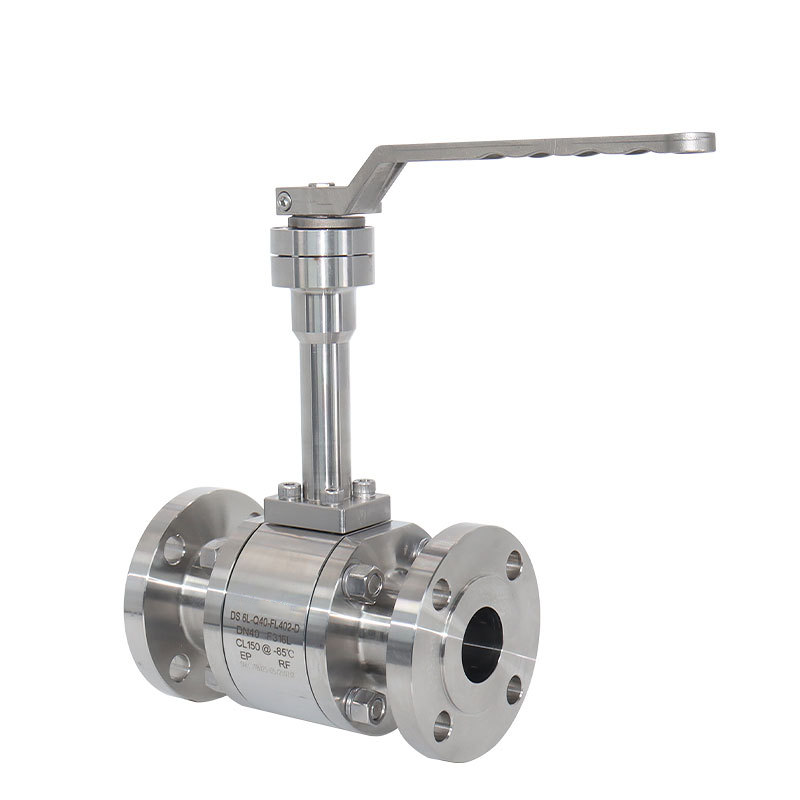
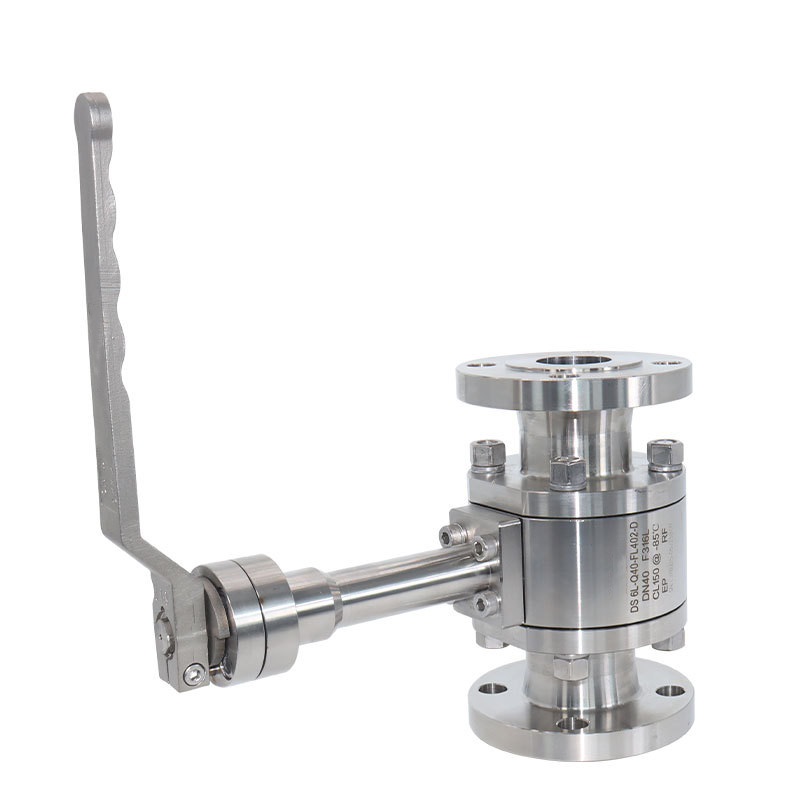
Cryogenic High-Pressure Ball Valve: Overview, Features, Principle & Parameters
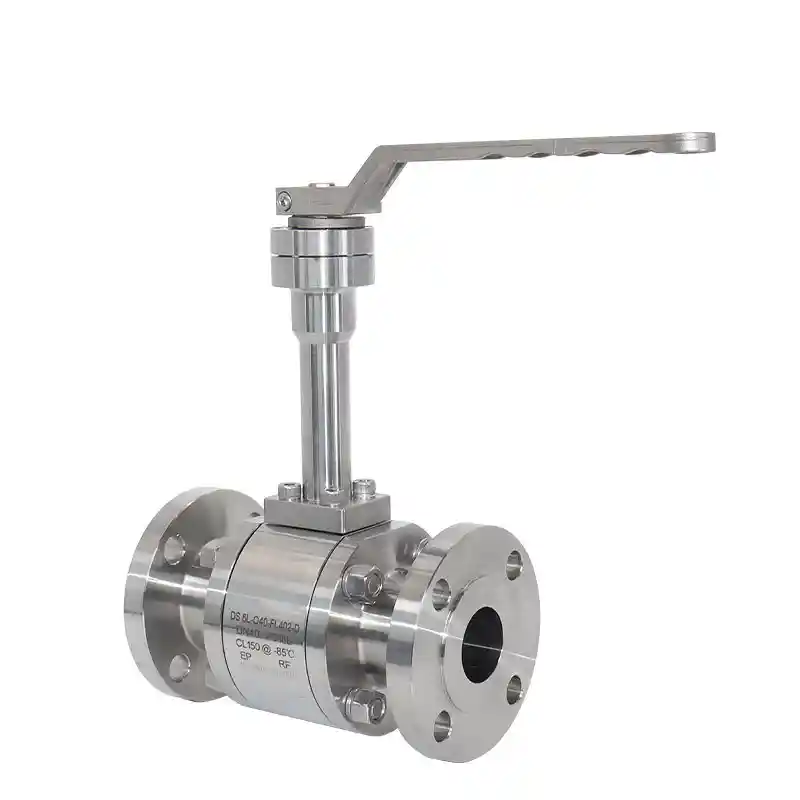
The main body of the Cryogenic High-Pressure Ball Valve is made of forged parts subjected to solid solution treatment. It has successfully solved problems such as cryogenic material shrinkage of large-diameter valves and poor high-pressure sealing of packing. Asbestos impregnated with PTFE is used as the packing, and flexible graphite is used as the sealing material. This material is impermeable to both gases and liquids, has 10%-15% elasticity in the thickness direction, and can achieve sealing with low clamping pressure. It also has self-lubricating properties; when used as valve packing, it can prevent wear between the packing and the valve stem. The operating temperature range of flexible graphite packing is +480~-210℃. It is suitable for cryogenic occasions involving methane, liquefied natural gas, ethylene, carbon dioxide, liquid ammonia, liquid oxygen, liquid nitrogen, liquid hydrogen, etc.
Structural Features
It usually adopts an extended bonnet design to reduce cold energy transfer during valve operation and prevent the valve's operating mechanism from freezing due to low temperature. The valve stem is generally subjected to special treatment, such as chrome plating or nitriding, to improve the surface hardness of the valve stem and enhance the stability of the packing seal. The materials of the valve body and bonnet are usually stainless steel or cryogenic steel that can withstand low temperatures, such as LCB, LF2, 304, 316, etc.
Working Principle
The working principle of the Cryogenic High-Pressure Ball Valve is to drive the valve stem to rotate through manual operation of the handle or handwheel, which in turn makes the ball rotate 90 degrees in the valve seat to realize the opening or closing of the valve. When the hole of the ball is aligned with the inlet and outlet of the valve, the medium can pass through; when the ball rotates 90 degrees and the hole is perpendicular to the pipeline axis, the valve closes to block the flow of the medium.
Sealing Performance
It adopts a special sealing structure and materials, such as polychlorotrifluoroethylene (PCTFE), metal seal pairs, etc., which can still achieve good sealing effect under the dual action of low temperature and high pressure, preventing medium leakage. The sealing performance of some products can meet high standards, such as ANSI Class VI standard.
Application Fields
It is mainly used in industrial fields that need to handle low-temperature and high-pressure media, such as chemical industry, petroleum, natural gas, liquefied natural gas (LNG), liquefied petroleum gas (LPG), air separation equipment, etc. It can be used in pipelines for low-temperature media such as liquid oxygen, liquid nitrogen, liquid argon, ethylene, liquid hydrogen, etc., as a regulating and throttling device.
Technical Parameters
Working Pressure: 1.0MPa, 16MPa, 32MPa, 70MPa
Applicable Temperature: -34℃-120℃; -196℃-550℃
Applicable Media: Non-corrosive or corrosive media such as oil, water, gas, etc.
Manufacturing Materials: 1Cr18Ni9Ti, 304, 316, 316L, duplex steel, titanium, etc.
Ball Valve Diameter: DN3-DN200
Connection Methods: Ferrule connection, welding or butt welding, socket welding, flange, internal thread, etc. (non-standard customization available)
Leave Your Message
Products categories
-
Cryogenic Pressure Regulator
-
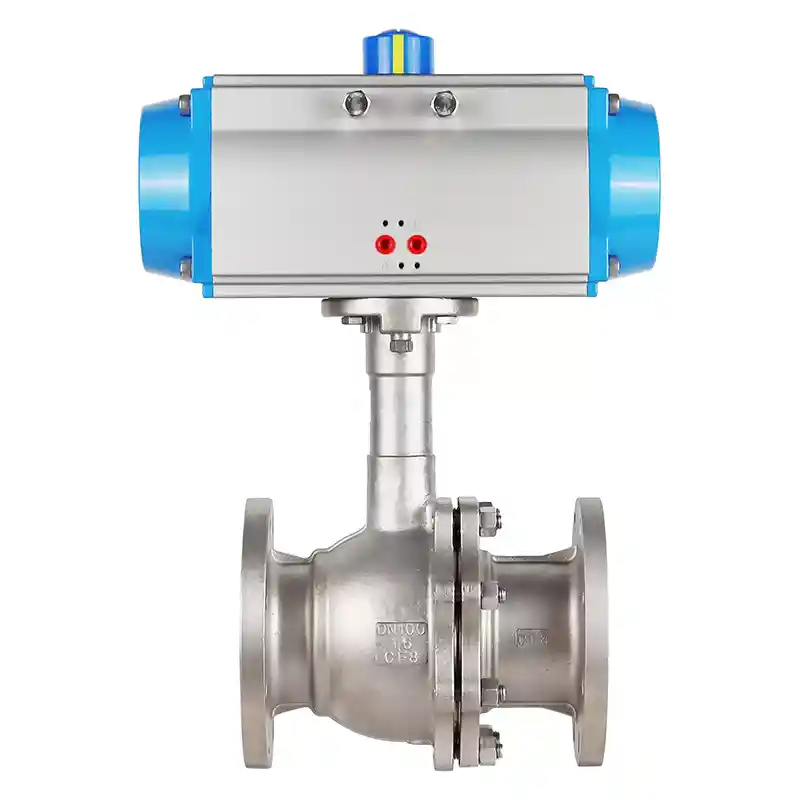
Cryogenic Pneumatic Ball Valves
-
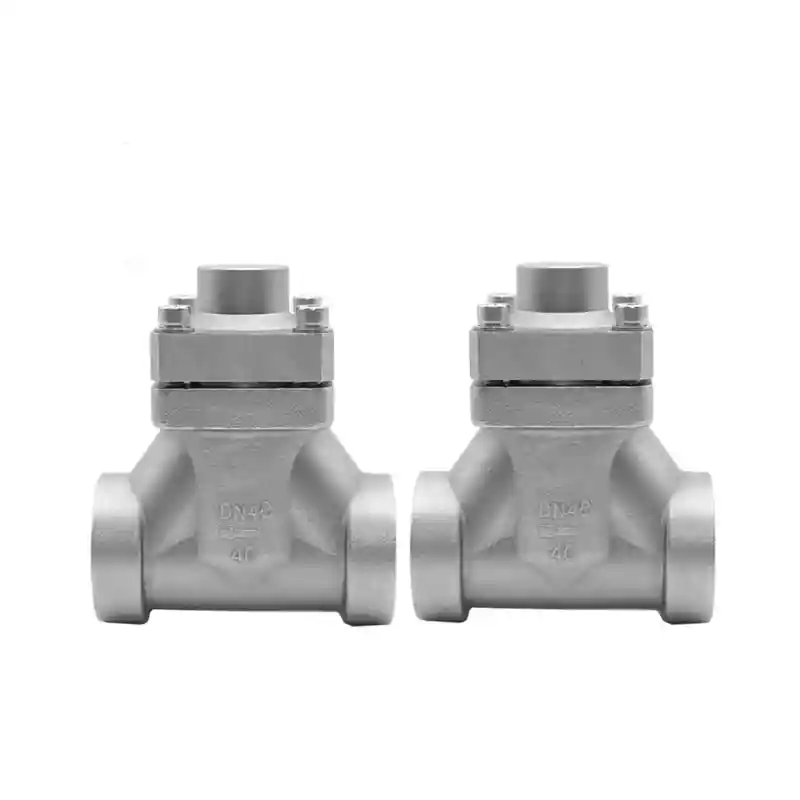
Cryogenic Check Valves
-
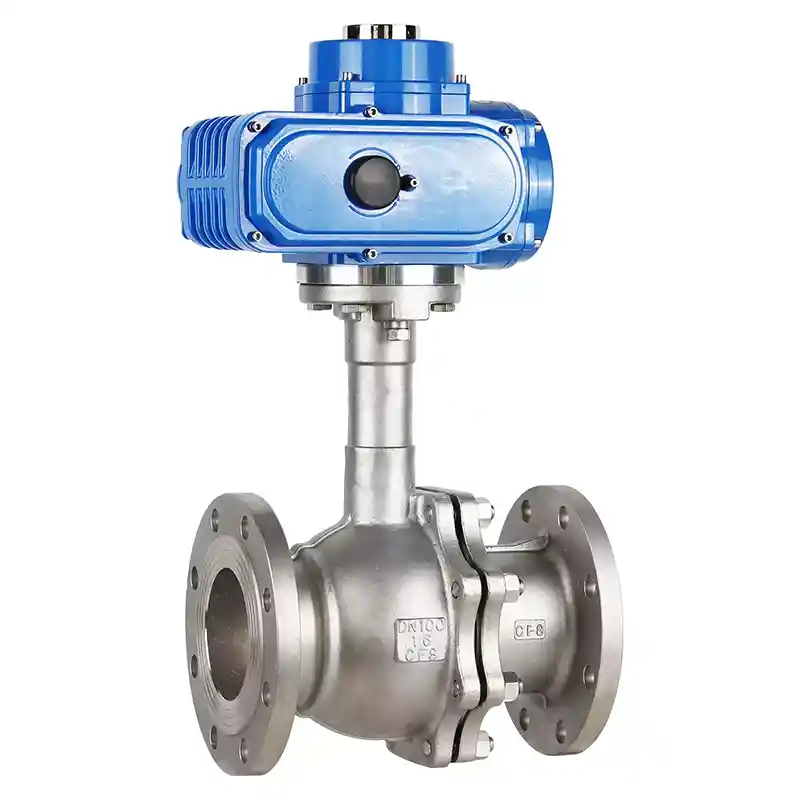
Cryogenic Electric Actuated Ball Valves
-
Cryogenic Ball Valves
-
Cryogenic Extended Shaft Globe Valves
-
Cryogenic Pneumatic Emergency Shut-off Valves
-
Cryogenic High-Pressure Ball Valve
-
Cryogenic Globe Valves