


Gas Back-Pressure Regulators
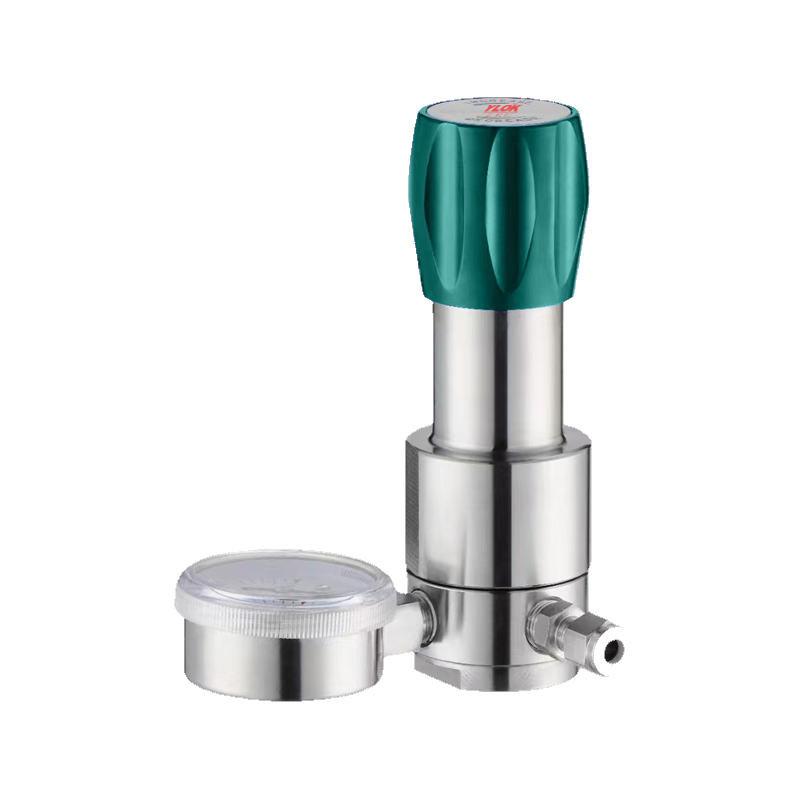
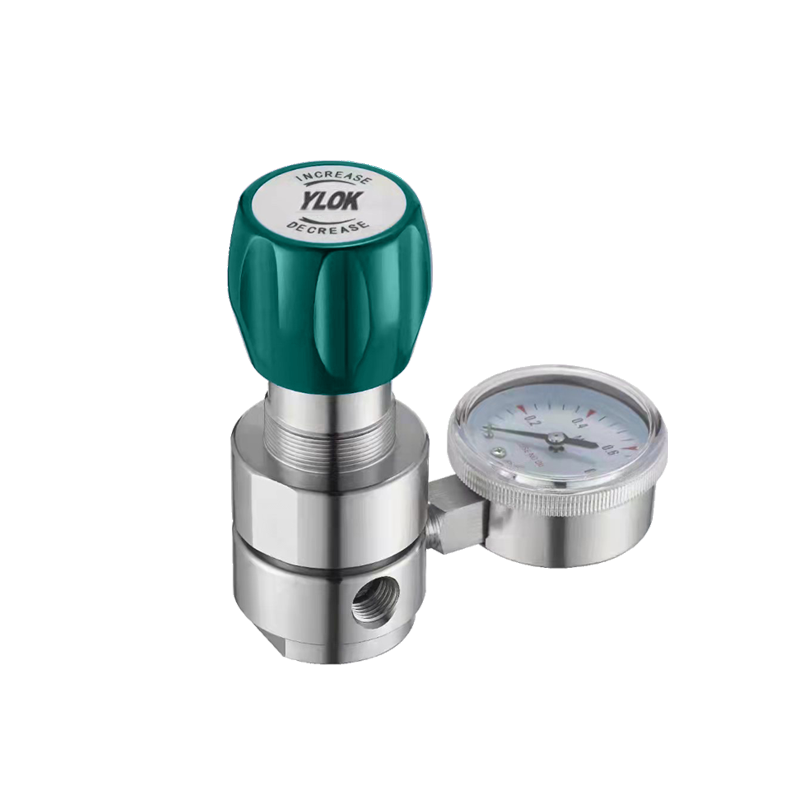
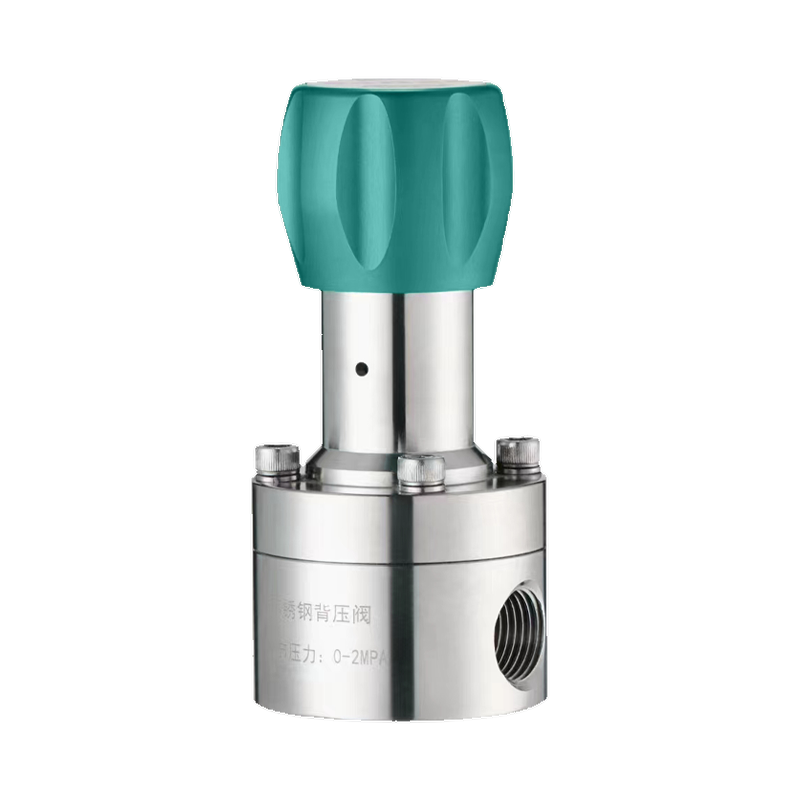
Gas Back-Pressure Regulators: Definition, Features, Materials & Specifications
Definition of Gas Back-Pressure Regulator
Gas back-pressure regulators are used for pressure regulation in medium and high-pressure systems under small to medium flow conditions, with a maximum control pressure of up to 10000 psig / 690 bar. The piston assembly provides highly sensitive pressure relief when the system is overpressurized, and the back-pressure regulator is suitable for gas or liquid service.
Structural Features of Gas Back-Pressure Regulator
Safe and precise piston-type structure
Body thread: 1/4"NPT(F)
Five different control pressure ranges available
Low-torque pressure setting provided
Sensitive element design ensures precise pressure control
Panel or wall mounting options available
Materials for Key Components of Gas Back-Pressure Regulator
Body: SS316L
Bonnet: SS304
Gasket: PCTFE
O-Ring: Viton
Specifications of Gas Back-Pressure Regulator
Specification Category | Details |
|---|---|
Maximum Control Pressure | 6000 psig |
Control Pressure | 5~500 psig, 10~1500 psig, 15~3000 psig, 25~4000 psig, 50~6000 psig |
Proof Pressure | 1.5 times the maximum control pressure |
Operating Temperature | -10ºF~+165ºF (-23ºC~+74ºC) |
Leak Rate | Bubble test |
CV | 0.1 |
Weight | 2 kg |
Leave Your Message
Products categories
-
High Pressure Regulator
-
Ammonia Gas Pressure Regulator
-
Micro-Pressure Back-Pressure Regulators
-
Stainless Steel Back-Pressure Regulators
-
Low-Pressure Back-Pressure Regulators
-
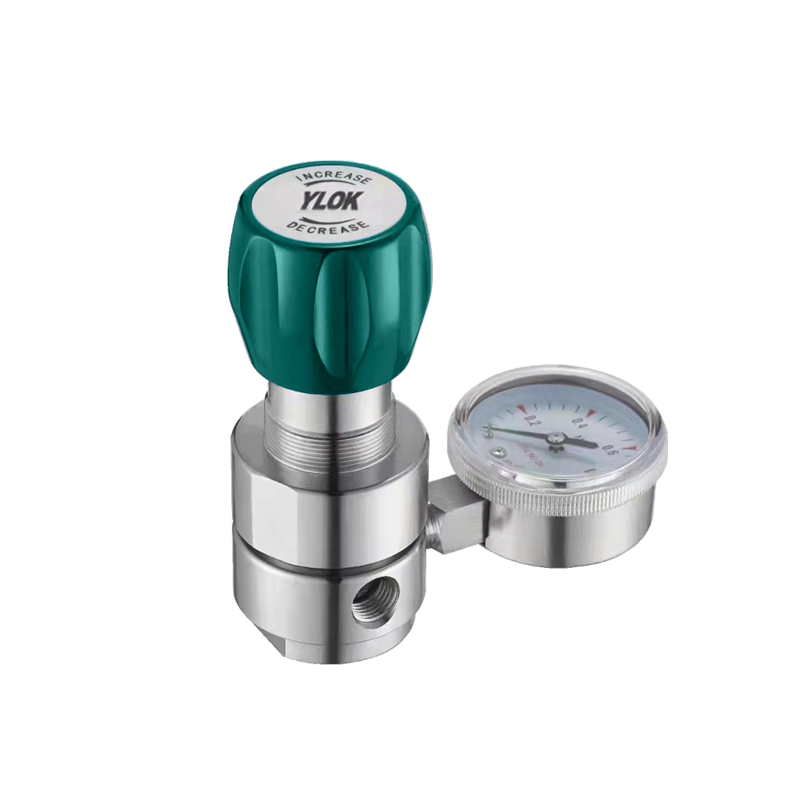
Hydrogen Back-Pressure Regulators
-
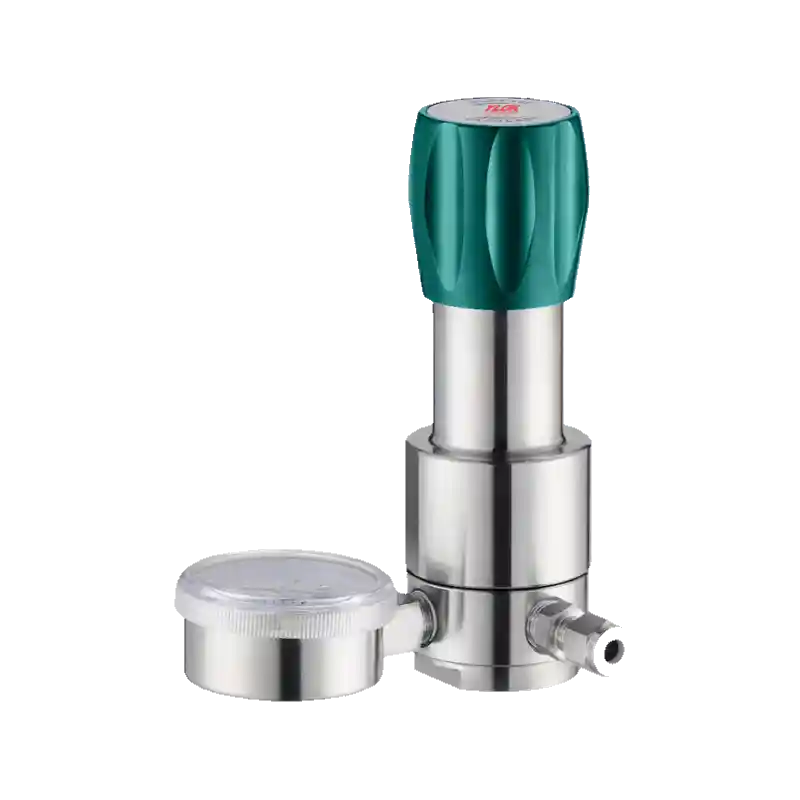
Gas Back-Pressure Regulators
-
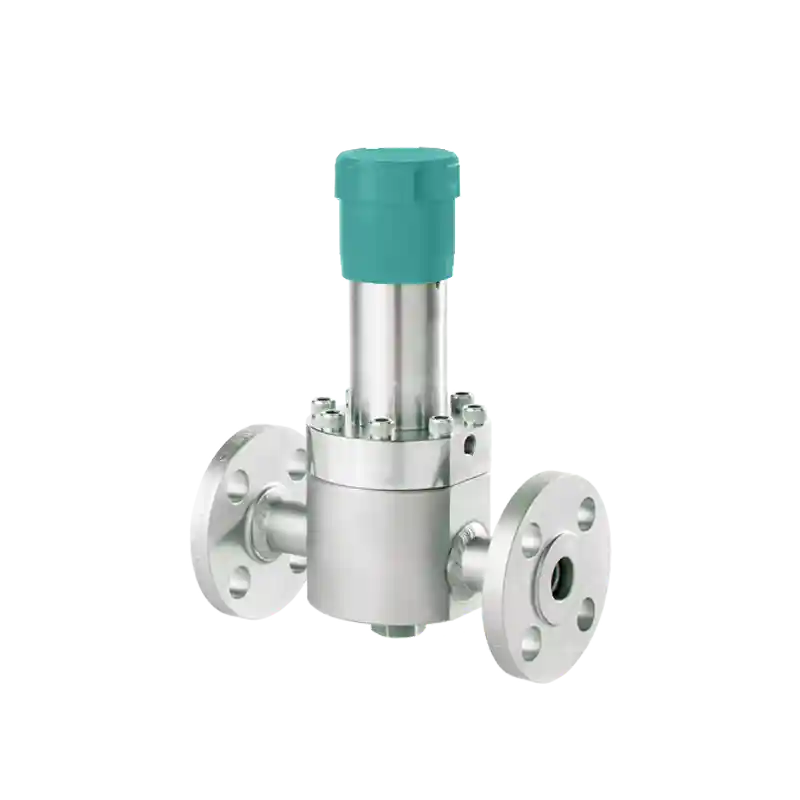
Liquid backpressure regulators
-
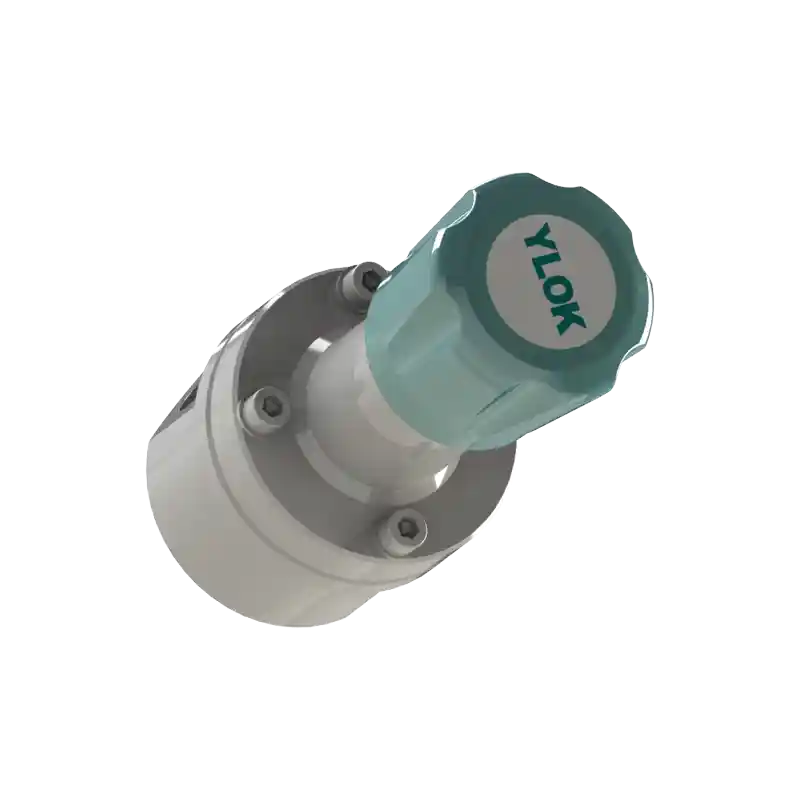
High-Flow Backpressure Valves