


High-Flow Backpressure Valves
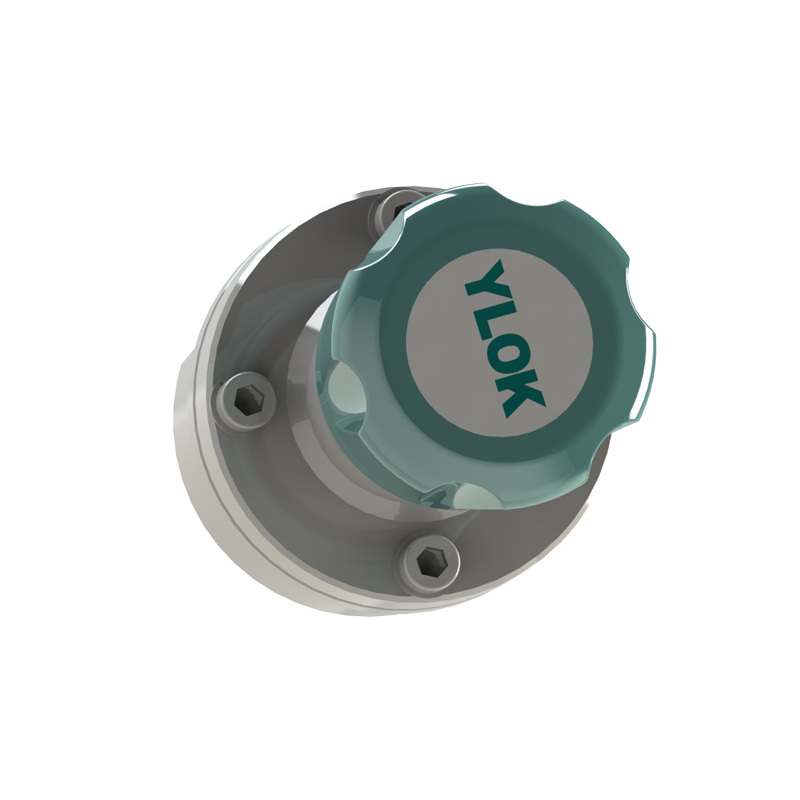
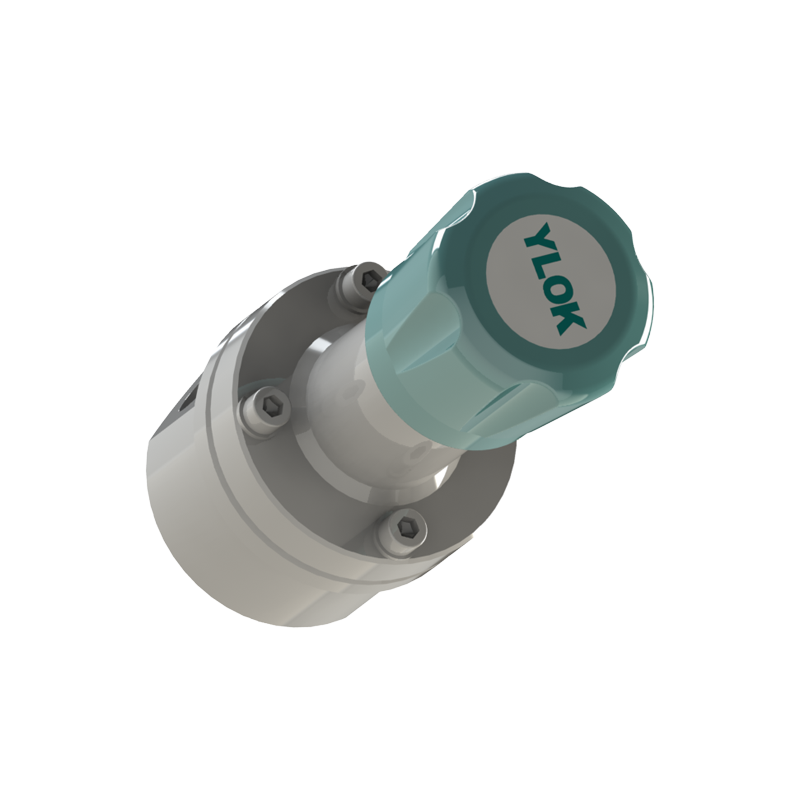
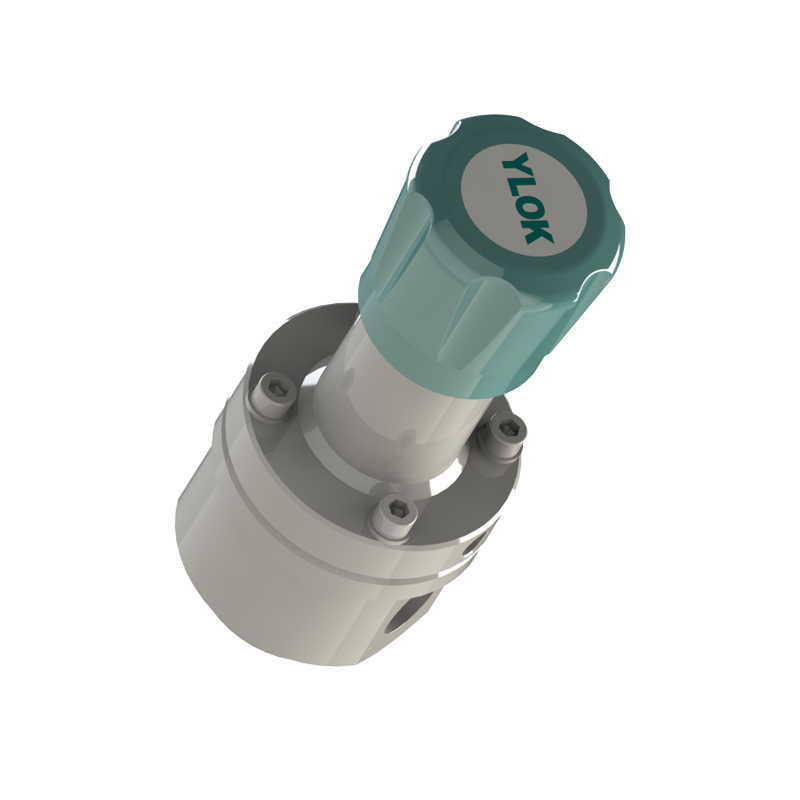
High-Flow Backpressure Valves: Definition, Parameters & Design Features
Definition of High-Flow Backpressure Valve
High-flow backpressure valves are specifically designed for industrial-grade fluid control systems. Adopting a piston-type pressure transmission structure, they can stably maintain the upstream pressure within the range of 0~1500 Psig, and are suitable for pipelines conveying corrosive media, high-purity liquids, and gases. The valve body is electropolished to achieve a surface roughness of Ra ≤ 0.4μm.
Technical Parameters of High-Flow Backpressure Valve
Parameter Category | Specifications |
|---|---|
Structural Design | Piston sensing design; Large-diameter piston for enhanced pressure sensitivity; Piston-type compact structure |
Applicable Media | Gases and liquids |
Valve Body Material | 316L stainless steel |
Mounting Option | Panel mounting available |
Maximum Operating Temperature | 260°C |
Pressure Range | 0~3000 psig |
Flow Coefficient (Cv) | 1.0 |
Weight (Backpressure Valve Only) | ≈1.55 kg |
Design Features of High-Flow Backpressure Valve
1. Precise Pressure Control
Adopts diaphragm pressure transmission technology, featuring fast response and high control accuracy.
Equipped with external pressure feedback and an extra-large diaphragm design, supporting pressure adjustment to zero differential pressure.
2. Corrosion Resistance and Sealing Performance
The valve body is electropolished (surface finish: 25 Ra). Diaphragm options include PTFE or nylon-lined viton, ensuring excellent chemical corrosion resistance.
The balanced valve seat combined with a sealing rib structure eliminates leakage.
3. Easy Maintenance
Supports inline CIP (Clean-in-Place) cleaning.
Diaphragms or O-rings can be replaced without disassembling the valve.
Leave Your Message
Products categories
-
High Pressure Regulator
-
Ammonia Gas Pressure Regulator
-
Micro-Pressure Back-Pressure Regulators
-
Stainless Steel Back-Pressure Regulators
-
Low-Pressure Back-Pressure Regulators
-
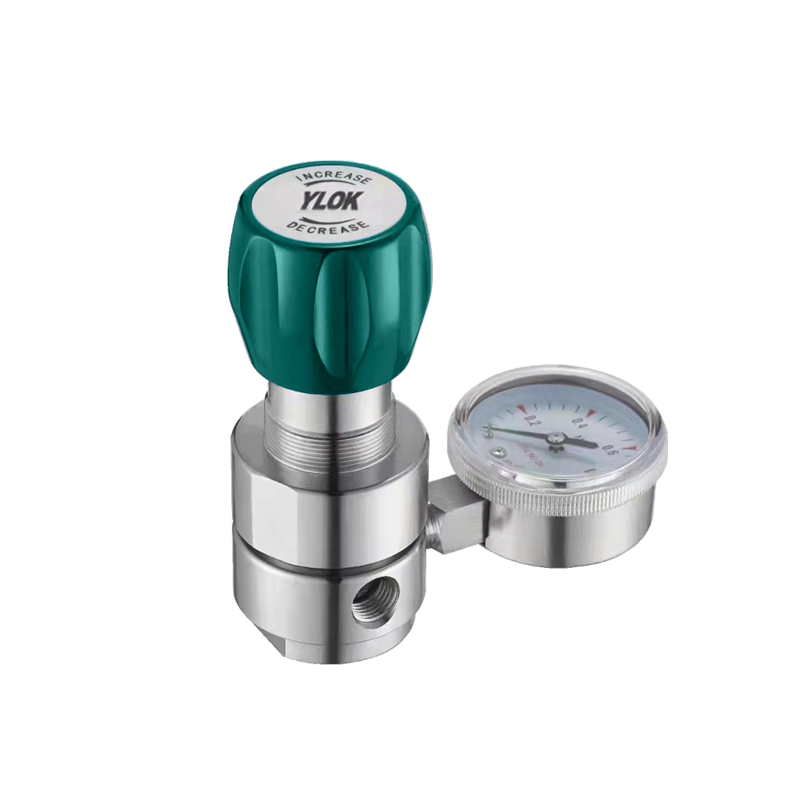
Hydrogen Back-Pressure Regulators
-
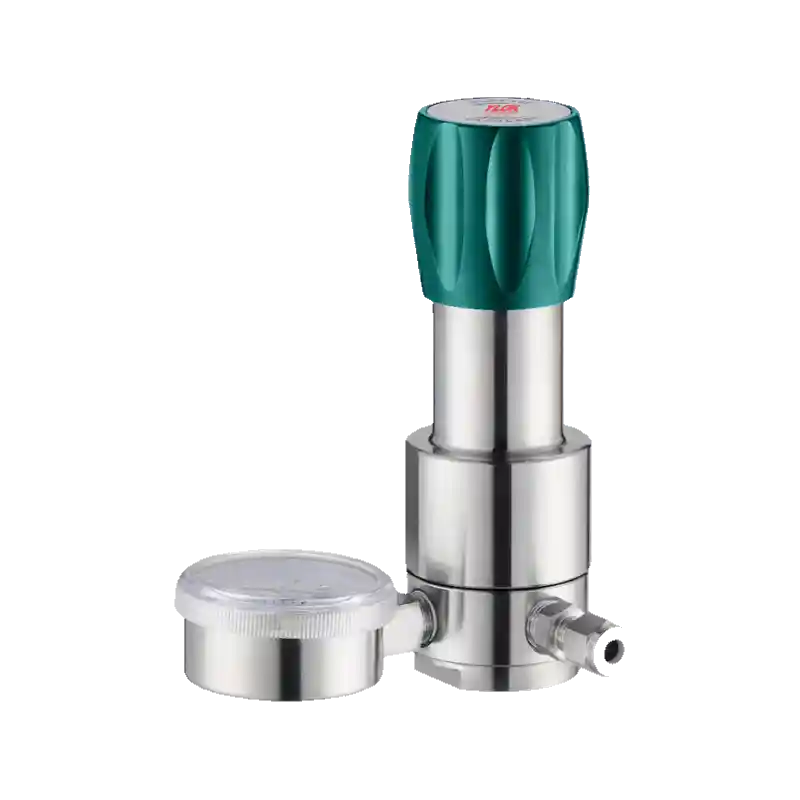
Gas Back-Pressure Regulators
-
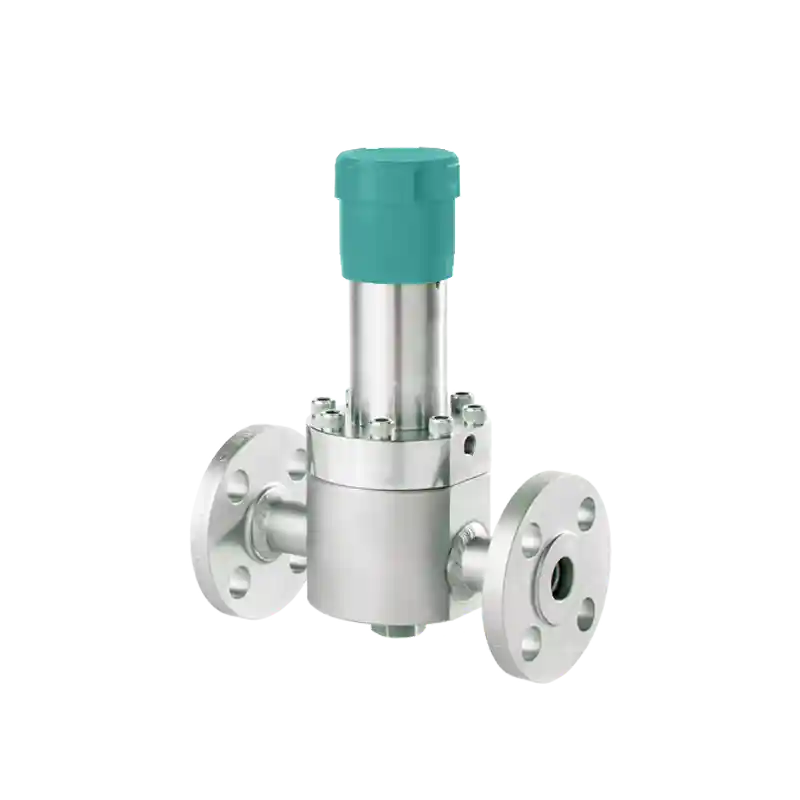
Liquid backpressure regulators
-
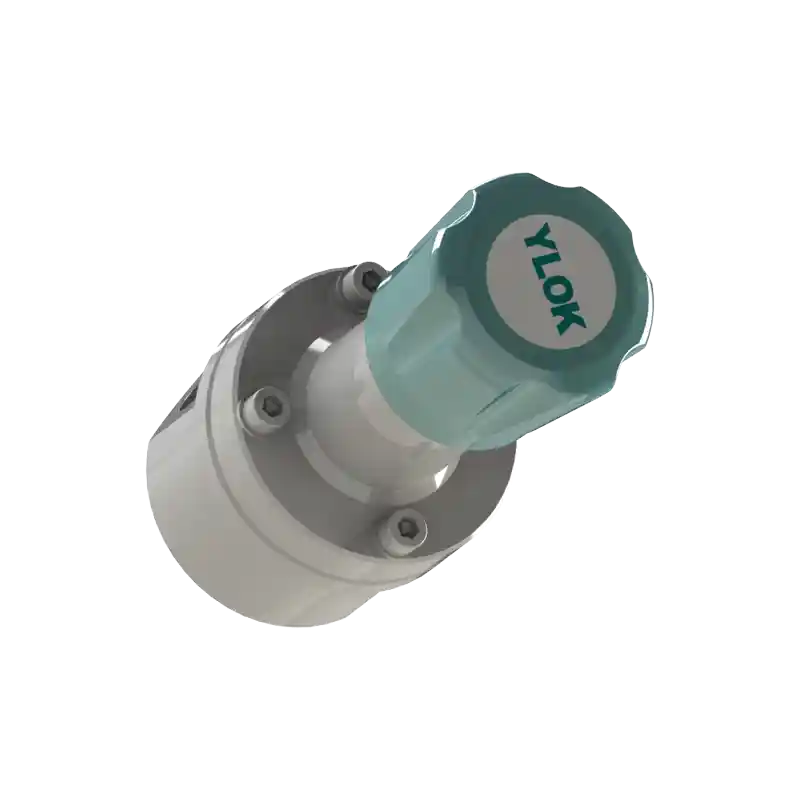
High-Flow Backpressure Valves