


High-Pressure High-Flow Pressure Regulators
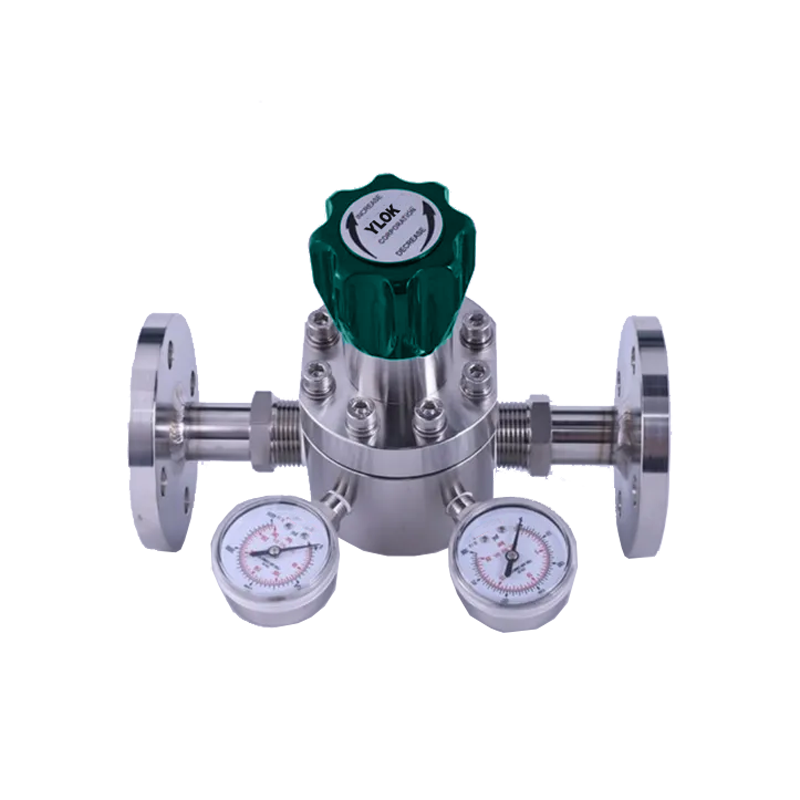
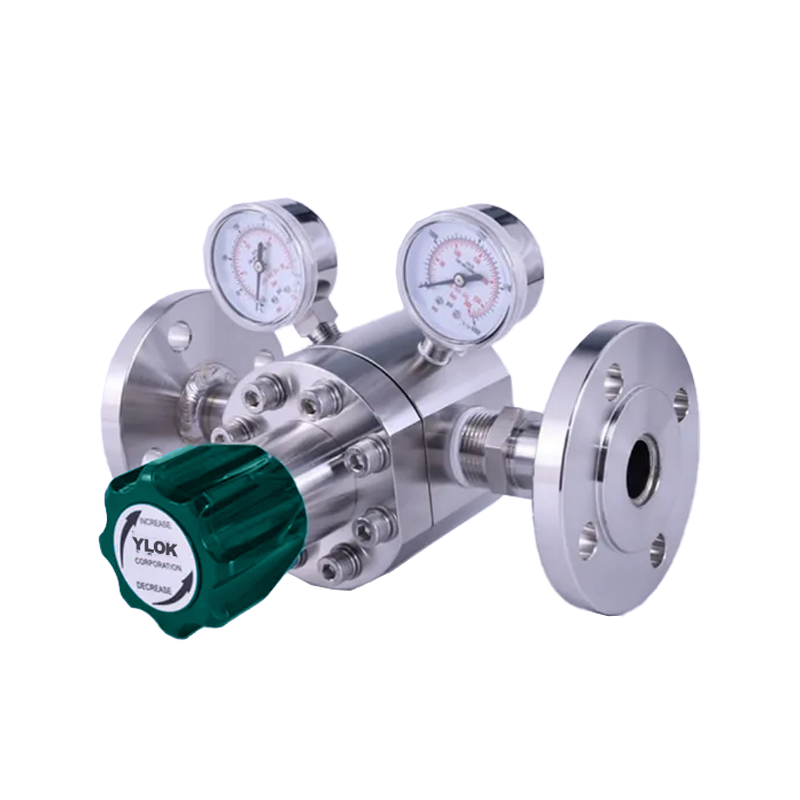
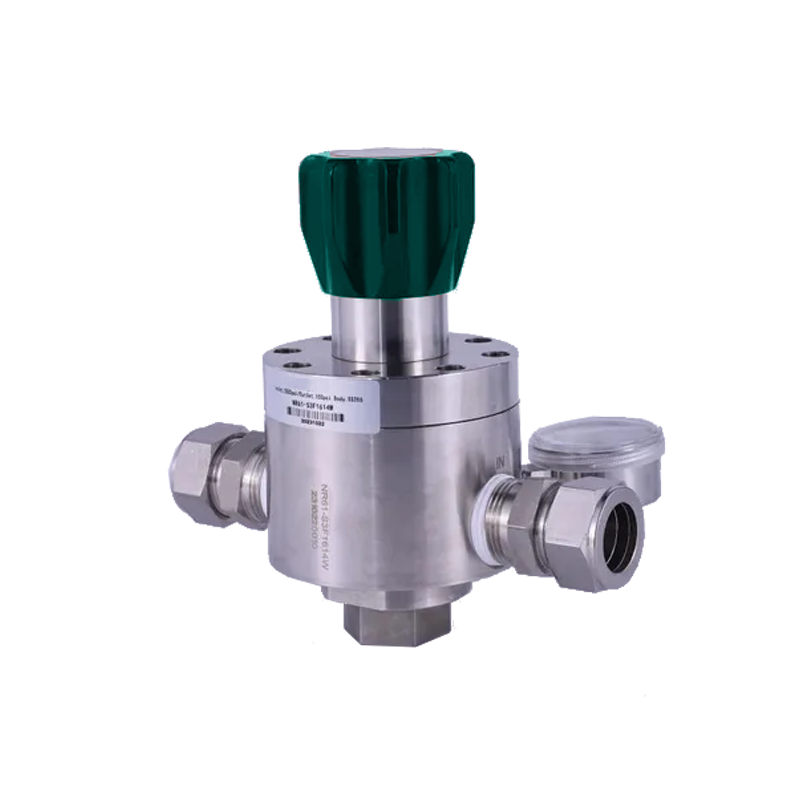
High-Pressure High-Flow Pressure Regulators: Definition, Features, Scope & Structural Characteristics
1. Definition
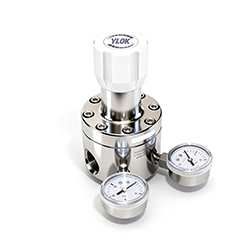
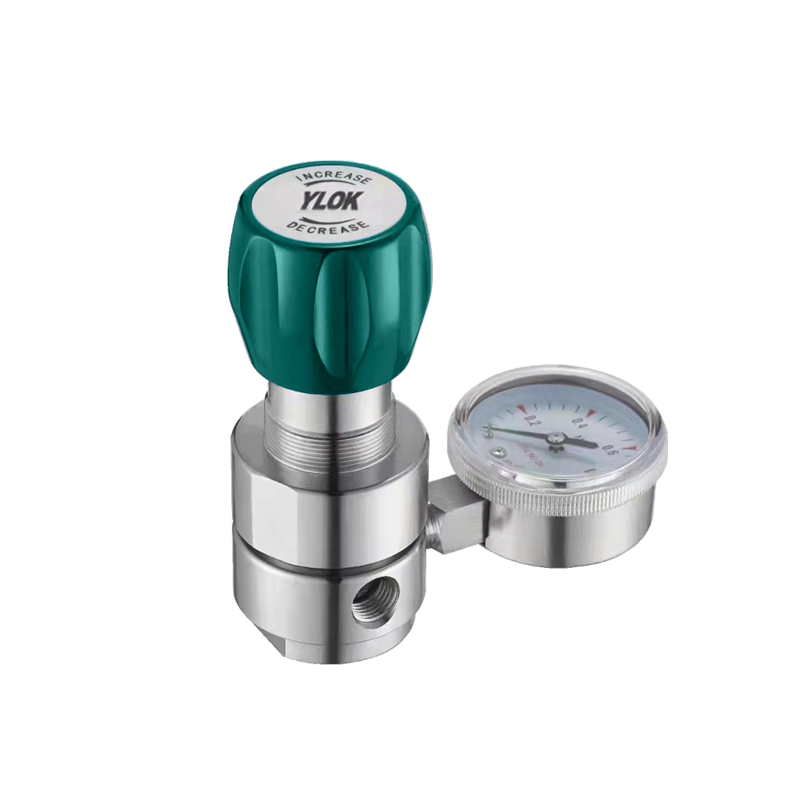
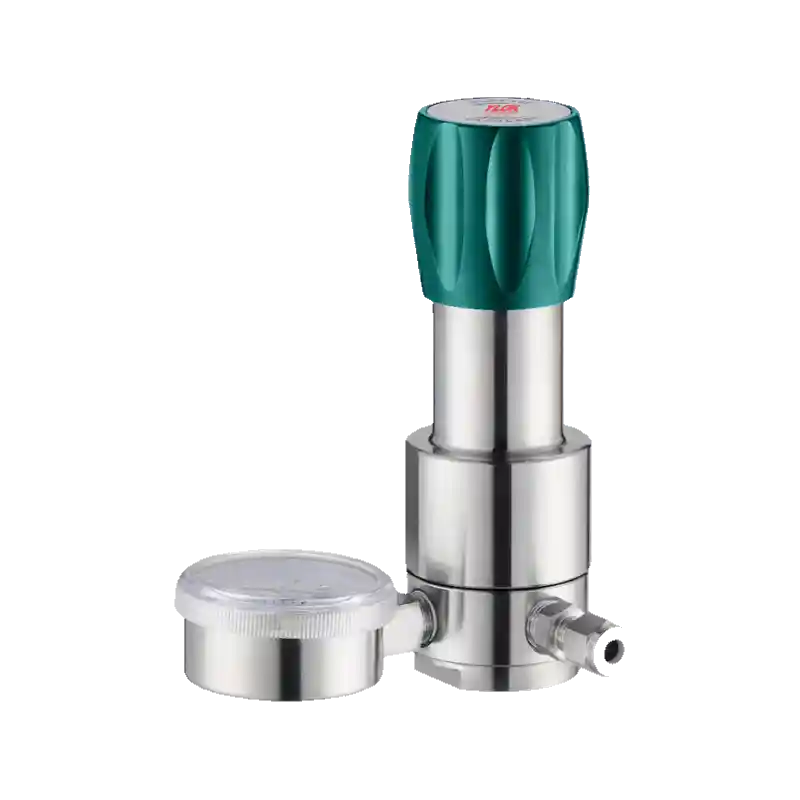
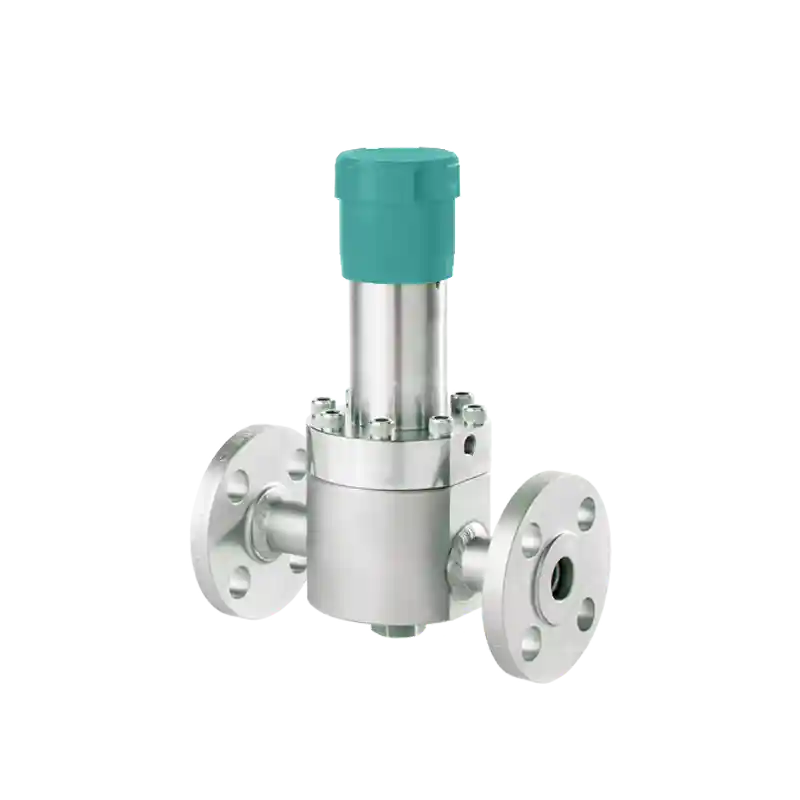
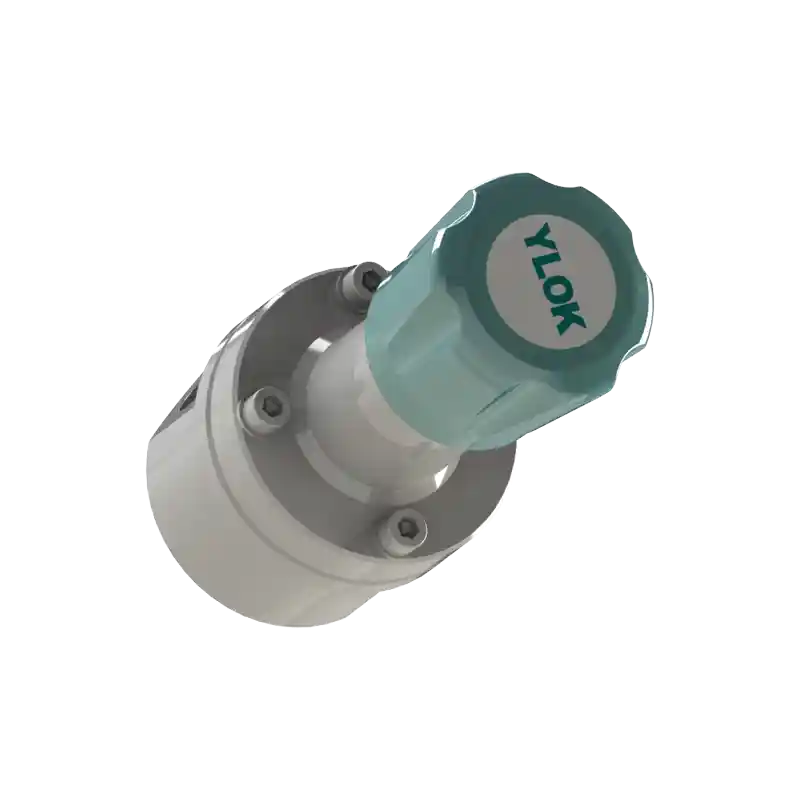
The High-Pressure High-Flow Pressure Regulator, also known as High-Pressure High-Flow Pressure Regulating Valve or High-Pressure High-Flow Pressure Reducer, is used for pressure regulation of gas pipeline equipment requiring large flow rates. It adopts a large-area metal diaphragm structure, featuring stable outlet pressure and high sensitivity, and is mainly applied in large-flow gas systems.
2. Product Features
High inlet pressure and large outlet flow.
Piston design with high safety and reliability.
Balanced valve core design.
3. Application Scope
It is widely used in gas purging systems, laboratories, specialty gases, petrochemical industry, gas manifold power plant equipment, and coal mines.
4. Structural Features
Single-stage pressure reducing structure.
Hard seal between diaphragm and valve body.
Valve body interface thread: 1/2”NPT(F) - 2”NPT(F).
Pressure gauge interface: 1/4”NPT(F).
Safety pressure: 1.5 times the maximum inlet pressure.
Operating temperature: -40℃ to 74℃ (-40°F to 165°F).
Leak rate: 2x10 atm.cc/sec He.
CV value: 1.1 to 6.
Available for panel-mounted or wall-mounted installation.
Leave Your Message
Products categories
-
High Pressure Regulator
-
Ammonia Gas Pressure Regulator
-
Micro-Pressure Back-Pressure Regulators
-
Stainless Steel Back-Pressure Regulators
-
Low-Pressure Back-Pressure Regulators
-
Hydrogen Back-Pressure Regulators
-
Gas Back-Pressure Regulators
-
Liquid backpressure regulators
-
High-Flow Backpressure Valves