


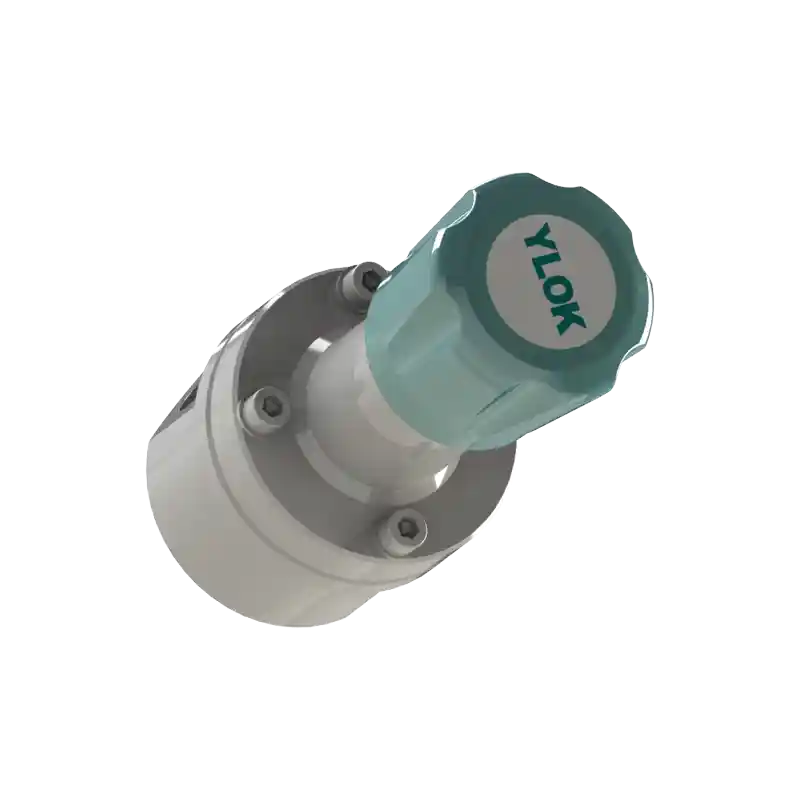
High Pressure Regulator
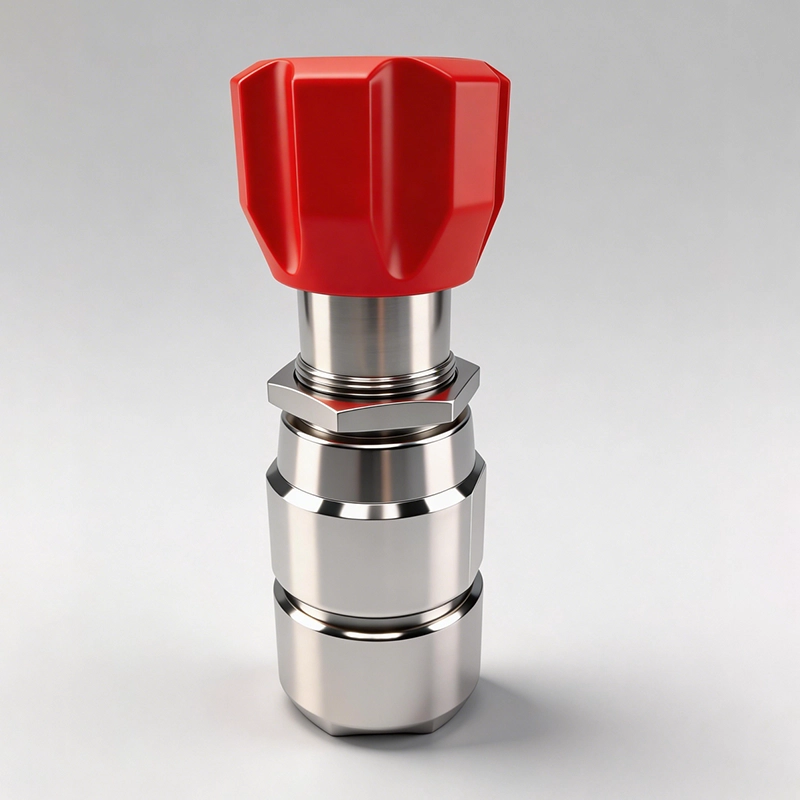
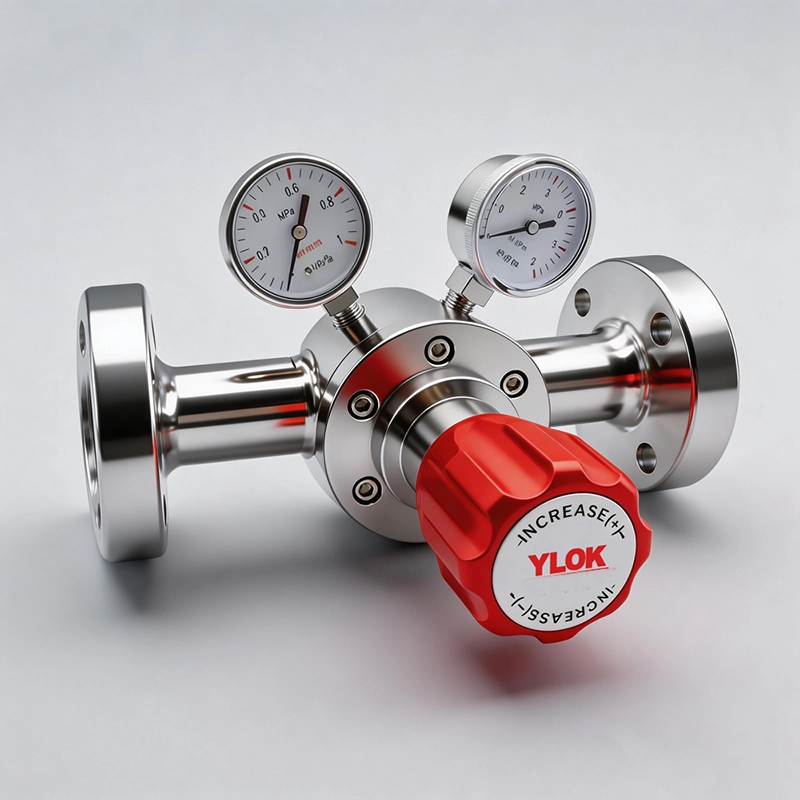
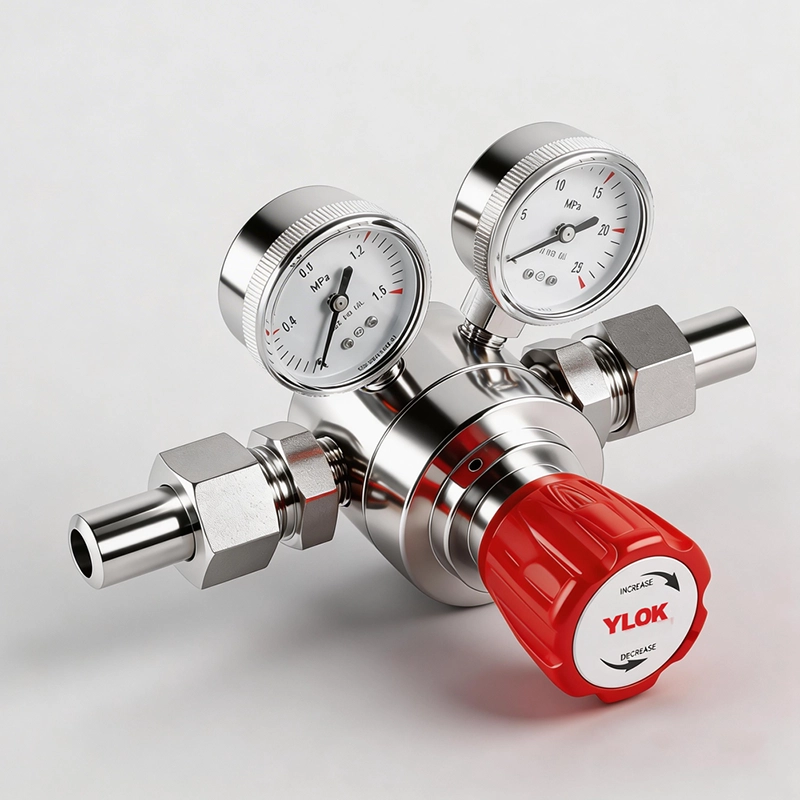
The high pressure regulator adopts a piston‑type pressure reducing structure with stable pressure output. It is mainly applied for high output pressure requirements, with output pressure up to 6000psig. It is suitable for pure gas, standard gas, corrosive gas, liquid and other media.
Functions and Features
1. The regulator is used for fluid pressure reduction delivery and keeps stable pressure on the low‑pressure side.
2. Piston‑type structure delivers stable output pressure, suitable for high inlet pressure requirements.
3. Maximum Inlet Pressure: 6000 psi (41.3 MPa).
4. Range Specifications: 0‑250 psi (0‑1.72 MPa), 0‑500 psi (0‑3.44 MPa), 0‑1000 psi (0‑6.89 bar), 0‑1500 psi (0‑10.34 bar), 0‑3000 psi (0‑20.68 bar).
5. Safety Test Pressure: 1.1 times of maximum inlet pressure.
6. Operating Temperature: -23℃‑74℃.
7. Body Thread: NPT1/4 female thread.
8. Panel mounting or bottom wall mounting available.
9. Applicable for gas and liquid, widely used in laboratories, analytical testing instruments, process control, petrochemical industry and other fields.
Media‑wetted Parts
| Part Name | Material |
| Valve Body | 316L/C276 |
| Inlet Filter Screen | 316L/C276 |
| Fitting | 316L/C276 |
| Piston | 316L/C276 |
| Valve Stem | 316L/C276 |
| Spring | 316L/C276 |
| Port Nut | 316L/C276 |
| Port Seal Ring | PCTFE |
| O‑ring | FKM, EPDM, FFKM, etc. |
Technical Parameters
| Pressure Reducing Structure | Piston‑type |
| Body Thread | 1/4"NPT (F)‑1”NPT(F) |
| Built‑in Filter Screen | Yes |
| Mounting Type | Panel mounting or wall mounting |
| Maximum Inlet Pressure | 6000psi, 10000psig |
| Output Pressure | 0~250, 0~500, 0~1500, 0~3000, 0~6000psig |
| Safety Test Pressure | 1.5 times of maximum inlet pressure |
| Applicable Temperature | ‑40°F to + 446°F, ‑40℃ to + 230℃ (consult technical support for temperature above 230℃) |
| Leakage Rate | Foam test |
| Body | 316L |
| Top Cover | 316L |
| Seat | PCTFE, PTFE, Vespel |
| Valve Core Stem | 316L |
| Filter Screen | 316L (10μm) |
Operating Instructions
1. Read the regulator manual carefully before installation and operation.
2. Never connect the regulator to a supply source exceeding its rated pressure.
3. Confirm the fluid flow direction before installing regulators, valves and accessories.
Leave Your Message
Products categories
-
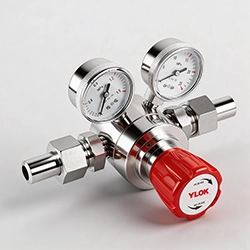
High Pressure Regulator
-
Ammonia Gas Pressure Regulator
-
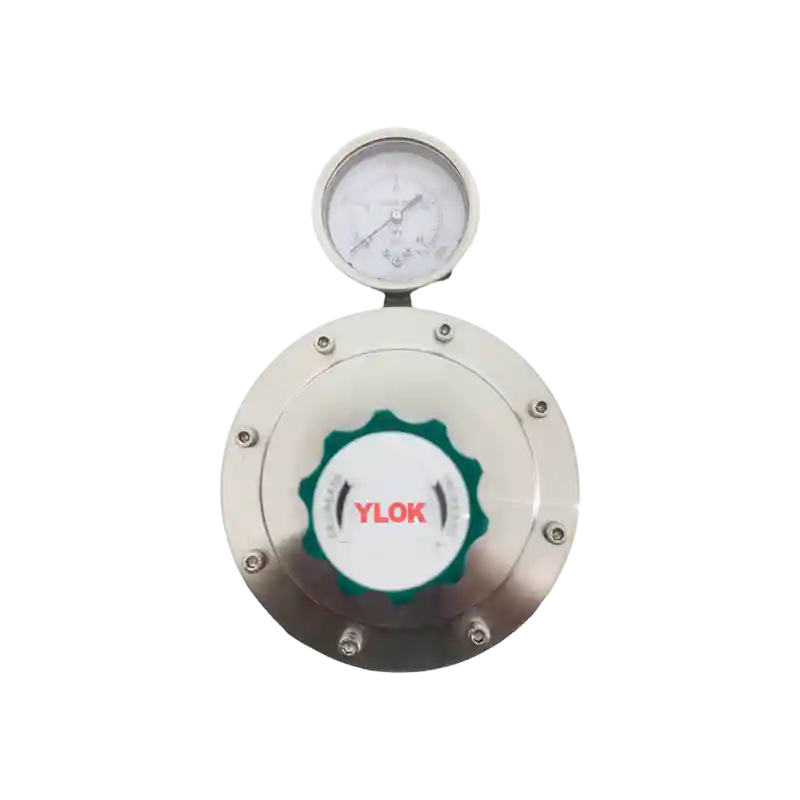
Micro-Pressure Back-Pressure Regulators
-
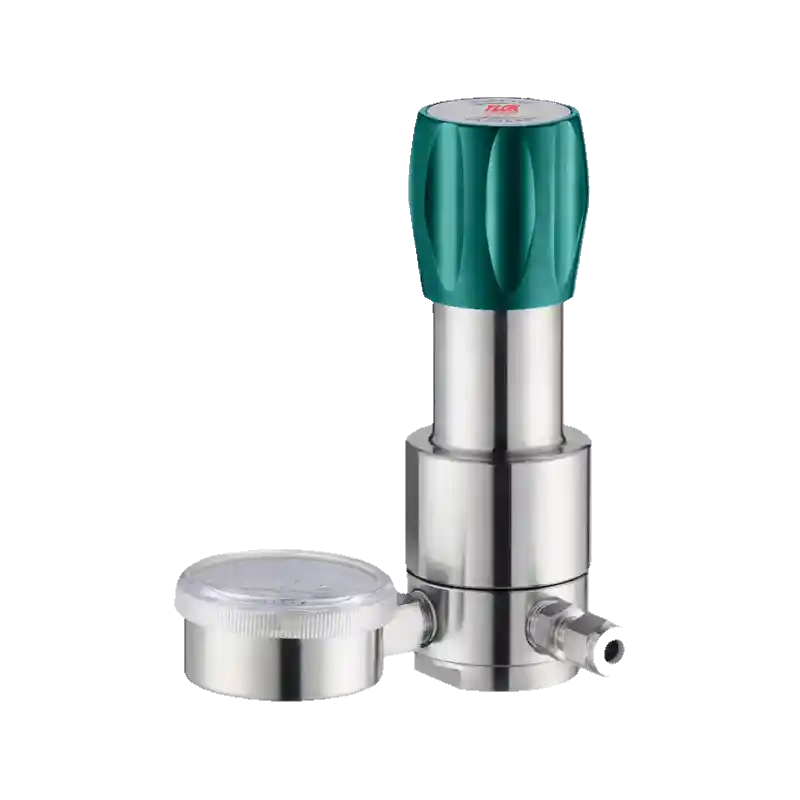
Stainless Steel Back-Pressure Regulators
-
Low-Pressure Back-Pressure Regulators
-
Hydrogen Back-Pressure Regulators
-
Gas Back-Pressure Regulators
-
Liquid backpressure regulators
-
High-Flow Backpressure Valves