


Low-Pressure Pressure Regulators
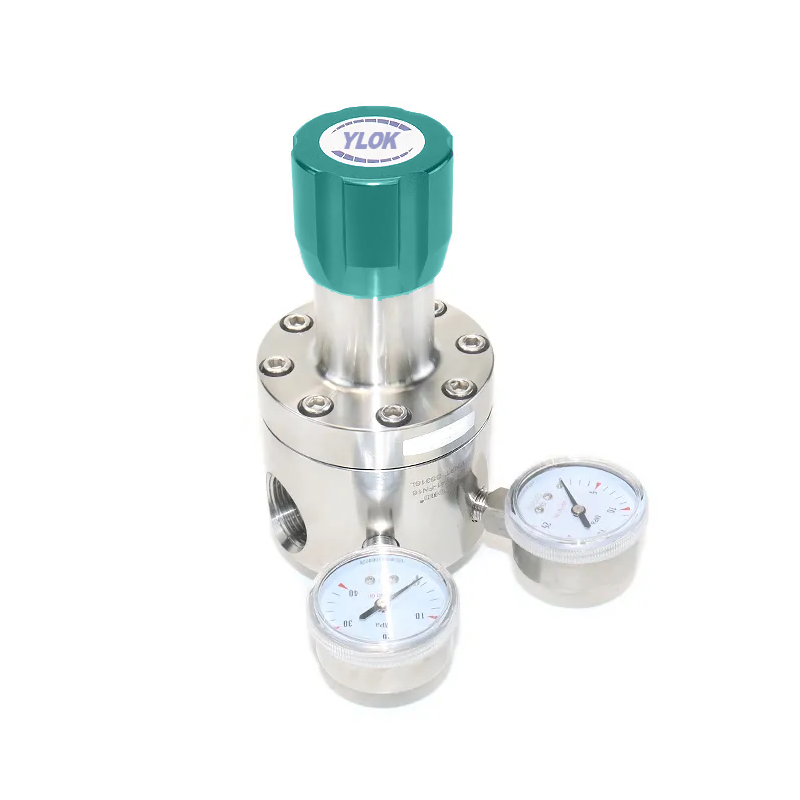
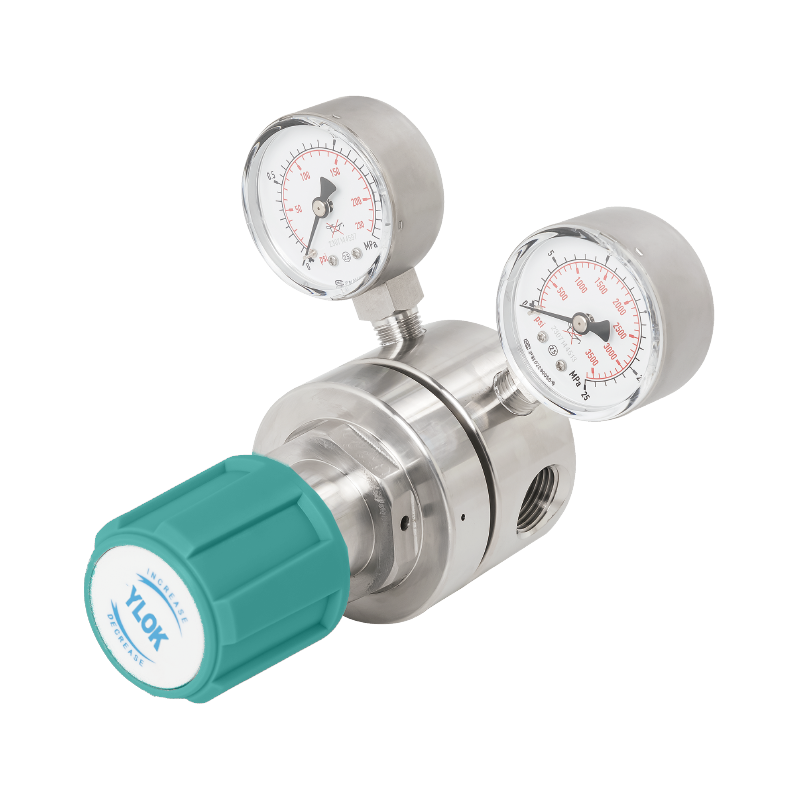
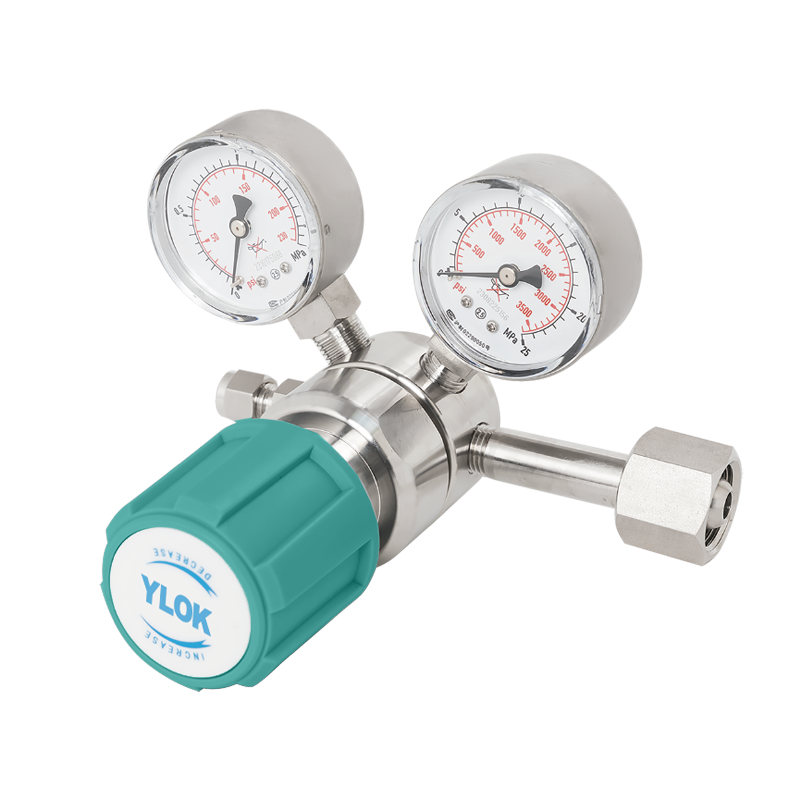
Low-Pressure Pressure Regulators: Definition, Features, Application Fields & Technical Parameters
1. Definition
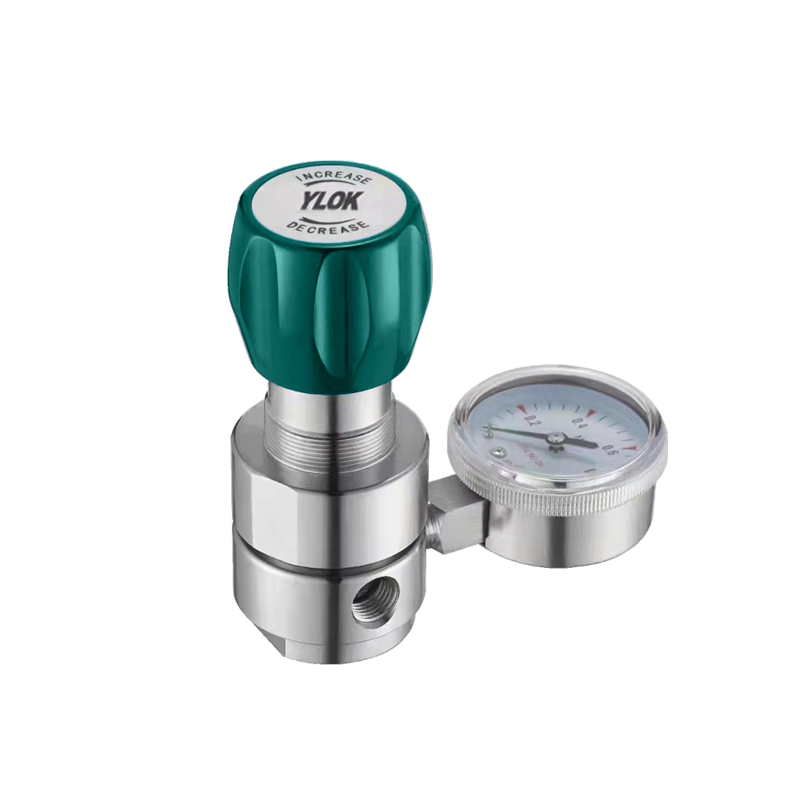
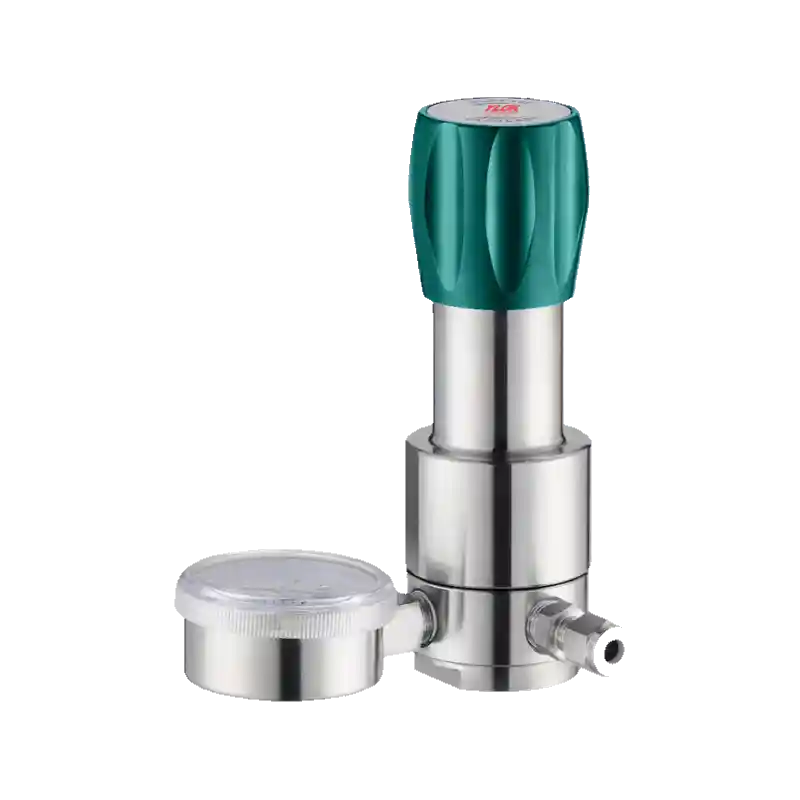
Low-Pressure Pressure Regulator, also known as low-pressure pressure regulating valve or low-pressure pressure reducer, refers to a pressure regulator that reduces the inlet pressure to a lower outlet pressure. It adopts a diaphragm-type pressure reducing structure and features stable outlet pressure.
2. Product Features
Large diaphragm cover structure.
High pressure regulation accuracy.
Easy operation.
Low maintenance cost, long maintenance cycle, easy assembly and disassembly, convenient inspection of valve seat sealing ring, and fewer maintenance spare parts.
Excellent control performance: high regulation accuracy, fast response, and good stability.
3. Application Fields
It is mainly used in leading fields such as petrochemical industry, semiconductor, scientific instruments, chemical fiber, lighting equipment, heat treatment, metallurgy, glass, food, medicine, electronics, national defense and aerospace, aviation, etc.
4. Technical Parameters
Parameter Name | Specifications |
|---|---|
Maximum Inlet Pressure | 6000 psi |
Outlet Pressure | 0-2 MPa |
Inlet Specification | 1/4-2” (NPT) |
Outlet Specification | 1/4, 1/2, 5/8, 1 (G, NPT), ferrule fittings, bottle fittings, etc. |
Test Pressure | 1.5 times the maximum inlet pressure |
Operating Temperature | -40°F to +165°F (-40℃ to +74℃) |
Leave Your Message
Products categories
-
High Pressure Regulator
-
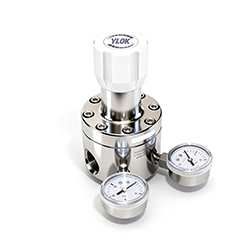
Ammonia Gas Pressure Regulator
-
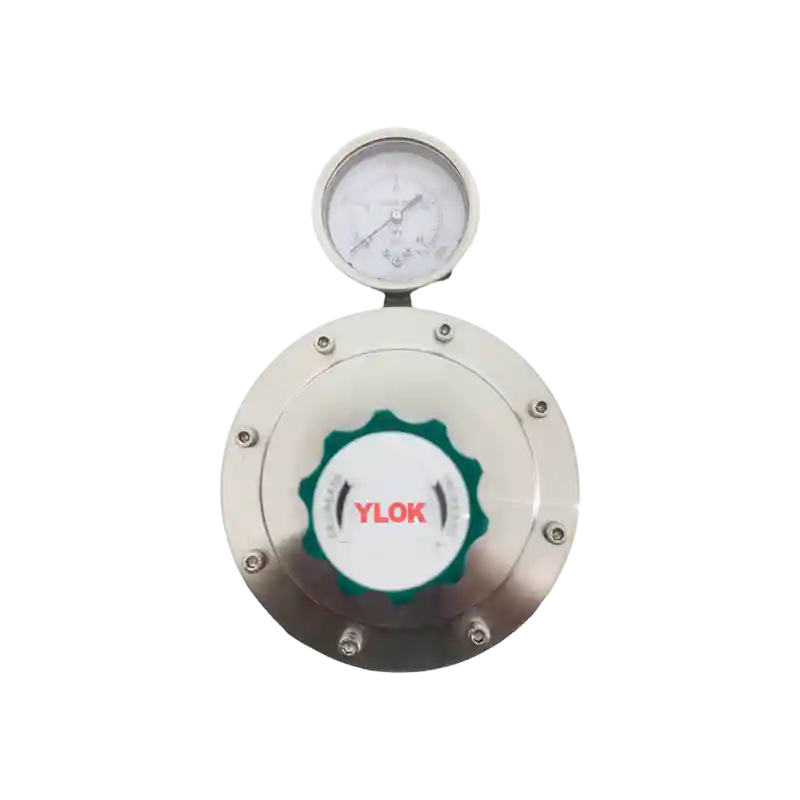
Micro-Pressure Back-Pressure Regulators
-
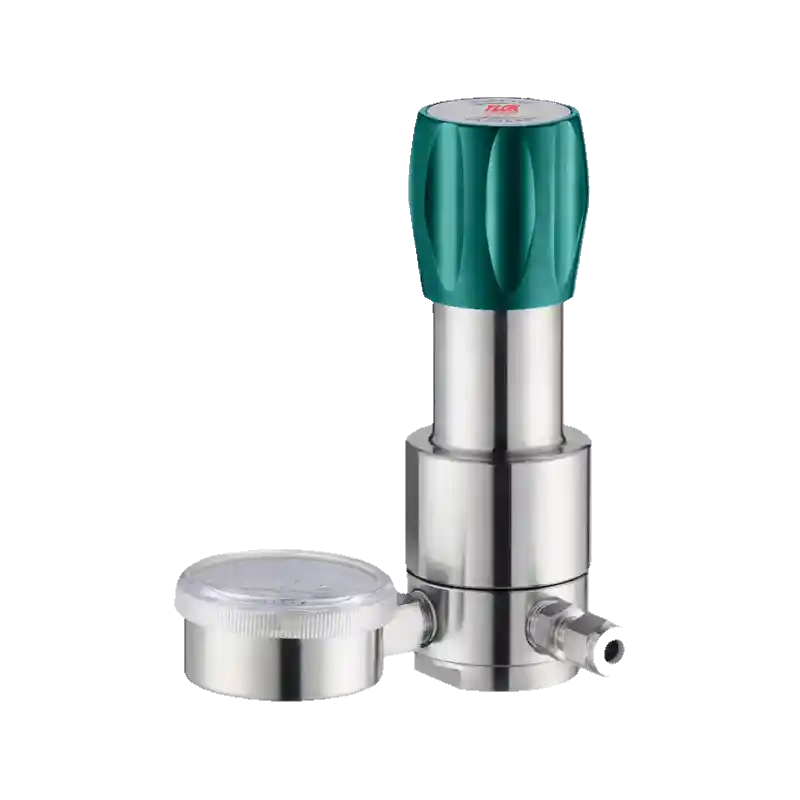
Stainless Steel Back-Pressure Regulators
-
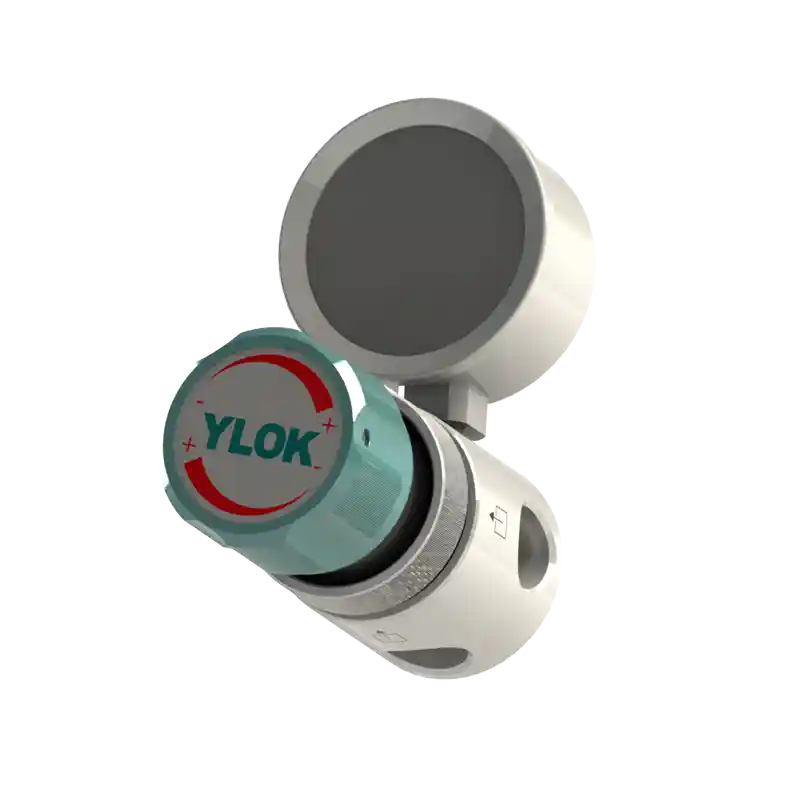
Low-Pressure Back-Pressure Regulators
-
Hydrogen Back-Pressure Regulators
-
Gas Back-Pressure Regulators
-
Liquid backpressure regulators
-
High-Flow Backpressure Valves