

Sanitary Breather Valves
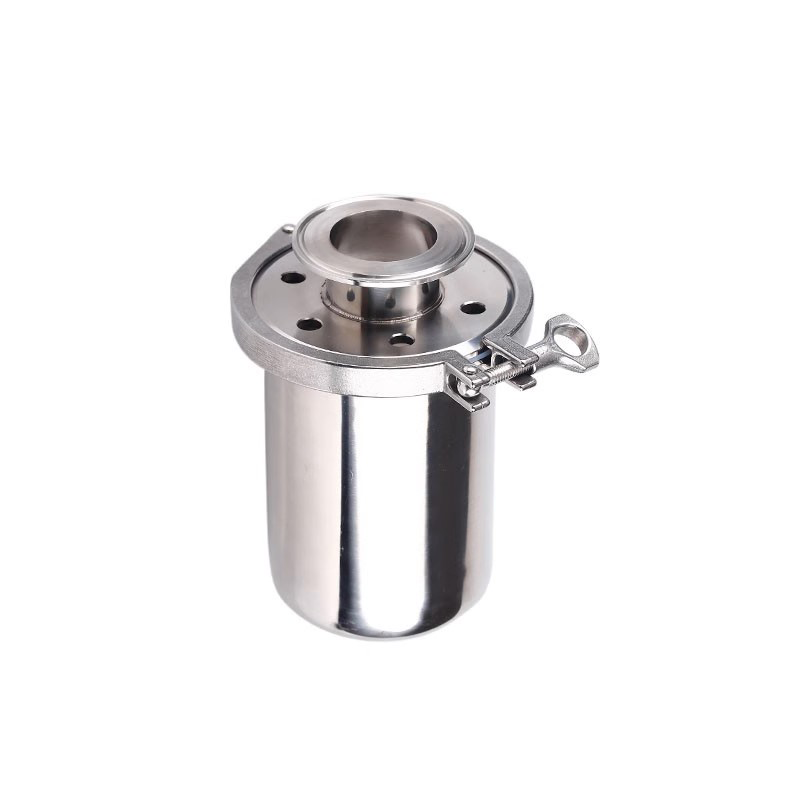
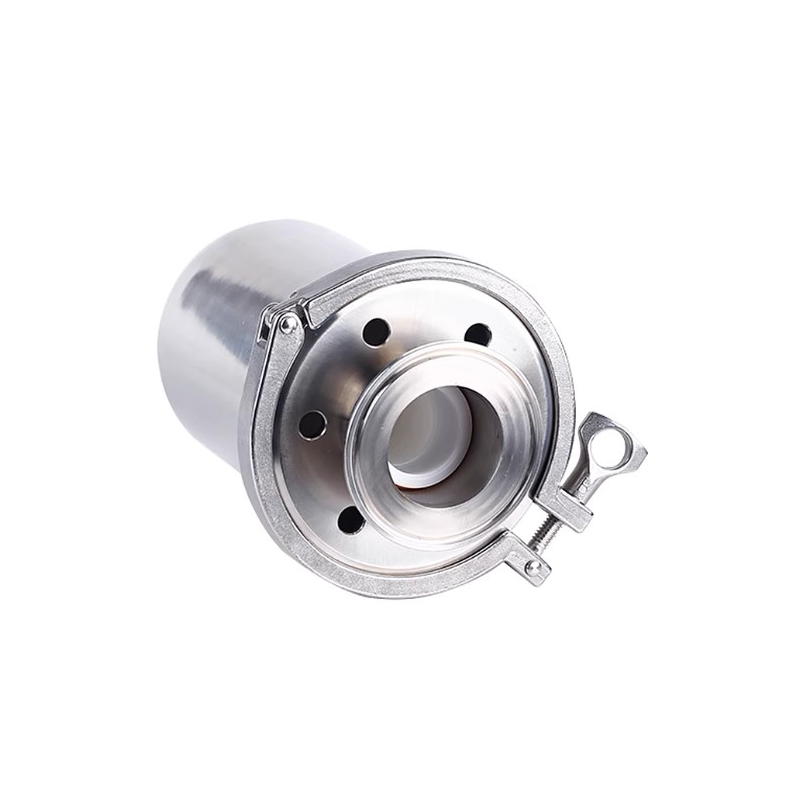
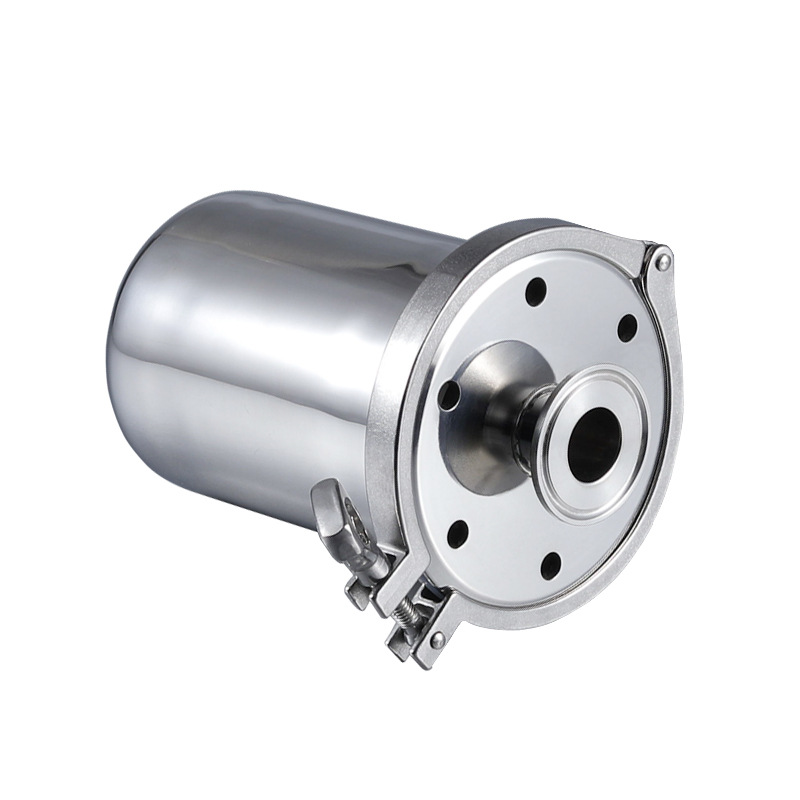
Sanitary Breather Valves - Overview, Performance Advantages, Functions & Technical Parameters
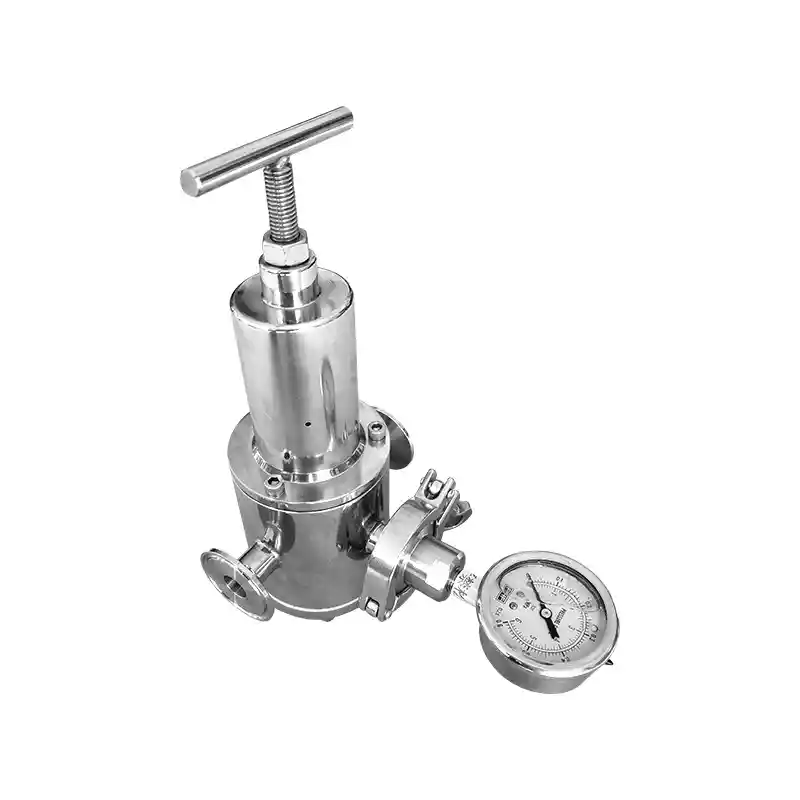
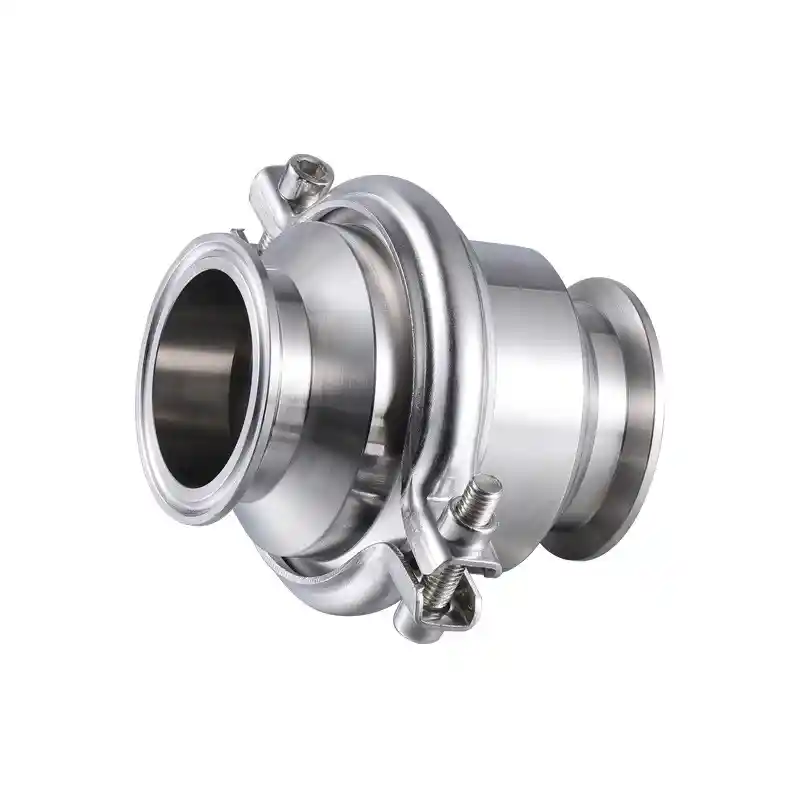
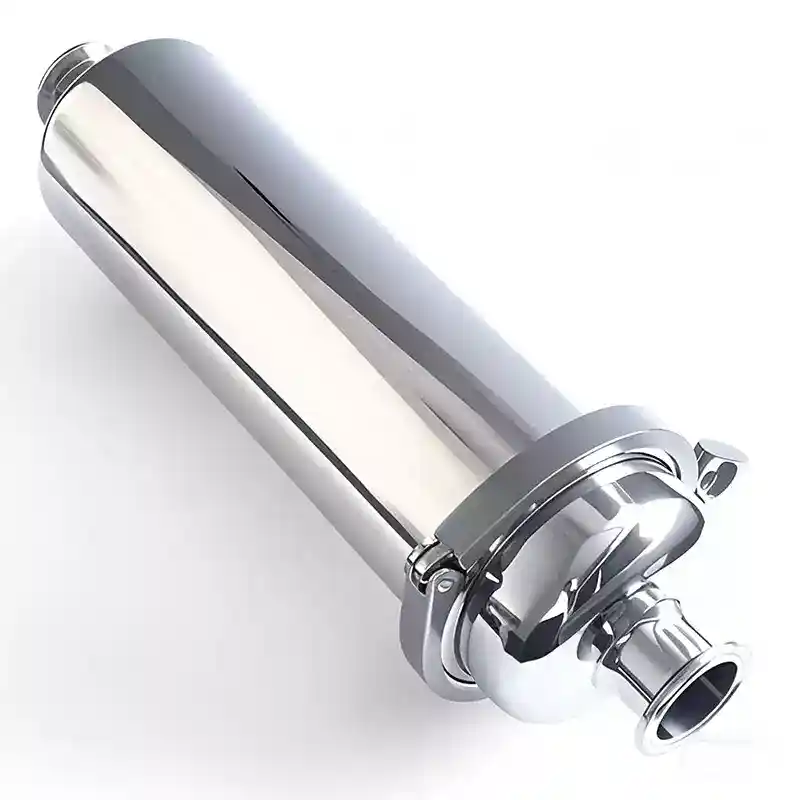
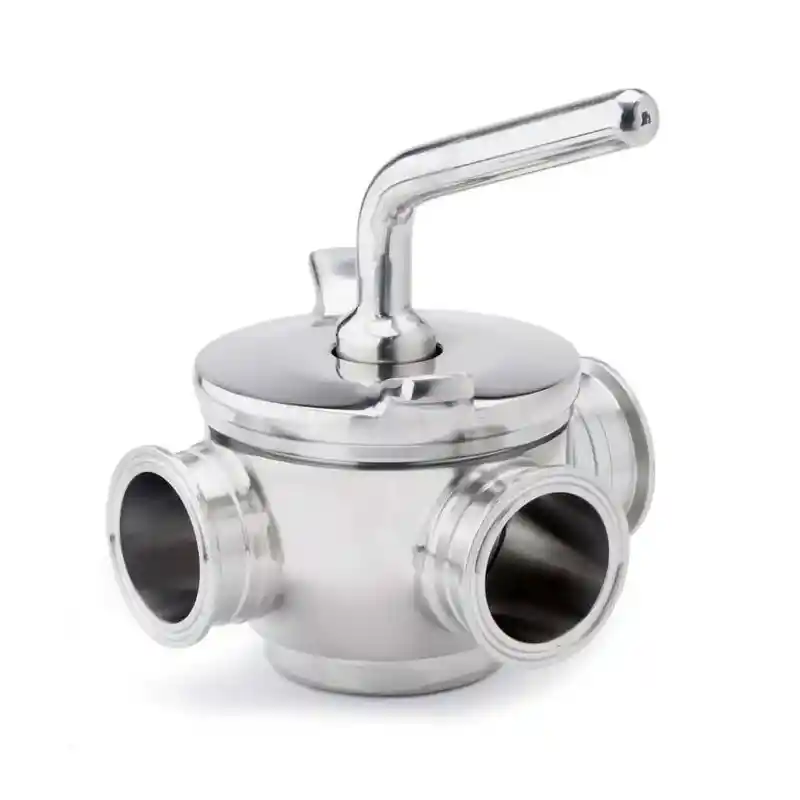
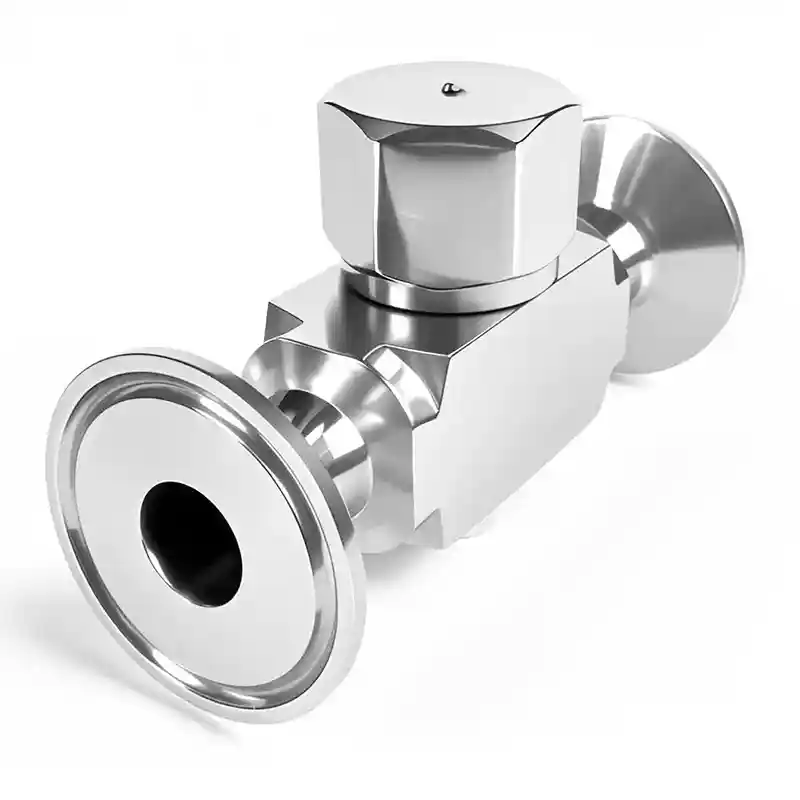
The sanitary breather valve consists of a flame arrester and a breather. It is applied in food, brewing, beverage, dairy products, fine chemical pharmaceuticals, biological engineering, alcohol pipelines, methane and other flammable and explosive gas and liquid workshops to ensure the safety of pipelines and workshops.
Performance Advantages of Sanitary Breather Valve
Reasonable structure, light weight, corrosion resistance, qualified explosion suppression performance, easy maintenance, convenient installation, and no backfire phenomenon after one-hour fire resistance test;
The flame arrester element is made of stainless steel, featuring corrosion resistance and easy cleaning, and the shell has passed the hydrostatic test;
Test result: A single flame arrester element may not achieve the flame arrest effect; two flame arrester elements buckled positively and negatively can effectively play the flame arrest role, providing guarantee during use.
Functions of Sanitary Breather Valve
It is a device used to prevent the flame spread of gases and liquids and the explosion caused by backfire. It is generally installed on the pipelines for transporting or discharging flammable and explosive gases.
Technical Parameters of Sanitary Breather Valve
Specification: 1"~2", DN25~DN50
Connection Mode: Clamp, Threaded, Flanged
Maximum Positive Pressure Value: ≤3.2bar
Maximum Vacuum Degree: ≤-0.9bar
Working Temperature: -10℃ to 120℃
Parts in Contact with Materials: SS304/SS316L
Internal Surface in Contact with Products: Ra≤1.6μm
Sealing Parts: EPDM (Ethylene Propylene Diene Monomer), SI (Silicone Rubber), FPM (Fluoro Rubber)