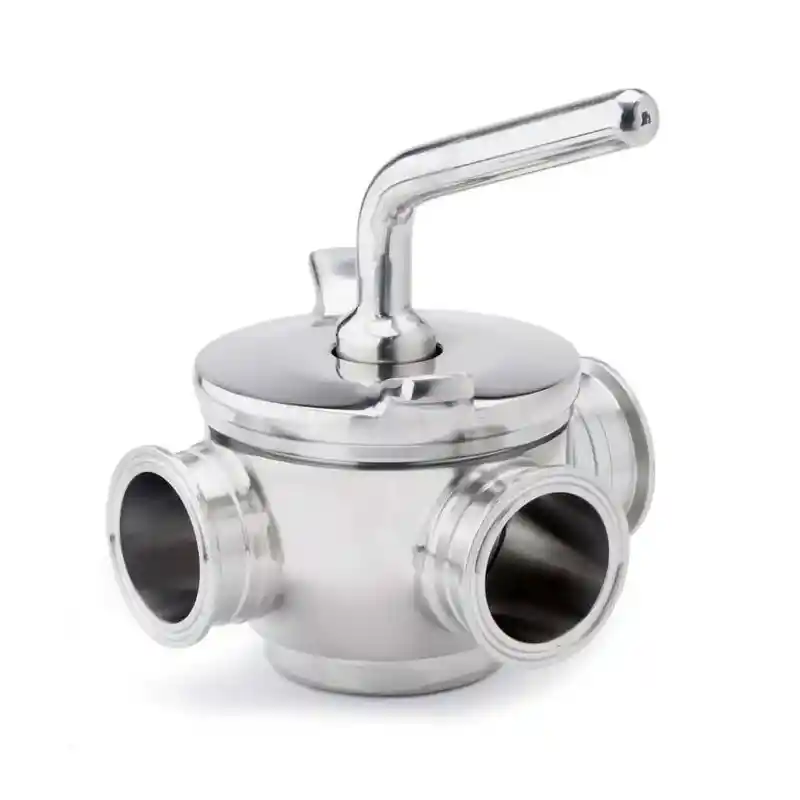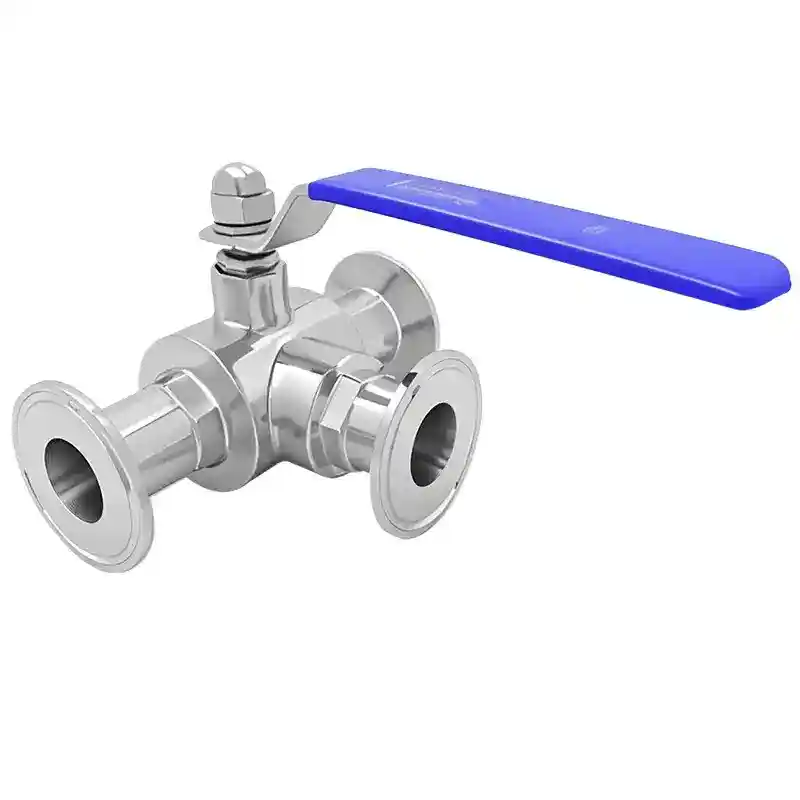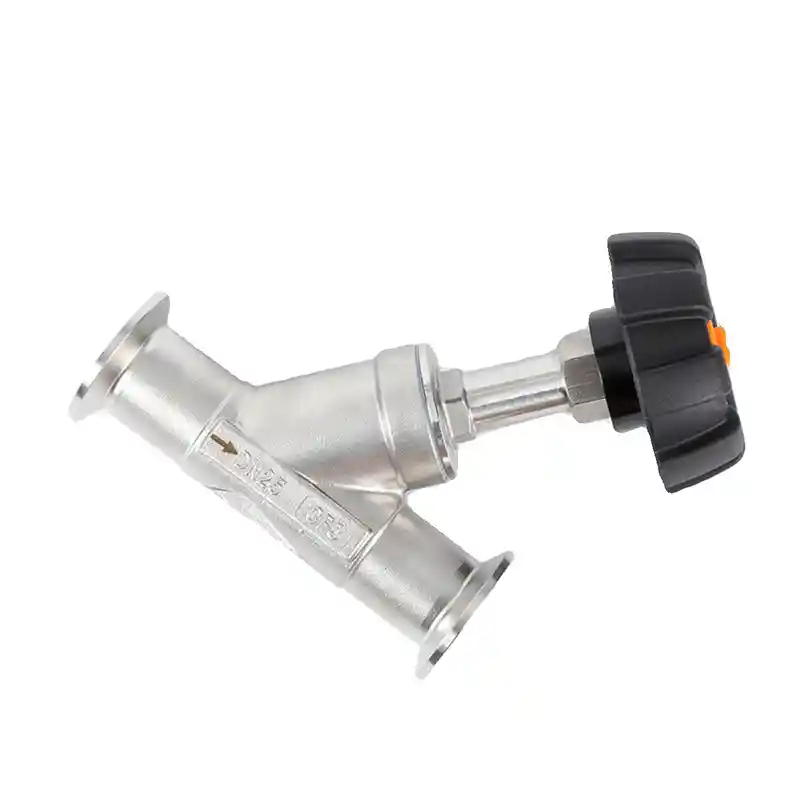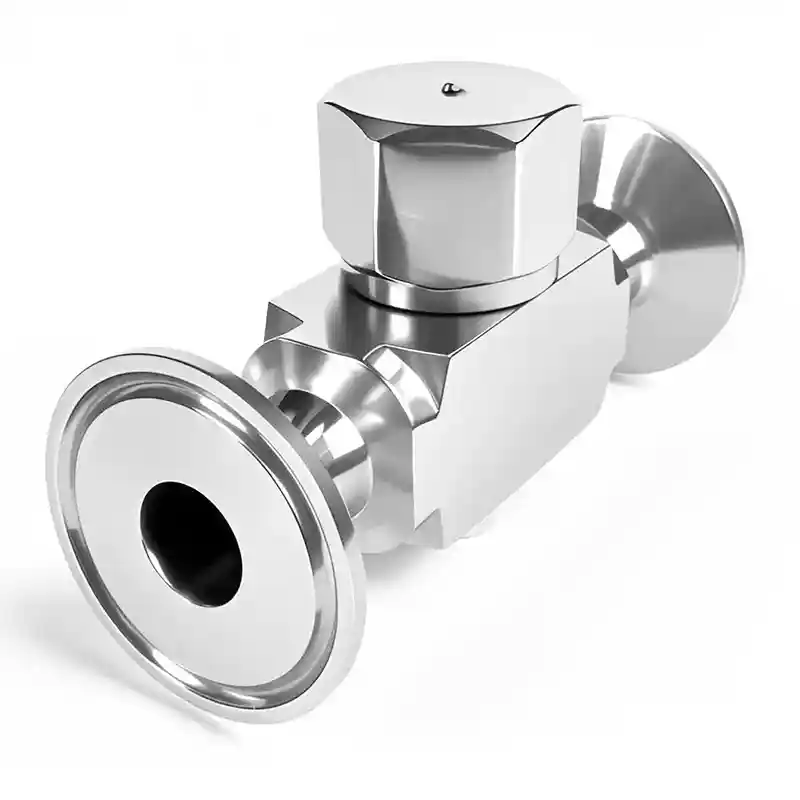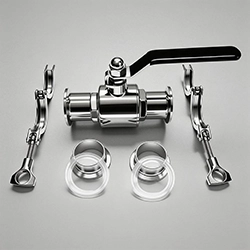


Sanitary Diaphragm Valves
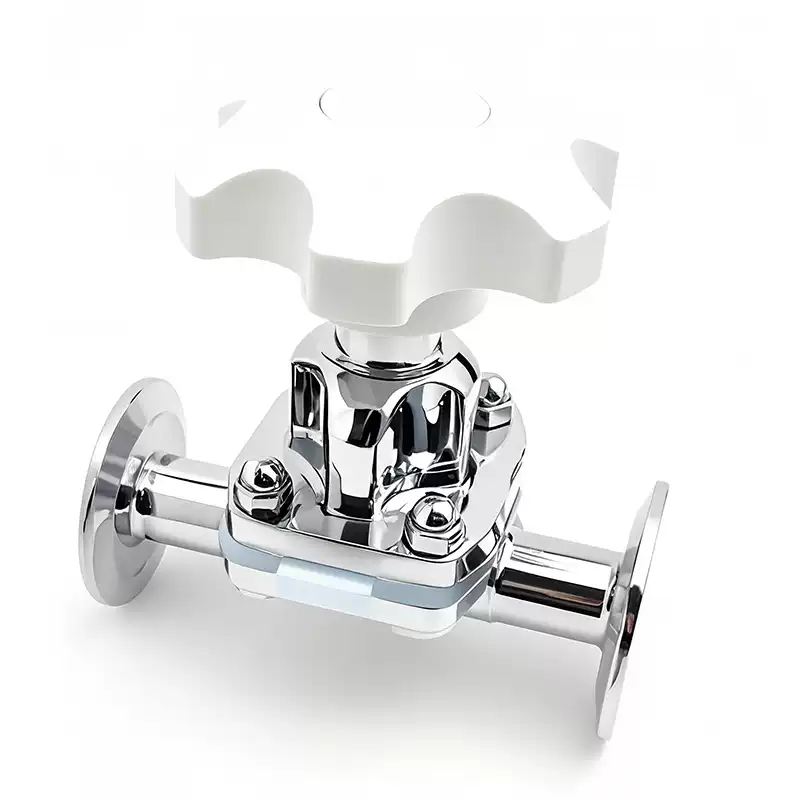
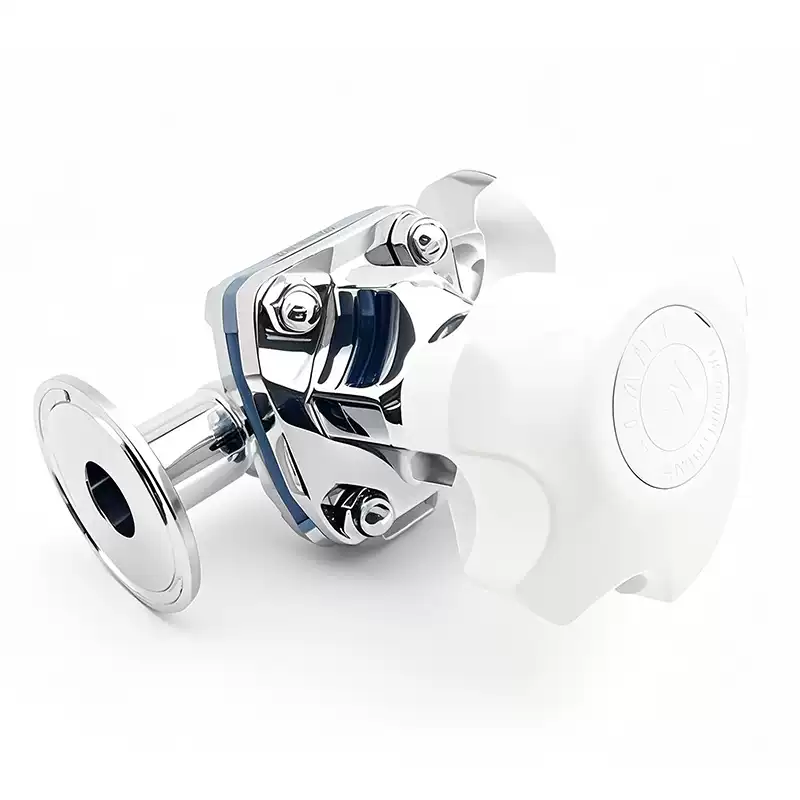
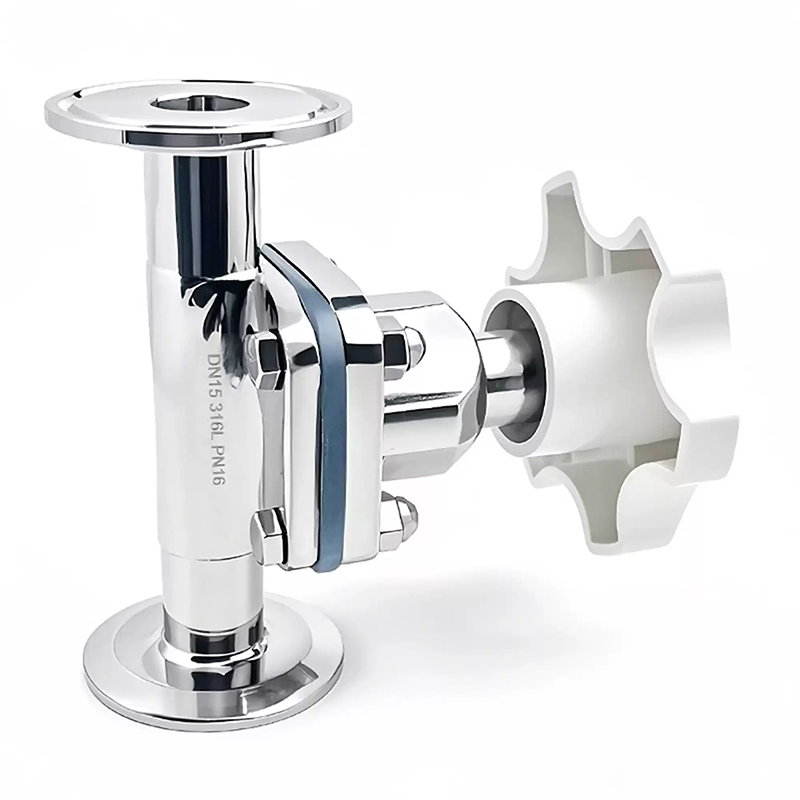
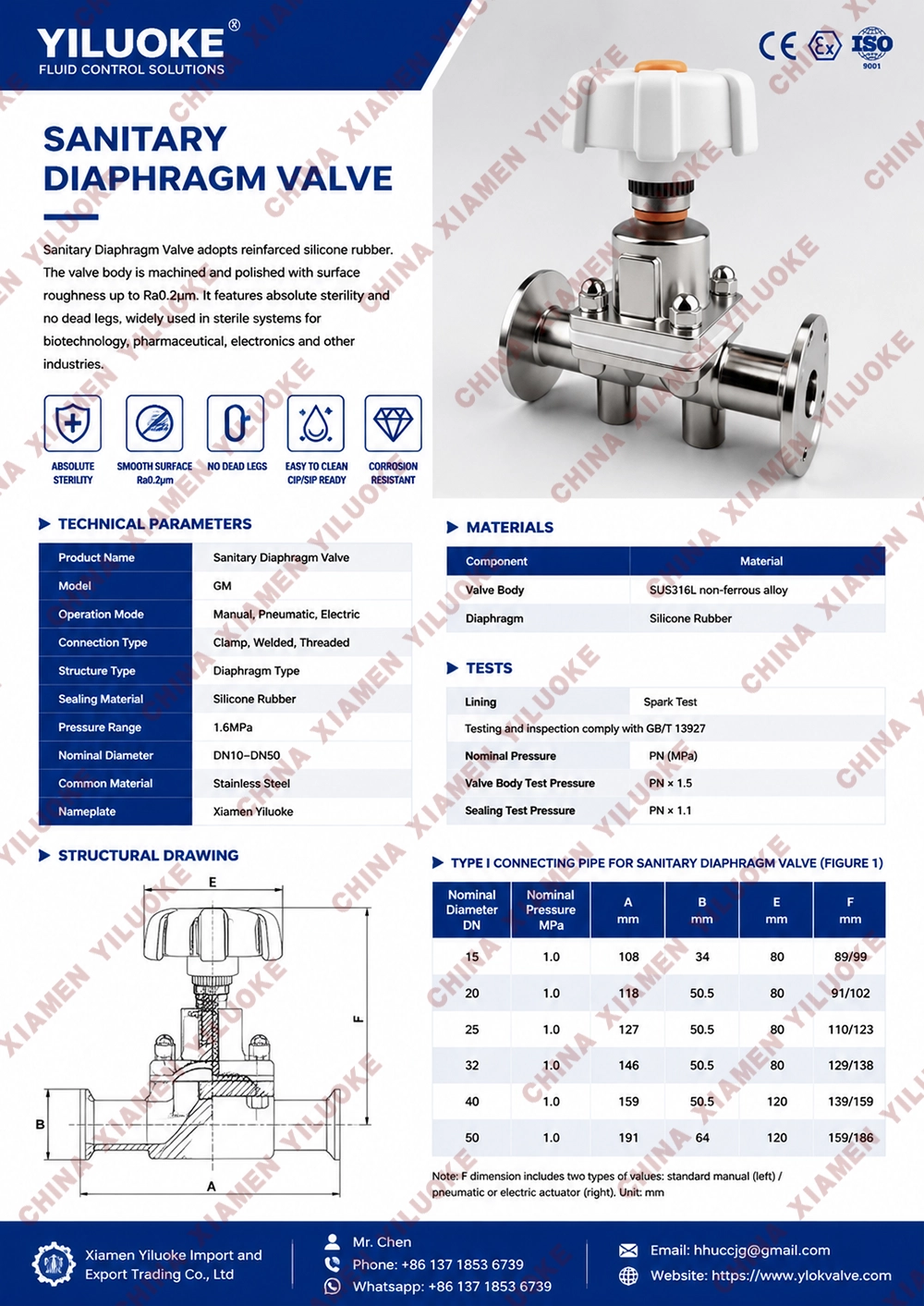
Sanitary diaphragm valve is designed for high-purity working conditions. It is widely adopted in food, beverage, pharmaceutical, biotechnology, cosmetics and other industries. A flexible diaphragm controls fluid flow and completely isolates process media from the actuator, effectively minimizing cross-contamination risks and guaranteeing hygiene and safety during production.
Compared with conventional valves, sanitary diaphragm valves feature smooth internal surfaces, no dead legs, easy cleaning and sterilization, complying with strict hygiene specifications including GMP, FDA and EHEDG. Therefore, it serves as an indispensable control component in sterile processing systems.
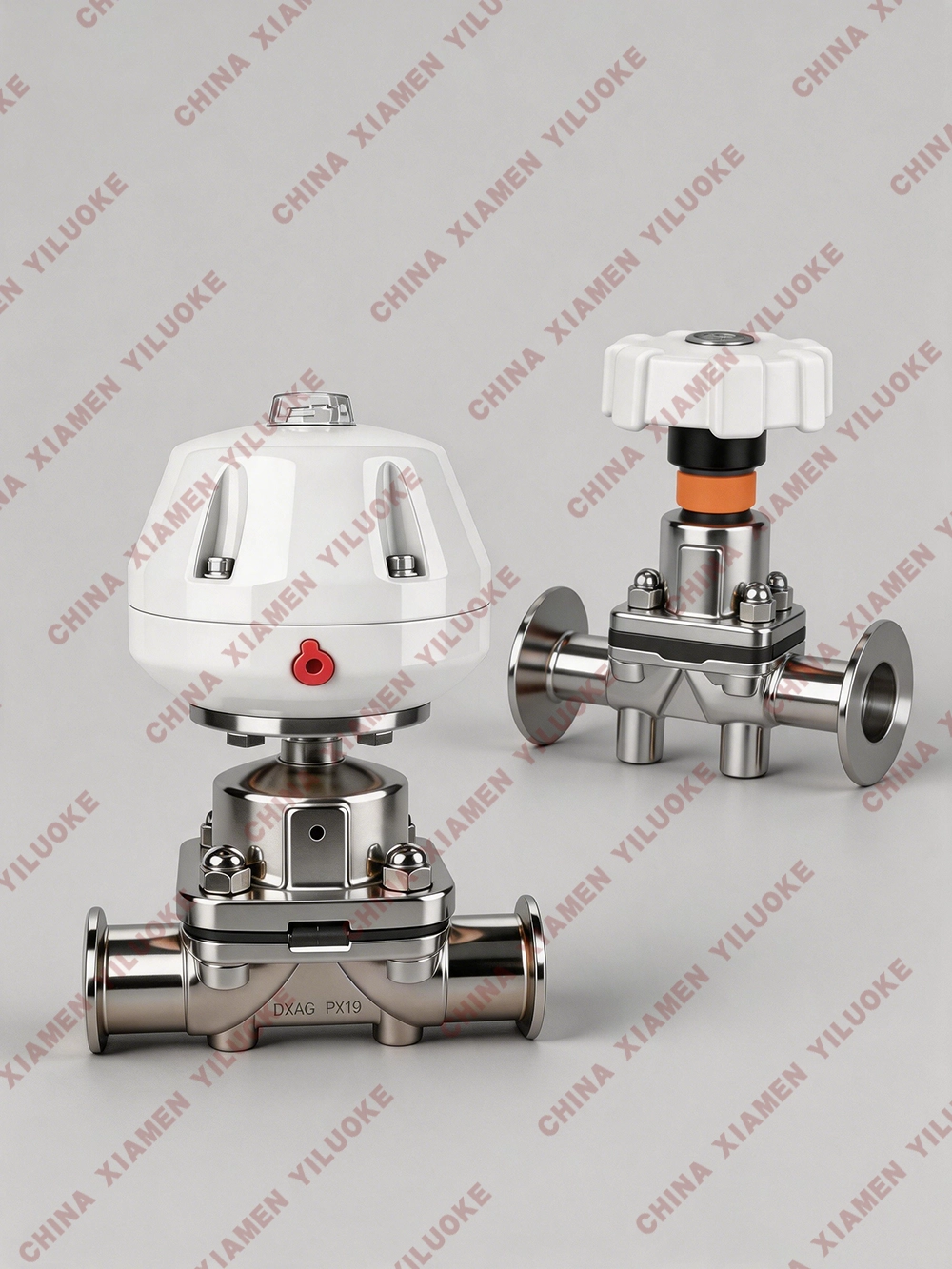
Structure and Working Principle
A sanitary diaphragm valve mainly consists of three assemblies: valve body, diaphragm and actuator, which jointly realize fluid control and sealing functions.
Valve Body
The valve body forms the flow passage and connects to process pipelines via clamp, weld or threaded ends. It is generally fabricated from 316L stainless steel. The internal surface undergoes precision polishing or electropolishing to meet high cleanliness requirements.
Diaphragm
The diaphragm is a flexible membrane that opens and closes the valve through vertical movement. It is the only dynamically wetted component inside the valve. Hence, its material and performance directly determine service life and sanitary grade of the valve.
Actuator
Also referred to as operating device or bonnet assembly, the actuator drives diaphragm movement. Manual handwheel, pneumatic actuator or electric actuator can be selected according to automation requirements.
Working Principle
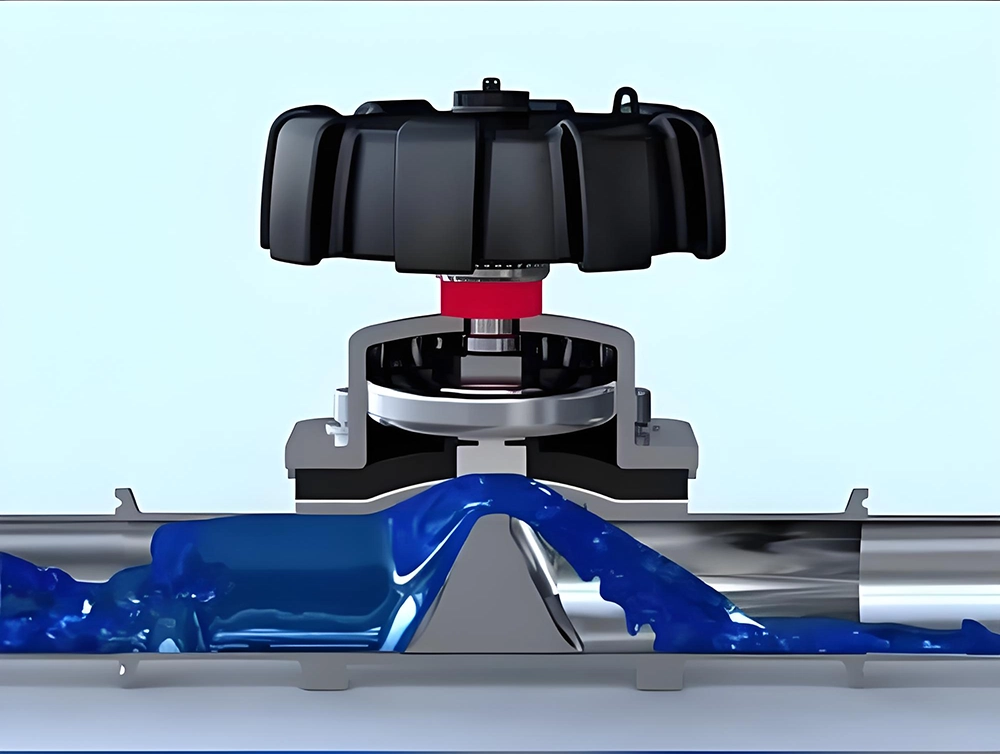
The operating principle of sanitary diaphragm valve is simple and reliable.
When the handwheel is operated or the actuator is activated, the driving mechanism presses the diaphragm downward to tightly contact the weir or valve seat, blocking the flow passage and closing the valve. Uniform contact between diaphragm and sealing surface delivers superior tightness, even bubble-tight sealing.
On the contrary, the actuator lifts the diaphragm upwards to open the flow passage, allowing media to flow smoothly through the valve body for normal transportation.
Key Features
Benefiting from unique structural design, sanitary diaphragm valves possess prominent advantages in hygienic processing systems:
1. Zero contamination risk
Process media only contacts the valve body and diaphragm. The diaphragm separates media from the actuator thoroughly, inhibiting bacterial growth and cross-contamination effectively.
2. Bubble-tight sealing performance
Tight fitting between diaphragm and sealing surface achieves high sealing grade. This is critical for maintaining sterile environments during CIP (Clean-in-Place) and SIP (Sterilize-in-Place) cycles.
3. Excellent cleanability
The streamlined internal structure avoids complex cavities, crevices and retention zones, reducing product residue and microbial accumulation to facilitate cleaning and sterilization.
4. Superior drainability
Especially for weir-type design, the valve enables reliable self-draining and minimizes media residue, which is essential for processes requiring full system draining between batch production.
5. Simple maintenance and reliable operation
Without easily worn packing glands found in traditional valves, the failure rate is low. The diaphragm is the primary consumable part and can be replaced conveniently to cut maintenance costs and downtime.
Sanitary Standards & Certifications
For food, beverage, pharmaceutical and biotechnology industries, sanitary standards affect product quality as well as corporate compliance. Appropriate international certifications shall be verified when selecting sanitary diaphragm valves.
| Standard | Description |
|---|---|
| FDA | US certification for food-contact materials |
| 3-A | Sanitary standard for food and dairy industry |
| EHEDG | European Hygienic Engineering & Design Group certification |
| USP Class VI | Pharmaceutical-grade material certification |
| ASME BPE | Standard for bioprocessing equipment design |
These certifications verify that valves satisfy industrial requirements in hygienic design, material safety and cleanability, improving reliability of production processes.
Typical Applications in Food & Pharmaceutical Industries
Food & Beverage Industry
Sanitary diaphragm valves are applied throughout raw material handling, production, filling and packaging in food and beverage manufacturing.
Dairy Processing
Used in pasteurization systems and transfer pipelines for milk, cream, yogurt and other dairy products. The dead-leg-free structure prevents bacterial growth and ensures product safety.
Brewing & Beverage Production
Widely used in fermentation, filtration and filling procedures for beer, wine and soft drinks to realize sterile liquid transfer.
Food Processing
Suitable for sauces, fruit juice, soups and condiments. It prevents cross-contamination and supports rapid cleaning and product switching.
CIP/SIP Systems
As an important component of Clean-in-Place and Sterilize-in-Place systems, the valve maintains stable sealing under high temperature and chemical cleaning conditions.
Pharmaceutical & Biotechnology Industry
Pharmaceutical and biotech sectors impose stricter hygiene requirements than the food industry. Sanitary diaphragm valves are deployed across the whole production workflow.
Upstream Processes
Installed in bioreactors and fermentation systems to control WFI (Water for Injection), culture media, clean air and process gas.
Downstream Processes
Applied in filtration, chromatography, formulation and filling processes for precise delivery of liquid medicine, buffer solutions and intermediates.
Culture Medium & Buffer Preparation
Controls flow and distribution of culture media, buffer solutions and purified water systems.
Aseptic Manufacturing Processes
Satisfies demands for flow diversion, regulation and volumetric filling under sterile conditions to guarantee pharmaceutical quality.
Tank Bottom Discharge Systems
Tank bottom diaphragm valves are extensively used in reactors and storage tanks for residue-free discharging.
Other Application Fields
Personal care & cosmetic production
High-purity fine chemical processes
High-purity water systems for semiconductor & electronics industries
Health food & dietary supplement manufacturing
How to Select a Suitable Sanitary Diaphragm Valve?
1. Confirm media type
First, identify the transported medium. Different media impose different requirements on valve body and diaphragm materials. For corrosive media, select materials with stronger corrosion resistance, such as PTFE diaphragm and 316L stainless steel valve body.
2. Verify working temperature and pressure
Besides medium characteristics, working temperature and pressure influence valve service life.
Key parameters to confirm: maximum working temperature, minimum working temperature, operating pressure range and CIP/SIP sterilization conditions.
In pharmaceutical production, frequent SIP sterilization can reach 121℃ or higher. The diaphragm material must withstand such temperature levels.
3. Select valve structure according to process requirements
Sanitary diaphragm valves are mainly divided into weir-type and straight-way types.
Weir-type diaphragm valves are preferred if flow regulation and control accuracy are prioritized.
Straight-way diaphragm valves fit applications with high-viscosity media, particle-containing media or full draining demands.
4. Check sanitary standards and certification requirements
Food and pharmaceutical facilities demand not only functional performance but also compliance with industrial hygiene specifications. Pharmaceutical manufacturers often require ASME BPE compliance, while food producers focus more on FDA and 3-A certifications.
5. Choose proper diaphragm material
The diaphragm is the core component of sanitary diaphragm valves. Its performance directly affects sealing effect and service life.
Common materials include EPDM, PTFE, and composite PTFE+EPDM. Each material suits different working conditions. Media compatibility, sterilization frequency and service life should all be considered.
6. Consider connection type and installation requirements
Process systems adopt different connection forms: clamp, weld, threaded, flange.
Clamp connection is the most popular option for food and pharmaceutical industries due to easy assembly, disassembly and cleaning. Confirm pipe size, connection standard and installation space during selection.
7. Evaluate maintenance cost and service life
Apart from initial procurement cost, long-term operating cost deserves attention.
High-quality sanitary diaphragm valves feature extended diaphragm service life, fewer maintenance cycles, lower downtime risk and convenient spare part replacement.
Although the upfront investment may be slightly higher, overall operating costs can be reduced in the long run.