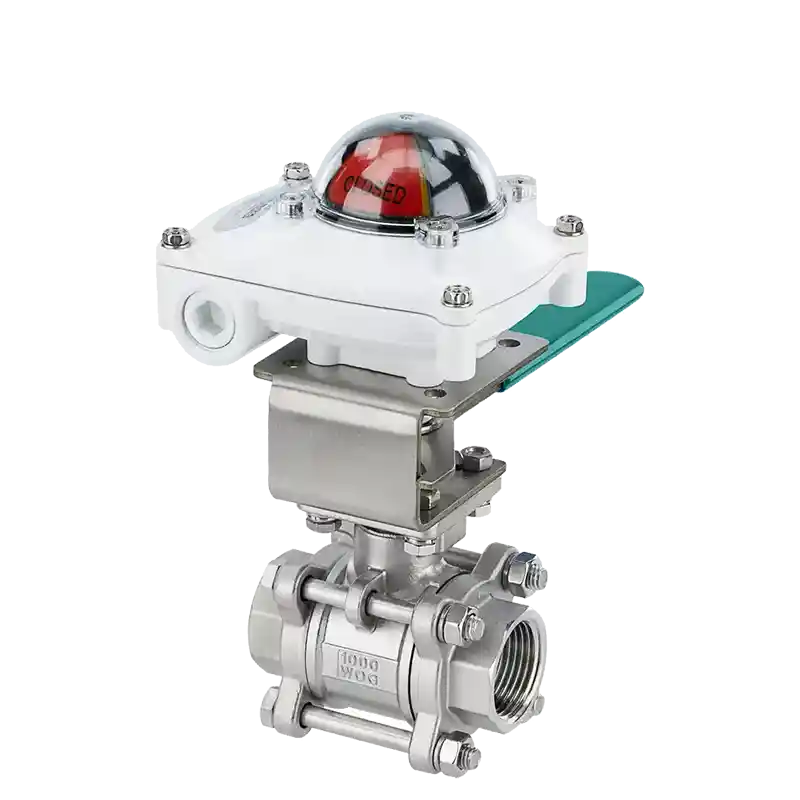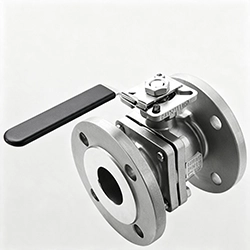


Fully-Welded Ball Valves
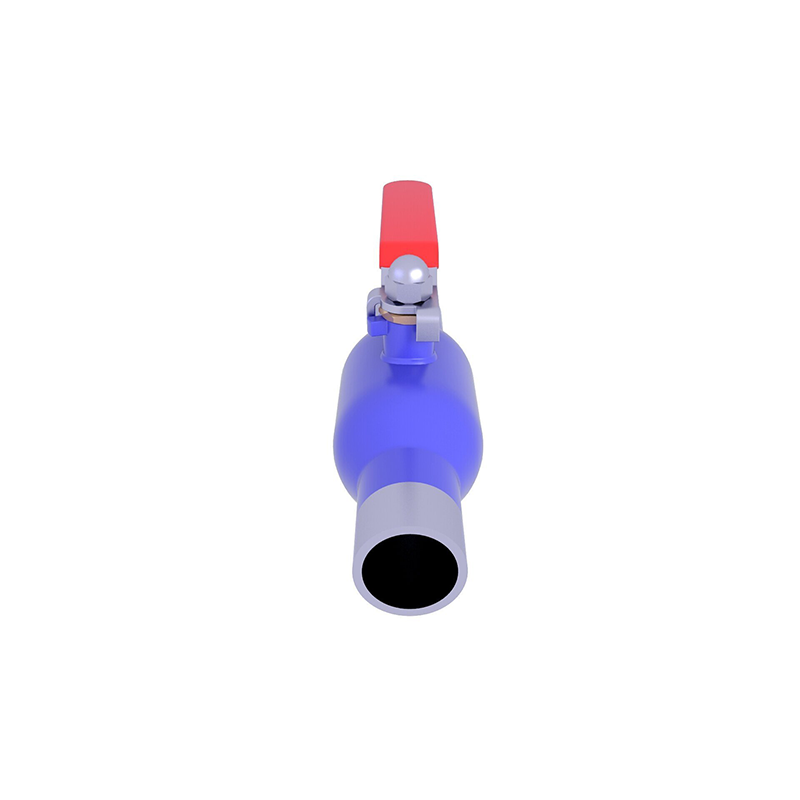
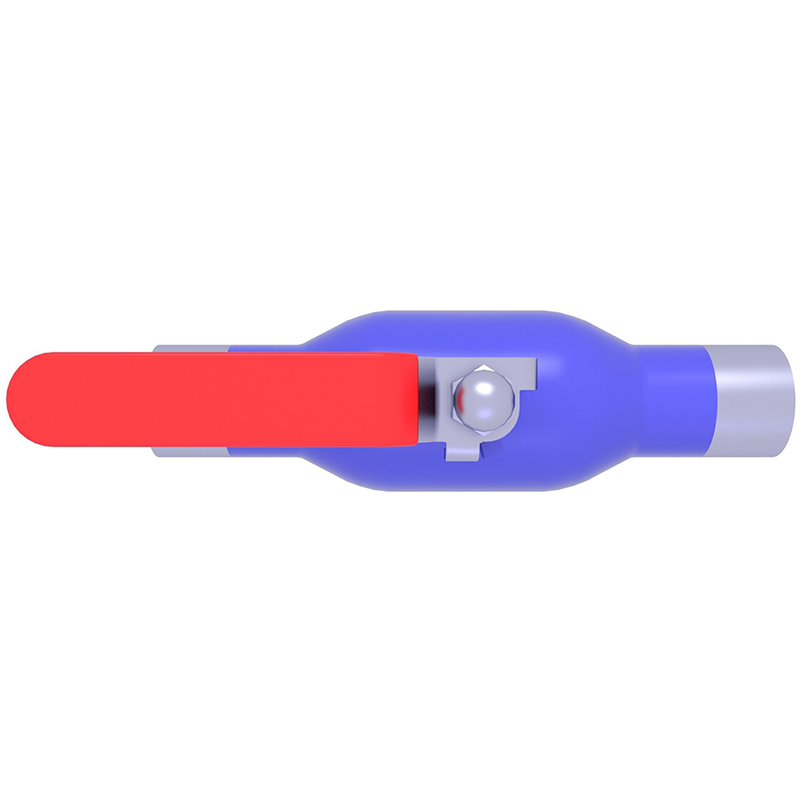
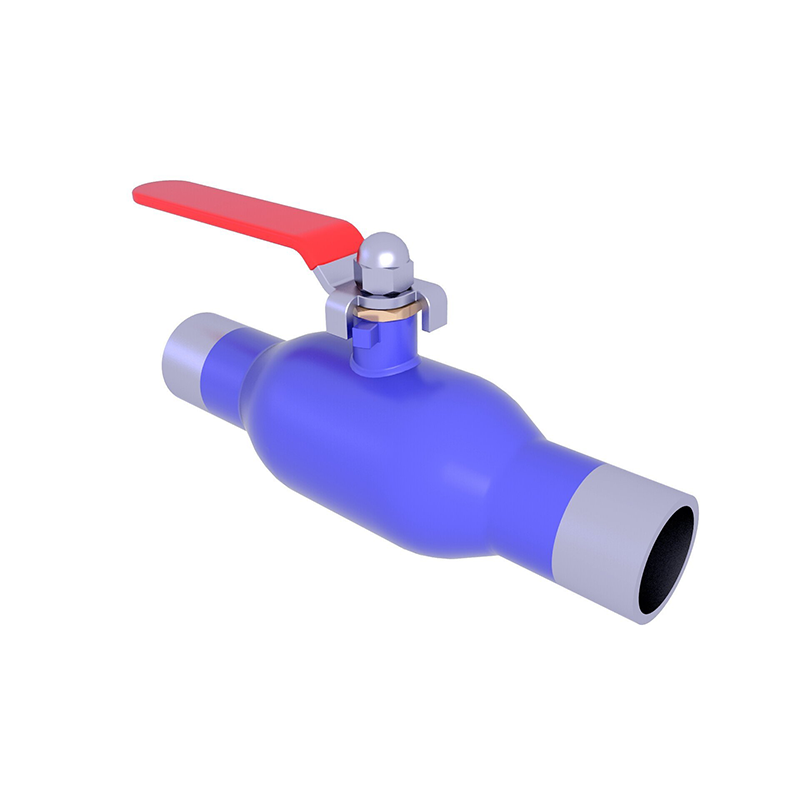
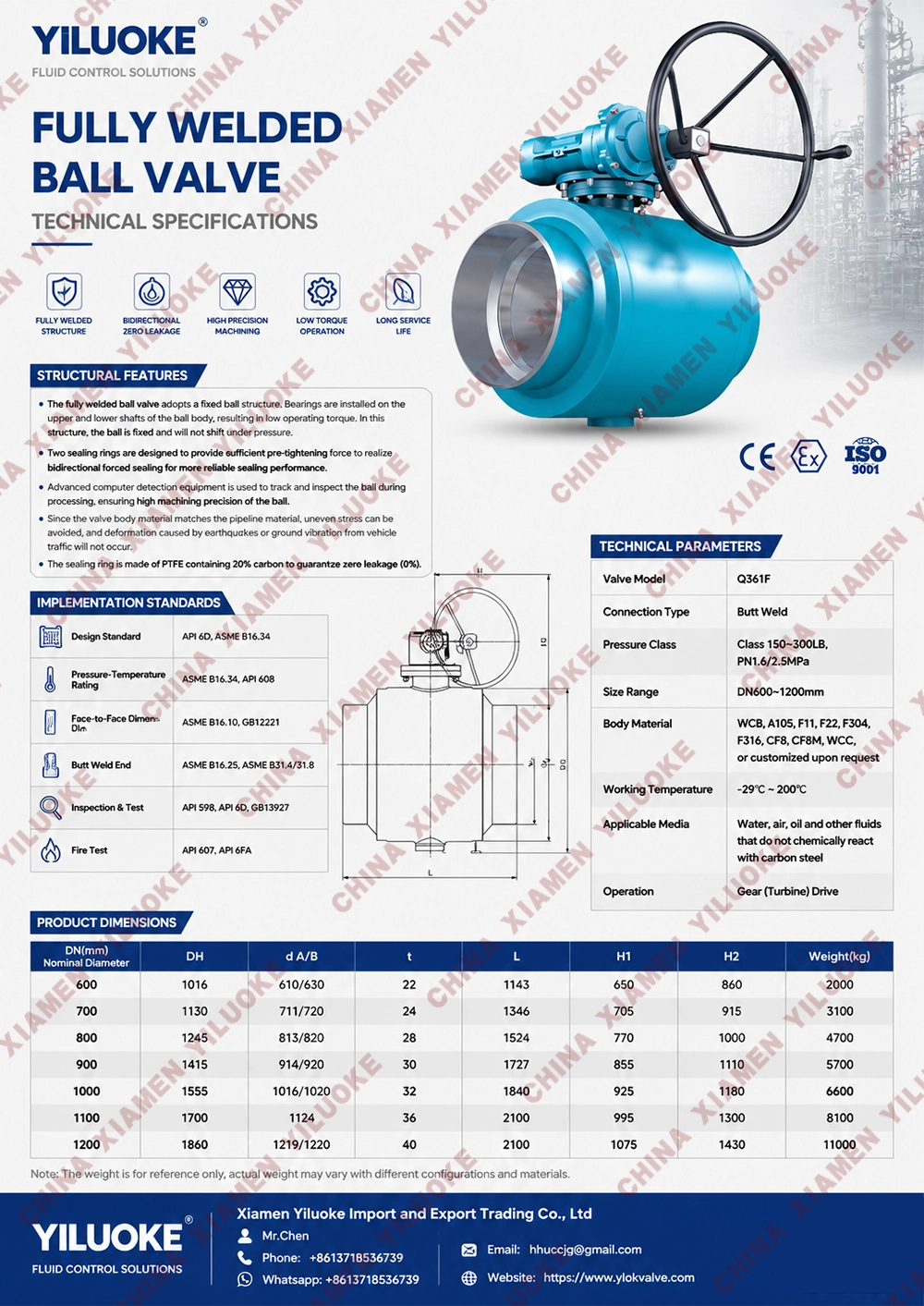
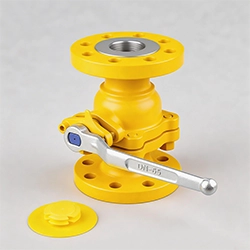
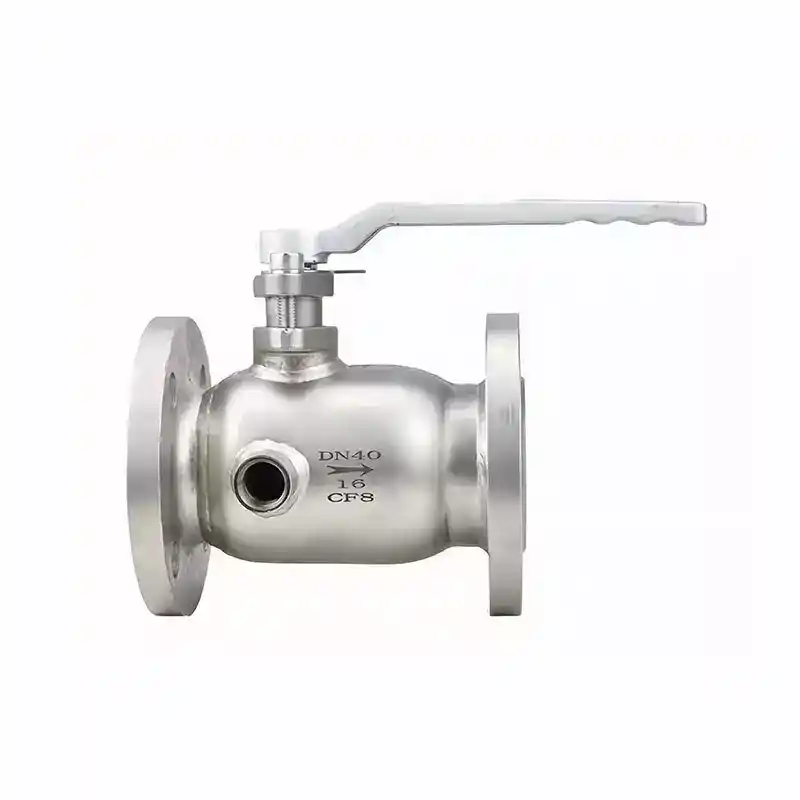
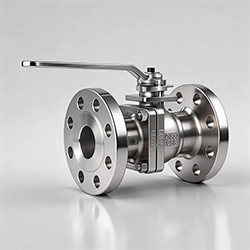
The fully welded ball valve is integrally constructed by welding three independent forged parts together, ensuring zero leakage at valve body connections under allowable working conditions. The product is mainly applicable for media such as natural gas, petroleum and water, and widely used in pipeline systems for district heating, urban gas, petrochemical industry, steel, shipbuilding, metallurgy, power stations, pressure regulating stations and other industrial fields. Wenbao Valves provides reliable quality assurance and excellent after-sales service for all Yiluoke series products.
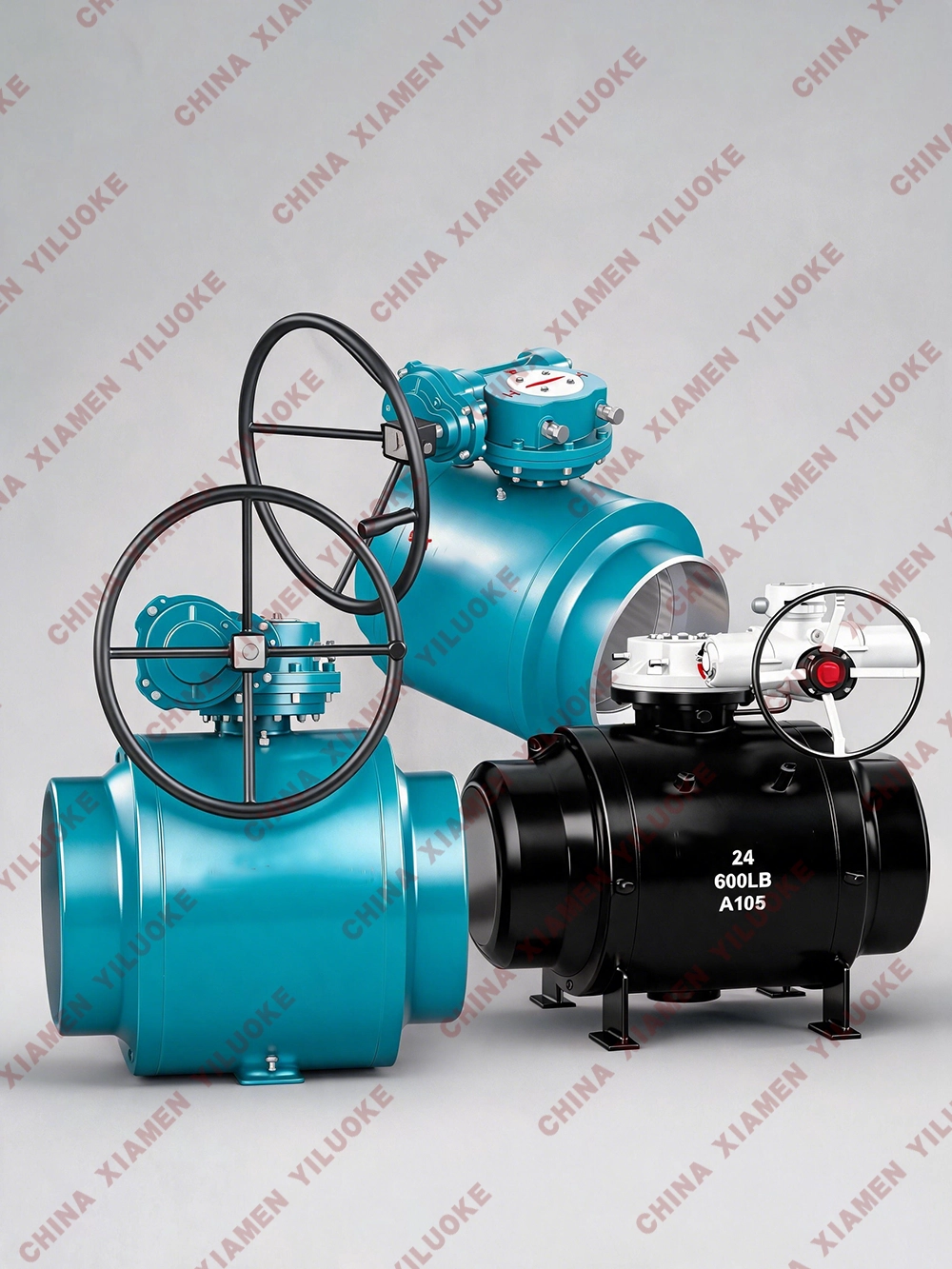
Design Features
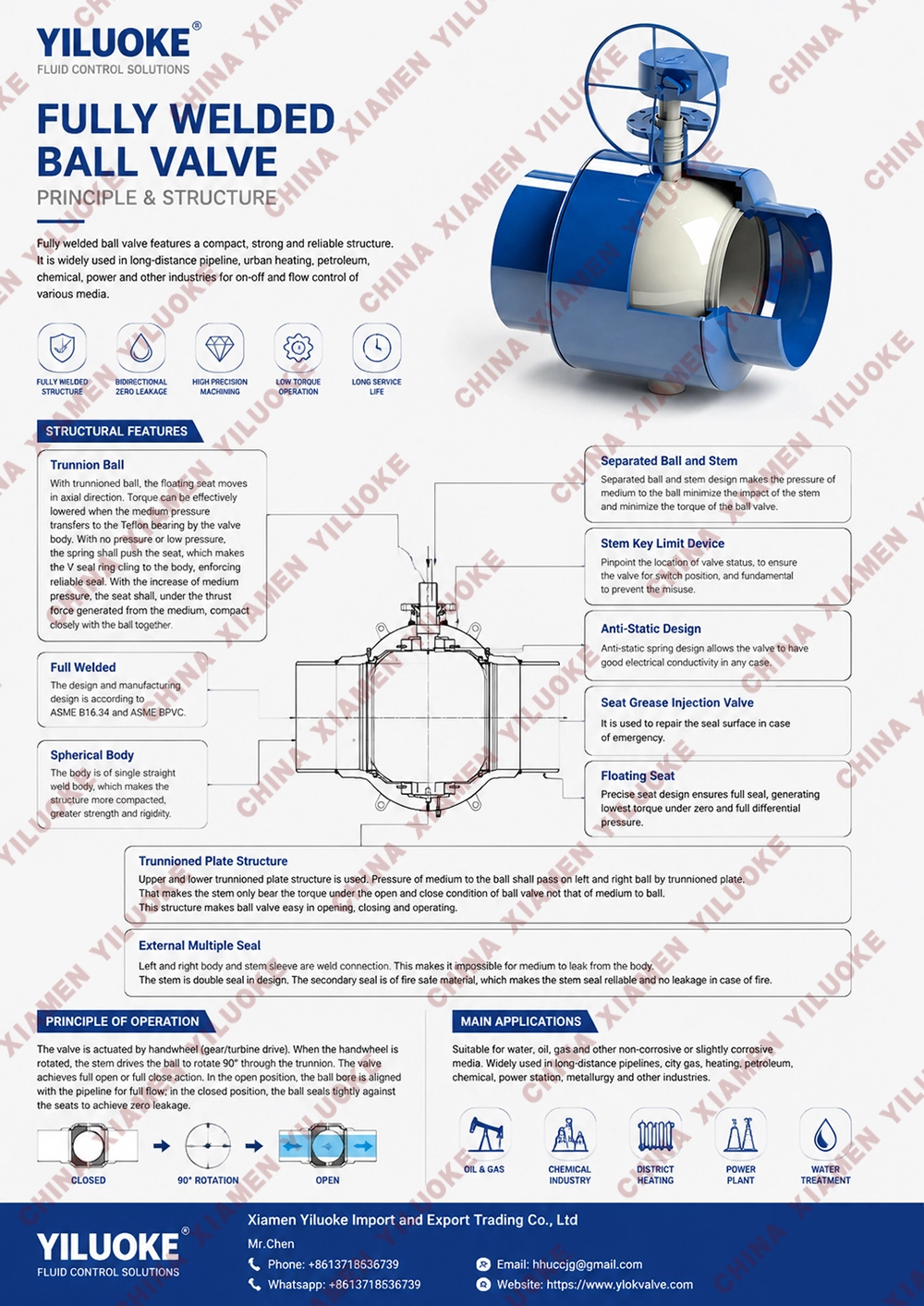
1. The valve body adopts international standard high-grade low-carbon steel and low-carbon steel pipes. Welding is completed by advanced fully automatic welding machines, and all welds pass non-destructive flaw detection.
2. The pipe connection end adopts one-piece forging molding. The disc spring can work stably at temperatures as low as -200℃. Meanwhile, various connection types can be designed according to customer requirements for valve connection ends.
3. The valve stem is made of high-performance stainless steel with good corrosion resistance and anti-blowout structure. Sealing materials include FPM, carbon-filled PTFE (PTFE+C) and PEEK, featuring high strength, high temperature and pressure resistance, excellent corrosion resistance and long service life.
4. The ball core is manufactured from high-performance stainless steel. After precision machining, every ball is inspected and tracked by 30C high-precision roundness tester to achieve extremely high machining accuracy.
Technical Parameters
| Item | Technical Parameters |
|---|---|
| Nominal Diameter | DN15~DN1200 (1/2"~48") |
| Nominal Pressure | PN16-PN100 (Class150-Class600) |
| Working Temperature | -20℃~200℃ |
| Valve Body Material | Carbon steel, Stainless steel |
| Ball Material | Stainless steel 304, 316 |
| Stem Material | 2Cr13, 304, 316 |
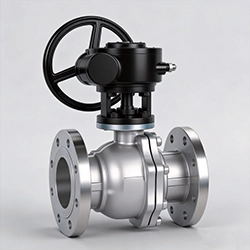
| Connection Type | Butt weld, Flange |
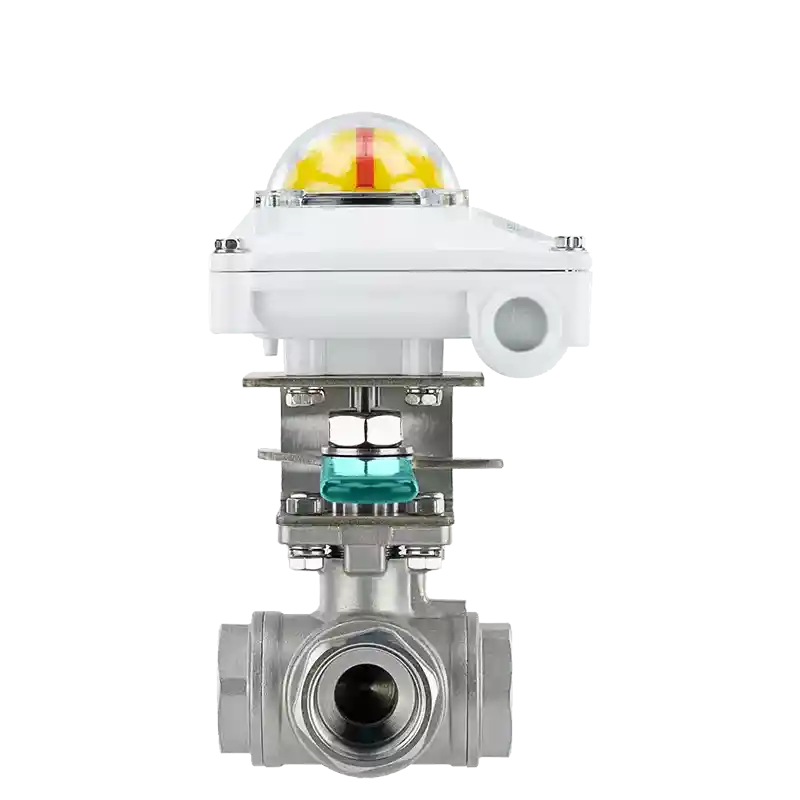
| Operation Mode | Handle, Gear (Vertical/Horizontal), Pneumatic, Electric, etc. |
| Execution Standard & Certification | GB/T12237-2007, API 6D, ASME B 16.34; ISO9001, Korea KC, TS certification |
1. Standard Fully Welded Ball Valve
| Item | Parameters & Material |
|---|---|
| Valve Body Material | Carbon steel |
| Ball Material | SUS 304 |
| Stem Material | 2Cr13, 304 |
| Nominal Pressure | PN25~PN40 |
| Working Temperature | -20℃~200℃ |
| Size & Operation Mode | DN15~DN125 (Manual operation); DN150~DN300 (Gear operation) |
| Applicable Media | Water, natural gas, steam, oil products |
This fully welded ball valve adopts a bidirectional sealing structure with carbon-filled PTFE seat rings, which features high strength, good self-lubricating performance and low friction coefficient. The disc spring behind the seat provides automatic compensation, ensuring close fitting between the seat sealing surface and the ball surface to achieve zero leakage within the specified pressure and temperature range. Available in butt-welded and flanged connections. Applicable media: water, natural gas, steam, oil products.
2. Trunnion Mounted Fully Welded Ball Valve
| Item | Parameters & Material |
|---|---|
| Valve Body Material | Carbon steel |
| Ball Material | SUS 304 |
| Stem Material | 2Cr13, 304 |
| Nominal Pressure | PN16~PN40 |
| Working Temperature | -20℃~200℃ |
| Applicable Media | Water, natural gas, steam, oil products |
DN350~DN1200 trunnion mounted fully welded ball valves adopt fixed ball structure. Composite bearings are installed on the upper and lower ball shafts to effectively reduce operating torque during opening and closing. Under medium pressure, the floating seat moves closely against the ball surface. Under low pressure conditions, the coil spring behind the seat provides sufficient thrust to ensure high tightness sealing. Custom structures such as extended body, extended stem, full bore and reduced bore are available. Applicable media: water, natural gas, steam, oil products.
3. Direct Buried Fully Welded Ball Valve
| Item | Parameters & Material |
|---|---|
| Valve Body Material | Carbon steel |
| Ball Material | SUS 304 |
| Stem Material | 2Cr13, 304 |
| Nominal Pressure | 300LB~1500LB |
| Working Temperature | -20℃~200℃ |
| Applicable Media | Water, natural gas, steam, oil products |
Direct buried fully welded ball valves can be directly buried underground without constructing large valve pits or underground operation rooms. The valve can be operated on the ground via a T-handle, eliminating potential safety hazards of underground operation. Applicable media: water, natural gas, steam, oil products.
4. High-pressure Fully Welded Ball Valve
| Item | Parameters & Material |
|---|---|
| Valve Body Material | Carbon steel |
| Ball Material | SUS 304 |
| Stem Material | 2Cr13, 304 |
| Nominal Pressure | 300LB~1500LB |
| Working Temperature | -20℃ ~ 200℃ |
| Design Standard | API6D, API608 |
| Applicable Media | Water, natural gas, steam, oil products |
The valve body is welded by three independent forgings, with structural strength and rigidity complying with relevant standards. PTFE and carbon-filled PTFE are optional for seat sealing according to different working conditions. The coil spring provides reliable sealing thrust under low pressure, and sealant injection can be used for auxiliary sealing. The valve stem adopts anti-blowout structure with independent sealing and sealant injection functions. The valve is designed with fire-safe and anti-static performance. Applicable media: water, natural gas, steam, oil products.