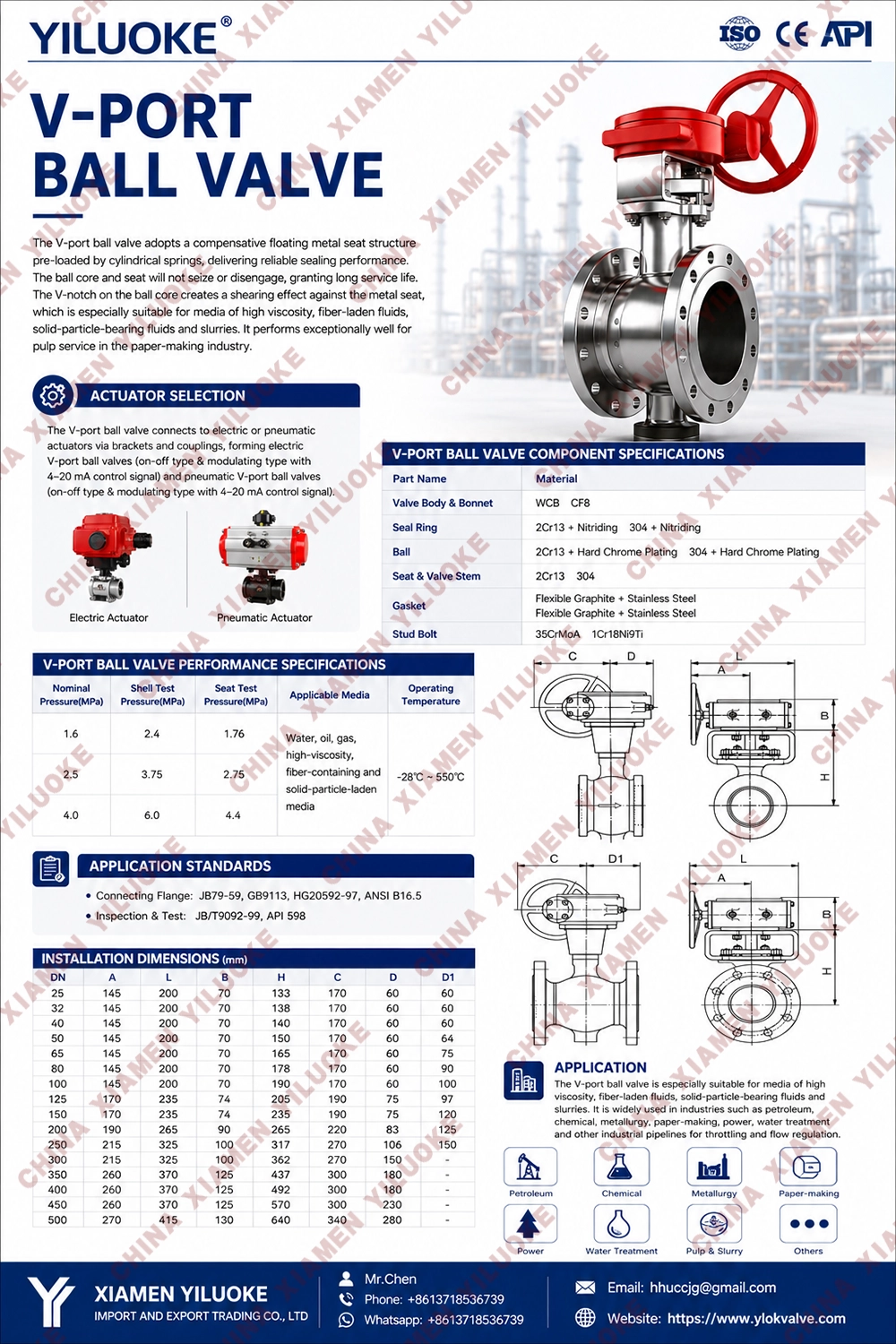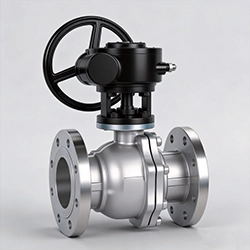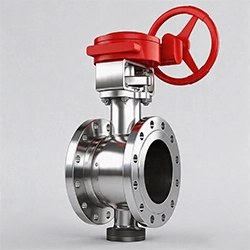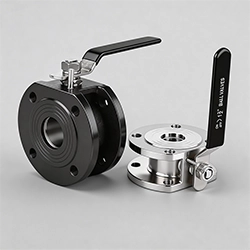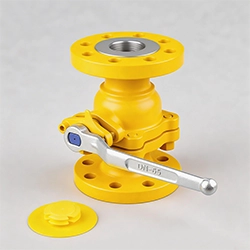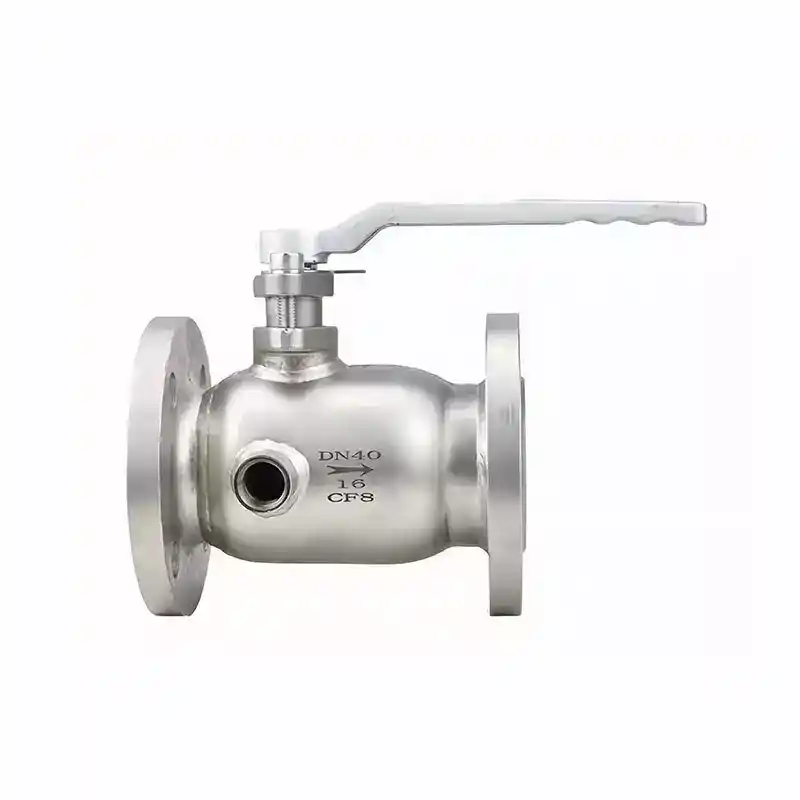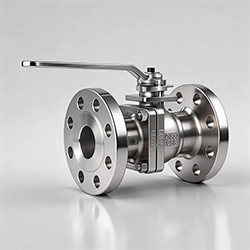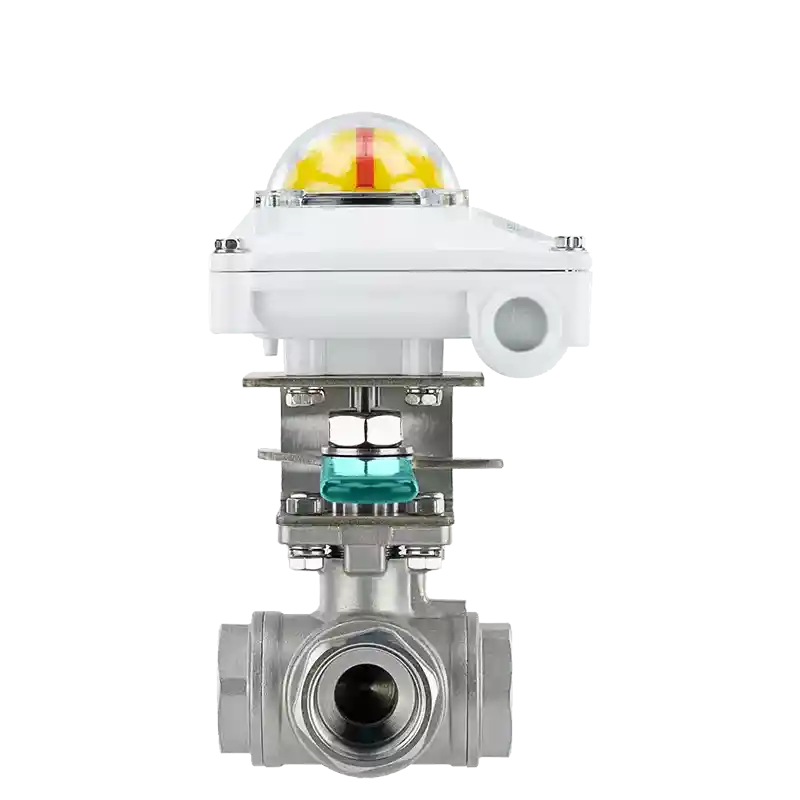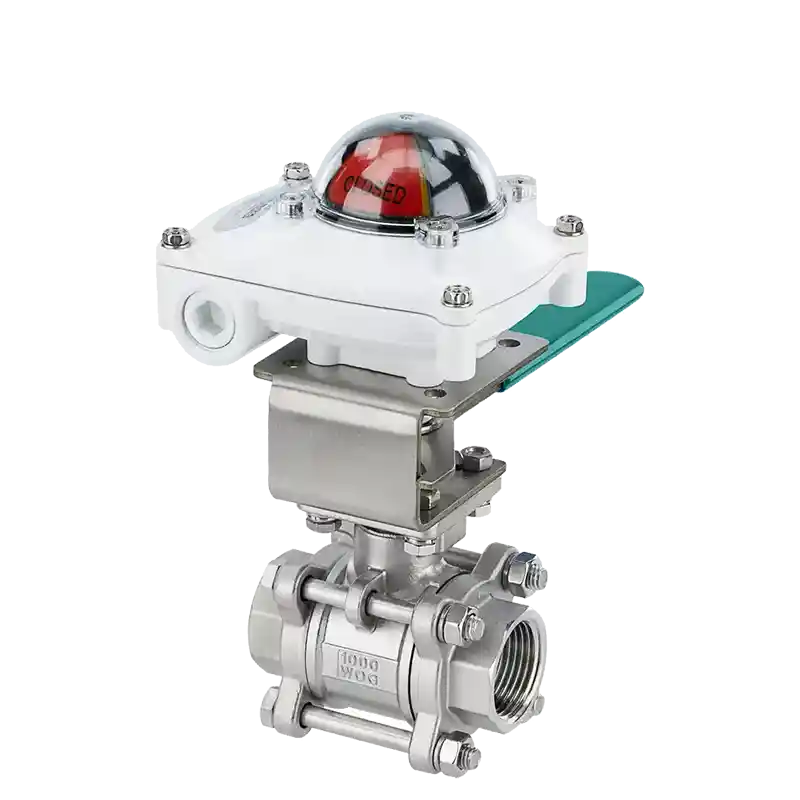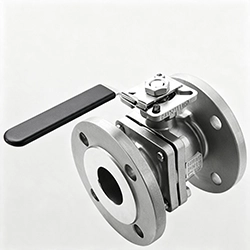


V‑Port Ball Valve
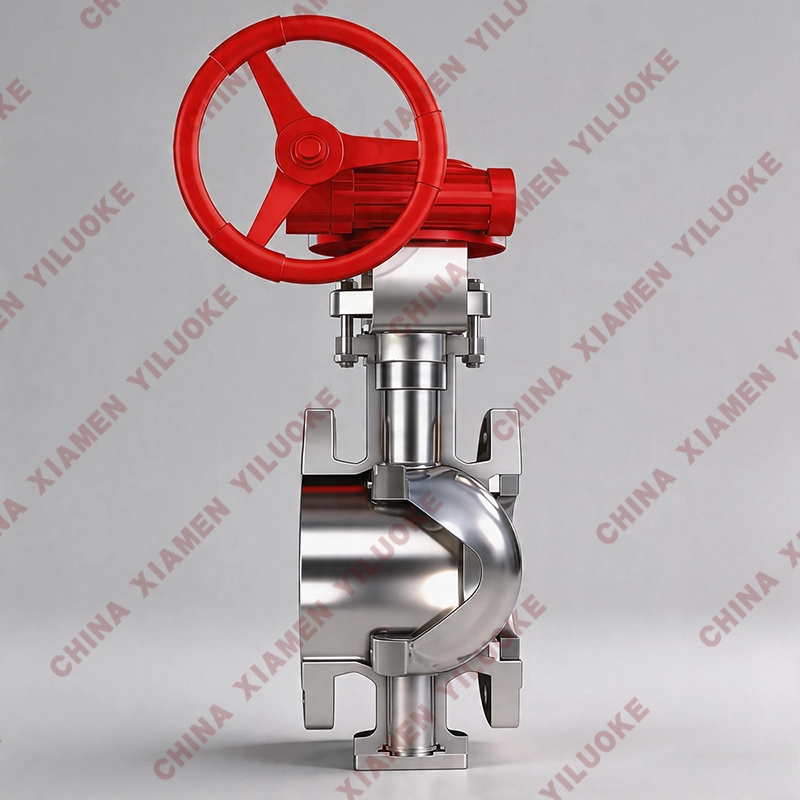
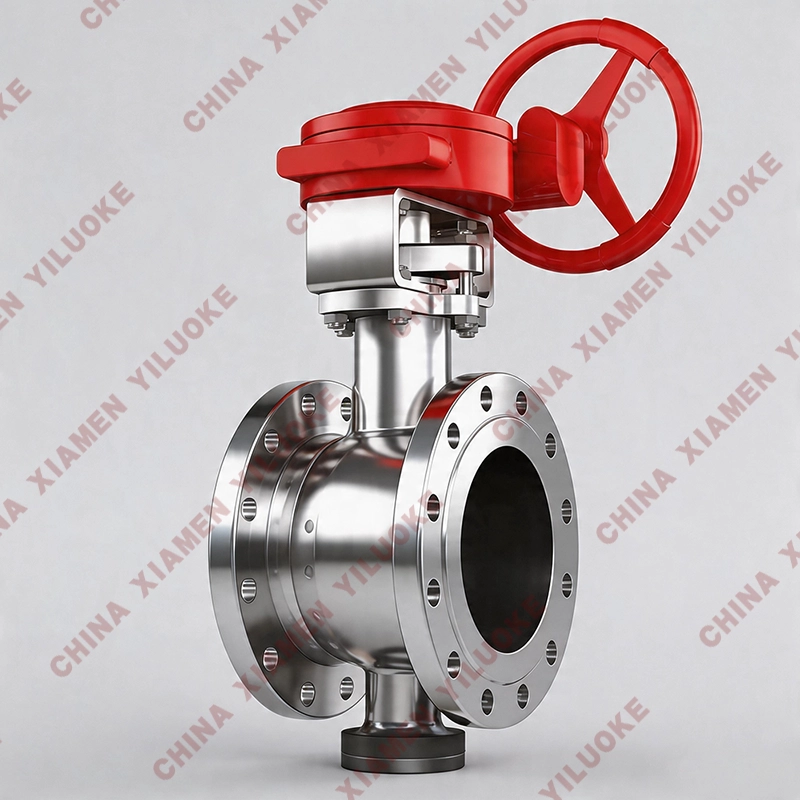
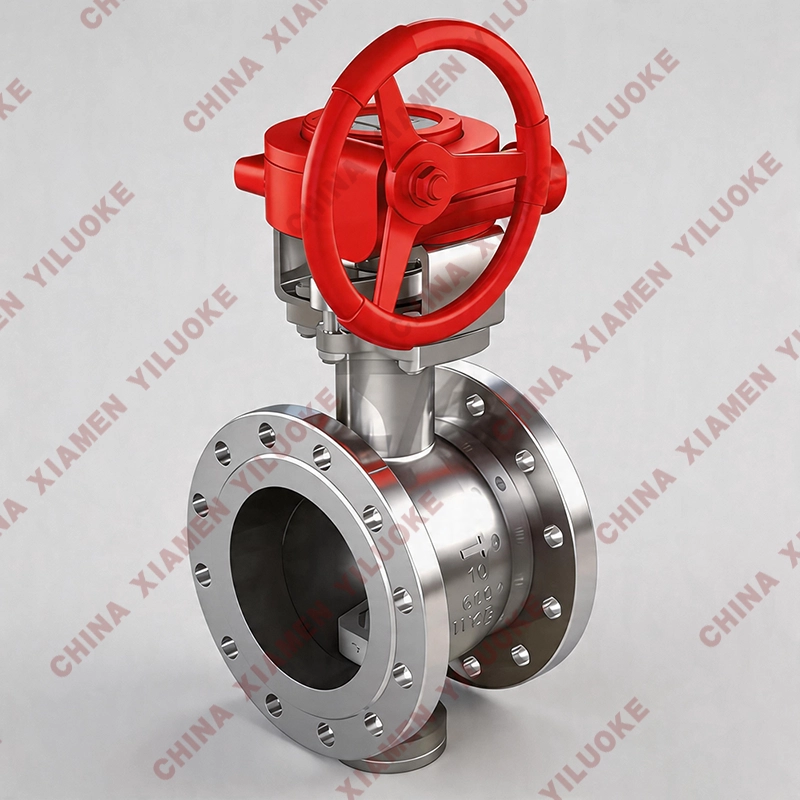
V‑Port Ball Valve is one type of ball valve. Its closing member is a hemisphere with a V‑shaped notch. The V‑notch features sharp cutting edges. During ball rotation, wiping action occurs between closing components to deliver powerful media shearing‑off capacity. The sector‑shaped flow area formed by V‑notch and seat passage changes cross‑sectional area while rotating, realizing precise media modulation. As a quarter‑turn modulating valve, it shares the same sealing performance as general ball valves, combining both modulating and on‑off functions. Matched with pneumatic or electric actuators, it is widely adopted in industrial automatic process control systems.
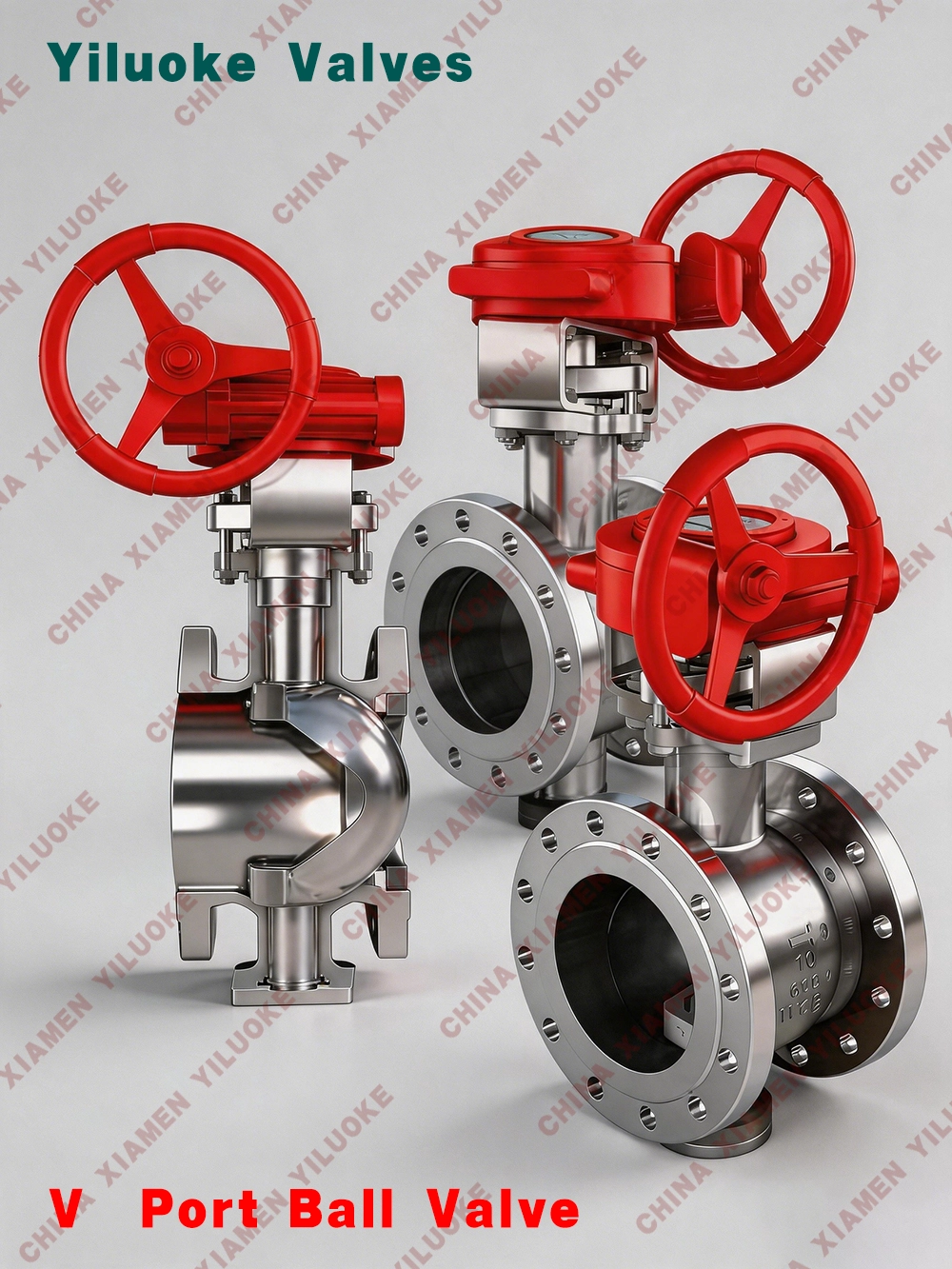
Structural Features
1. One‑piece valve body structure: Both wafer‑type and flange‑type V‑port ball valves adopt integral side‑mounted construction with high structural rigidity, resisting deformation and external leakage.
2. Upper and lower self‑lubricating bearings: Equipped inside valve body, they provide large contact area with stem, high load‑bearing capacity and low friction coefficient to reduce operating torque.
3. Optional metal hard‑seal or PTFE soft‑seat according to media and working conditions: Hard‑metal seat with hard‑faced overlay on sealing surface; ball surface can be hard‑chrome plated, spray‑welded or ion‑nitrided for extended service life and higher temperature resistance. PTFE or reinforced PTFE soft seats feature excellent sealing and corrosion resistance for wide‑range applications.
4. Cost‑effective performance: Light‑weight valve body and low stem torque allow smaller‑size pneumatic or electric actuators, delivering higher cost performance versus other modulating valves.
5. Wide media adaptability: Shearing force between V‑notch and seat plus smooth inner cavity minimize media accumulation. It works well for liquid media, and especially suitable for systems with fiber and solid particle‑containing media.
6. Precise small‑flow control: Specially machined V‑notch for small‑bore balls enables accurate control at low Cv values.
Main Performance Specifications
| Nominal Pressure PN | Max Working Pressure at Ambient Temp | Body Shell Test Pressure | Air‑Tight Test Pressure | High‑Pressure Seal Test Pressure |
| 1.6 | 1.6 | 2.4 | 0.6 | 1.76 |
| 2.5 | 2.5 | 3.8 | 0.6 | 2.75 |
| 4.0 | 4.0 | 6.0 | 0.6 | 4.4 |
| 6.4 | 6.4 | 9.6 | 0.6 | 7.1 |
| Class150 | 2.0 | 3.0 | 0.6 | 2.2 |
| Class300 | 5.0 | 7.5 | 0.6 | 5.5 |
Temperature Range for Manual V‑Port Ball Valve
| Body Material | Seat Material | Operating Temperature | Applicable Media |
| Carbon Steel Type C | PTFE + Stainless Steel | ≤150℃ | Water, Steam, Oil Products, etc. |
| Stainless Steel | ≤250℃ | ||
| Cr‑Ni‑Ti Type P | PTFE + Stainless Steel | ≤150℃ | Nitric Acid Media |
| Stainless Steel | ≤200℃ | ||
| Cr‑Ni‑Mo‑Ti Type R | PTFE + Stainless Steel | ≤150℃ | Acetic Acid Media |
| Stainless Steel | ≤200℃ | ||
| Cr‑Mo‑V Steel Type I | Stainless Steel | ≤200℃ | Steam, Smelting & Energy Media |
Main Component Materials for Manual V‑Port Ball Valve
| Component | GB Standard | ASTM Standard |
| Valve Body & Bonnet | WCB, ZG1Cr18NiTi, ZG0Cr18Ni12Mo2, ZG15Cr1Mo1V | WCB, CF8, CF8M, WC9 |
| Ball | 2Cr13/1Cr18Ni9Ti, 1Cr18Ni9Ti (special surface treatment), 0Cr18Ni12Mo2 (special surface treatment), 25Cr2Mo1V (special surface treatment) | CA15, CF8+HF, CF8M+HF, WC9+HF |
| Valve Stem & Fixed Shaft | 2Cr13, 1Cr18Ni9Ti, 0Cr18Ni12Mo2, 25Cr2Mo1V | 420, 304, 316, F22a |
| Valve Seat | PTFE, 2Cr13, PTFE, 1Cr18Ni9Ti, PTFE, 0Cr18Ni12Mo2, D517 | PTFE, 420, PTFE, 304, PTFE, 316, HF |
| Packing | PTFE, Flexible Graphite, PTFE, Flexible Graphite, PTFE, Flexible Graphite, Flexible Graphite | PTFE, Flexible Graphite, PTFE, Flexible Graphite, PTFE, Flexible Graphite, Flexible Graphite |
| Bolt | 35, 0Cr18Ni9, 0Cr18Ni9, 15Cr1Mo1V | A193 B7, A320‑B8, A320‑B8, A193‑B16 |
| Nut | 45, 0Cr18Ni9, 0Cr18Ni9, 20CrMo | A194 2H, A194‑8, A194‑8, A194‑4 |
Technical Parameters
| Valve Body Material | WCB Carbon Steel, 304 Stainless Steel, 316 Stainless Steel |
| Nominal Diameter | DN25~500mm |
| Nominal Pressure | PN1.6MPa, 2.5MPa, 4.0MPa, 6.4MPa, Class150, Class300 |
| Sealing Type | PTFE Seal (-40~150℃), PPL Seal (-40~300℃), Alloy‑H Seal (-40~425℃), Hard‑Alloy‑Y Seal (-40~425℃) |
| Applicable Media | Water, Steam, Oil Products, Nitric Acid, Acetic Acid, Oxidizing Media, Urea and other media |
| Operation Mode | Hand lever, Worm‑gear, Electric, Pneumatic, Hydraulic |
| Industry Applications | Medical devices, Solar energy, Cleaning equipment, Food machinery, Burners, Welding & cutting, Fire safety, Biopharmacy, Machinery manufacturing and other industries |