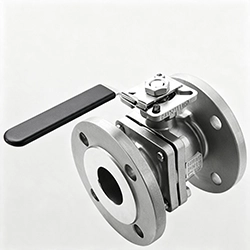


Insulated Ball Valves
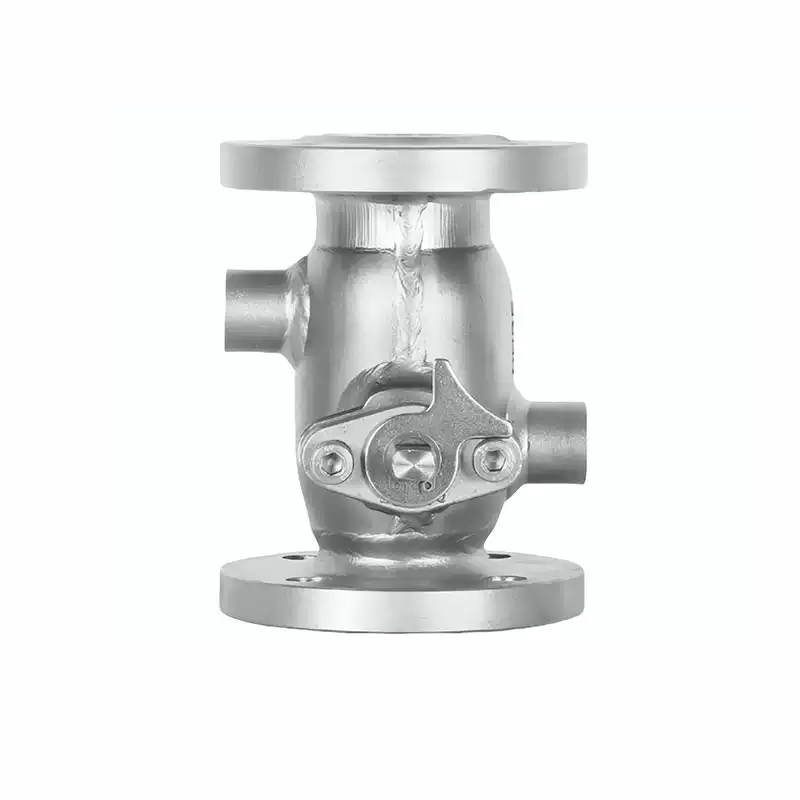
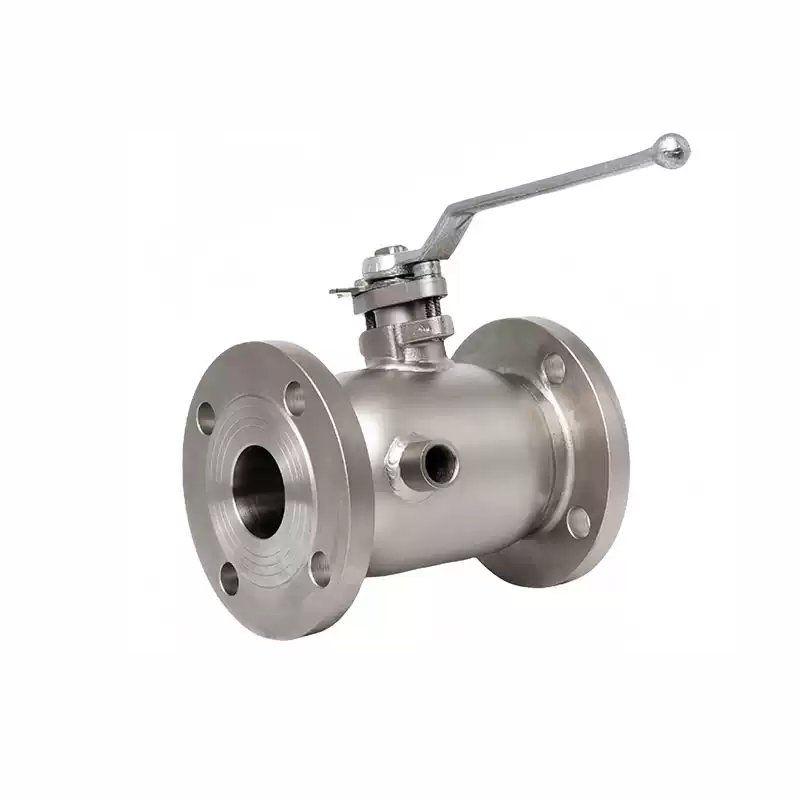
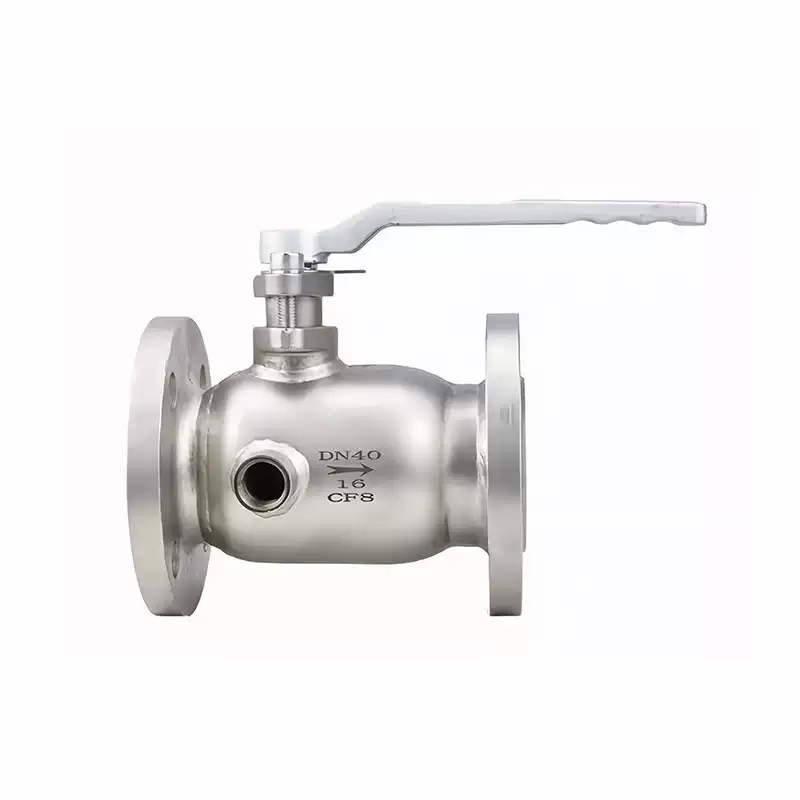
Insulated Ball Valves: Applications, Features, Technical Characteristics & Specifications
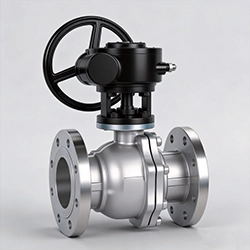
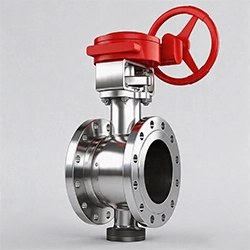
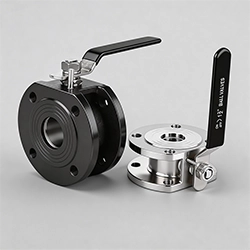
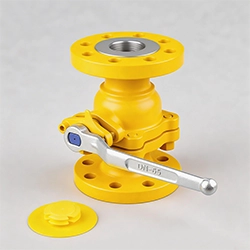
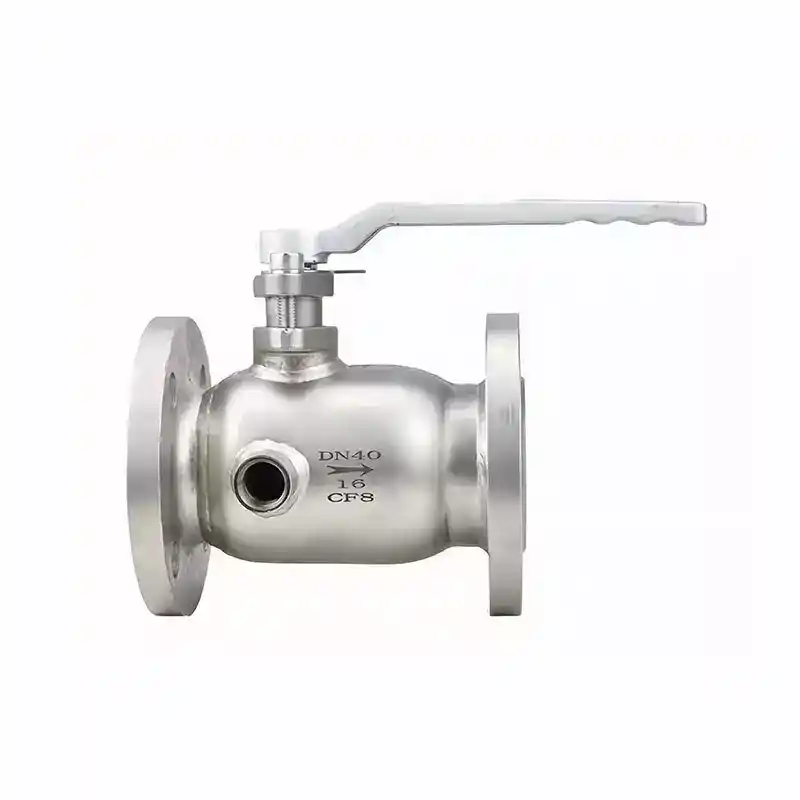
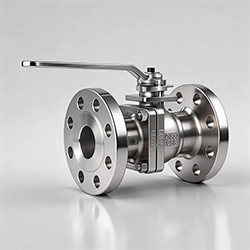
Insulated Ball Valves can have steam, heat transfer oil, cooling water, cool air, etc. injected into the jacket according to user needs. They raise or lower the temperature of the entire valve to reach the required temperature and can prevent medium crystallization. These products have excellent thermal insulation and cold preservation properties. The valve port is consistent with the pipe diameter, and at the same time, they can effectively reduce the heat loss of the medium in the pipeline. They are mainly used in various systems such as petroleum, chemical, metallurgy, pharmaceutical, and food industries to transport high-viscosity media that solidify at normal temperature. With thermal insulation and cold preservation properties, they are applicable to the petroleum, chemical, metallurgy, and pharmaceutical industries.
Features of Insulated Ball Valves
Due to the adoption of steam jacket insulation, Insulated Ball Valves still operate flexibly even when the ambient temperature drops below zero degrees Celsius. They allow the oil pipeline to be disconnected, a feature not available in other control valves. They are the control valves for heavy oil transportation pipelines.
Technical Characteristics
Unique jacket structure design: can be filled with steam, heat transfer oil or other insulation media to effectively maintain the temperature of the fluid in the pipeline and prevent medium solidification or heat loss.
Adopts PTFE (polytetrafluoroethylene) or metal hard-sealed valve seat: high temperature and corrosion resistance, ensuring no leakage during long-term use and meeting the requirements of harsh working conditions.
Valve body material: made of high-quality carbon steel, stainless steel or alloy steel through forging and special heat treatment process, with high temperature resistance up to above 300℃, strong pressure-bearing capacity, and suitable for high-pressure pipeline systems.
Full-port structure design: the fluid channel is consistent with the inner diameter of the pipeline, reducing pressure loss, ensuring smooth medium flow, and suitable for high-viscosity or easy-crystallization fluids.
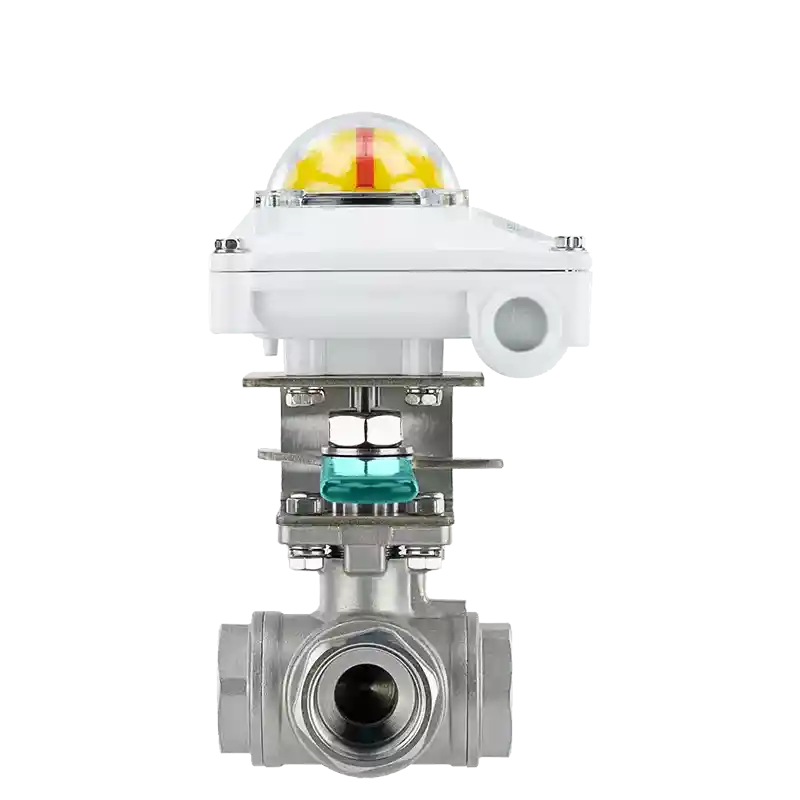
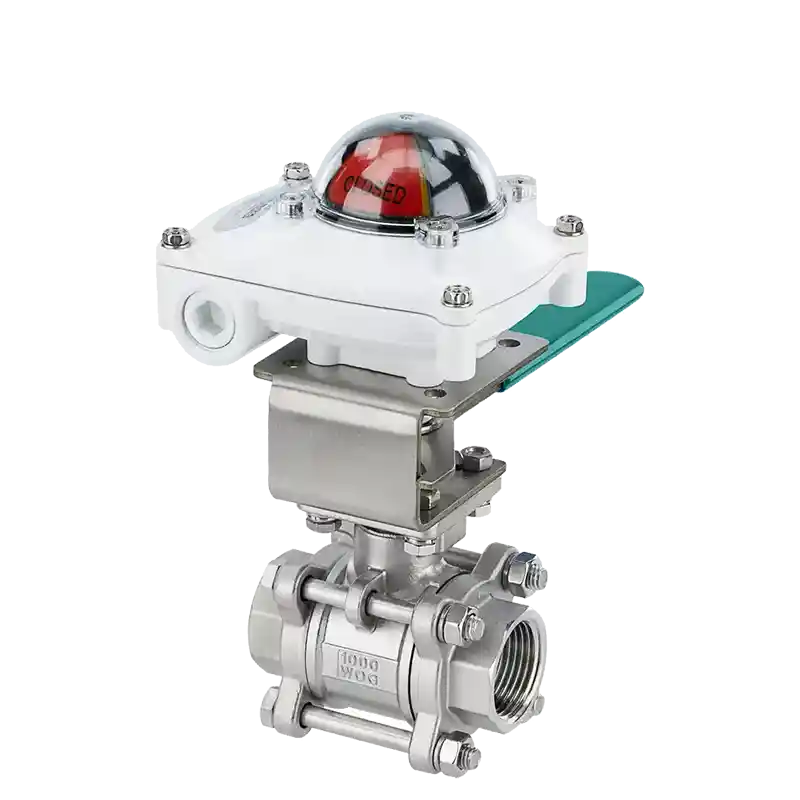
Multiple actuation methods: provides manual, worm gear, pneumatic or electric actuation methods, with flexible opening and closing and quick switching. Modular design facilitates disassembly and maintenance, reducing use costs.
Hardened ball surface: wear and corrosion resistance; stem blow-out proof design ensures long-term stable operation, reducing failure rate and replacement frequency.
Wide application range: suitable for steam, heat transfer oil, chemical fluids, petroleum, food and other industries, meeting the needs of different media and temperature environments.
Specifications
Design Standards: API6D, API608, GB/T12237, JB/T13458
Pressure-Temperature Rating: ASME B16.34, GB/T12224
Face-to-Face Dimensions: ASME B16.10, GB/T12221
Flanged Ends: ASME B16.5, ASME B16.47, GB/T9124, GB/T9113
Welded Ends: ASME B16.25, GB/T12224
Fire Safety Requirements: API607/6Fa
Pressure Test: API6D, GB/T26480, API598
Body Material: Carbon Steel, Stainless Steel, Alloy Steel
Nominal Diameter: DN15~DN600, NPS1/2~NPS24
Pressure Range: PN16~PN420, Class150~Class2500
Operating Temperature: -40~200℃
Actuation Methods: Manual, Electric Actuated, Pneumatic, etc.
Application Scope: Mainly used in various systems such as petroleum, chemical, metallurgy, pharmaceutical, and food industries to transport high-viscosity media that solidify at normal temperature.