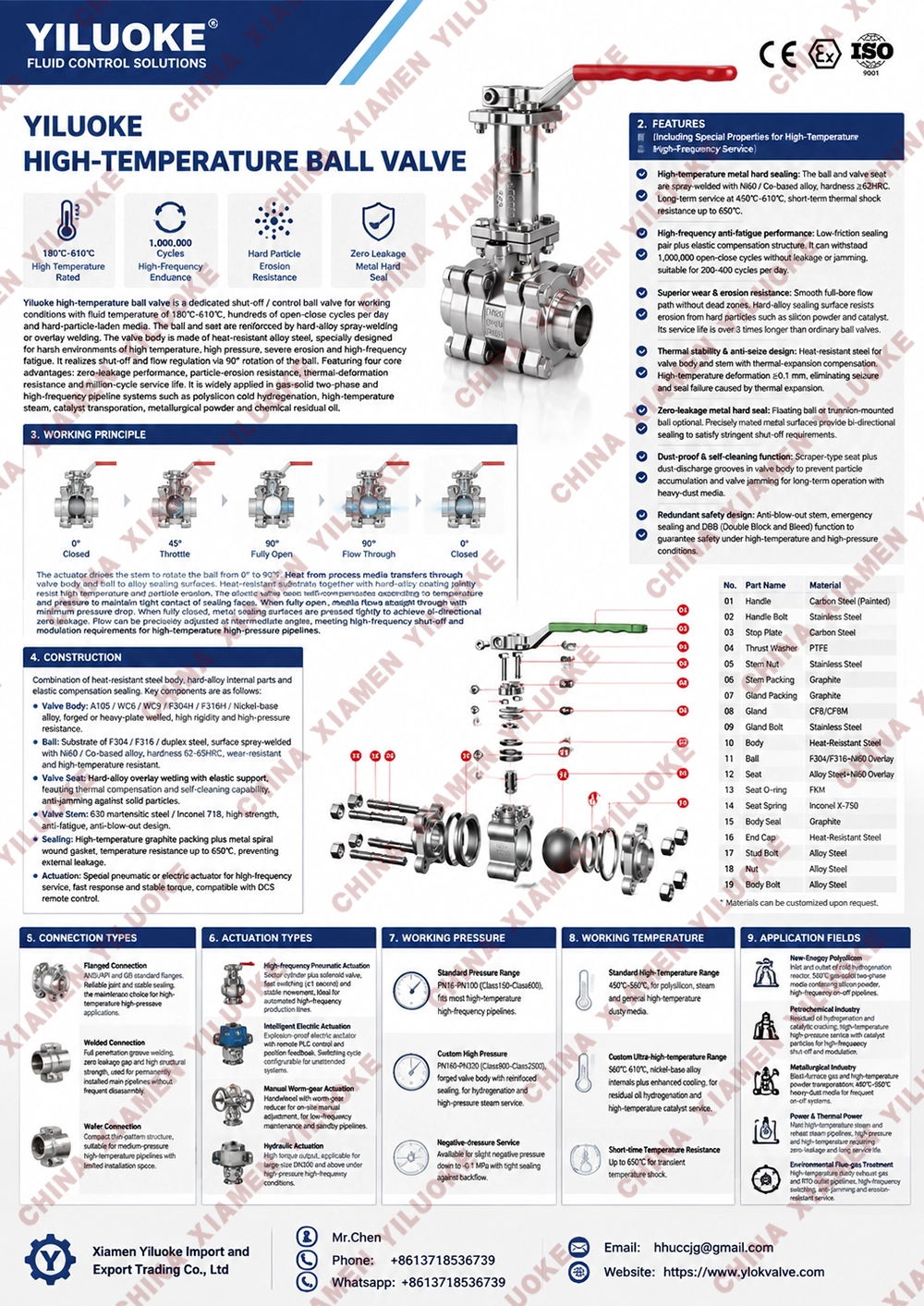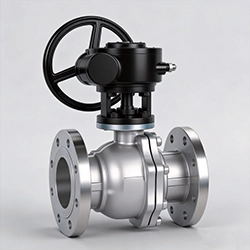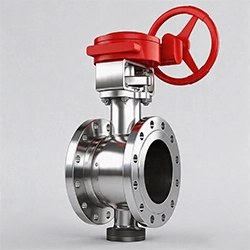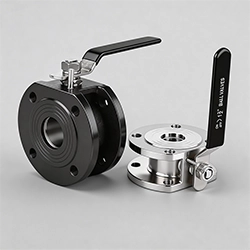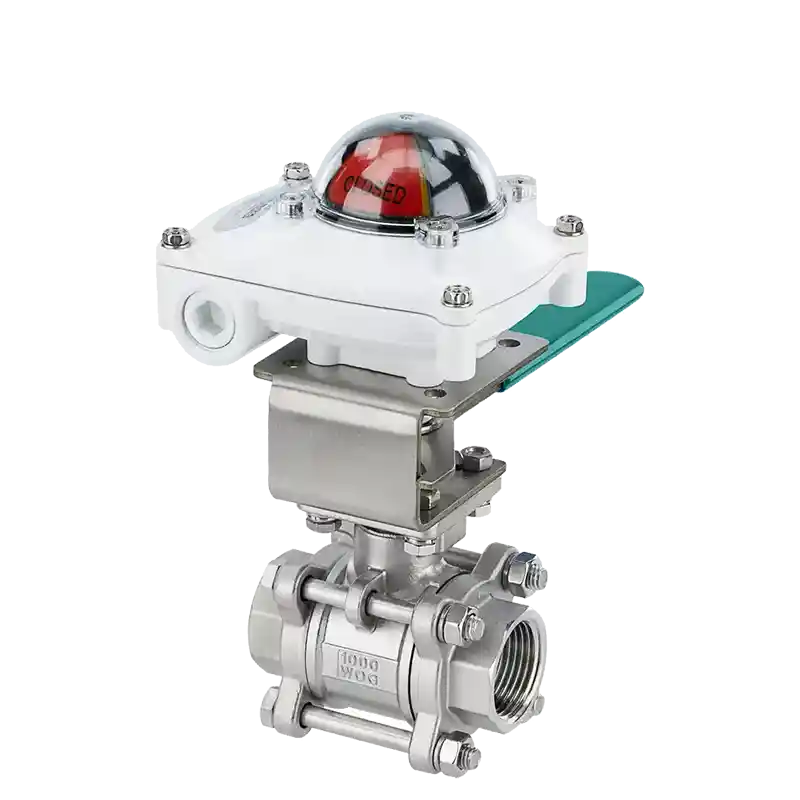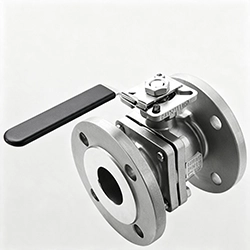


High Temperature Ball Valves
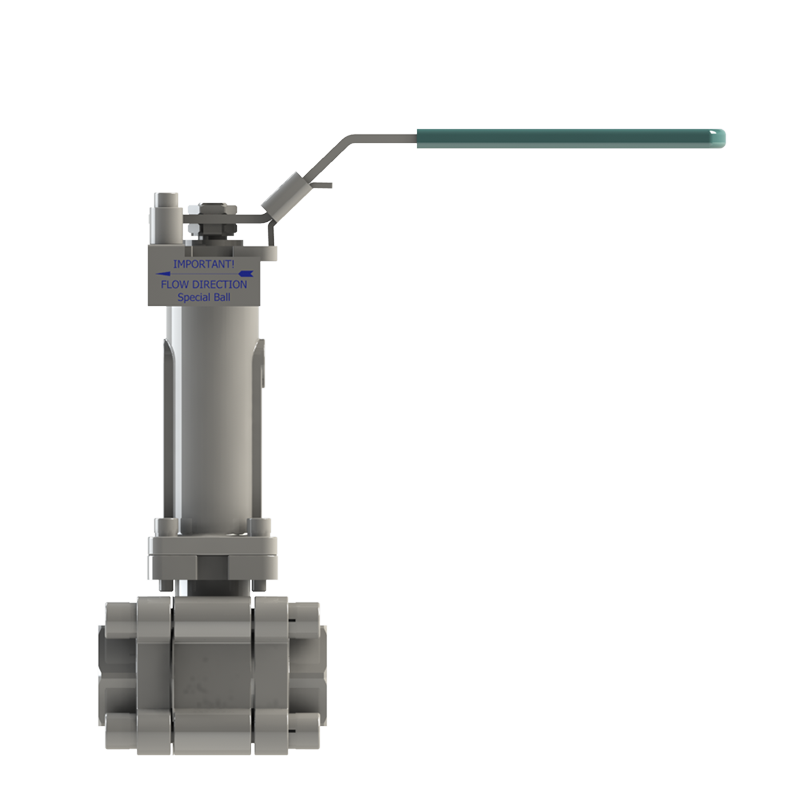
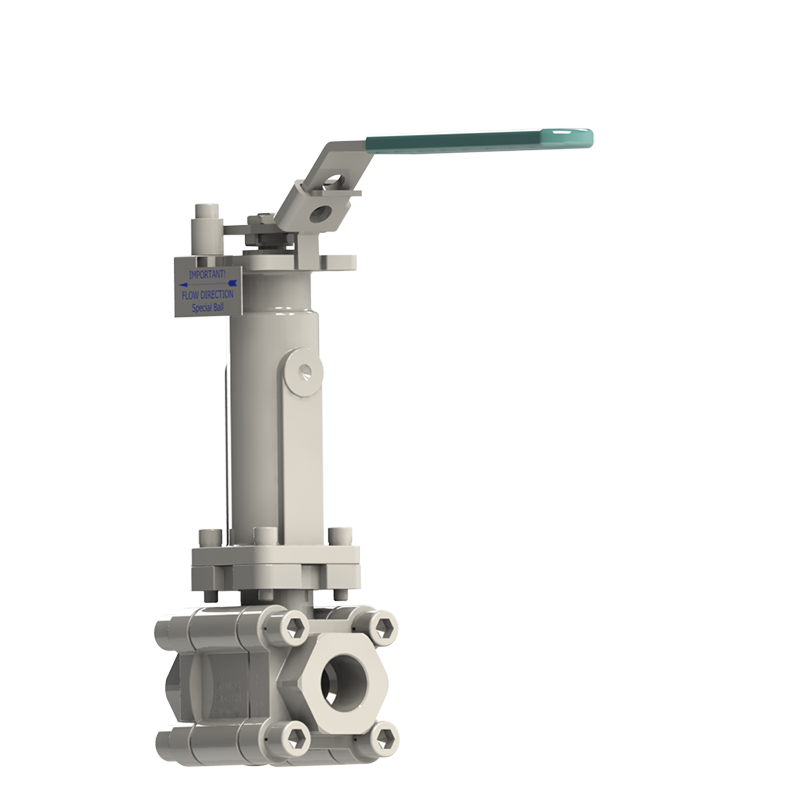
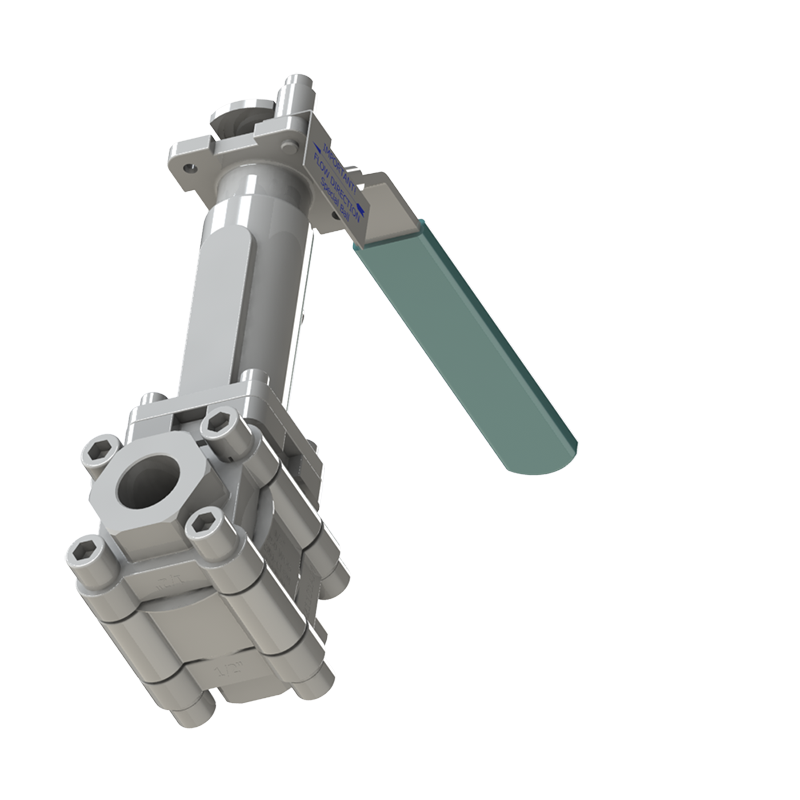
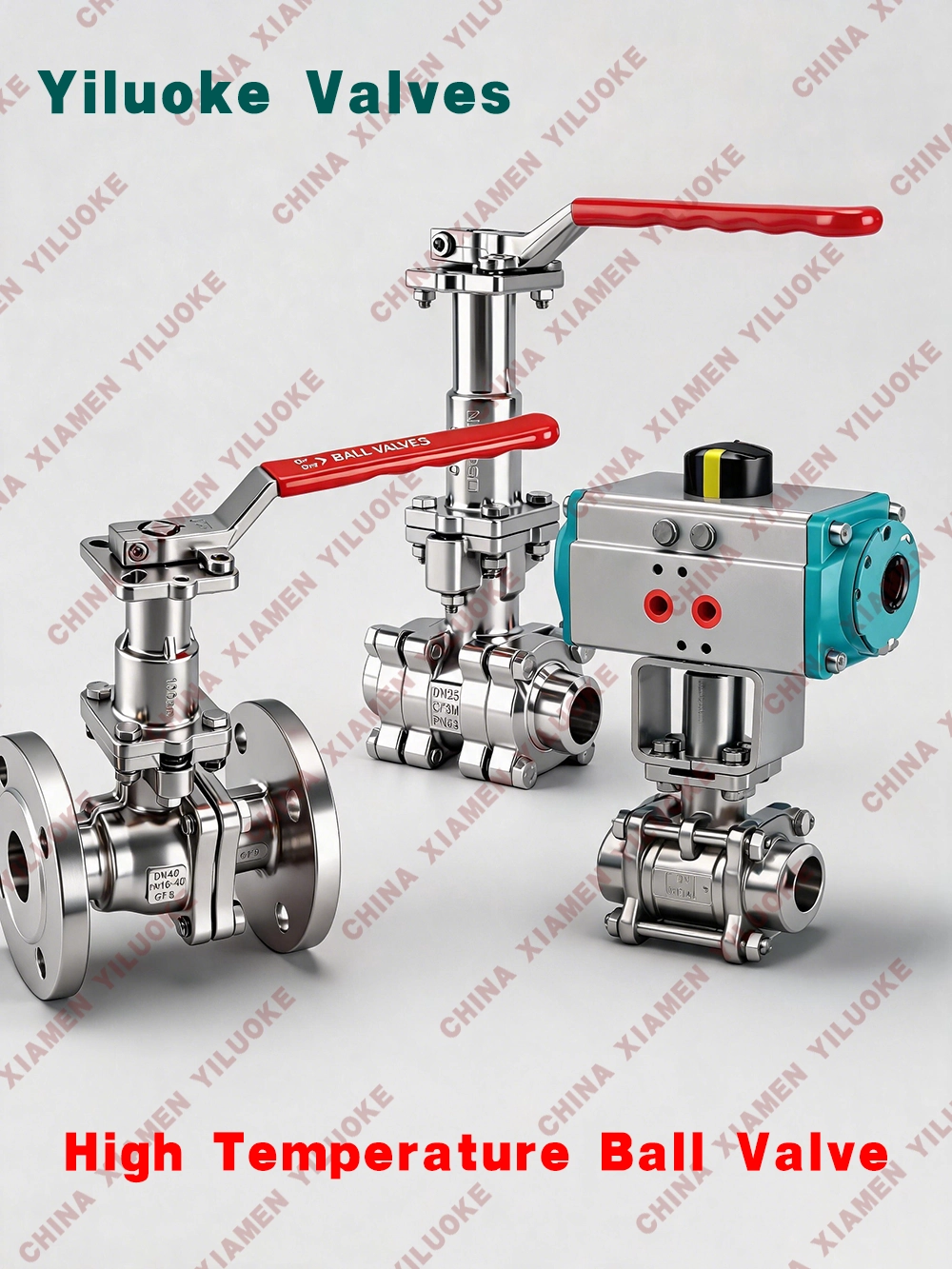
The high‑temperature ball valve is used for shut‑off and control of steam, hot oil and high‑temperature gas. It adopts standard valve body wall‑thickness design and anti‑blow‑out stem. The seat sealing surface is overlaid and sprayed with hard alloy HCr/STL/Ni55/WC tungsten carbide. The ball surface is treated by HCr electroplating, nitriding, and sprayed with hard alloy Ni60/STL/tungsten carbide/chromium carbide. Its maximum pressure resistance reaches PN130. With wear‑resistant and high‑temperature resistant performance, it adopts dynamic‑load stuffing box design fitted with low‑emission high‑temperature graphite packing. It features fire‑safe structure complying with API607 standard and ISO5211 high‑platform design. Thread connections support common standards including NPT/BSPT/Rc/G/BSPP, and socket‑weld connection is also available. It can be manufactured as bi‑directional metal‑to‑metal hard‑sealing structure with scraper‑face sealing design to realize both shearing and cutting performance. Elastic seat design prevents high‑temperature seizure. The high platform allows installation of handle, pneumatic or electric actuators. Featuring long service life, it is widely applied in high‑temperature steam, hot oil, mineral slurry, pulp, high‑pressure chemical industry, water treatment, mechanical fluid equipment, high‑pressure hydraulics and precision equipment fields.
Structural Design
Anti‑blow‑out Valve Stem: Made of high‑corrosion‑resistant superalloy with vacuum heat treatment to improve surface hardness and avoid scoring. Top‑mounted stuffing box structure prevents stem blow‑out injury.
External Leak‑point Sealing: Middle flange, lower fixed shaft and upper stuffing box adopt dual sealing of metal‑to‑metal hard contact and metal spiral wound gasket, maintaining reliable sealing even under fire conditions.
New‑type Seat Sealing Structure: U‑shaped metal sealing ring made of elastic metal material delivers proper elasticity. It compensates thermal expansion and contraction of components through elastic deformation under temperature fluctuation, effectively avoiding seizure or leakage caused by temperature change.
Long‑life Bearing Design: High‑quality self‑lubricating wear‑resistant long bearings are installed on stem and fixed shaft to keep stem coaxial and eliminate load caused by valve switching or vibration.
Spring‑loaded Packing Sealing: Disc‑spring loaded packing structure ensures long‑term reliable sealing performance.
Dual Thrust Bearing Design: Two hardened bearing rings serve as thrust bearings for rotary movement, reducing valve torque, preventing jamming after long‑time operation and extending service life.
Compression Fastening Device: Composed of compression ring, support ring, compression screw and four‑split ring, it features simple structure and easy disassembly & assembly. Tightening force on U‑shaped metal sealing ring can be adjusted by rotating compression screws.
Technical Parameters
| Pressure Class | CLASS 150~CLASS1500(PN10~PN260) |
| Nominal Diameter | 1/2〞~48〞(DN15~DN1200) |
| Temperature Range | 180℃~600℃ |
| Body Material | High‑temperature steel, stainless steel, Incoloy800H etc. |
| Ball Material | F304H/F316H/F310S/Incoloy800H+H.F etc. |
| Seat Material | F304H/F316H/F310S/Incoloy800H+H.F etc. |
| Operation Mode | Manual, pneumatic, electric etc. |
Operating Temperature Limits
HCR hard‑chrome plated ball + STL sprayed seat ≤300℃
Ni60 sprayed ball + Ni55 sprayed seat ≤425℃
Stellite STL sprayed ball + STL sprayed seat ≤425°C
Tungsten carbide TC sprayed ball + TC sprayed seat ≤500℃
Chromium carbide CRC sprayed ball + CRC sprayed seat ≤500℃
Industry Applications
Widely used in chemical industry, coal chemical industry, pharmacy, fine chemical industry, new energy, environmental protection and other industries. Applicable media: high‑temperature & high‑pressure water, oil, gas, steam and liquid media.